Justin
Yiwu pet supplies sourcing covers beds, toys, bowls, leashes, apparel and grooming tools from a deep range of booths — a fast-growing category with low minimums. There is no single global pet certification, which cuts both ways: it is easy to start, and easy to ship unsafe goods if you skip materials checks. This guide covers what to buy, the safety points that matter, and how to vet a pet supplier.
Key Takeaways
- Yiwu covers pet beds, toys, bowls, leashes, apparel and grooming tools.
- There is no single mandatory pet cert — materials safety is on you.
- Chew toys need non-toxic materials and no small parts that detach.
- Bowls can carry the same lead and food-contact risks as kitchenware.
- Minimums are often low, from roughly 100-500 pieces per design.
- Durability and stitching are the top quality complaints — test them.
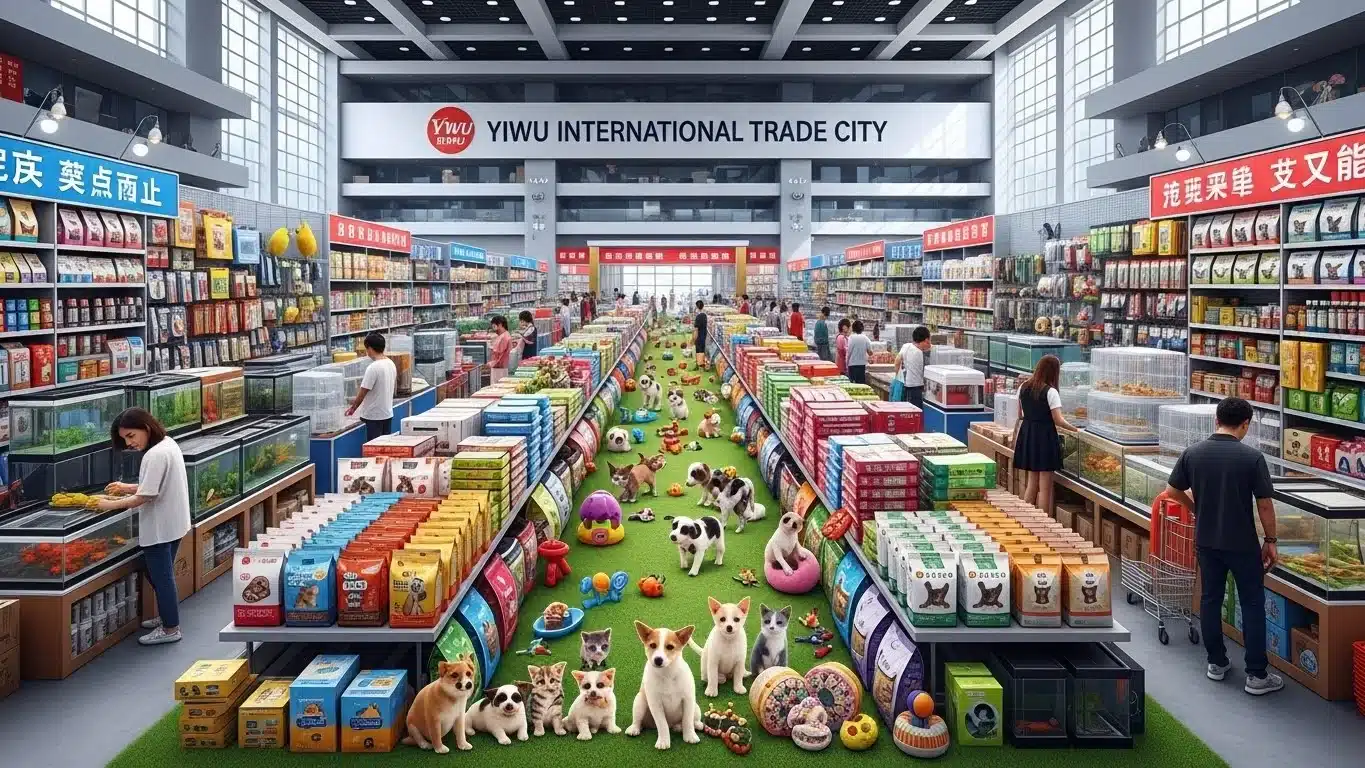
Pet supplies is one of many categories in the market — see the full Yiwu product categories guide, and for the full buying process start with our complete Yiwu sourcing guide.
Why Yiwu for Pet Supplies
Pet supplies has exploded as a Yiwu category, spanning soft goods (beds, apparel), hard goods (bowls, carriers), and toys. Yiwu suits variety sellers and online stores that want a wide pet range at low minimums rather than one deep specialist line. Trend toys and seasonal pet apparel turn over fast, which is exactly where Yiwu’s speed and variety win.
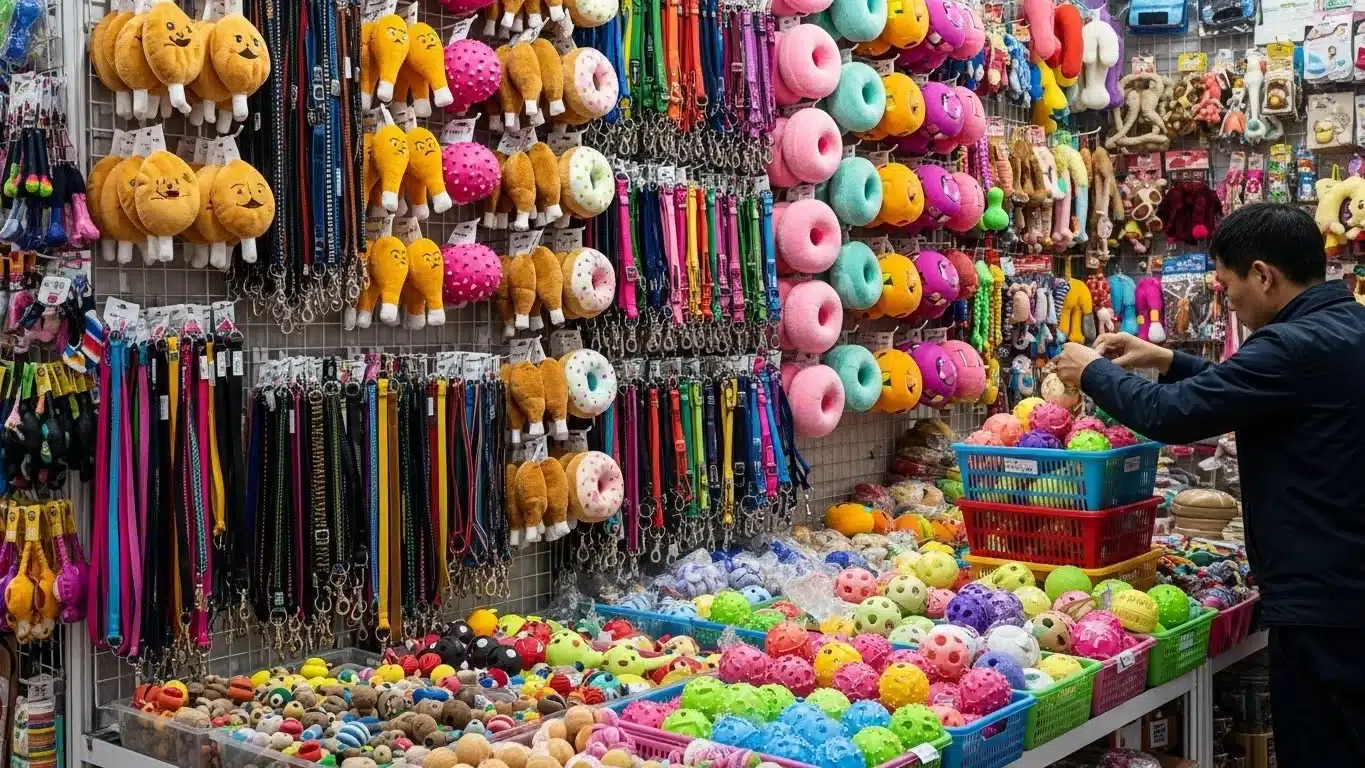
What Pet Supplies You Can Source
- Beds and mats: filling quality and stitching are the main risks.
- Toys: chew toys need non-toxic materials and secure parts.
- Bowls and feeders: stainless or ceramic — same food-contact rules as kitchenware.
- Leashes, collars, harnesses: stitching and hardware strength matter.
- Apparel: sizing, dye fastness, fastener safety.
- Grooming tools: small electricals need electrical certification.
Safety and Materials
Most markets have no single mandatory pet-products certification, but that does not mean anything goes — safety is judged on materials and design, and rules vary by market and product. Confirm specifics with a testing lab for your destination.
- Non-toxic materials: chew toys and anything a pet mouths should avoid harmful phthalates and heavy metals; many buyers test to children’s-toy-style limits.
- Small parts: squeakers, eyes and fasteners must not detach into a choking hazard.
- Food-contact bowls: apply the same lead and migration checks as kitchenware.
- California Prop 65: products into California may need warnings for listed substances.
A cute plush toy with glued-on eyes is a recall waiting to happen. Require sewn, pull-tested parts and a non-toxic materials test on anything a pet chews.
Pet Supplies at a Glance
| Pet Product | Material | Safety Risk | Typical MOQ | Key QC Point |
|---|---|---|---|---|
| Chew toys | Rubber, TPR, plush | Toxicity, choking parts | 100-1,000 pcs | Non-tox test, pull test on parts |
| Beds / mats | Fabric, PP filling | Filling quality, flammability | 100-500 pcs | Stitching, fill weight |
| Bowls / feeders | Stainless, ceramic | Lead/food-contact | 100-500 pcs | Grade/migration test |
| Leashes / harnesses | Nylon, metal hardware | Strength failure | 200-1,000 pcs | Load test on hardware/stitching |
MOQ and Pricing
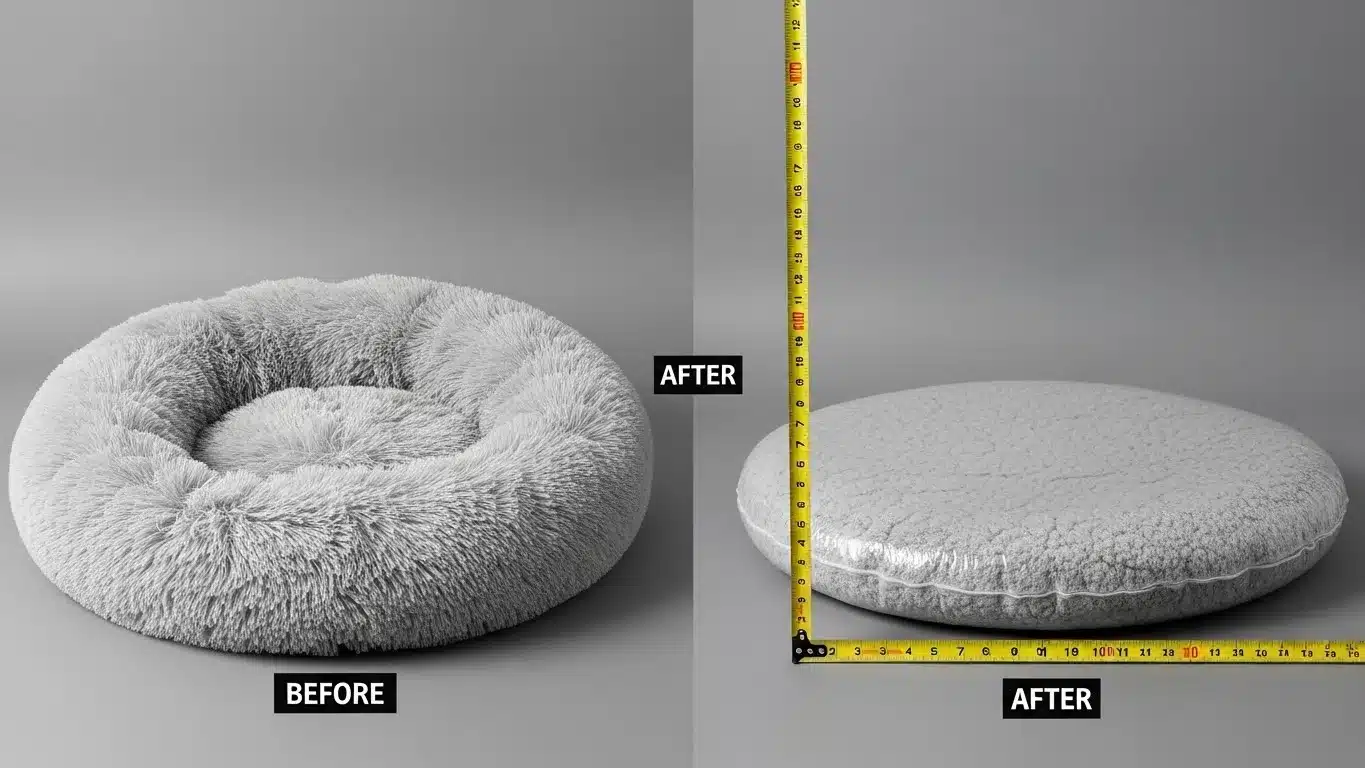
Stock pet items often start from 100 to 500 pieces per design. Price moves on material and construction — a double-stitched bed with quality fill costs more than a glued, thin-fill version that looks the same online but fails in a month. As with every Yiwu category, the cheap quote usually hides a lower spec. A double-stitched bed with proper fill typically costs 15-25% more than a glued, thin-fill version, but it cuts returns sharply over a season.
What We Check on a Pet Supplier
- License name matching the invoice and bank account.
- A non-toxic materials test on chew toys and mouthed items.
- A pull test on any attached part — eyes, squeakers, fasteners.
- Load testing on leashes, collars and harness hardware.
- An AQL inspection against the approved sample before the balance is paid.
Durability and Quality
The top pet-supply complaints are durability ones: beds that flatten, toys that shred on day one, leashes whose clasp fails. These are construction problems you catch with a sample and an inspection, not a price negotiation. Lock the sample, define the stitching and fill in writing, and inspect the bulk against it. A practical bar: a sewn-in eye or squeaker should survive roughly a 90 newton pull without detaching, and a quality bed should hold its loft after 50+ compression cycles — both confirmable on a sample in minutes.
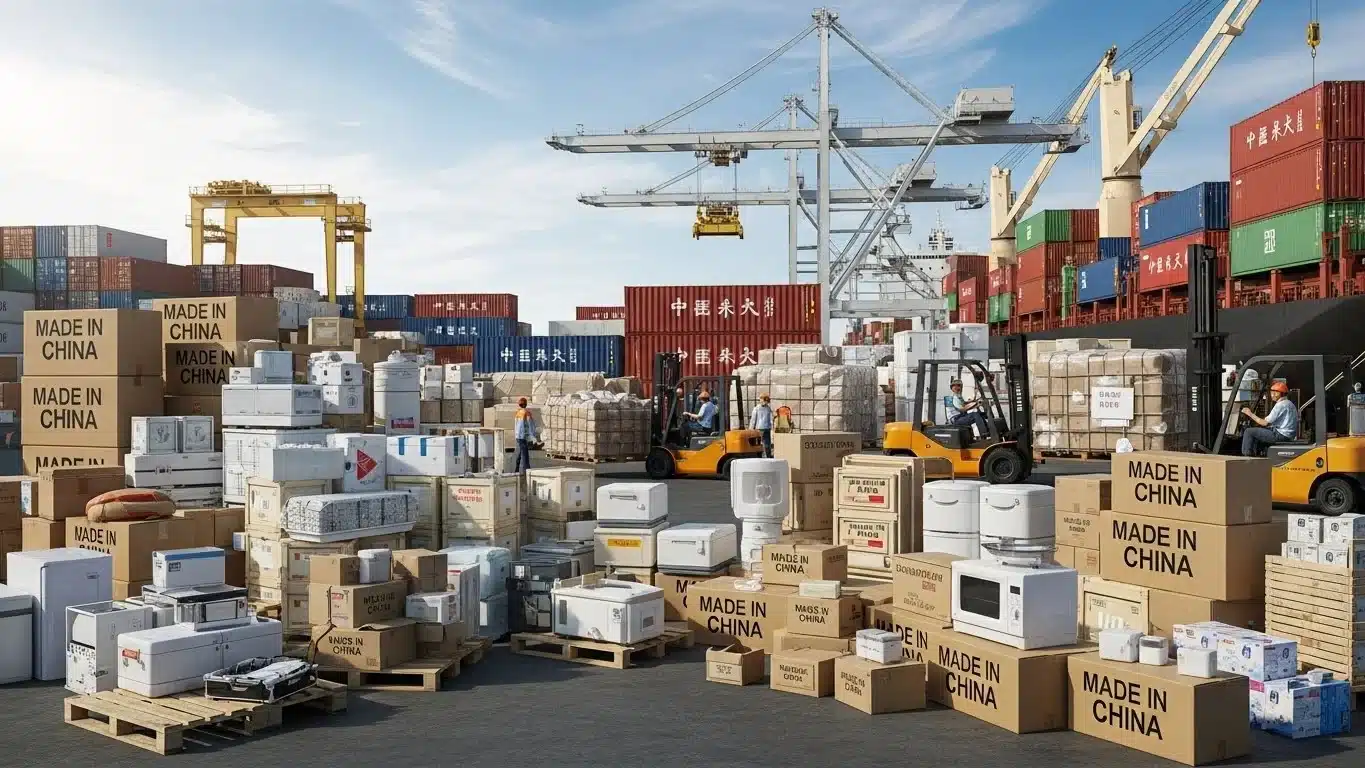
Pet safety rides on inspection — see our Yiwu quality inspection guide for the AQL process before you release the balance.
Bestselling Pet Segments and Trends
Pet spending skews toward repeat-purchase consumables and trend-driven toys, which is where a variety seller makes margin. Knowing the segment shapes both your buy and your QC focus.
| Segment | Demand Driver | Margin Profile | Watch Out |
|---|---|---|---|
| Chew & plush toys | Impulse, replacement | High | Toxicity, detachable parts |
| Beds & blankets | Comfort, seasonal | Medium-high | Fill quality, flattening |
| Bowls & feeders | Replacement, upgrade | Moyen | Food-contact / lead |
| Apparel & accessories | Trend, seasonal | High | Sizing, dye fastness |
Lead Times and Private-Label Branding
Stock pet items ship in roughly 7-20 days. Private label is where pet brands are built: custom colors, your logo woven or printed, and branded packaging typically add 20-40 days and raise the minimum toward 500-1,000 pieces. Because there is no single mandatory certification, a private-label pet brand lives or dies on its own materials testing and durability standard — set those before you scale, not after the first batch of returns.
Shipping and Consolidation for Pet Goods
Pet goods are bulky and light, so they cost out on volume, not weight — a container of dog beds fills up long before it hits a weight limit. That makes consolidation and smart packing central to your margin: compressing soft goods, nesting bowls, and flat-packing carriers can cut the cubic meters you pay for. Buy across several pet booths, consolidate into one warehouse, and have the packing optimized for volume before the container is booked — otherwise you ship air.
What Makes a Pet Product Sell Online
Sourcing and selling are two different skills, and the pet products that move online share a few traits worth buying for. Keep these in mind when you shortlist at the booth:
- Durability you can photograph: reinforced stitching and tested seams give you real before/after content that cuts returns and wins reviews.
- A clear size story: pets vary hugely, so accurate size charts and a few size options reduce the #1 pet-apparel return reason.
- Safety you can state: a non-toxic materials test lets you make a claim buyers search for, especially on chew toys.
- Giftable packaging: pet gifting is large; retail-ready packaging lifts perceived value without much cost.
- Repeat-purchase fit: consumable and wear-and-replace items (toys, beds) build a reorder base a one-off product never will.
Packaging and Shipping for Bulky Pet Goods
Pet goods are bulky and light, so they cost out on volume, not weight — a container of dog beds fills up long before it hits a weight limit. That makes packing central to your margin: compressing soft goods, nesting bowls, and flat-packing carriers can sharply cut the cubic meters you pay for. Agree the compressed packing method in writing, and consolidate across several pet booths into one container, or you will quite literally ship air across the ocean. As a rule of thumb, soft pet goods that compress well can cut shipped volume by 30-50%, which on a full container is the difference between one box and two — and a noticeable swing in your landed cost per unit.
Conclusion
Yiwu pet supplies sourcing is easy to start and easy to get wrong. With no single certification to lean on, the discipline is yours: test the materials, pull-test the parts, load-test the hardware, and inspect for durability. Do that and Yiwu delivers a wide, safe pet range at trade prices.
Questions fréquemment posées
Is Yiwu good for pet supplies?
Yes. Yiwu is a fast-growing pet-supplies hub covering beds, toys, bowls, leashes and apparel at low minimums. Because there is no single mandatory certification, the work is materials safety and durability testing.
Do pet toys from Yiwu need safety testing?
It is strongly advised. Chew toys and mouthed items should be tested for non-toxic materials and checked for detachable small parts, even where no certification is legally mandatory in your market.
What is the MOQ for Yiwu pet supplies?
Stock designs often start from roughly 100 to 500 pieces. Custom sizes, colors or branded packaging raise the minimum and the lead time.
Why do cheap pet products fail quickly?
Usually construction: thin fill, glued parts, or weak hardware. Lock a sample, define stitching and fill in writing, and inspect the bulk against it before paying the balance.
About the author: Written by the ChineseYiwu Sourcing Team — based inside the Yiwu International Trade City since 2005, with 50+ sourcing specialists and QC inspectors serving importers in 100+ countries.
Related guide: Yiwu Pet Supplies Wholesale Sourcing Guide.