Justin
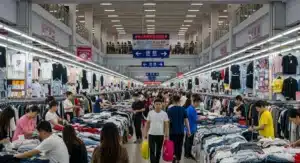
When you’re hunting for Yiwu product categories to launch your first private label brand, the sheer scale of the market—75,000 booths across 6.4 million square meters—can be overwhelming. I’ve seen too many founders jump into trendy categories like cheap electronics and end up with failed safety certifications, while others stumble on basics like storage bag wholesale problems and waste months on supplier vetting. The key is to match your product choice with Yiwu’s real strengths: low-tech, high-touch goods that let you control costs and differentiate through packaging.
Key Takeaways
- District 1 moves faster than your Instagram feed.
- Real talk: Bags are a solid entry category for brand founders — easy logo customization, low MOQs, and high retail markup.
- Most brand founders lose money on toys not because of bad design, but because they skip certification cost calculations before placing an order.
- Home decor is the lowest-risk entry point for first-time brand founders in Yiwu — stable demand, easy differentiation, and wholesale costs under $3.
- Custom packaging sourced from Yiwu’s specialized packaging zone costs 2–3x less than supplier-provided packaging — and over 90% of first-time buyers miss this.
- Hard truth: Yiwu is built for low-tech, high-touch commodities.
Here’s the specific insight most first-timers miss: Yiwu’s packaging district can cut your custom box costs by 40 to 60 percent compared to US alternatives, with minimum orders as low as 100 units. That kind of margin advantage turns a commodity item into a profitable brand launch. But only if you pick the right category from the start. Over 50 percent of Yiwu suppliers are actually trading companies, not factories, so verification becomes non-negotiable. Let’s walk through the eight categories that offer the best balance of low MOQs, high margins, and manageable risk for a first-time founder.
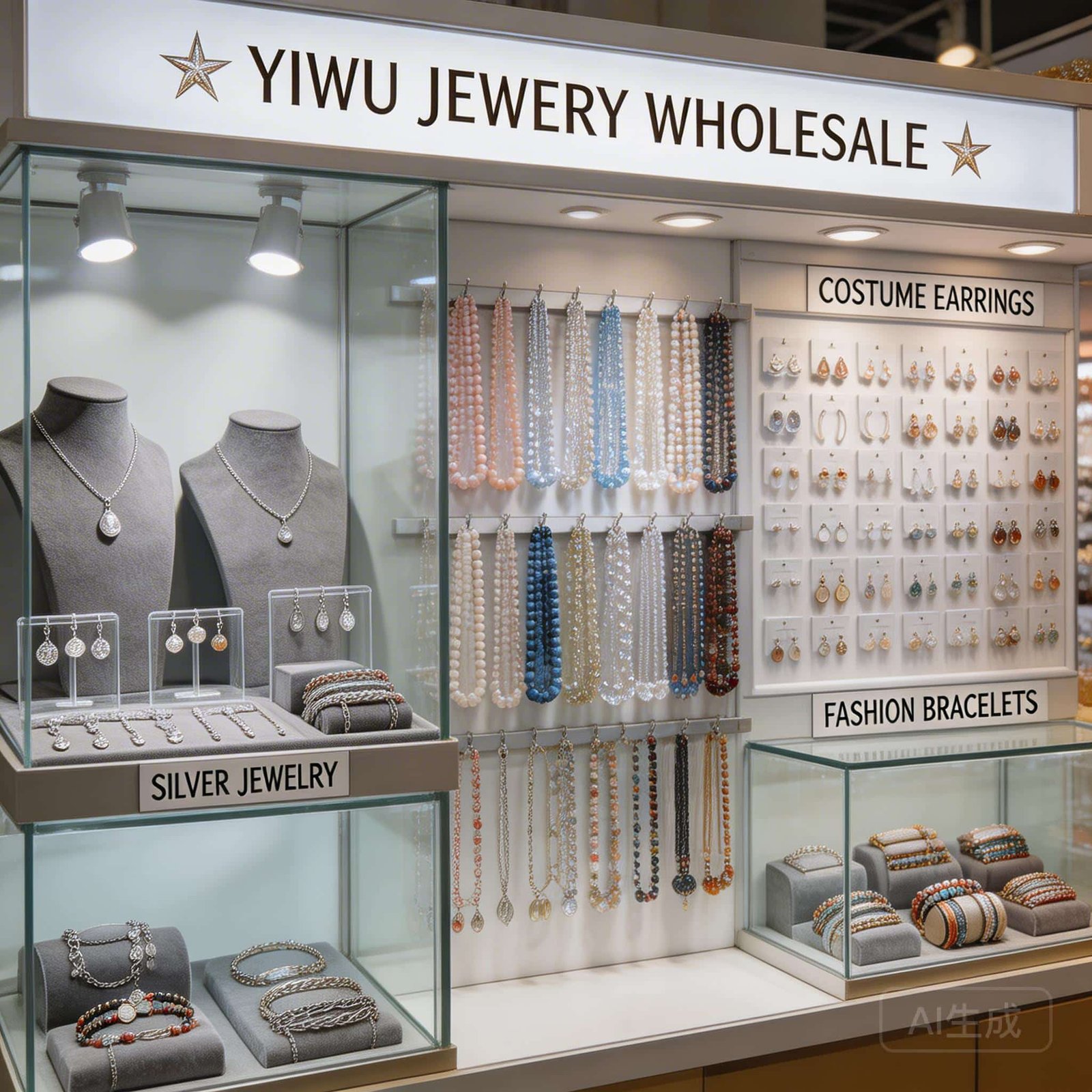
Fashion Jewelry & Accessories
District 1 moves faster than your Instagram feed. If you are not sourcing here every 6–8 weeks, your accessory line is already behind.
District 1: The Nerve Center for Jewelry and Hair Accessories
The fashion jewelry and accessories category is concentrated in Yiwu’s District 1, which houses thousands of booths dedicated to necklaces, rings, earrings, bracelets, and hair accessories. This district is the most visited section for Yiwu accessories wholesale categories for brand owners because the density of suppliers allows you to compare finishes, plating quality, and pricing within a 50-meter walk. A typical necklace or ring supplier in District 1 operates with 50–200 units per style for stock items, which matches the MOQ threshold most first-time brand founders need. See the Yiwu International Trade Market structure on Wikipedia for district mapping details.
MOQs and Profit Margins: The Math Works If You Skip the Middleman
For stock designs in necklaces, rings, and hair clips, MOQs range from 50 to 200 pieces per SKU. Many suppliers in District 1 accept 100-piece minimums for established designs, and some stretch to 50 if you are testing a new style. The retail markup on fashion accessories sourced from Yiwu sits between 60% and 80% — a $2.50 necklace wholesale typically retails for $6 to $12 depending on your branding and packaging. But that margin only holds if you are not paying a trading company markup. Over 50% of booths in District 1 are run by trading companies, not factories, which inflates your cost by 15–30%. For profitable product categories Yiwu for private label, always ask for the factory name before negotiating.
Trend Cycles: Why Sourcing Every 8 Weeks Is Non-Negotiable
Fashion jewelry in Yiwu operates on a 6-to-10-week trend cycle. Styles that sell in March are dead by June. Hair accessories shift even faster — claw clips and scrunchies cycle through material and color trends every 4–6 weeks. First-time brand founders who place one bulk order and sit on inventory for six months lose margin on dead stock. Trend research is not optional. Walk District 1 with a focused list of current search data, or use a sourcing agent who monitors what is moving in real time. The difference between a 70% sell-through rate and a 30% rate is knowing which wave to catch.
Basic vs. Custom Designs: Where the Price Gap Actually Lives
The price difference between a basic stock necklace and a custom design is not in the metal — it is in the mold and packaging. Here is the real breakdown for a typical necklace sold in District 1:
- Basic stock design: $1.20–$2.80 per unit at 100-piece MOQ, no mold fee, supplier handles plating in standard gold/silver.
- Custom design with new mold: $3.50–$6.00 per unit at 200-piece MOQ, plus $150–$400 one-time mold cost per SKU.
- Custom design with existing mold tweak: $2.20–$3.80 per unit at 150-piece MOQ, mold modification fee $50–$100.
- Private label packaging add-on: $0.30–$0.80 per unit for a card and poly bag, with a separate MOQ of 100–300 pieces.
The margin trap most brand founders miss is the packaging. Supplier-provided packaging in District 1 costs 40–60% more than sourcing from Yiwu’s specialized packaging zone — a unique insight that can save you $0.20–$0.50 per unit on your first run. If you plan to negotiate on price, read our guide on How to Negotiate with Yiwu Suppliers before you sit down with a vendor.

Bags, Luggage & Leather Goods
Real talk: Bags are a solid entry category for brand founders — easy logo customization, low MOQs, and high retail markup. But leather quality is where first-time buyers get burned. Sample approval isn’t optional here.
Key Products and Sourcing Hub
Yiwu’s District 2 is the dedicated zone for bags, luggage, and leather goods. You’ll find PU handbags, canvas totes, backpacks, travel duffels, and crossbody bags as the dominant subcategories. For brand founders looking at profitable product categories Yiwu for private label, bags hit the sweet spot: the product is tactile, branded versions command 3x–5x retail markup, and the design variations are endless. District 2 alone spans multiple floors with hundreds of booths, each specializing by material — one row focuses on full-grain leather, the next on vegan PU, another on nylon sports bags.
MOQ Reality for Private Label
Private label MOQs in District 2 typically range from 200 to 500 units per design. That covers custom colorways, logo heat stamping, and branded tags. A handful of suppliers accept 100-unit minimums on simple canvas totes with screen-printed logos. This puts bags squarely within the Yiwu product categories MOQ low minimum sweet spot for first-time brand launches. Compared to electronics or machinery, where MOQs start at 1,000+, bags let you test the market without sinking your entire budget into inventory.
Logo Customization: The Real Advantage
Logo customization on bags is straightforward. Heat stamping, embossing, screen printing, and woven labels are all standard processes that Yiwu suppliers execute daily. Unlike toys or electronics, there are no complex certification delays — your sample with the logo is typically ready within 5–7 business days. That speed matters for brand founders targeting best Yiwu market product categories for Amazon FBA, where seasonal windows close fast. Watch out though: some suppliers charge a separate mold fee (usually $80–$150) for embossing tools. Confirm that cost upfront, not after the quote is accepted.
Leather Quality Variances: The Warning You Can’t Skip
This is where most first-time brand founders lose money. Yiwu suppliers list “leather bags” at wildly different price points — a bag quoted at $8 might use bonded leather (shredded leather scraps glued together with polyurethane), while the $18 version uses genuine top-grain cowhide. Both are labeled “leather.” The bonded leather starts peeling after 3–4 months of use, which kills your brand’s reputation before you’ve even launched a second product line. We’ve seen Amazon return rates hit 18% on bags with undisclosed bonded leather. To protect yourself, request a material sample swatch (not the finished bag) from the same production batch. Ask the supplier for the leather thickness spec in millimeters. Verify against your approved swatch when the production sample arrives. A Yiwu market district product categories map will show you where the genuine leather specialists cluster — the north section of District 2, second floor, is where the higher-end material suppliers sit.
Sample Approval Protocol for Bags
Never approve a bag sample based on a single photo. We require our clients to request three things: a photo of the sample next to a ruler, a close-up of the stitching (8–10 stitches per inch is the minimum for durability on stress seams), and a video of the zipper being opened and closed five times. 30% of bag quality issues we’ve caught in the last two years were hidden in the zipper mechanism — cheap YKK knockoffs that jam after 50 cycles. If you are sourcing bags as a first-time brand founder, insist on a pre-production sample approval before any bulk cut. That single step saves you from receiving 500 units with stitching defects that your target audience will notice within a week of use.
Need help vetting bag suppliers in District 2? Our product sourcing service includes factory verification, sample coordination, and on-the-ground quality checks so you don’t learn leather grade differences the hard way.
Toys & Children’s Products
Most brand founders lose money on toys not because of bad design, but because they skip certification cost calculations before placing an order. CE and ASTM testing can cost more than your first production run.
Product types and profitable entry points for brand founders
Toys and children’s products offer massive upside for private label brands because of their emotional purchase triggers — parents spend freely on safe, engaging products. The main categories you should evaluate are plush toys, educational toys (puzzles, flashcards, STEM kits), and party favors (bubbles, glow sticks, small figurines).
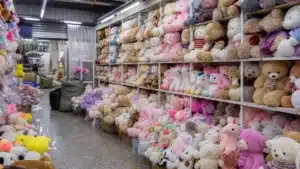
Plush toys are a favorite for beginners because they are low-tech, lightweight for shipping, and highly customizable with embroidery. We’ve seen brand founders start with MOQs as low as 100 pieces for stock items in District 1. Educational toys require slightly more upfront investment in design but command 3x–5x retail markups. Avoid anything with small removable parts unless you budget for choking hazard testing — that’s where compliance costs spike.
MOQ realities and seasonal demand traps
The common claim that Yiwu suppliers require 1,000+ units for toys is outdated. We regularly negotiate MOQs of 100–300 pieces for stock plush and party favor items. The catch is that custom branding (your logo on a tag or packaging) often pushes the MOQ to 500 units for the packaging component. Many brand founders fail to budget for this — they think 100 pieces is sufficient, then realize the label printing alone requires 500 units.
Seasonal demand is the biggest profit-killer for new toy brands. If you order Halloween-themed plush in August, you’ve already missed the buy window for retail channels. Lead times from Yiwu — including production, testing, and sea freight — run 8–12 weeks. That means your Halloween order needs to be placed by June. The same logic applies to Christmas, Easter, and back-to-school. One warning we give all clients: never rely on express shipping to fix a delay. Air freight can eat 30% of your margin.
Safety compliance: CE, ASTM, and CPSIA — the hard costs
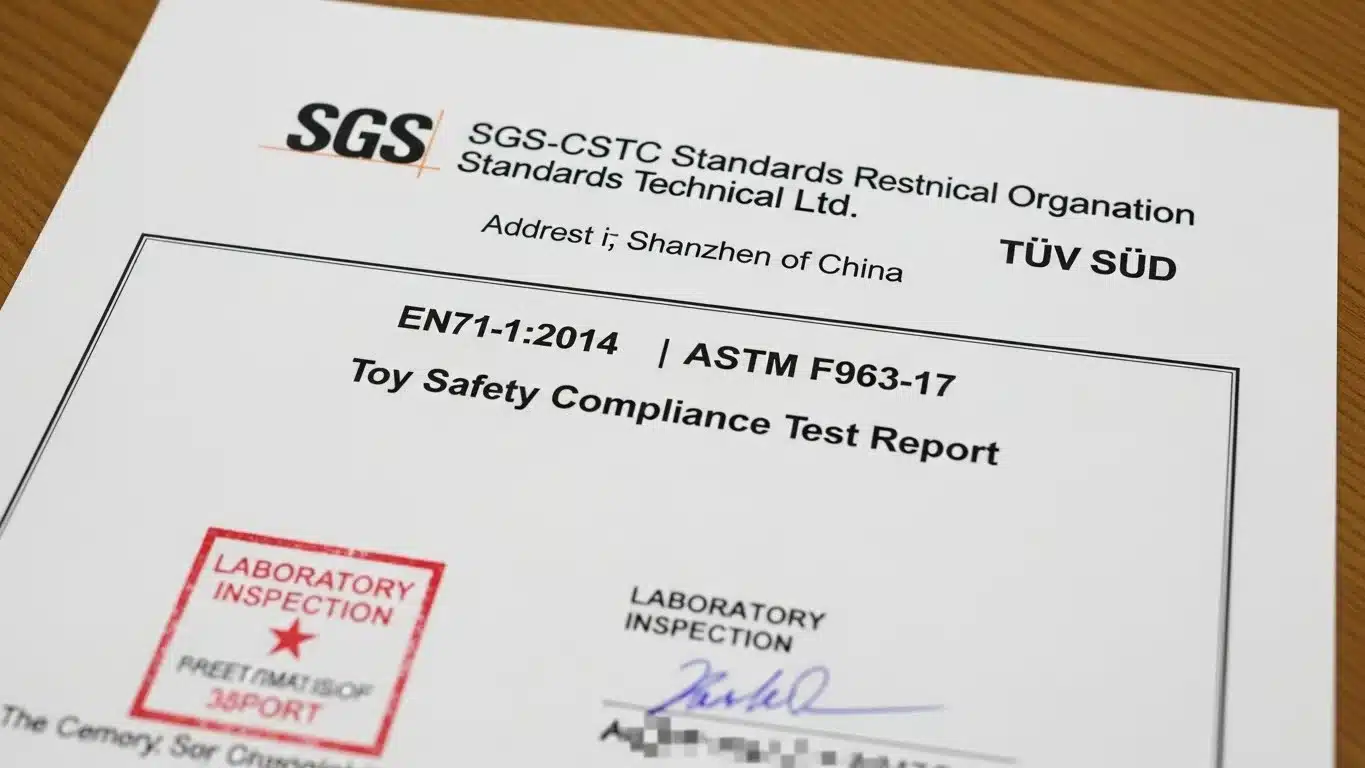
This is where first-time brand founders get burned most often. CE (European) and ASTM (U.S.) certifications aren’t optional — they are legal requirements for selling toys in those markets. CPSIA applies to all children’s products in the U.S. and mandates third-party lab testing. The test reports cost between $800 and $3,000 per product SKU, depending on the complexity (chemical, mechanical, and flammability tests).
We have seen brand founders order 500 plush toys, pay $1.50 per unit, then discover the CE testing costs $2,000 — more than their entire inventory cost. The correct approach is to request existing certification documentation from the supplier before ordering. If they cannot provide a valid report from an accredited lab (CPSC guidelines require ISO 17025 accredited labs), budget for testing upfront. District 1 suppliers in Yiwu generally have better documentation for toys, but always ask for the report number and verify it.
- Plush toys: CE and ASTM for flammability; CPSIA for lead and phthalates in eyes/accessories.
- Educational toys with small parts: Choking hazard testing is mandatory. Suppliers often skip this.
- Party favors: Many are exempt from full testing if classified as “novelty,” but retailers like Amazon require compliance documentation regardless.
Yiwu Market’s District 1, specifically the East and West areas, houses the biggest concentration of toy and children’s product suppliers. You will find plush toys on the first and second floors, educational toys and party supplies on the upper levels. The density of booths is overwhelming — over 10,000 toy-related booths across the district. Our recommendation is to pre-screen categories online using yiwugo.com and shortlist 10–15 suppliers per product type before you visit. Walking blindly through District 1 without a plan leads to decision fatigue and poor price negotiations.
One tactic that works well: ask suppliers in District 1 whether they sell to Amazon sellers already. Those who do will have CPSIA-compliant packaging and bilingual instruction sheets ready. Those who don’t will try to upsold you on their “premium” products that don’t meet certification standards — walk away.
Trending toys: fidget toys and STEM kits — are they worth it?
Fidget toys remain a high-volume, low-margin category. The wholesale cost for a standard fidget spinner or pop-it is $0.30 to $0.80, and retail pricing hovers around $3 to $6. That looks great on paper, but competition on Amazon and TikTok Shop is brutal. Brand differentiation in fidget toys requires custom colors, unique packaging, or branding that ties into a specific audience (e.g., “stress relief for office workers”). Without that, you are competing on price with 500 other sellers using the same Yiwu suppliers.
STEM kits (science experiments, robot building, crystal growing) are a better bet for brand founders who want defensible products. They are harder to replicate, command $15–$30 retail, and have a higher perceived value. The MOQ for a custom STEM kit with a branded box is typically 500–1,000 units. But the margin after testing and packaging still lands at 40–50% — solid for a first brand launch. Our clients who succeed with STEM kits invest in the instruction manual translation and regulatory compliance upfront, not after the order is placed.
Home Decor & DIY Crafts
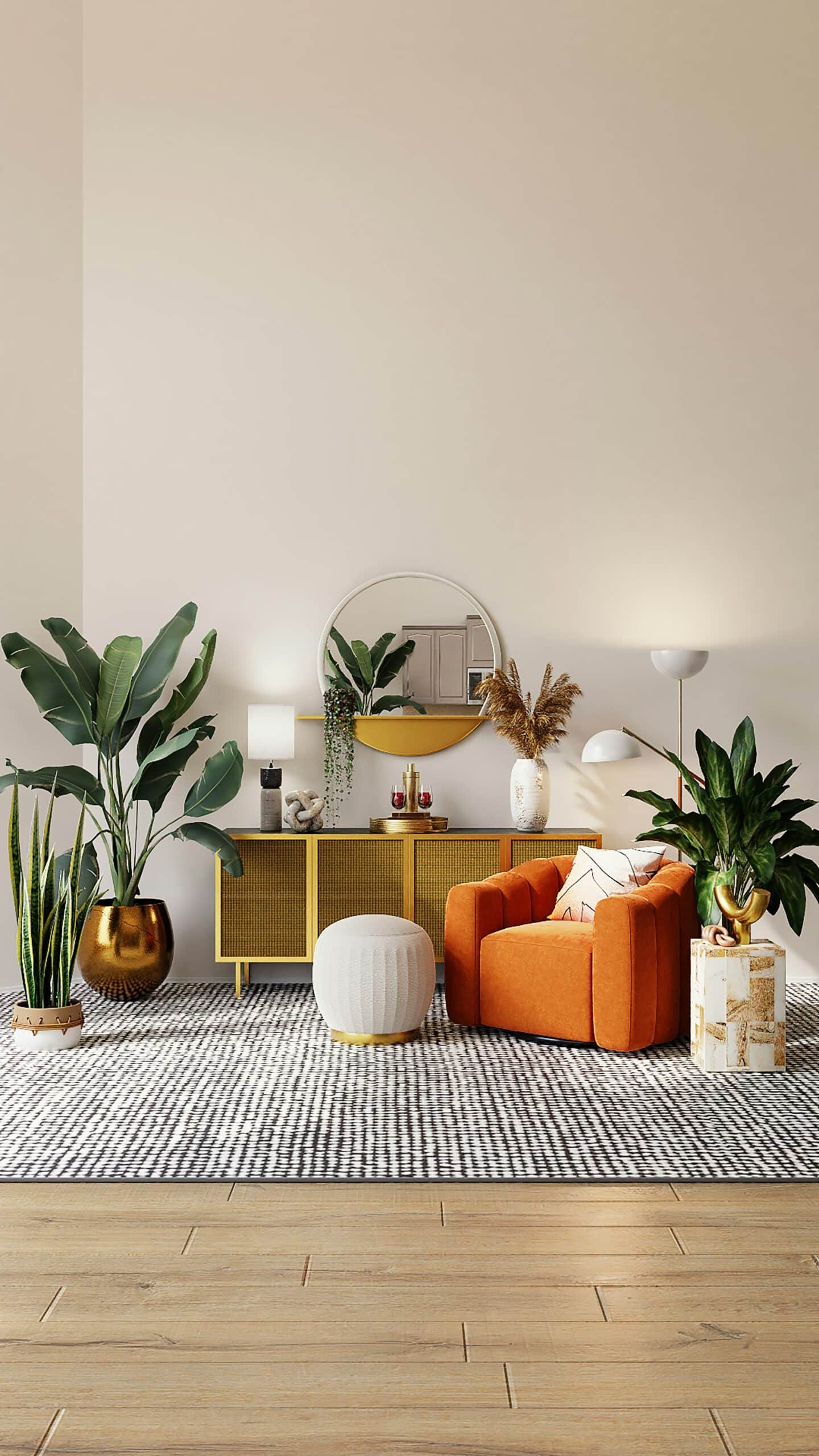
Home decor is the lowest-risk entry point for first-time brand founders in Yiwu — stable demand, easy differentiation, and wholesale costs under $3.
If you’re looking for profitable product categories Yiwu for private label, home decor and DIY crafts should be near the top of your list. Unlike electronics or fashion, this category doesn’t require trend-hunting every 45 days. Demand is stable year-round, and the products are forgiving enough for a first sourcing run. The main products here — wall art, candles, vases, and artificial flowers — all share a common trait: they’re visual purchases. A buyer decides in under 3 seconds. That makes packaging and presentation everything, which is exactly where Yiwu’s advantage kicks in.
Products and price structure
The typical wholesale cost for home decor items in Yiwu ranges from $0.50 to $3 per unit depending on material complexity and finishing. A basic ceramic vase with a matte glaze runs around $0.80. A scented candle in a glass jar with a bamboo lid hits $2.50. On the retail side, the same products sell for $8 to $15 on Amazon or Etsy. That’s a 3x to 5x markup before shipping, which leaves plenty of room for ad spend and profit even after freight costs. The key is choosing items that photograph well and don’t demand heavy customer support — no batteries, no complicated assembly, no sizing returns.
District 4 and the home decor streets
When you visit the Yiwu International Trade City, head straight to District 4. This is where the bulk of home decor wholesalers are concentrated. But don’t stop at the main building. The surrounding home decor streets — especially along Chouzhou North Road and the side alleys off District 4 — house dozens of smaller factories that offer better pricing and more flexible MOQs than the main floor vendors upstairs. Many of these street-level suppliers produce exclusively for export and are accustomed to working with Yiwu product categories MOQ low minimum buyers. I’ve walked those streets with clients and found suppliers willing to do 100-unit runs on candle sets that the booth vendors inside the market wouldn’t touch under 500.
White-label and private label packaging at half cost
Here’s the insider edge that most articles skip. Yiwu’s home decor suppliers offer white-label products — generic items with no branding — at the base prices I quoted above. But what separates a commodity seller from a brand is packaging, and Yiwu’s specialized packaging zone (concentrated in District 3 and the Chengyi Road area) can produce private label boxes, inserts, and sleeve wraps at 40–60% less than US alternatives. A custom-printed mailer box for a candle that costs $0.90 from a US printer runs $0.35 in Yiwu. A hang tag with your logo: $0.04. The total packaging cost for a home decor item typically adds $0.25 to $0.60 per unit depending on complexity. That’s how you turn a $2 wholesale vase into a $15 branded product that looks like it belongs in a boutique. Most brand founders pay 2x to 3x more by buying packaging from their product supplier instead of going directly to the packaging district. That’s a costly mistake. You can read more about packaging strategy in our article on how a new seller built a product line from Yiwu.
Why this category is low-risk for first-time brands
Three reasons. First, no safety compliance headaches. Unlike toys (which need CE and ASTM certification) or electronics (which need RoHS), home decor items like vases, artificial flowers, and candles typically require only basic product safety documentation. A candle needs a burn test report and a label warning. A ceramic vase needs a lead/cadmium test if it’s food-contact, but most decorative vases avoid that requirement entirely. Second, returns are minimal. A customer who buys a $12 artificial flower arrangement isn’t going to return it for a minor color variation. The return rate on home decor typically runs 2–4%, compared to 10–15% for apparel. Third, differentiation is visual, not technical. You don’t need a proprietary formula or a patented mechanism. You need good photography and consistent quality. The best Yiwu market product categories for Amazon FBA often include home decor precisely because the barrier to entry is low and the margin structure is forgiving.
Real scenario: What happens when you skip sample verification
A client of ours launched a line of scented candles sourced from a Yiwu supplier in District 4. The samples smelled great and the glass jars looked premium. First production run: 300 units. When the container arrived at their US warehouse, 40% of the candles had frosting on the glass — a white film that won’t wipe off. The supplier had switched to a cheaper glass supplier without telling anyone. The candles were unsellable at the planned $14.99 price point. They had to discount to $5.99 to move inventory. The lesson: always request third-party inspection on the full production batch, not just the samples. If you’re sourcing Yiwu product categories for home decor and kitchenware, glass quality, fragrance load, and wick consistency are the three things that will kill your margin if they slip.
MOQs and getting started
For Yiwu wholesale product list for small business 2026, home decor is one of the most accessible categories. Stock items — generic white vases, standard artificial flower arrangements, basic pillar candles — carry MOQs of 100–300 units per SKU. Custom colors or scents push that to 500–1,000. Private label packaging adds about 2 weeks to lead time and raises the MOQ on packaging itself to around 200–500 units depending on complexity. Total startup cost for 3 SKUs with custom packaging: roughly $1,500–$3,000 including samples, product, packaging, and freight. That’s less than the cost of a single Amazon PPC test campaign. If you want to skip the risk of vetting suppliers yourself, our product sourcing service handles factory verification, price negotiation, sample coordination, and small batch logistics — matching you with vetted home decor suppliers in District 4 and the surrounding streets.

Packaging & Display Materials
Custom packaging sourced from Yiwu’s specialized packaging zone costs 2–3x less than supplier-provided packaging — and over 90% of first-time buyers miss this.
Custom Boxes, Retail Displays & Shipping Mailers
The secret weapon for brand founders is the packaging and display category. You can get custom-printed rigid boxes, Kraft corrugated mailers, folding cartons, acrylic retail displays, and poly mailers — all from Yiwu suppliers who do nothing else. The price gap is massive: a custom printed 18x12x2 rigid box that runs $2.80–$4.50 in the US will cost you $0.90–$1.70 from Yiwu, depending on quantity and finish. That’s a 40–60% savings on a line item that directly affects your brand’s shelf appeal.
Most brand founders default to paying their product supplier for packaging — and that’s a trap. A supplier will add a 25–40% markup and often uses a generic printer. By going directly to a packaging specialist in Yiwu’s District 3, you control the design, material, and cost. The only catch: you must order separately and manage the logistics yourself, which is where a sourcing agent becomes worth every cent.
Minimum Order Quantities for Packaging
MOQs here are friendlier than most first-time buyers realize. You can start with:
- Custom labels and stickers: 50–100 units per design — perfect for proof-of-concept runs.
- Custom shipping mailers (poly or Kraft): 200–300 units for standard sizes with 1-color print.
- Retail displays (acrylic, wire, cardboard): 100–300 units, but expect tooling costs for acrylic.
- Custom boxes (rigid or folding): 300–500 units for simple structures, up to 1,000 for foil stamping or embossing.
For a brand founder launching a single SKU with a 500-unit first order, a 500-unit custom box run is feasible — especially when the unit cost is under $2. Many suppliers also offer FSC-certified paper options, which matters if you’re selling on Amazon or targeting eco-conscious buyers. For example, our sourcing team recently helped a home decor brand get 300 custom candle boxes with a matte lamination for $1.12 each — a close match to their $3.20 US mockup.
District 3 and Specialized Packaging Zones
Yiwu’s District 3 isn’t just for stationery and cosmetics — the surrounding specialized zones on Chouzhou North Road and Shangcheng Avenue house hundreds of packaging factories and traders. These are not the same booths that sell gifts and trinkets; they are dedicated packaging suppliers who understand print tolerances, material substrates, and die-cutting. When you visit or send an agent, ask for the “Stamping & Gift Box Street” — a cluster of suppliers that do low-volume custom runs with fast turnaround.
One insider note: many packaging suppliers in these zones are actual factories with 5–15 years of export experience, not trading companies. The ratio of direct factories is higher here than in general commodity sections, which reduces your verification headache. But always request a sample first — paper color, thickness, and crease quality can vary widely. For a real-world example of how a brand founder used Yiwu packaging to launch on Amazon, check out our case study How a New Seller Built a Product Line from Yiwu — the packaging strategy section alone saved them $1,200 on the first 500 units.
| Type de produit | MOQ | Cost vs US (Packaging Zone) | Key Advantage |
|---|---|---|---|
| Custom Boxes | 500 units | 40–60% less | Private label ready; 2–3x cheaper than supplier-provided |
| Retail Displays | 200 units | 50% less | Custom shapes; boosts shelf appeal |
| Shipping Mailers | 500 units | 45% less | Durable poly mailers; eco-friendly options |
| Custom Labels/Stickers | 50 units | 60% less | Fast turnaround; perfect for small batches |
Categories to Avoid for Brand Founders
Hard truth: Yiwu is built for low-tech, high-touch commodities. Push it into high-stakes manufacturing, and you’ll burn your budget on failed certifications and inventory that can’t be sold.
High-Tech Electronics – The Certification Trap
This is the single biggest money pit for first-time brand founders. A typical “smart speaker” or “Bluetooth earbuds” sourced from Yiwu’s electronics section might cost $3.50 FOB. The problem? Over 40% of these units fail FCC Part 15 and CE EMC testing on the first try. That means you spend $2,000–$4,000 on re-engineering and retesting before you can legally sell.
Yiwu suppliers are not component-level manufacturers. They assemble from generic modules. If you need RoHS compliance for electronics accessories or any RF certification, you’re better off in Shenzhen’s Huaqiangbei, where engineers can tweak PCBs on the same floor. Yiwu’s strength stops at basic gadgets like LED keychains and phone cases — items with no active electronics.
Heavy Machinery & Industrial Tools – MOQ Reality Check
If your MOQ budget is under $50,000, you have no business sourcing heavy machinery in Yiwu. The “manufacturers” you meet in the market are traders who mark up 20–40% and have zero after-sales support for mechanical failures. For power tools, pumps, or agricultural equipment, sourcing from specialized industrial clusters like Yongkang (hardware) or Xuzhou (construction machinery) gives you genuine factory backups and spare parts availability. Yiwu’s heavy machinery stalls are built for on-the-ground buyers who inspect and take delivery immediately — not for brand founders managing remote supply chains.
High-Fashion Garments – The Quality Variance Problem
Yiwu can produce a “designer-inspired” jacket for $12. But the stitching tolerance will be ±3mm, the zipper supplier changes per batch, and fabric composition often deviates from the spec sheet by 5–10%. For a brand founder, that inconsistency kills your return rate. Guangzhou’s Shaxi or Zhongda fabric markets offer premium garment manufacturing with guaranteed fabric sourcing, lower sampling costs, and factories that handle margin-driven order quantities starting at 300–500 units. Yiwu’s garment district works for fast-fashion resale, not for repeatable brand quality.
Why These Categories Fail for Brand Founders
- Quality inconsistency: Over 50% of Yiwu “manufacturers” are trading companies — they source from multiple third-party workshops, so batch-to-batch quality is unpredictable. For electronics and garments, this variance kills certification and returns.
- Non-specialized suppliers: A booth selling fashion accessories may also list Bluetooth speakers. That lack of focus means deep technical knowledge is absent — you can’t trust their advice on material specs or safety standards.
- High MOQs for custom runs: While stock item MOQs are low (50–100 units), custom electronics or private-label garments in Yiwu often push to 1,000–3,000 units. That exceeds the 500-unit ceiling this audience can risk.
The Regional Sourcing Map
If you’re looking for profitable product categories Yiwu for private label, stay in low-risk goods. Electronics go to Shenzhen. Premium apparel goes to Guangzhou. Heavy machinery goes to specialized industrial hubs. Yiwu dominates in accessories, home decor, bags, and packaging — categories where trading company margins are offset by low unit costs and high retail markups. Stick to that lane, and your first private label launch stays within the 50%+ profit margin target.

How to Verify Suppliers for Your Category
Over 50% of Yiwu “manufacturers” are actually trading companies. Skipping verification means you are not buying from the source, and you will pay for it in price and quality.
Checking Factory Status: Is It Real or Just a Booth?
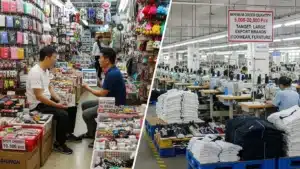
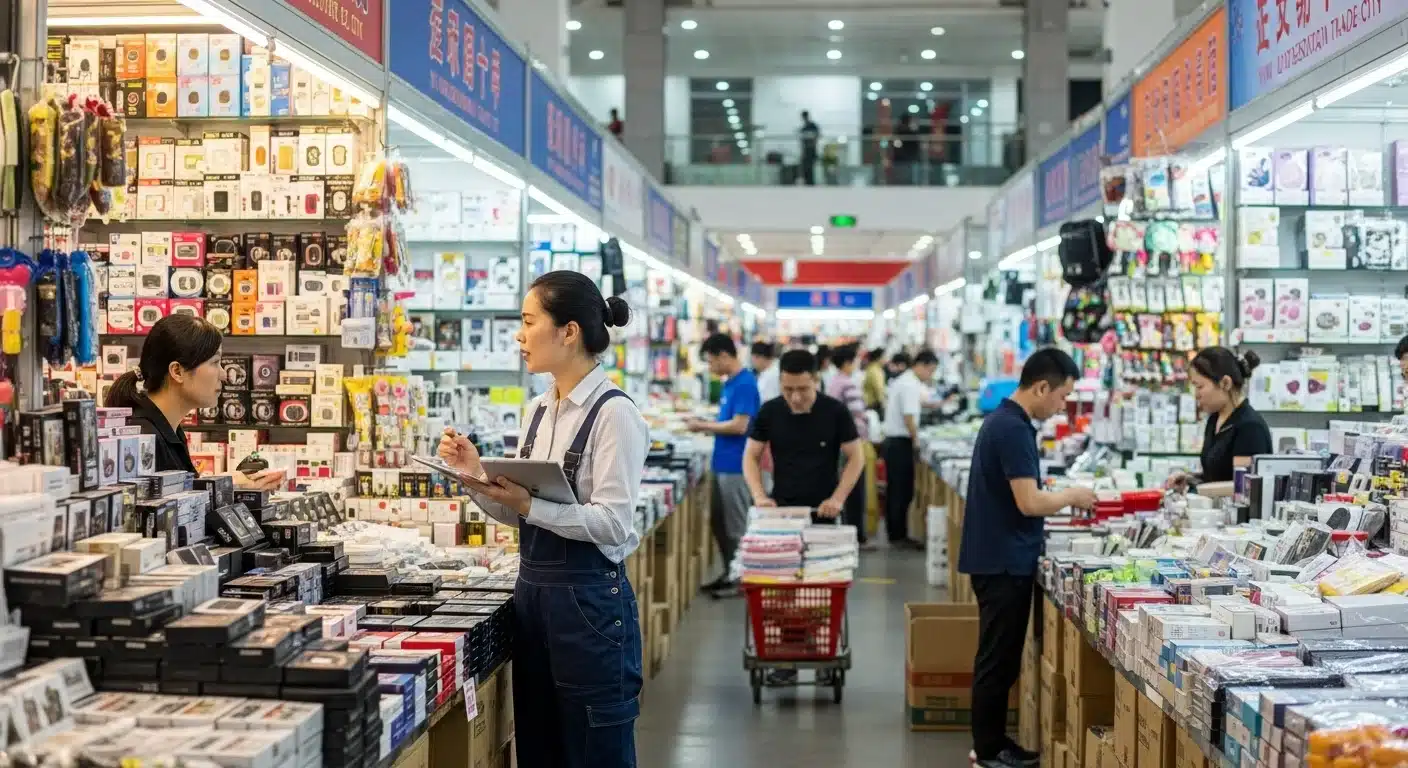
The first hard truth you need to accept: walking into a booth in Yiwu Market does not mean you are talking to a factory. The person behind the counter could be a trader sourcing from three different towns. You can check this by asking for the factory’s exact address and cross-referencing it on Baidu Maps or Google Maps. If the address points to a residential building or a multi-tenant office park, you are dealing with a middleman. Our agents do this for every supplier before we introduce them to a client. The cost of skipping this step is simple: you lose control over your supply chain and your pricing floor.
Using Yiwu Agent Services: The Only Shortcut That Works
You can find suppliers on your own, but you will waste months verifying who is real. A professional Yiwu sourcing agent provides a direct pipeline to verified factories. We have boots on the ground who can walk to the factory, check the production line, and confirm the owner’s identity within 24 hours. This is not a luxury—it is a risk management tool. When you use a service like ours, you are buying the assurance that your deposit is going to someone who actually owns the machinery.
Requesting Factory Audit Reports: What to Look For
A real factory will have a recent third-party audit report from a firm like SGS, Bureau Veritas, or TÜV Rheinland. Do not accept a self-declared “factory audit.” Look for the audit date—anything older than 12 months is stale data. The report should cover the number of workers, production capacity per month, and machinery list. If a supplier hesitates or says an audit is “unnecessary,” that is a red flag. We have seen suppliers share fake audit reports where the logo was photoshopped—request the PDF directly from the auditing firm if you are serious.
The Verification Checklist
- Business License: The name on the license must match the factory name, not the trading company name. Check the “business scope” field—it should explicitly list “manufacturing” not just “wholesale.”
- Sample Photo: Ask for a photo of the product next to a current newspaper or a handwritten sign with the date. This proves the sample exists in their inventory and is not a stolen image from another supplier.
- Third-Party Inspection: Before shipping, pay for a third-party inspection company to check the goods. This is a non-negotiable cost, typically USD 200–400 per container. It is cheaper than receiving a container of defective products.
This checklist is the minimum bar. If a supplier cannot clear these three points, move on. There are 75,000+ booths in Yiwu—you will find another.
Conclusion
Yiwu offers brand founders low-MOQ access to profitable categories like accessories, home decor, and packaging with 2x-5x retail margins. But 50%+ of suppliers are trading companies, not factories — so skipping verification risks your launch.
Let our sourcing team vet factories in your chosen category and handle the logistics. Explore our product sourcing services to get matched with vetted suppliers.
Questions fréquemment posées
What is the Yiwu Market famous for?
Yiwu Market is famous for being the world’s largest wholesale market with 75,000+ booths across 5.5 million square meters, supplying everything from Christmas decorations (70% of global supply) to fashion accessories, toys, and home goods. It’s known for low MOQs and high product variety, making it a go-to for small businesses and brand founders. But the sheer scale means quality and supplier legitimacy vary widely, so you must verify factory ownership. Always verify factory ownership before committing large orders.
What are the best China wholesale websites?
The most reliable China wholesale websites for Yiwu sourcing include yiwugo.com (the official market platform), Alibaba.com, and 1688.com, but a local sourcing agent often yields better prices and quality control than any website. Yiwugo.com lists thousands of suppliers with direct booth contact, while Alibaba offers buyer protection but higher markups. For serious brand founders, using an agent from Yiwu is more effective than relying solely on website listings. Combine online research with on-the-ground verification for best results.
What are the major industries in Yiwu?
The major industries in Yiwu are fashion accessories, bags and luggage, toys and children’s products, home decor, and packaging materials, all concentrated in specific districts of the market. These categories have high supplier density, low MOQs (50-300 units), and strong e-commerce demand. Other significant industries include Christmas decorations, hardware, and daily necessities. Focus on these core industries for the best margins and supplier competition.
What is the market structure of Yiwu?
Yiwu Market is structured into five main districts, each specializing in different product categories, with District 1 focused on fashion accessories and toys, District 2 on bags and luggage, and others on home goods, hardware, etc. The market spans 5.5 million square meters with over 75,000 booths, organized by product type to make sourcing easier. But over 50% of suppliers are actually trading companies, not manufacturers, so you must verify factory ownership. Always ask for factory photos or visit in person to avoid middlemen.
What product categories should I avoid in Yiwu?
You should avoid categories with sparse supplier listings, high quality variance, or complex compliance requirements such as electronics, high-end leather goods, and products requiring strict safety certifications without prior verification. Electronics often lack genuine manufacturers and have higher counterfeit risk, while leather goods vary widely in quality. Stick to categories with dense supplier competition like fashion accessories and toys for safer sourcing. If you cannot verify factory ownership or sample quality, skip that category.