Justin
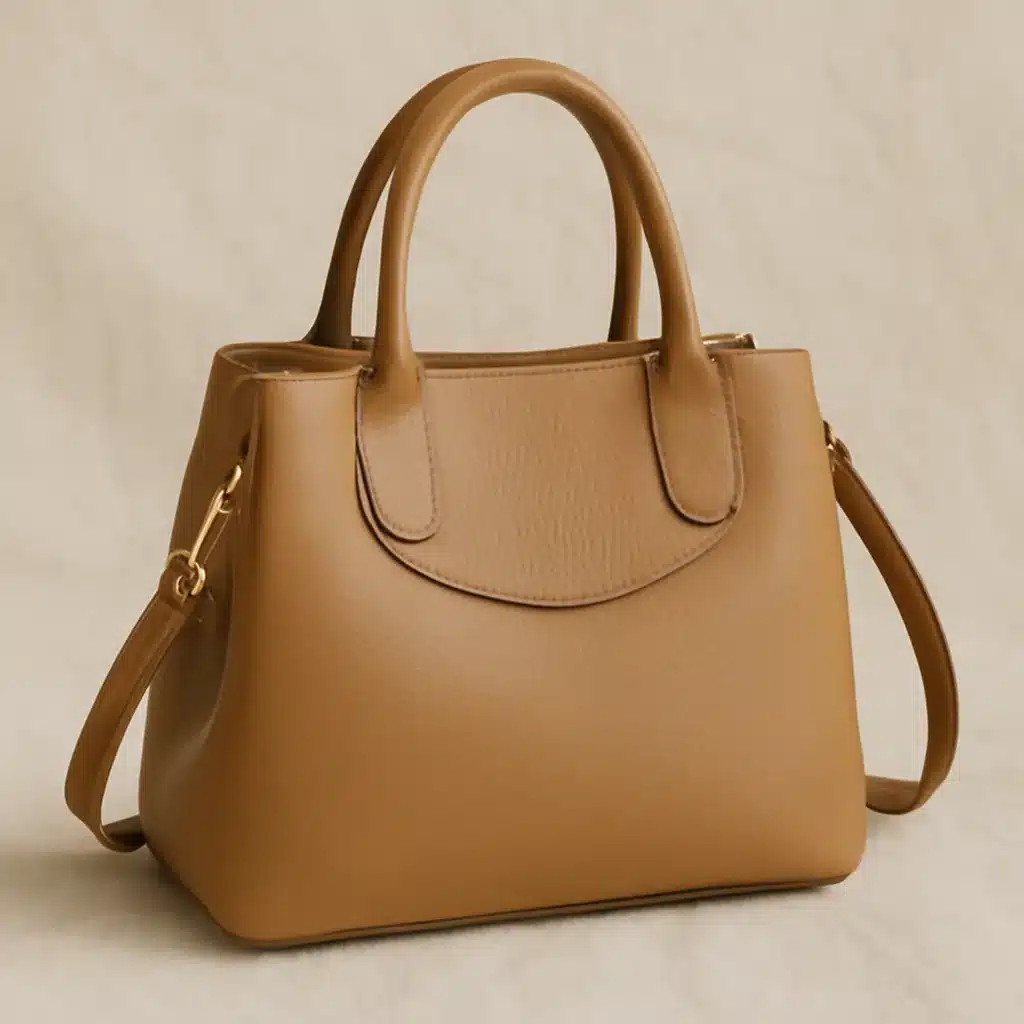
Yiwu bags and luggage sourcing covers backpacks, handbags, totes, travel cases and accessories from a deep range of booths, mostly in the hardware-and-luggage districts. It is an easy category to start and a deceptively technical one to get right, because a bag lives or dies on the parts you cannot see in a photo: the zipper, the stitching, the hardware and the material behind the finish.
Key Takeaways
- Yiwu covers backpacks, handbags, totes, suitcases and travel accessories.
- Material grade and hardware quality decide durability, not the look.
- Zippers, seams, wheels and handles are the parts that fail first.
- PU/PVC and dyes can trigger REACH limits in the EU.
- Minimums are often low for stock, higher for custom branding.
- Pull-test and load-test samples before you order.
Bags are one of many categories in the market — see the full Yiwu product categories guide, and for the full buying process start with our complete Yiwu sourcing guide.
Why Yiwu for Bags and Luggage
Yiwu’s luggage and accessory booths run deep on trend bags, school backpacks, promotional totes and travel cases at low minimums, which suits variety retailers and online sellers chasing fast turnover. For heavy, hard-shell luggage with serious tooling, a specialist factory may beat Yiwu, but for soft bags and a broad accessory range in one container, the market is hard to beat.
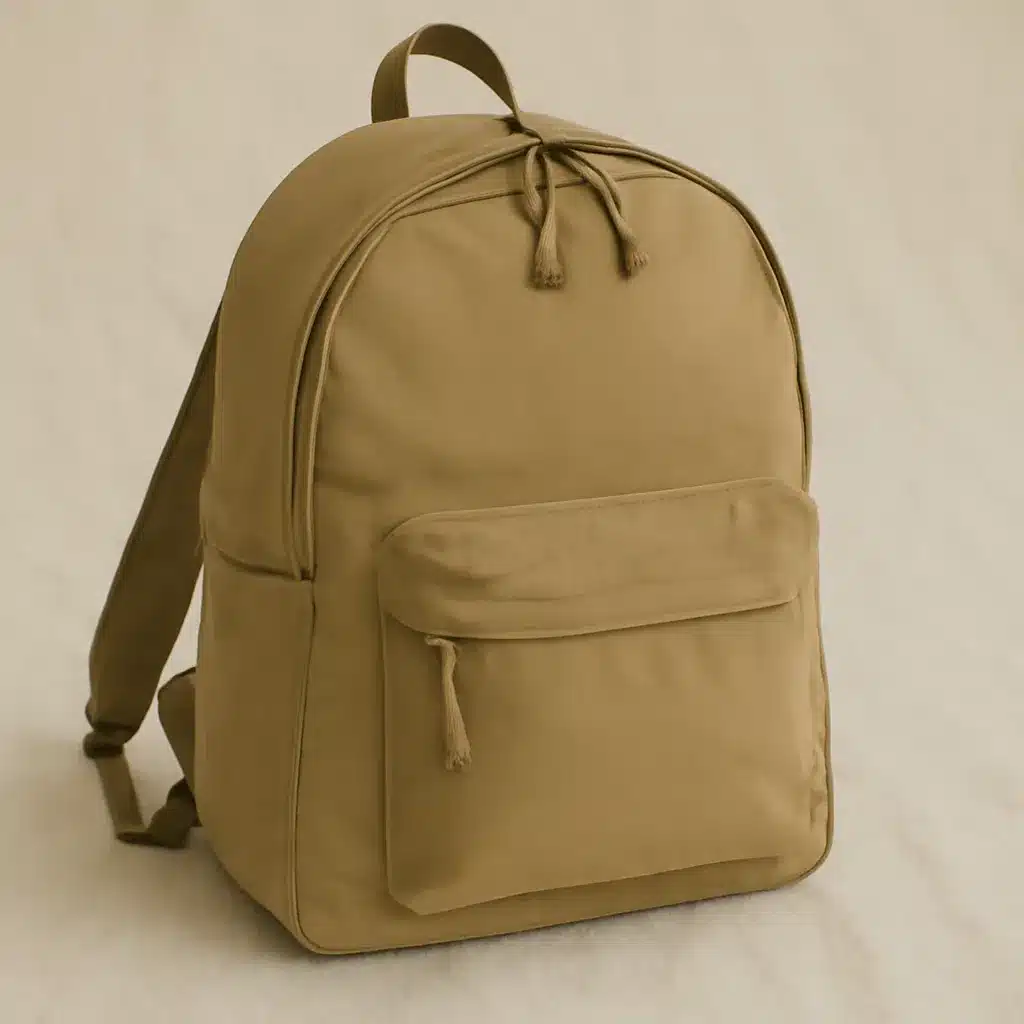
What Bags You Can Source
Materials and Compliance
Bag compliance depends on the material, market and use, so confirm specifics with a testing lab. The main flag is chemicals: PU and PVC coatings, plus certain dyes, can fall under EU REACH restrictions for phthalates and azo dyes. Bags aimed at children carry additional safety rules in many markets, and promotional or food-adjacent bags may face their own requirements. Match the material to the destination before you commit.
| Material | Pros | Watch out |
|---|---|---|
| Polyester / nylon | Durable, cheap, light | Tear strength on cheap deniers |
| PU leather | Looks premium, low cost | Peeling; REACH on coatings |
| Genuine leather | Premium feel, durable | Cost, tanning chemicals |
| Canvas / cotton | Eco appeal, printable | Fraying, colorfastness |
A bag’s first failure is almost always the zipper or a seam. Pull-test the zipper through hundreds of cycles and load-test the straps and handle on the sample before you trust the bulk run.
Bags and Luggage at a Glance
| Bag Type | Common Material | Main Risk | Typical MOQ | Key QC Point |
|---|---|---|---|---|
| Backpacks | Polyester, nylon | Strap/seam failure | 100-500 pcs | Load + stitching test |
| Handbags | PU, canvas | Finish, hardware | 100-500 pcs | Zip cycle + finish check |
| Suitcases | ABS/PC, polyester | Wheels, handle, zip | 300-1,000 pcs | Roll + drop + handle test |
| Totes/promo | Non-woven, cotton | Print, fraying | 500-2,000 pcs | Print durability, seam |
MOQ and Pricing
Stock bags often start from 100-500 pieces, while custom colors, materials or branded hardware push minimums toward 500-2,000 and add 20-40 days of lead time. Price moves on material grade, hardware (a quality zipper costs more than a generic one), and construction; the cheapest quote almost always uses a thinner material or a zipper that fails in a season.
What We Check on a Bag Supplier
Quality Pitfalls
The recurring bag complaint is hardware: zippers that jam, wheels that seize, handles that detach. None of it shows in a listing photo, and all of it shows on the sample if you test it. Lock the sample, specify the zipper and hardware in writing, and inspect the bulk against it. A supplier who will not name the zipper brand is telling you it is the cheapest one available.
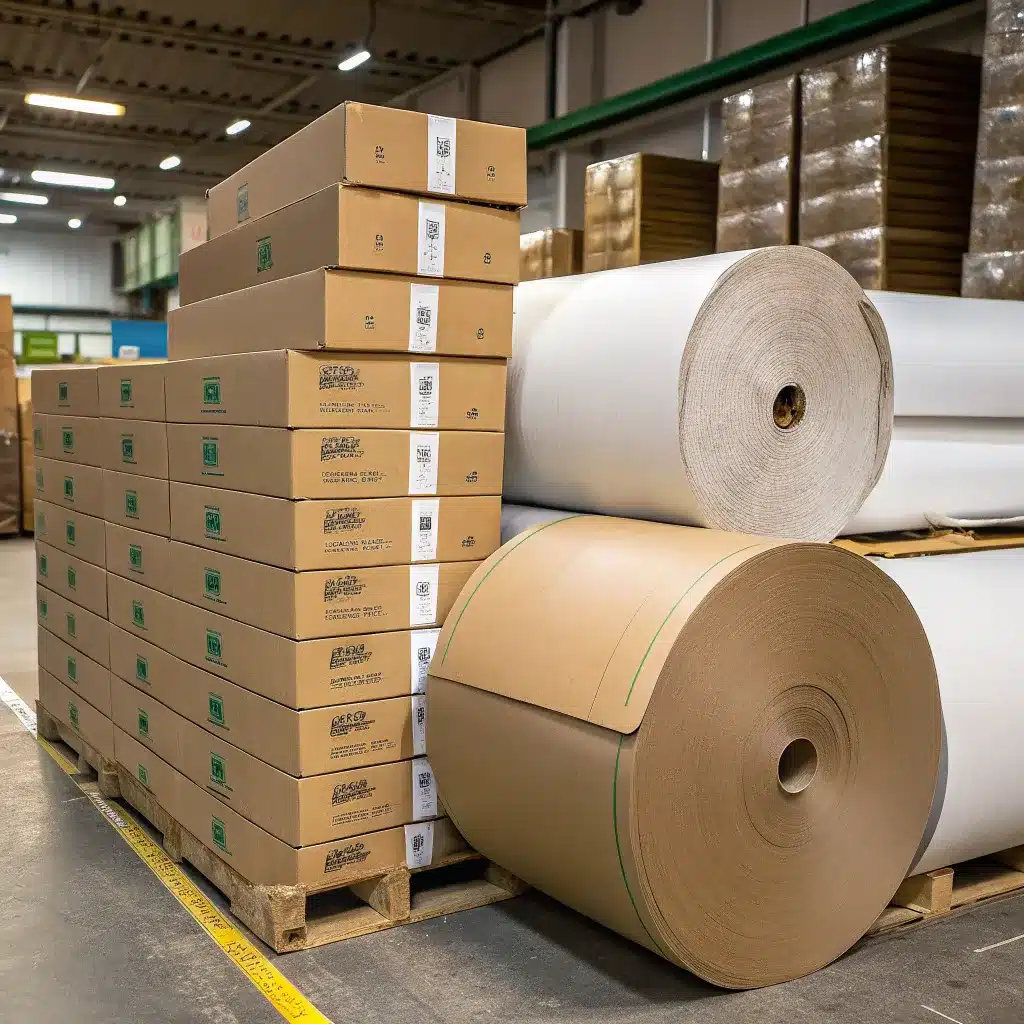
Bags reward inspection — see our Yiwu quality inspection guide for the process before you pay the balance.
Custom Branding and OEM Bags
Most bag buyers eventually want their own brand, and Yiwu supports it — custom colors, woven labels, printed logos, custom hangtags and packaging. Customization typically lifts the minimum toward 500-2,000 pieces per design and adds 20-40 days of lead time for sampling and production. Always approve a pre-production sample with your exact logo, hardware and color before the bulk run, because a logo in the wrong place or a mismatched zipper pull on 1,000 bags is an expensive lesson.
Shipping Bulky Bags and Luggage
Bags and especially suitcases are bulky and light, so they cost out on volume, not weight — a container of backpacks fills up long before it hits a weight limit. Nesting smaller bags, flat-packing where possible, and compressing soft goods can sharply cut the cubic meters you pay for. Consolidate across booths into one container and agree the packing method in writing, or you will literally ship air.
Common Bag Sourcing Mistakes
- Approving a bag on looks without pull-testing the zipper and straps.
- Not naming the zipper brand, so the bulk run gets the cheapest one.
- Ignoring REACH on PU/PVC coatings for EU-bound goods.
- Skipping a pre-production sample on custom-branded orders.
- Forgetting that suitcases cost out on volume, not weight.
How to Choose the Right Bag Material
Material is the decision that quietly sets both your cost and your return rate, so choose it against the use, not the photo. Polyester and nylon are the workhorses for backpacks and sports bags — light, durable and cheap — but the denier rating matters, and a too-thin fabric tears at stress points within a season. PU leather gives a premium look at low cost, but cheaper coatings peel and can trigger REACH limits on EU-bound goods; genuine leather lasts but carries cost and tanning-chemical considerations. Canvas and cotton suit eco-positioned and printable totes, with fraying and colorfastness as the things to test.
Whatever you pick, the hardware decides whether the bag survives. Specify the zipper brand in writing and run a cycle test, load-test the straps and handles to the weight the bag will really carry, and on wheeled luggage roll and drop the sample before you trust the run. A bag is a system of parts, and the cheapest part is where it fails, so the quote you accept should be for a defined material and hardware spec, not a vague ‘same as the sample’.
- Match fabric and denier to the bag’s real use.
- Specify the zipper brand and cycle-test it.
- Load-test straps, handles and wheels on the sample.
- Check PU/PVC coatings against EU REACH for EU-bound goods.
- Buy to a written material-and-hardware spec, not ‘same as sample’.
Example: Ordering 1,000 Branded Backpacks
Here is how a careful first order runs. A buyer shortlists three booths for a 1,000-unit branded backpack, then requests samples with the target fabric and a named zipper brand. They cycle-test the zipper, load the straps to 10kg, and confirm the PU coating meets EU REACH for their market. They approve a pre-production sample with their woven logo in the right place, lock it as the standard, and place the order at 30% deposit. Before the 70% balance, an inspector checks the bulk against that sample at AQL Level II, and the goods consolidate into one container with the buyer’s other lines.
The whole order turns on two things done early: a named-hardware sample and a pre-production logo approval. Skip either and you discover the problem on 1,000 finished bags.
Conclusion
Yiwu bags and luggage sourcing is won on the parts you cannot photograph: the zipper, the stitching, the hardware and the material grade. Lock and test the sample, specify the hardware, and inspect the bulk. Do that and Yiwu delivers a wide, durable bag range at trade prices.
Questions fréquemment posées
Is Yiwu good for sourcing bags?
Yes. Yiwu has deep ranges of backpacks, handbags, totes and travel cases at low minimums. The work is verifying material grade and hardware, since durability lives in parts you cannot see in a photo.
What is the MOQ for Yiwu bags?
Stock bags often start from 100-500 pieces; custom colors, materials or branding raise the minimum toward 500-2,000 and lengthen lead times.
Do bags from China need compliance testing?
Sometimes. PU/PVC coatings and certain dyes can fall under EU REACH, and children’s bags carry extra rules. Confirm requirements for your material and market with a testing lab.
Why do cheap bags fail quickly?
Usually the zipper, seams or hardware. Lock a sample, specify the zipper brand and hardware in writing, and inspect the bulk against it before paying.
About the author: Written by the ChineseYiwu Sourcing Team — based inside the Yiwu International Trade City since 2005, with 50+ sourcing specialists and QC inspectors serving importers in 100+ countries.