Justin
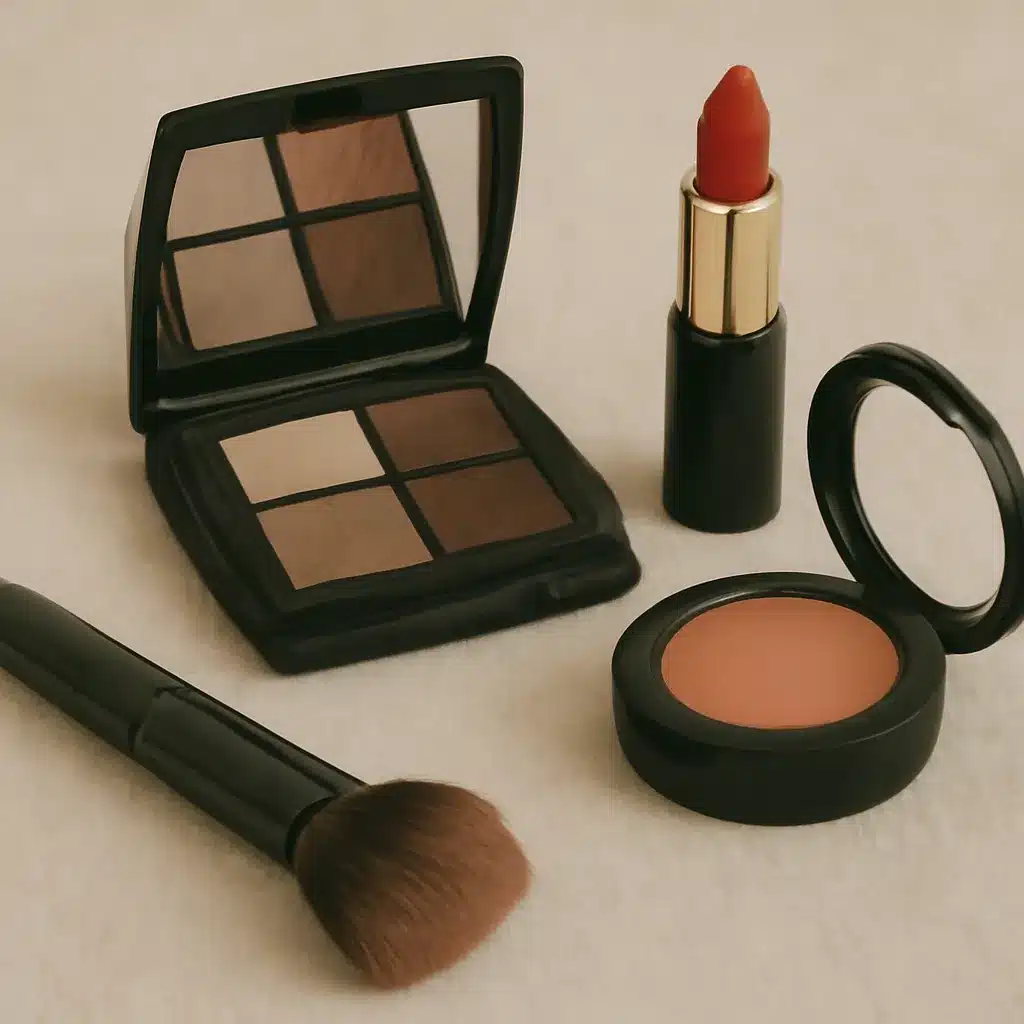
Yiwu beauty and cosmetics sourcing has exploded with the rise of District 6, where skincare, color cosmetics, tools and packaging now sit under one roof. It is a tempting category — low minimums, fast trends, high margins — but it is also the most heavily regulated thing you can import, because anything that touches skin carries a safety file you inherit the moment you brand it.
Key Takeaways
- Yiwu covers skincare, color cosmetics, brushes, tools and packaging — much of it in District 6.
- Cosmetics are regulated: US MoCRA and EU CPNP rules often apply.
- Stock formula under your label is still legally your product — you own the safety file.
- Minimums are low for stock, higher for custom formulas and branded packaging.
- Confirm GMP, batch testing and labeling before you order.
- Match each product to its destination market’s rules first.
Beauty is one of many categories in the market — see the full Yiwu product categories guide, and for the full buying process start with our complete Yiwu sourcing guide.
Why Yiwu for Beauty and Cosmetics
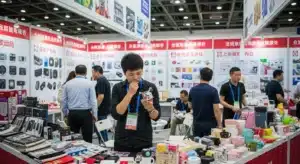
District 6’s second floor was built for exactly this category, grouping skincare, medical-beauty, tools and packaging so a brand can build a full range in one visit. Yiwu suits private-label and trend-led beauty brands that want speed and low minimums rather than a single bespoke formula from a large contract manufacturer. The trade-off is that you must own the compliance, because the market gives you the product, not the paperwork.
What Beauty Products You Can Source
Cosmetics Compliance: US and EU
Cosmetics rules vary by market, product and your role as importer, so treat this as a starting map and confirm current requirements with a regulatory consultant or testing lab. In the US, the FDA cosmetics framework and the Modernization of Cosmetics Regulation Act (MoCRA) increasingly require facility registration, product listing, and safety substantiation. In the EU, the CPNP portal only accepts a notification from a Responsible Person legally established inside the EU, with full INCI ingredients, a period-after-opening symbol and a batch number on every label.
| Requirement | États-Unis | European Union |
|---|---|---|
| Who notifies | Facility registration / product listing (MoCRA) | An EU-based Responsible Person via CPNP |
| Labeling | Ingredient + warning rules | INCI list, PAO, batch number |
| Safety file | Safety substantiation | Cosmetic Product Safety Report |
| Testing | MSDS, COA, batch tests | Heavy metals, microbiology, stability |
A Yiwu stall can hand you stock skincare in a week, but stock formula plus your logo is still your legal product. Private-label beauty without the safety file is the fastest way to have a shipment seized.
Beauty Products at a Glance
| Product | Common Material | Compliance Risk | Typical MOQ | Key QC Point |
|---|---|---|---|---|
| Skincare | Cream/serum + jar | Formula safety, microbiology | 500-1,000 pcs | Batch test + seal integrity |
| Color cosmetics | Pigment + packaging | Heavy metals, colorants | 500-1,000 pcs | Migration + shade match |
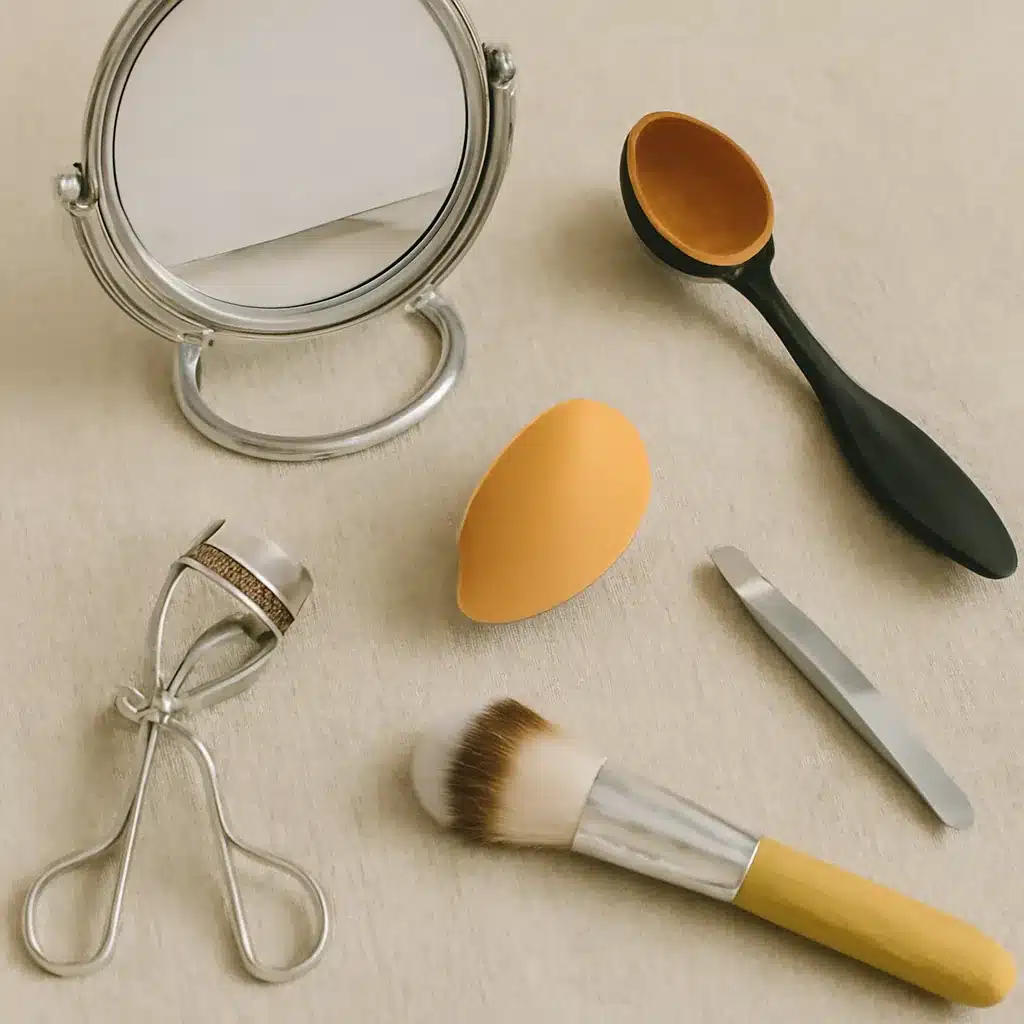
| Brushes/tools | Synthetic fibre, plastic | Low; material | 100-500 pcs | Shedding + handle finish |
| Packaging | PP, glass, acrylic | Compatibility, leakage | 1,000+ pcs | Leak + pump cycle test |
MOQ and Pricing
Stock cosmetics and tools start with low minimums, but custom formulas, custom fill, and branded packaging push minimums toward 1,000-3,000 units and add 30-60 days of lead time plus formula and stability testing. Price moves on formula grade, packaging quality, and whether you are buying stock or paying for development; the cheap quote often hides a thinner formula or lower-grade packaging that leaks.
What We Check on a Beauty Supplier
Quality and Safety Pitfalls
The classic beauty failure is a sample that performs and a bulk run that does not — a thinner formula, a different preservative, or packaging that reacts with the contents. Lock the approved sample, get the formula and packaging specified in writing, and inspect the bulk against it. Plan clearance early; our coverage of regulated imports in the broader market pairs well with this category.
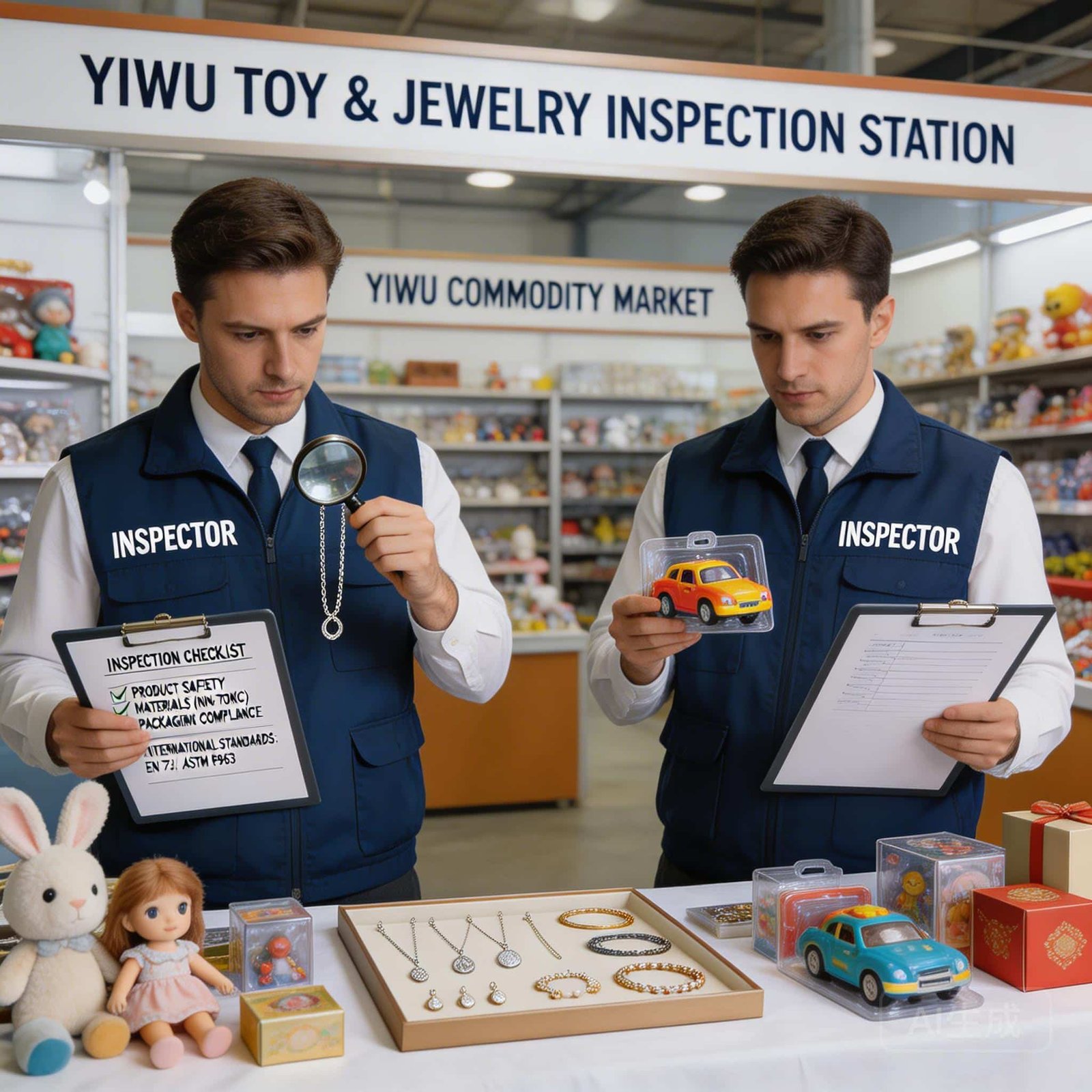
Cosmetics live and die on testing — see our Yiwu quality inspection guide for the inspection process before you pay the balance.
Stock vs Private-Label Cosmetics
Your first decision is stock or private label, and they are very different commitments. Stock cosmetics ship fast and cheap with low minimums, but you sell the same formula as everyone else and have little control. Private label puts your brand and formula on the product, which is where real margin lives, but it raises minimums to roughly 1,000-3,000 units, adds 30-60 days of development, and makes you the legal owner of the safety file. Start with stock to test a market, then move proven winners to private label.
Packaging, Fill and Shelf Life
Beauty packaging is often sourced and tested separately from the formula, then filled, so compatibility matters: the wrong jar or pump can react with a cream or leak in transit. Confirm the packaging is compatible with your formula, that the fill volume is accurate, and that every unit carries a batch code and a period-after-opening or expiry date. A leak test and a pump-cycle test on the filled sample catch most packaging failures before they reach a customer.
Lead Times and Custom Development
Stock skincare and tools can ship in 7-15 days, but a custom formula is a project: expect 30-60 days for development and pilot production, plus one to three months of stability and microbiology testing if you are doing it properly. Branded packaging adds its own tooling and print lead time. Build that calendar in from the start, because rushing cosmetic development is how unstable, unsafe product reaches the shelf.
How to Vet a Cosmetics Formula Before You Commit
The single most important step in beauty sourcing is vetting the formula itself, because the formula is the product and the liability. Start by asking for the full ingredient list in INCI format and a Certificate of Analysis from a recent batch, then check that the preservative system and any actives are appropriate and within limits for your destination market. Request microbiology results and a heavy-metal screen on the actual sample you will sell, not a reference batch, and confirm the manufacturer follows good manufacturing practice. If a supplier cannot or will not provide a COA and ingredient documentation, treat that as a hard stop — you are being asked to put your brand on a formula no one will stand behind.
Once the documents check out, validate the physical sample over time. Leave it at room temperature and at elevated temperature for a few weeks and watch for separation, color change, or smell — early signs of an unstable formula that will fail on a shelf. Confirm the packaging does not react with the contents, and that the fill, batch code and period-after-opening are correct. Only after the formula and packaging both pass should you place the bulk order and lock that exact sample as the inspection standard.
- Full INCI ingredient list and a recent Certificate of Analysis.
- Microbiology and heavy-metal results on your actual sample.
- Evidence of good manufacturing practice (GMP).
- A short stability check at room and elevated temperature.
- Packaging compatibility and correct batch/PAO labeling.
Conclusion
Yiwu beauty and cosmetics sourcing rewards brands that treat the category as a regulated product, not a quick flip. Own the safety file, test the formula and packaging, and inspect the bulk. Do that and Yiwu delivers a fast, low-MOQ route to a full beauty range; skip it and you import a recall.
Questions fréquemment posées
Is Yiwu good for sourcing cosmetics?
Yes, especially in District 6, which groups skincare, color cosmetics, tools and packaging. The main work is compliance and safety testing, not finding suppliers.
Do I need FDA or CPNP registration for Yiwu cosmetics?
Often, depending on your market. US sales may require facility registration and product listing under MoCRA; EU sales typically need an EU-based Responsible Person for CPNP. Confirm with a regulatory consultant.
What is the MOQ for Yiwu cosmetics?
Stock items and tools start low, but custom formulas and branded packaging often require 1,000-3,000 units plus stability testing and longer lead times.
Why does private-label beauty get seized at customs?
Usually a missing safety file or non-compliant labeling. Stock formula under your brand is still legally your product, so the documentation must be in place before shipment.
About the author: Written by the ChineseYiwu Sourcing Team — based inside the Yiwu International Trade City since 2005, with 50+ sourcing specialists and QC inspectors serving importers in 100+ countries.