Justin
The Yiwu agent vs Alibaba decision is less about which platform has better UI and more about where your margin actually lives. For an established importer, the gap isn’t theoretical — a Reddit thread documented the same product from the same supplier going for $2.40 per unit in Yiwu versus $4.80 on Alibaba. That’s a 50% difference baked into the listing price before you even factor in shipping.
Key Takeaways
- Alibaba’s platform model hides risks that directly eat into importer margins.
- Same product, same supplier: $2.40 through an agent versus $4.80 on Alibaba.
- Alibaba lists; Yiwu agents verify, consolidate, and protect your margin.
- Use Alibaba to find suppliers; use a Yiwu agent to lock in real savings.
The breakdown is straightforward once you strip away the marketing. Alibaba’s prices include the supplier’s cost of advertising, platform commissions of 5-8%, and built-in buffers for packaging and branding fees. A Yiwu agent buys at the trade floor price — the actual wholesale number — then adds a transparent 3-5% fee. No hidden platform tax. No markups for clicks. The $2.40 vs $4.80 gap is the supplier’s cost of doing business on a marketplace versus selling out of a booth in Yiwu City.
But cost per unit is only half the conversation. The structural difference shows up in logistics and quality control. A Yiwu agent physically walks the aisles, inspects your goods before they’re packed, and consolidates multiple SKUs into one container. That cuts per-unit freight by 30-40% compared to individual courier shipments. Alibaba’s Gold Supplier verification? Just a business license check — not a factory audit. One Moroccan buyer avoided a $10,000 loss when an agent discovered the ‘supplier’ was a virtual office with no manufacturing capability. For a process-driven importer managing volume, the reliability gap is where the real savings live.

Why Most Importers Get Burned on Alibaba
Alibaba’s platform model hides risks that directly eat into importer margins.
For established importers running volume orders, Alibaba’s per-unit price is often 50% higher than the true wholesale price. The Reddit-documented gap — $2.40 per unit at Yiwu trade floor vs $4.80 on Alibaba for the identical product — comes from platform commissions (5-8%), supplier marketing costs baked into listings, and inflated individual shipping charges. That’s a predictable drag on margin that a Yiwu agent eliminates by buying at the floor price and charging a transparent 3-5% fee.
- Lack of on-site verification: Alibaba’s Gold Supplier badge only confirms a business license, not a factory. Agents have uncovered virtual offices posing as manufacturers; one Moroccan buyer avoided a $10,000 loss when an on-site Yiwu agent found the ‘supplier’ had no production line.
- Middlemen posing as factories: Many Alibaba listings are traders, not manufacturers. They mark up prices 15-30%. A Yiwu agent walks the physical market, negotiates directly with booth owners, and strips out that intermediary margin.
- No real-time issue handling: When a quality problem or delay surfaces, Alibaba’s system forces back-and-forth messaging. An on-the-ground agent resolves issues same-day — replacing defective goods, adjusting packing specs, or coordinating urgent production — saving 1-2 weeks of lead time.
- Cost gap: $2.40 vs $4.80 per unit: Verified SERP data shows identical products cost 50% less at Yiwu wholesale than on Alibaba. That $2.40 difference per unit on a 10,000-unit order is $24,000 in lost margin — money you leave on the table by not sourcing through an agent.

The Real Cost Breakdown: Platform Fees vs Agent Markup
Same product, same supplier: $2.40 through an agent versus $4.80 on Alibaba.
The $2.40 gap between Alibaba’s listed price and the Yiwu trade floor price has nothing to do with product quality. It is a platform tax. Every Alibaba listing includes the supplier’s cost for Gold Supplier status, P4P ad clicks, and the 5-8% transaction commission Alibaba collects per order. The supplier does not absorb those costs — they are passed directly to the buyer in the per-unit price.
- Platform commissions: Alibaba charges suppliers 5-8% per transaction, plus annual membership fees. Those costs inflate the listed price by 10-15% above the true factory wholesale price.
- Marketing pass-through: Suppliers on Alibaba must pay for click ads, listing optimization, and competitive positioning. These marketing expenses add another layer of invisible markup.
- Individual shipping penalty: Alibaba orders typically ship as individual courier packages. Per-unit freight costs for small parcels are 30-40% higher than LCL consolidation rates.
- Agent fee structure: A Yiwu agent charges a transparent 3-5% fee on the wholesale price — no hidden commissions, no marketing pass-through, no per-order platform fees.
- Consolidated freight savings: Agents combine goods from multiple suppliers into a single container. This cuts per-unit shipping costs by 30-40% compared to sending individual courier shipments from separate Alibaba suppliers.
| Cost Component | Yiwu Agent | Alibaba Platform | Net Savings |
|---|---|---|---|
| Per-Unit Base Price | $2.40 | $4.80 | 50% lower |
| Service Fee | 3-5% transparent | 5-8% hidden | 2-3% lower |
| Freight (Per Unit) | LCL consolidation | Individual courier | 30-40% lower |
| Supplier Verification | On-site factory visit | Business license only | Risk reduction |
| Documentation | Agent-managed | Buyer-managed | Time & risk savings |

Yiwu Agent vs Alibaba: Which Sourcing Model Wins?
Alibaba lists; Yiwu agents verify, consolidate, and protect your margin.
Alibaba is a marketplace — it connects you to a supplier and then steps back. It provides no post-order value: no quality checks, no consolidation, no verification beyond a business license. For an established importer running multiple SKUs, that gap translates directly into risk and cost.
- Alibaba’s role: Connects buyer to supplier. No involvement after order placement. No on-site QC, no consolidation, no vetting beyond a Gold Supplier badge (which only confirms a business license, not a factory).
- Yiwu Agent’s role: Active intermediary: negotiates trade‑floor prices, performs on‑site factory visits, inspects goods before shipment, and consolidates products from multiple booths into one container.
The real advantage shows up in logistics. A Yiwu agent combines goods from several suppliers into a single 20‑ft container, cutting per‑unit freight by 30–40% compared to individual courier shipments on Alibaba. That’s a direct line‑item improvement on your total landed cost.
A Moroccan buyer discovered the hard way why on‑the‑ground vetting matters. His Alibaba “supplier” turned out to be a virtual office with no factory. The Yiwu agent he later hired saved him from a $10,000 loss by verifying the supplier before any payment was made.

How to Source Like a Pro: Choosing the Right Partner for Scale
Use Alibaba to find suppliers; use a Yiwu agent to lock in real savings.
For high-volume standardized goods, Alibaba works as a discovery tool to identify potential suppliers. But the platform layers on hidden costs — supplier marketing fees and 5-8% transaction commissions inflate prices. Data from SERP and Reddit confirms the same product from the same factory can cost 40-50% more on Alibaba than at the Yiwu wholesale trade floor.
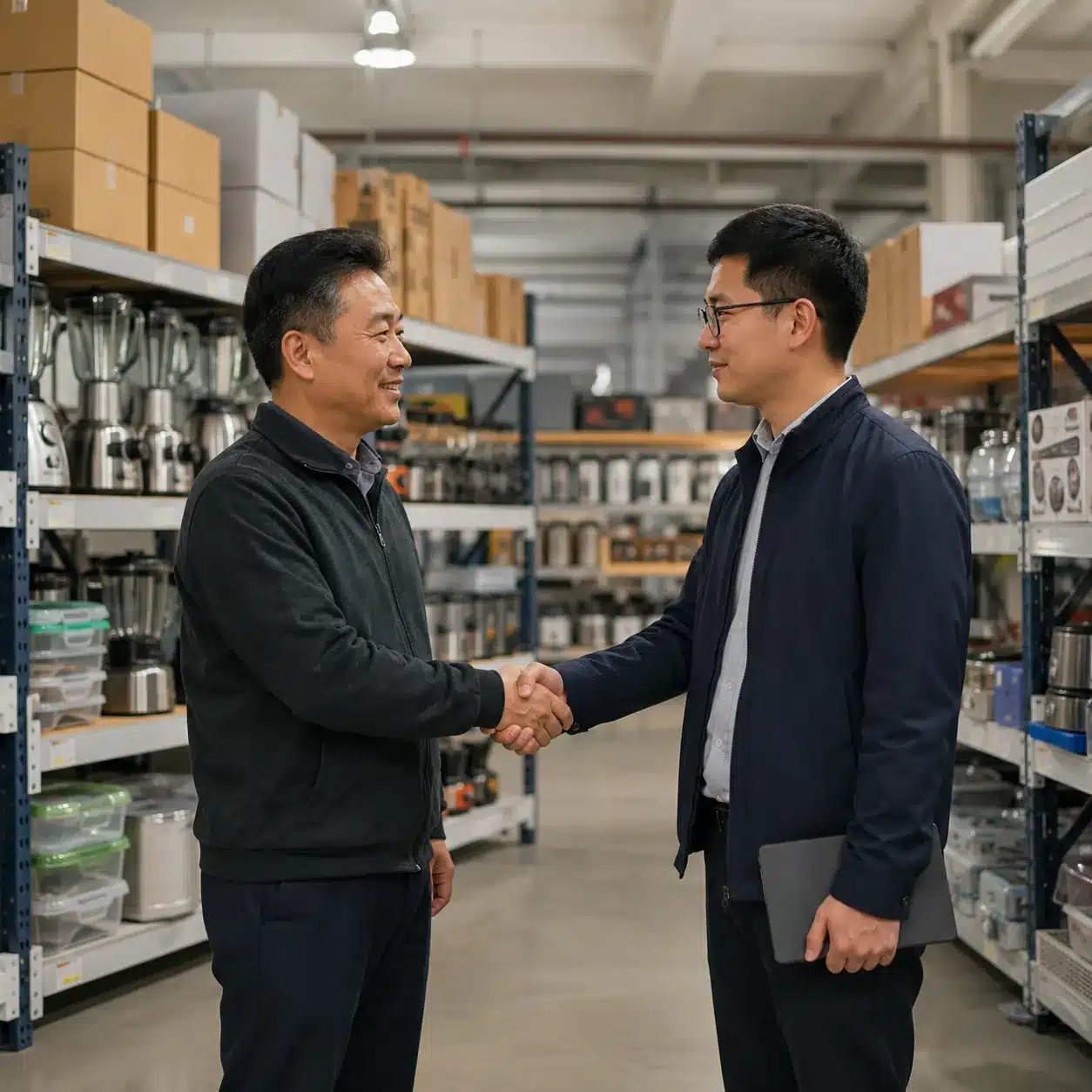
A Yiwu agent buys at the trade floor price, charges a transparent 3-5% fee, and consolidates goods from multiple vendors into one container. That consolidation alone cuts freight costs by 30-40% compared to individual Alibaba shipments. For complex sourcing with strict quality demands, the agent’s physical presence — real-time issue handling, on-site verification — delivers faster lead times and lower defect rates.
- Verify track record: Ask for client references and documented case studies of similar product sourcing. A legitimate agent provides proof of inspections and savings. One documented case: a Moroccan buyer avoided a $10,000 loss when an agent discovered an Alibaba ‘factory’ was a virtual office.
- Transparent fees: Demand a written fee schedule — flat per-item or 3-5% of order value. Avoid any agent who cannot explain their markup. Compare this against the 5-8% hidden platform commissions, packaging fees, and branding charges baked into Alibaba listings.
- Inspection & consolidation: Ensure the agent performs on-site quality checks before shipment and consolidates LCL cargo. This reduces defect rates, cuts per-unit freight by 30-40%, and eliminates the risk of paying for individual courier parcels from multiple Alibaba vendors.
Conclusion
The 50% price gap ($2.40 vs $4.80) isn’t an exception — it’s the norm when you strip out Alibaba’s embedded marketing costs and individual shipping charges. A Yiwu agent buys at the trade floor, consolidates your shipment, and cuts freight costs by 30-40%. That’s the math that protects your margin.
Frequently Asked Questions
What is a Yiwu agent?
A Yiwu agent is a local sourcing professional who physically visits Yiwu Market to find suppliers, negotiate prices, and inspect goods before shipment. They typically handle consolidation and logistics, giving. They act as your eyes and boots on the ground in Yiwu.
What is Yiwu Pay?
Yiwu Pay is a cross-border digital payment platform launched by the Yiwu government to facilitate secure transactions between international buyers and local suppliers. It aims to reduce currency conversion. Confirm with your agent if Yiwu Pay is accepted for your order type.
How much do China sourcing agents charge?
Most China sourcing agents charge a transparent fee of 3–5% of the product cost or a flat per-item amount, depending on order volume and complexity. This markup often results in a. Get a written fee schedule that includes all services and exclusions.
Can you trust a Gold Supplier on Alibaba?
Gold Supplier status means the supplier paid for verification, but it does not guarantee they are a real factory or that their goods pass physical inspection. Actual cases exist where Gold Suppliers turned out. Never skip sample inspection, especially on first orders.
Who is Alibaba’s main competitor?
Alibaba’s main B2B competitors include Made-in-China.com and Global Sources for Chinese sourcing, plus Faire and Tradewheel for global wholesale. Yiwu sourcing agents also compete directly by offering physical inspection and. Test two channels simultaneously to compare landed cost for your specific product.