Джастин
Yiwu home decor sourcing gives a buyer access to ceramics, vases, woven baskets, artificial flowers, candles, frames and textiles from thousands of booths in one market. The catch is that decor is a deceptively regulated category — a painted ceramic vase can carry lead, a candle has flammability rules, and glass breaks in transit if it is packed wrong. This guide covers what to buy, how to stay compliant, and how to get it home intact.
Key Takeaways
- Yiwu covers ceramics, baskets, artificial flowers, candles, frames and soft textiles.
- Painted or glazed items can carry lead and cadmium — test before bulk.
- Candles and textiles face flammability rules (e.g. US 16 CFR) in many markets.
- Decor minimums are often low, from roughly 50-300 pieces per design.
- Breakage is the #1 hidden cost — specify inner packing and a drop test.
- Match each product to its compliance regime before you order.

It pairs naturally with the rest of the market — see the full Yiwu product categories guide, and for the end-to-end buying process start with our complete Yiwu sourcing guide.
Why Yiwu for Home Decor
Decor is one of Yiwu’s deepest categories because it sits across several districts — ceramics and frames in one hall, artificial flowers in another, textiles in a fourth. That lets a buyer build a coordinated seasonal collection across 15-20 SKUs and load it into one container, instead of chasing separate specialist factories. Trend turnover is fast, so Yiwu’s strength is variety and speed, not deep custom manufacturing.
What Home Decor You Can Source
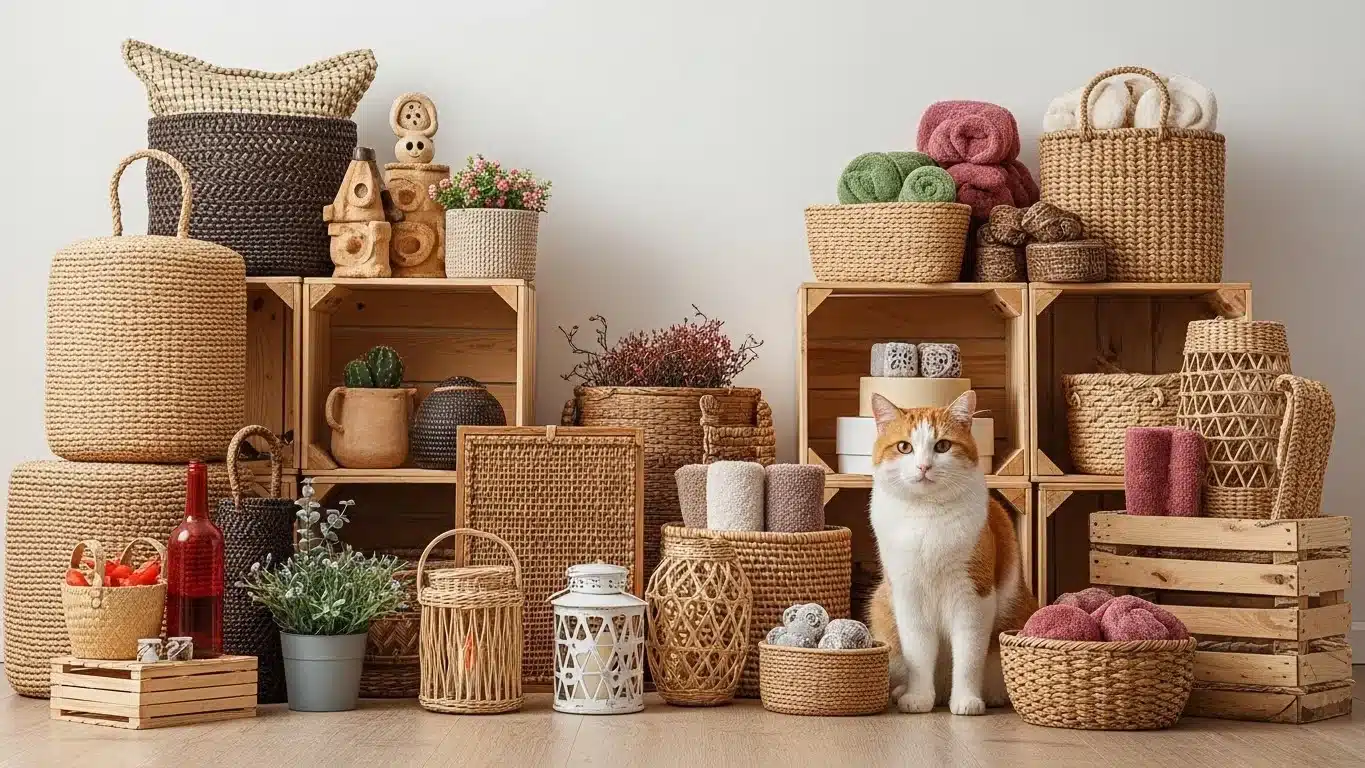
- Ceramics and stoneware: vases, planters, tableware-style decor — watch glaze lead/cadmium.
- Woven and natural fibre: baskets, seagrass, rattan — watch moisture and fumigation rules.
- Artificial flowers and plants: a Yiwu signature category, very low minimums.
- Candles and home fragrance: flammability and labeling rules apply.
- Frames, mirrors and wall art: glass breakage is the main risk.
- Soft decor textiles: cushions, throws — flammability and fibre labeling.
Compliance: Lead, Flammability and Prop 65
Decor compliance varies by product, destination market, and your role as importer, so treat this as a starting map and confirm current rules for your market with a testing lab or customs broker.
- Lead and cadmium: painted, glazed or coated decor can leach heavy metals; US CPSIA limits lead in surface coatings to 90 ppm, and many ceramics need migration testing.
- Flammability: candles, textiles and some decor face flammability standards (for example US 16 CFR rules) depending on the item.
- California Prop 65: products sold into California may need warning labels for listed substances.
- Natural materials: baskets and wood may require fumigation certificates to clear customs.
A glazed vase off a booth ships with no lead test by default. Commission a heavy-metal migration test on samples before a bulk order — the lab fee is far cheaper than a customs hold.
Home Decor at a Glance
| Decor Type | Common Material | Compliance Risk | Typical MOQ | Key QC Point |
|---|---|---|---|---|
| Vases / planters | Ceramic, glazed stoneware | Lead/cadmium in glaze | 50-300 pcs | Migration test + chip/crack check |
| Baskets | Seagrass, rattan, paper rope | Fumigation, moisture/mould | 100-500 pcs | Weave consistency, dryness |
| Artificial flowers | Polyester, plastic, wire | Low | Low, by bundle | Color match, stem strength |
| Candles | Paraffin/soy wax | Flammability, labeling | 100-1,000 pcs | Burn test, wick centering |
| Frames / mirrors | Glass, MDF, resin | Breakage, coating lead | 50-300 pcs | Inner packing + drop test |
MOQ and Pricing
Stock decor minimums are often low — roughly 50 to 300 pieces per design — because booths carry inventory. Custom colors, sizes or branded packaging push minimums toward 500-1,000 and add 15-30 days of lead time. Price moves on material, size and finish; a hand-glazed ceramic costs far more than a spray-finished one that looks similar on the shelf.
What We Check on a Decor Supplier
- License name matching the invoice and the bank account.
- A heavy-metal migration test on glazed or painted samples before bulk.
- Inner-packing specification in writing for any glass or ceramic.
- A drop test on the export carton, not just the retail box.
- An AQL inspection of the bulk run against the approved sample before the balance is paid.
Packaging and Breakage
Breakage is the hidden cost that turns a cheap vase expensive. Ceramics and glass need individual inner packing, corner protection, and a carton built for ocean transit — a retail box is not a shipping box. Specify the inner packing in writing and require a drop test, or budget for 5-15% breakage on fragile decor shipped without it.
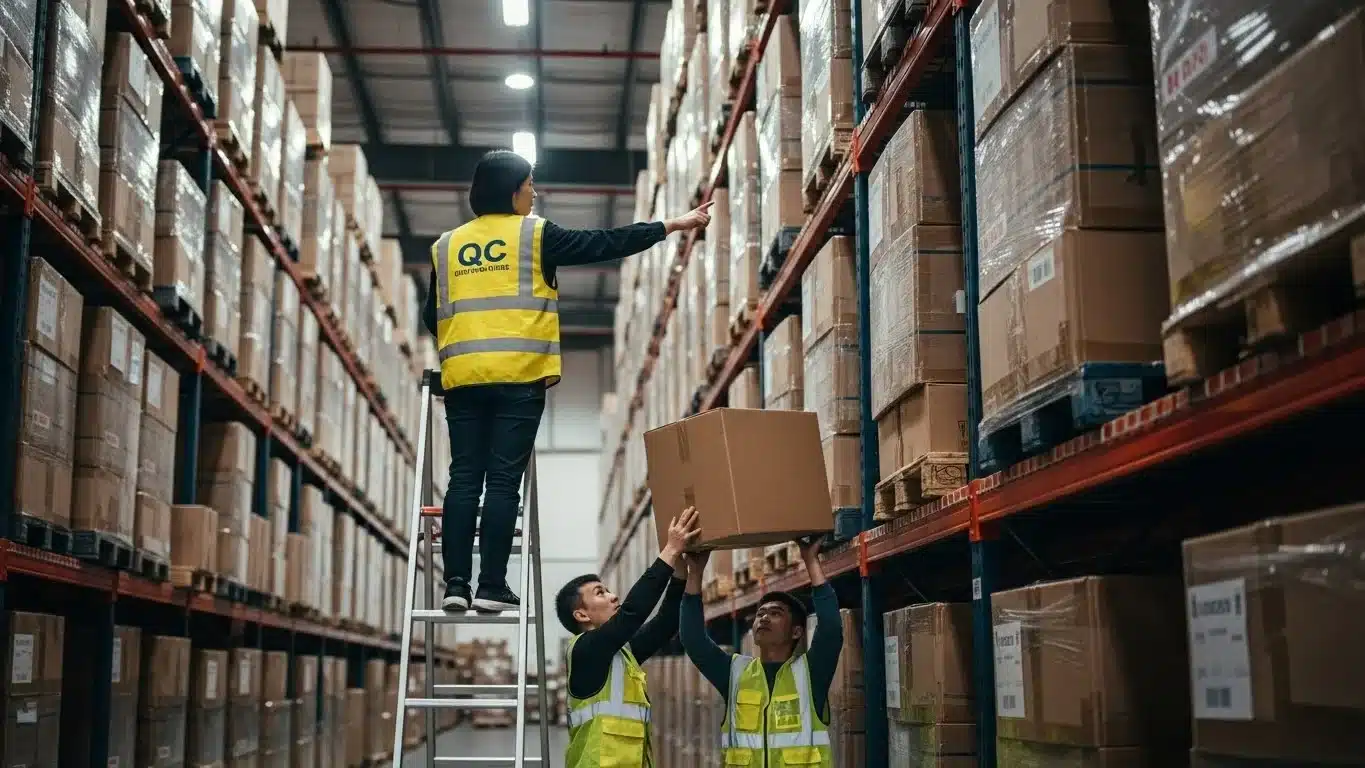
If you are building a decor collection across ceramics, baskets and textiles, an on-the-ground team can test the glazes, specify the packing, and consolidate it into one inspected container. Quality control matters most here — see our Yiwu quality inspection guide.
Seasonal Planning and Lead Times
Decor is a seasonal business, and timing decides whether you catch the sell-through. Holiday and Q4 decor has to land in your warehouse months early, and Yiwu effectively shuts for one to three weeks around Chinese New Year (late January to February), when most booths close. Plan backwards from your on-shelf date, and place seasonal orders 3-4 months ahead.
| Decor Category | Peak Season | Order By | Typical Lead Time |
|---|---|---|---|
| Christmas / holiday | Q4 | June-July | 45-75 days + freight |
| Spring / Easter | Q1-Q2 | October-November | 30-45 days + freight |
| Everyday ceramics & baskets | Year-round | 6-8 weeks ahead | 25-40 days + freight |
| Wedding / event decor | Spring-Summer | 3-4 months ahead | 40-60 days + freight |
Building a Coordinated Collection
A container of unrelated items sells worse than a coordinated range. Pick a palette and a material story — say warm neutrals in stoneware, seagrass and linen — and sample the whole set together so finishes actually match across booths. Because Yiwu spreads decor across districts, an agent who shops the palette in one trip keeps the collection consistent and fills a single container, instead of mismatched goods arriving from five separate suppliers.
Common Home Decor Sourcing Mistakes
Most decor losses are avoidable and repeat across buyers. Watch for these before you wire a deposit:
- Skipping the glaze test: ordering glazed ceramics without a lead and cadmium migration test, then failing at customs.
- Retail box as shipping box: assuming the supplier’s pretty box survives a 40-day ocean trip — it does not.
- Color drift across booths: buying a ‘matching’ collection from different booths without sampling them side by side.
- Ignoring fumigation: natural baskets and wood held at port for a missing fumigation certificate.
- No drop test: approving the product but never testing the export carton, then eating 10%+ breakage.
How to Verify a Decor Sample Before Bulk
The sample stage is where decor problems are cheapest to catch. Before you approve a vase, a basket or a frame for a bulk run, work through a quick physical check so the production run has an objective standard to match:
- Glaze and finish: run a fingernail and a damp cloth over painted surfaces — color transfer or chalkiness signals a weak finish; send it for a heavy-metal test if it is food-adjacent or for children.
- Structure: check ceramics for hairline cracks by tapping (a dull thud instead of a ring means a flaw), and flex baskets for loose weave.
- Dimensions and weight: measure and weigh the sample and write those numbers into the spec so the bulk run cannot quietly shrink.
- Packing: ask for the actual export carton, not the retail box, and drop it from waist height; if the sample breaks, the container will too.
- Lock it: photograph and seal the approved sample so the AQL inspection has something real to measure against.
Заключение
Yiwu home decor sourcing rewards a buyer who treats decor as a regulated, fragile product: test the glazes, respect the flammability rules, and pack glass for the ocean. Do that and you land a coordinated collection at trade prices, not a container of cracked vases and customs problems.
Часто задаваемые вопросы
Is Yiwu good for home decor?
Yes. Yiwu is one of the largest home decor sourcing hubs, covering ceramics, baskets, artificial flowers, candles and textiles at low minimums. The main work is compliance testing and breakage-proof packing, not finding suppliers.
Do I need lead testing for Yiwu ceramics?
Often, yes. Glazed or painted decor can leach lead and cadmium, and many markets require migration testing. Commission a heavy-metal test on samples before placing a bulk order.
What is the MOQ for Yiwu home decor?
Stock designs often start from roughly 50 to 300 pieces. Custom colors, sizes or branded packaging raise the minimum and the lead time.
How do I stop ceramics breaking in shipping?
Specify individual inner packing and corner protection in writing, and require a drop test on the export carton. Without it, budget for 5-15% breakage on fragile decor.
About the author: Written by the ChineseYiwu Sourcing Team — based inside the Yiwu International Trade City since 2005, with 50+ sourcing specialists and QC inspectors serving importers in 100+ countries.