 Justin
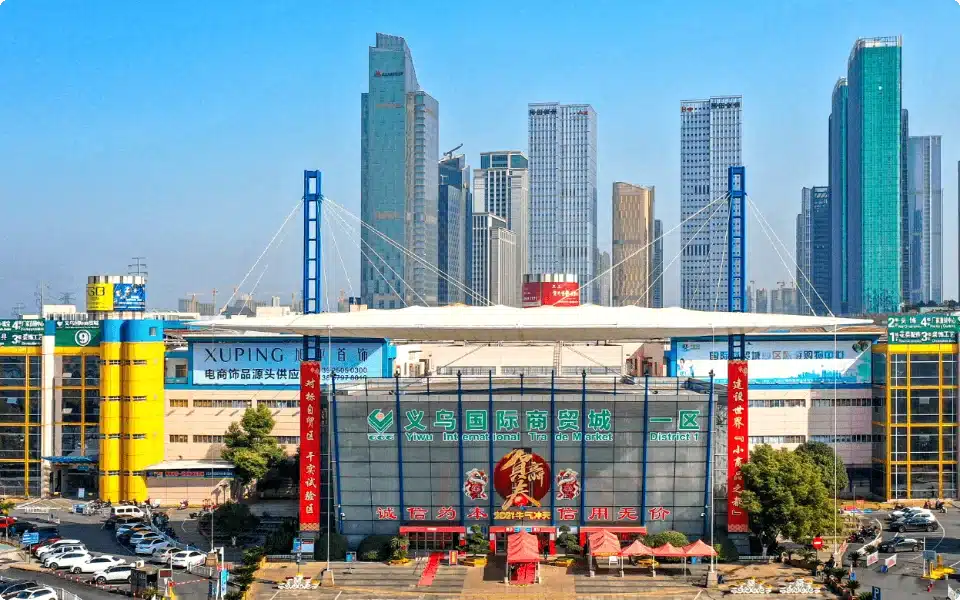
Knowing how to visit Yiwu market is what separates a productive 2-day buying trip from an exhausting one. The Yiwu International Trade City has tens of thousands of booths across six districts, and a first-timer who shows up without a plan can lose a full day just finding the right hall. This walkthrough covers the trip end to end: getting there, getting in, walking it efficiently, and turning booth visits into real orders. Pair it with our complete Yiwu sourcing guide for the buying and shipping process.
Key Takeaways
- Fly into Yiwu (YIW) or via Hangzhou/Shanghai, then reach the Futian market by taxi or metro.
- The market is open daily, roughly 9am to 5pm; go on weekdays for calmer aisles.
- Bring your passport, a printed product list, and a way to record booth numbers.
- Walk one district at a time and record every booth by number, not just WeChat.
- Get quotes and samples on the trip; place bulk orders after lab testing.
- An interpreter or agent helps most if you cross categories or do not speak Mandarin.
Before You Go
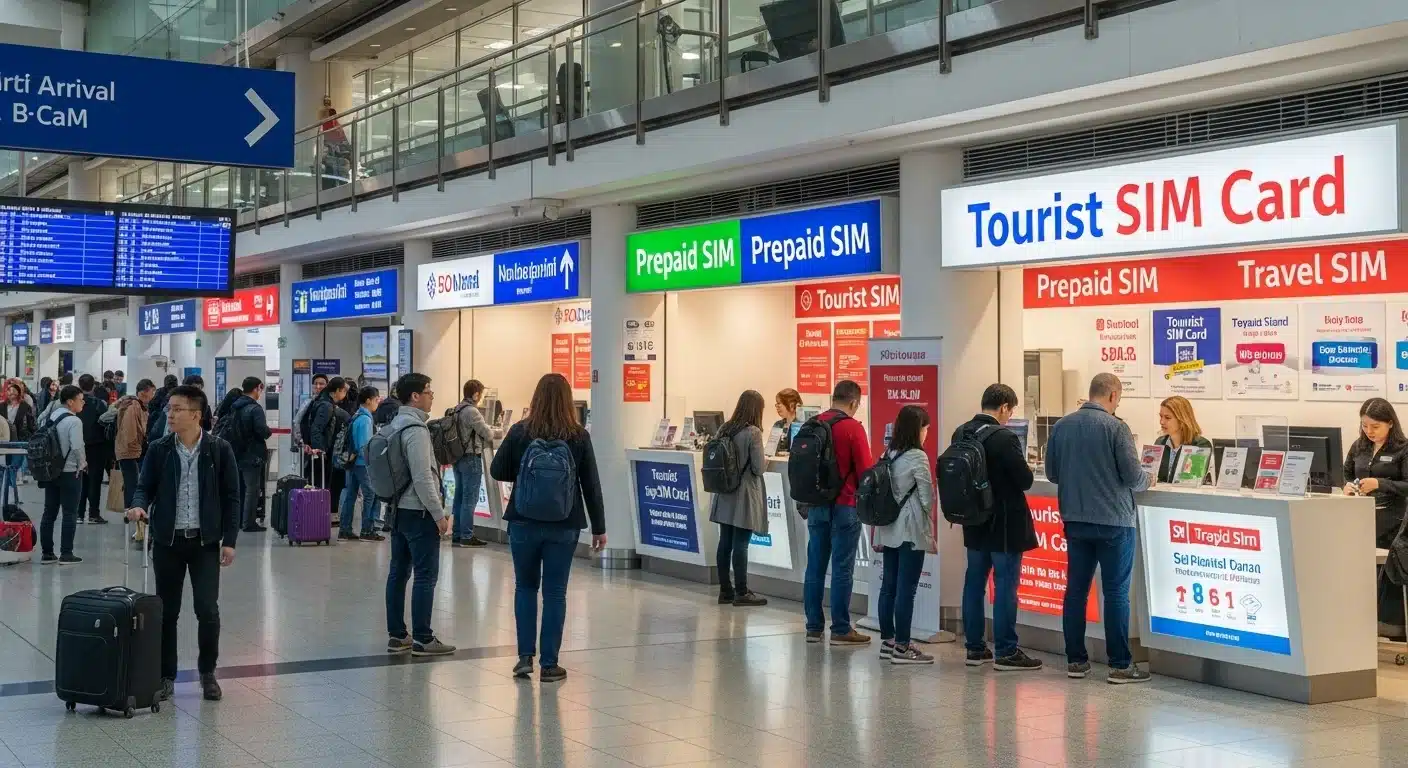
Sort the basics first. Most buyers need a Chinese business visa (or check current visa-free transit rules for your passport before you rely on them). Budget roughly 800-1,500 USD for flights from most regions plus 40-80 USD a night for a hotel by the market. The most comfortable buying seasons are spring and autumn — summer is hot and the period around Chinese New Year sees many booths closed for one to three weeks, so avoid it unless you have confirmed your suppliers are open.
Getting There
Yiwu has its own small airport (YIW), but many buyers fly into Hangzhou or Shanghai and take the high-speed train, which reaches Yiwu in roughly 1 to 3 hours (about 100-120 USD or less in second class). From the airport or station, the Futian Market district is a short taxi or metro ride. Book a hotel near the Futian market rather than downtown — you will walk enough during the day without adding a commute.
Getting a Market Card and Hours
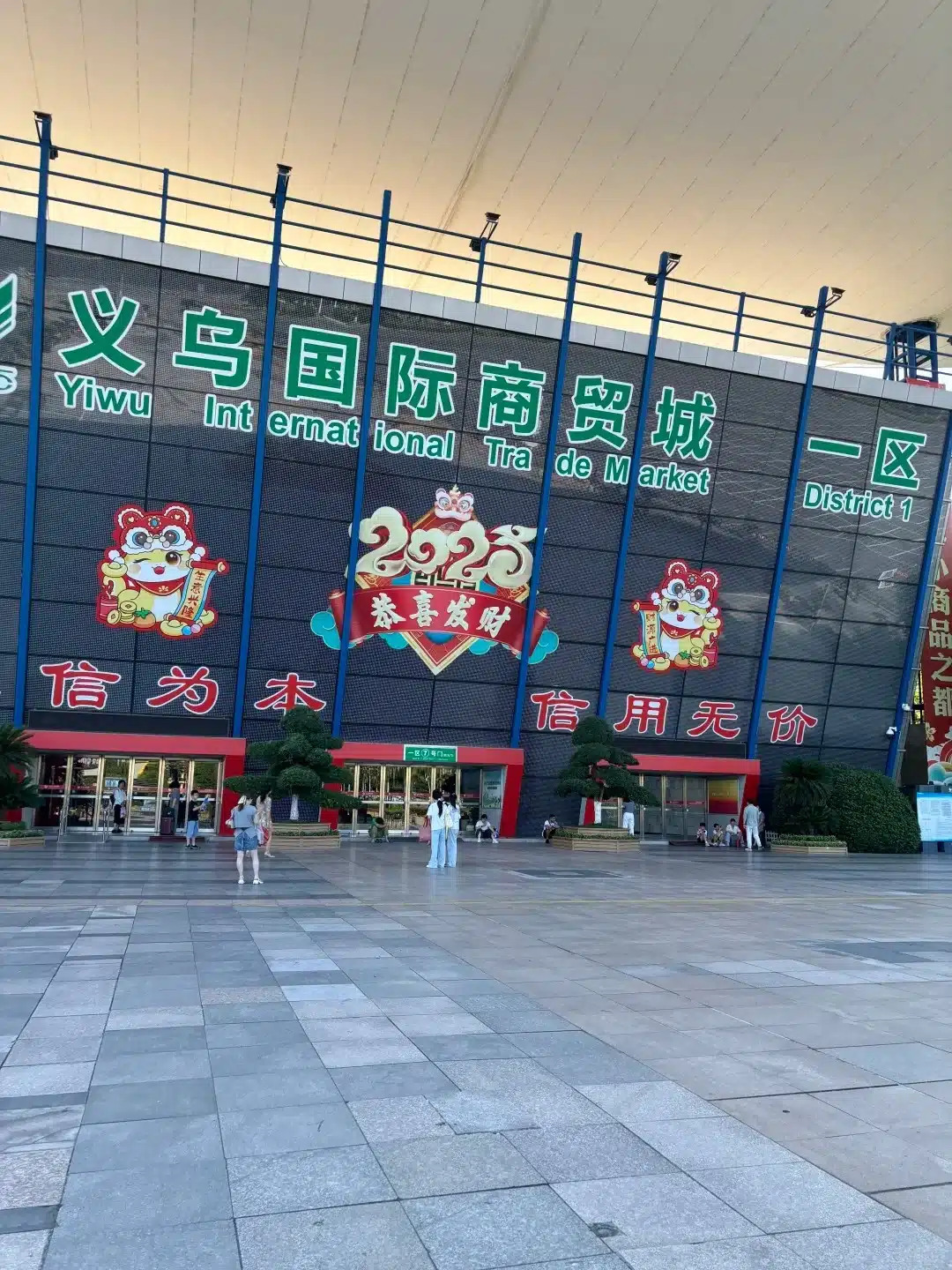
Entry to the trade city is generally free for buyers, though you may be asked to register or show a passport at certain entrances. The market runs daily, roughly 9am to 5pm, and winds down earlier than Western retail hours — booths start closing around 4 to 5pm, so do not save your most important district for the end of the day; budget at least 2 full days for a first trip.
How to Walk the Yiwu Market Efficiently
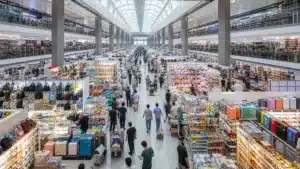
Pick one district per session and walk it systematically rather than darting between halls. Each district groups related products, so once you are in the right hall, comparison is fast — you can price the same item across ten booths in one aisle. Wear comfortable shoes; serious buyers cover 5-10 kilometers a day across these floors, which is why a route by district matters.
What to Bring and How to Record Suppliers
Before we hand a client’s order to any booth, we capture a fixed set of details on the trip — and you should too, even buying solo:
- Booth number and district: the only way to find the supplier again after the trip.
- Business license name: photograph it and match it to the invoice and bank account later.
- Sample photos with date: the actual goods, not a catalog image.
- A clear product list: printed, with target specs and quantities, so quotes are comparable.
- Payment notes: who you spoke to and what was promised, recorded the same day.
Collect business cards and booth numbers obsessively. A great supplier you cannot locate again two weeks later is worth nothing.
Sampling, Quoting and Next Steps
Treat the trip as a sampling and shortlisting exercise, not a place to wire large deposits on the spot. Gather quotes, take samples, and confirm minimums — then send samples for lab testing if your category needs it, and place bulk orders after you are home and the paperwork checks out. The standard payment structure is a 30% deposit and 70% before shipment, so you never pay in full at the booth.
If this is your first trip, crossing several districts, or you do not speak Mandarin, a local agent or interpreter pays for itself fast — they negotiate, record suppliers correctly, and keep you from the tourist price.
Do You Need an Agent or Interpreter?
Not everyone does. If you buy one category, speak some Mandarin, and have been before, you can run a trip solo. But for a first visit across multiple districts, the language gap and the sheer scale make an agent or interpreter the higher-return choice. See what the role covers in our breakdown of the Yiwu sourcing agent role, and read our Yiwu market tips before you fly.
Sample Yiwu Visit Itineraries
Two routes depending on how much time you have. Both assume a hotel near the Futian market.
| Time | Plan |
|---|---|
| Morning | Start in the district matching your top product line, walk it end to end, collect quotes and samples |
| Midday | Move to a second district by sky bridge; record booth numbers as you go |
| Afternoon | Third district or revisit shortlisted booths before they close around 4-5pm |
2-day plan: Day 1 cover your two priority districts thoroughly; Day 2 revisit shortlisted booths, finalize samples and quotes, and confirm minimums before you fly home.
Before You Go: Preparation Checklist
| Prepare | Why |
|---|---|
| Business visa or transit check | Entry is denied without the right status |
| Printed product list with target specs | Makes quotes comparable across booths |
| Phone with offline maps and a translator app | The market is vast and mostly Mandarin |
| A supplier recording sheet (below) | So suppliers stay traceable after the trip |
| Payment plan: 30% deposit, 70% before shipment | Never pay in full at the booth |
Supplier Recording Template
Capture these for every booth you like — copy it into your notes:
| Field | Example |
|---|---|
| Booth no. + district | Booth A-1234, District 2 |
| Company (license) name | Photograph the license |
| Product + target spec | 2.0mm steel padlock, 5,000 pcs |
| Quoted price + MOQ | USD 1.20 / 1,000 pcs |
| Sample taken? | Yes, photographed with date |
Conclusion
Visiting Yiwu rewards preparation: the right season, a hotel by the market, a route planned by district, and and a disciplined way of recording every booth. Done well, knowing how to visit Yiwu market turns a 2-day trip into a shortlist of traceable suppliers. Do the groundwork and even a first trip turns into a shortlist of real, traceable suppliers — not a blur of aisles.
Once you know which halls to target, our guide to Yiwu Districts 1 to 5 tells you exactly what each one sells.
Frequently Asked Questions
Is the Yiwu market open to foreign visitors?
Yes. The Yiwu International Trade City is built for international trade and is open to foreign buyers, generally free to enter, though you may be asked to register or show a passport at some entrances.
What are the Yiwu market opening hours?
The market is open daily, roughly 9am to 5pm. Booths begin closing in the late afternoon, so plan your most important district earlier in the day.
When is the best time to visit Yiwu?
Spring and autumn are most comfortable. Avoid the weeks around Chinese New Year, when many booths close for one to three weeks.
How do I get to the Yiwu market?
Fly into Yiwu (YIW), or into Hangzhou or Shanghai and take the high-speed train. From there the Futian market is a short taxi or metro ride.
About the author: Written by the ChineseYiwu Sourcing Team — based inside the Yiwu International Trade City since 2005, with 50+ sourcing specialists and QC inspectors serving importers in 100+ countries.