Justin
Yiwu jewelry sourcing is one of the easiest categories to start and one of the easiest to get wrong. Fashion jewelry is everywhere in the Yiwu International Trade City — a single aisle can quote you a thousand plated necklaces in minutes — but the moment those pieces reach a Western market, they become a regulated chemical product with real testing obligations. For the end-to-end buying process, see our complete Yiwu sourcing guide.
Key Takeaways
- Yiwu sells fashion, stainless, brass and plated jewelry at low minimums.
- Most booths are traders; confirm whether they actually plate and finish in-house.
- EU markets apply REACH limits, including a nickel release cap of 0.2 µg/cm² per week.
- US children’s jewelry may need third-party testing and a Children’s Product Certificate.
- Always lab-test plated samples before placing a bulk order.
- Plating thickness and base metal are where cheap suppliers cut corners.
Where Yiwu Jewelry Sourcing Happens
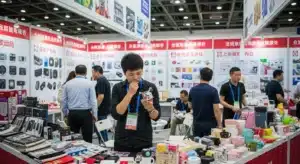
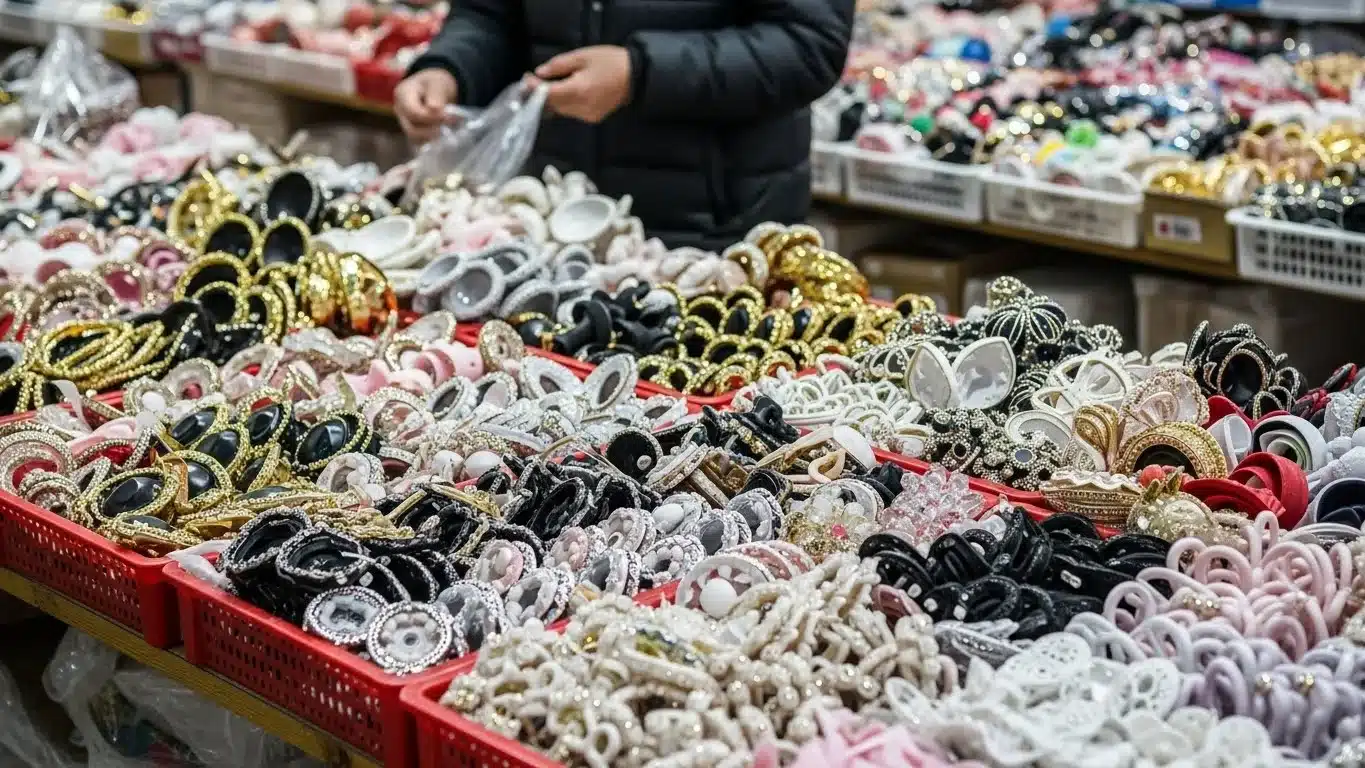
Fashion jewelry concentrates on the first floor of the market and across District 1, with the newer, higher-value lines moving into District 6’s Global Digital Trade Center. District 1 is your fastest route to costume and trend pieces; District 6 leans toward branded-quality and regulated categories. If your line is premium or export-sensitive, start in District 6 — see our Yiwu District 6 guide.
Types You Can Source
Yiwu covers the full fashion-jewelry spectrum, and the base metal decides both price and compliance risk.
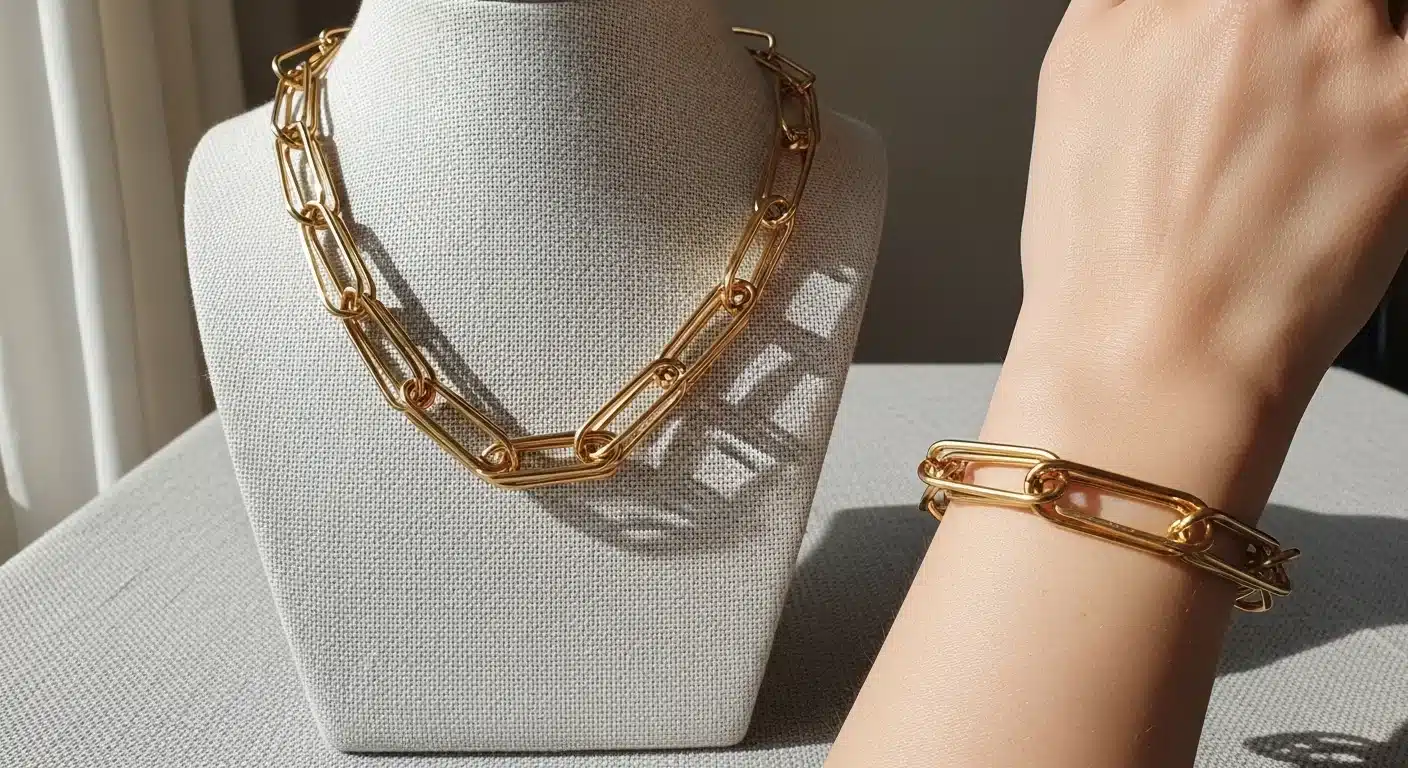
- Plated costume jewelry: cheapest and most common; the plating and base metal are where quality varies most.
- Stainless steel: more durable and lower compliance risk; popular for everyday and waterproof pieces, and 316L stainless in particular resists tarnish far better than plated brass over a 12-month wear test.
- Brass and alloy: mid-range, good for plated finishes, but watch lead and cadmium in cheaper alloys.
- Beads, findings and DIY components: deep ranges for makers and kit sellers.
Compliance Before You Order
This is where jewelry buyers lose money. Requirements vary by destination market, product, and your role as importer, so treat the points below as a starting map and confirm current rules for your market with a testing lab or customs broker.
- EU (REACH): markets typically apply REACH limits — including a nickel release cap of 0.2 µg/cm² per week, plus restrictions on cadmium (0.01%) and lead (0.05%) by weight in jewelry.
- US children’s items: jewelry aimed at children 12 and under may require third-party lab testing and a Children’s Product Certificate before it clears.
- General: the voluntary ASTM F2923 standard sets the heavy-metal limits most labs test against.
Trend earrings off a Yiwu booth ship with zero metals testing by default. One Amazon compliance flag can pull the listing — the lab fee is a rounding error against a lost Buy Box.
Plan the customs and documentation side early — our customs compliance guide covers the paperwork, and the official ECHA REACH restriction list is the authoritative source for EU limits.
MOQ and Pricing Reality
Minimums for stock jewelry are often genuinely low — roughly 50 to 300 pieces per design — because booths carry inventory. Custom plating, colors, or branded packaging push the minimum toward 500-1,000 pieces and add 15-30 days of lead time. Price moves on plating thickness, base metal, and order volume; chase those before haggling over cents.
What We Check on a Jewelry Supplier
Before we put a client’s deposit behind a jewelry booth, we work through a fixed list:
- License name matching the invoice and bank account.
- Whether the booth plates and finishes in-house or buys in finished goods.
- A plated sample sent for nickel-release and heavy-metal testing before bulk.
- Plating specification in writing — thickness and base metal, not just a color.
- An AQL inspection of the bulk run against the approved sample before the balance is paid.
Plating and Quality Pitfalls
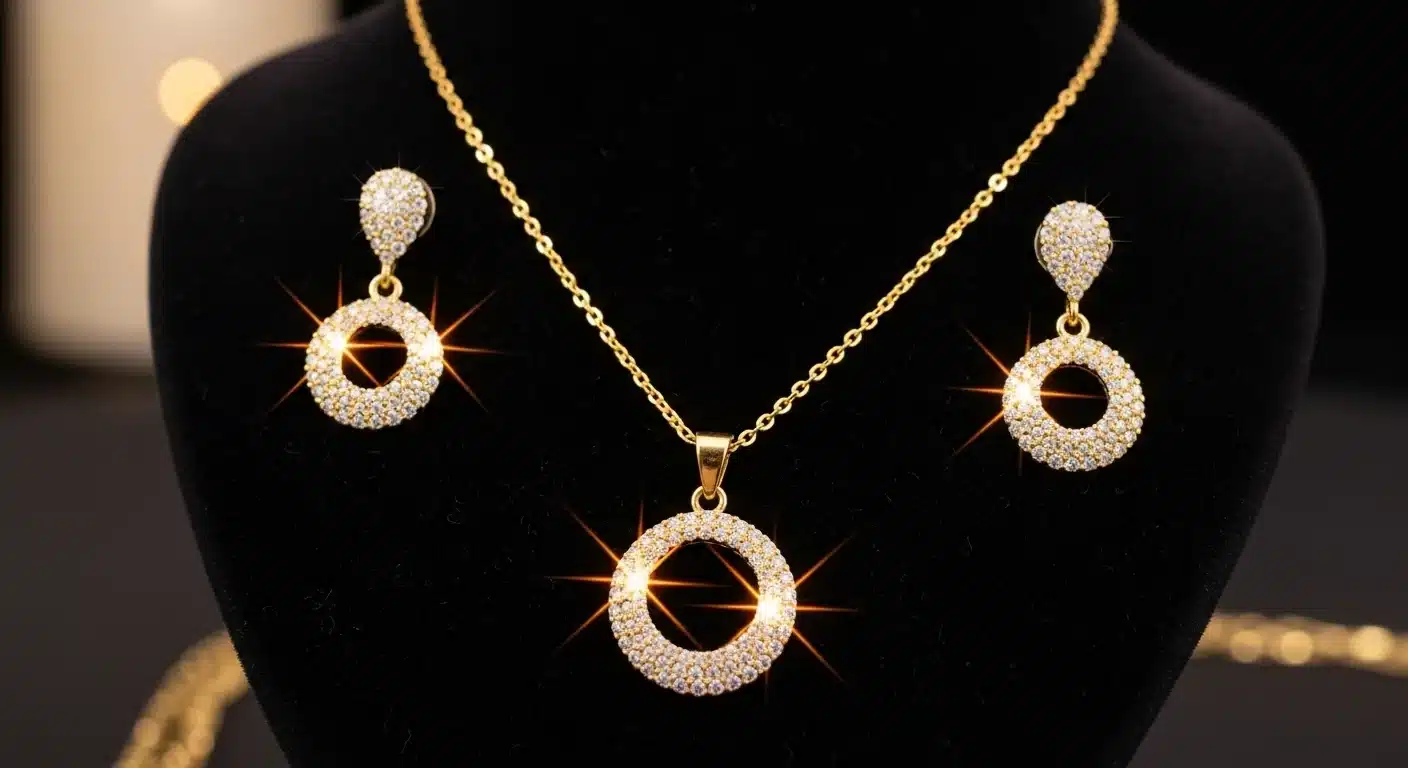
The most common jewelry failure is plating that wears or tarnishes within weeks because the supplier cut the plating thickness or used a cheaper base metal than the sample. Lock the sample, specify the plating in writing, and inspect the bulk against it. A supplier who resists a written plating spec is telling you what the bulk run will look like.
If you are building a jewelry line, sourcing across costume and stainless, or need export compliance handled before you order, a Yiwu team can verify the supplier and manage the testing.
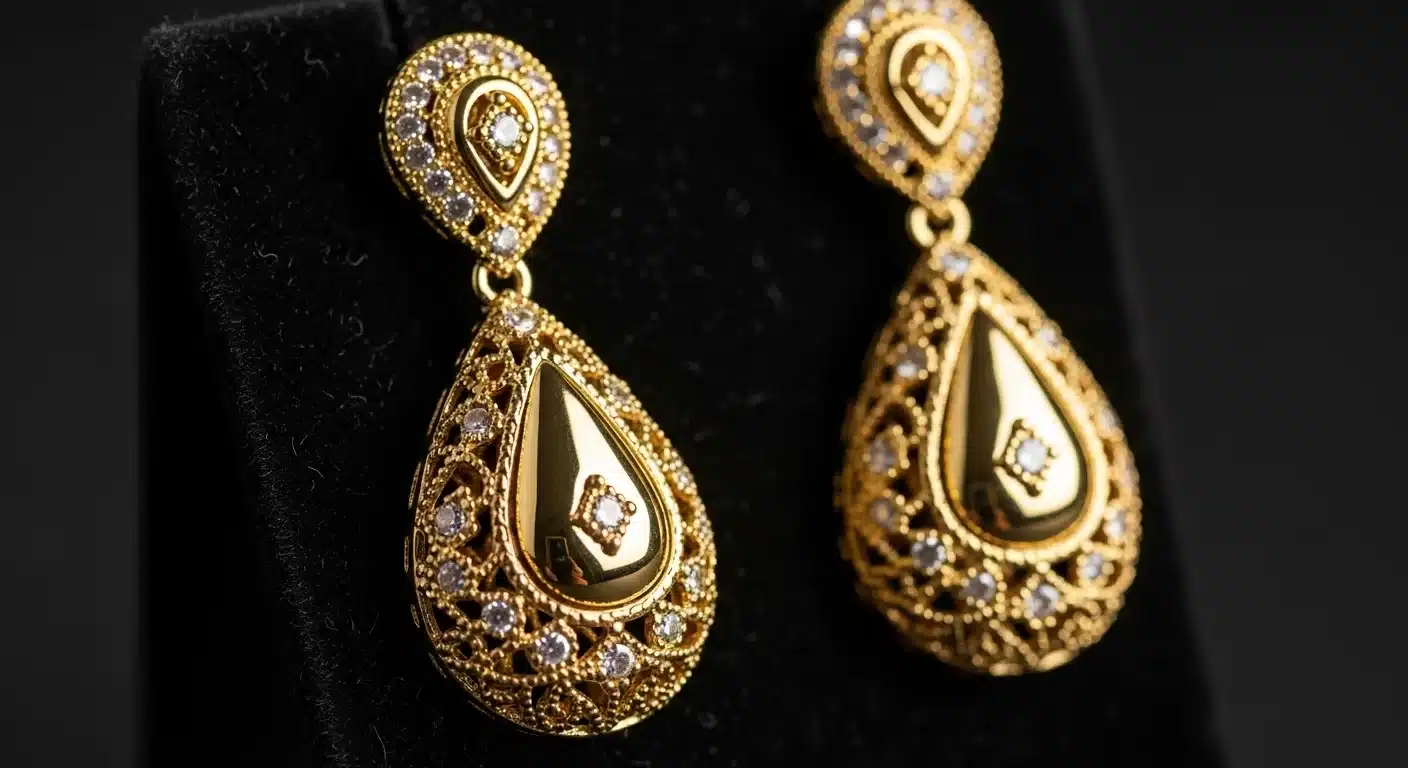
Yiwu Jewelry Types, Compliance and QC at a Glance
A quick reference before you shortlist a jewelry supplier.
| Jewelry Type | Common Material | Compliance Risk | Typical MOQ | Key QC Point |
|---|---|---|---|---|
| Plated costume | Brass/alloy base, gold or rhodium plate | High — nickel, lead, cadmium | 50-300 pcs | Plating thickness and base metal |
| Stainless steel | 304 / 316L stainless | Low — tarnish-resistant | 100-500 pcs | Grade verification (316L vs 304) |
| Brass / alloy | Brass, zinc alloy | Medium — lead/cadmium in cheap alloys | 100-500 pcs | Alloy composition and finish |
| Beads & findings | Glass, acrylic, base metal | Low-medium | Bulk by weight/bag | Consistency and color match |
Conclusion
Yiwu makes jewelry easy to buy and risky to import. Win the category by treating it as a regulated product: confirm the base metal, lock and test the sample, specify the plating in writing, and inspect the bulk. The booths that pass become reliable, repeatable suppliers. Treat Yiwu jewelry sourcing as a regulated supply chain and the category turns from risky to dependable.
Browse the full range of categories in our Yiwu product categories guide, and vet every booth with our Yiwu supplier checklist.
Frequently Asked Questions
Is Yiwu good for sourcing jewelry?
Yes. Yiwu is one of the largest fashion-jewelry sourcing hubs in the world, with low minimums and a wide range across costume, stainless and brass. The main work is compliance and quality control, not finding suppliers.
Do I need lab testing for jewelry imported from Yiwu?
For most Western markets, yes. EU markets apply REACH metal limits such as a nickel release cap of 0.2 µg/cm² per week, and US children’s jewelry may need third-party testing and a Children’s Product Certificate. Test plated samples before bulk.
What is the MOQ for Yiwu jewelry?
Stock designs often start from a few dozen to a few hundred pieces. Custom plating, colors, or branded packaging raise the minimum and the lead time.
Why does cheap Yiwu jewelry tarnish quickly?
Usually because the supplier reduced plating thickness or used a cheaper base metal than the sample. Lock the sample, specify plating in writing, and inspect the bulk against it.
About the author: Written by the ChineseYiwu Sourcing Team — based inside the Yiwu International Trade City since 2005, with 50+ sourcing specialists and QC inspectors serving importers in 100+ countries.