Justin
The gap between the wholesale price you pay and the retail price you charge is the entire business. Get it right and every sale funds the next order; get it wrong and volume just multiplies your losses. Wholesale means buying in bulk at a lower per-unit price to resell; retail means selling individual units to end customers at a markup. Simple to say, but the numbers behind it — margins, minimum orders, and where you source — decide whether a product line makes money or quietly bleeds it.
Most explanations of wholesale versus retail stop at definitions. The part that actually moves your margin is upstream: whether you buy from a domestic wholesaler or source direct from the factory. That single choice can widen a wholesale margin from 15% to 45% on the same product. This guide covers the real margin math, minimum order quantities, and the sourcing decision that competitors’ explainers skip.
Key Takeaways
- Wholesale = bulk buying at a lower unit price to resell; retail = selling single units to end customers at a markup.
- Retail margins run wider (often 40–60%) to cover higher overhead; wholesale margins are thinner per unit (often 15–30%) but move volume.
- Wholesale carries minimum order quantities (MOQs); retail has none — a customer can buy one unit.
- The biggest margin lever is upstream: buying direct from a factory instead of a domestic wholesaler can widen your margin sharply.
- Sourcing direct adds MOQ, lead time, and quality-control work you must handle — the trade-off for the lower price.
- Match the model to your stage: domestic wholesale to start and test, direct sourcing once a product proves out.
What Wholesale and Retail Actually Mean
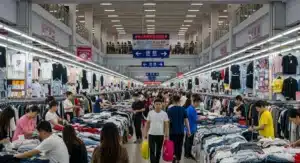
Wholesale is a business-to-business transaction: a wholesaler or manufacturer sells goods in bulk to a reseller at a discounted per-unit price. Retail is business-to-consumer: the reseller sells those goods individually to the end customer at a higher price, and the difference funds the operation and the profit.
The same physical product usually passes through both. A phone case might leave a factory at $0.80, sell wholesale to a shop at $2.50, and retail to a shopper at $9.99. Each layer adds cost and takes margin. The fewer layers between you and the factory, the more of that spread you keep — which is exactly why where you buy matters as much as how you sell.

The Margin Math
Margins are where the two models diverge most, and misunderstanding them is how new sellers price themselves out of profit. Retail margins look bigger because they have to absorb more cost — storefront or ad spend, returns, single-unit fulfillment. Wholesale margins are thinner per unit but earned on volume with far lower per-order overhead.
| Factor | Wholesale | Retail |
|---|---|---|
| Typical margin | ~15–30% per unit | ~40–60% per unit |
| Revenue model | Fewer, larger orders | Many small orders |
| Per-order overhead | Low | High (ads, returns, fulfillment) |
| Price flexibility | Negotiated by volume | Fixed on the tag |
| Cash tied in stock | High (bulk upfront) | Lower per transaction |
The trap is comparing the two headline margin numbers as if they’re the same thing. A 20% wholesale margin on a $50,000 order can out-earn a 55% retail margin on a product that sells five units a week. Judge each model on total profit against the work and cash it demands, not on the percentage alone.
MOQ and Order Size
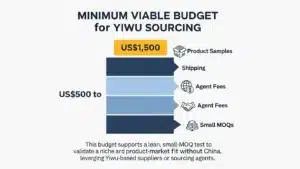
The clearest practical difference is the minimum. Wholesale runs on minimum order quantities — a supplier sets a floor (say 50, 500, or 5,000 units) because small orders aren’t worth their setup and handling. Retail has no minimum; a customer buys one. If you’re the reseller, that MOQ is your upfront risk: you commit cash to inventory before a single retail sale.
This is why order sizing is a discipline, not a guess. Buy too little and you miss the price break; buy too much of an unproven product and you’re sitting on dead stock. The practical move is to buy the smallest quantity that still hits a workable price, prove the product sells, then scale — the same logic that governs low-MOQ sourcing and negotiating a minimum down when you buy direct.
Where China-Direct Sourcing Changes the Equation
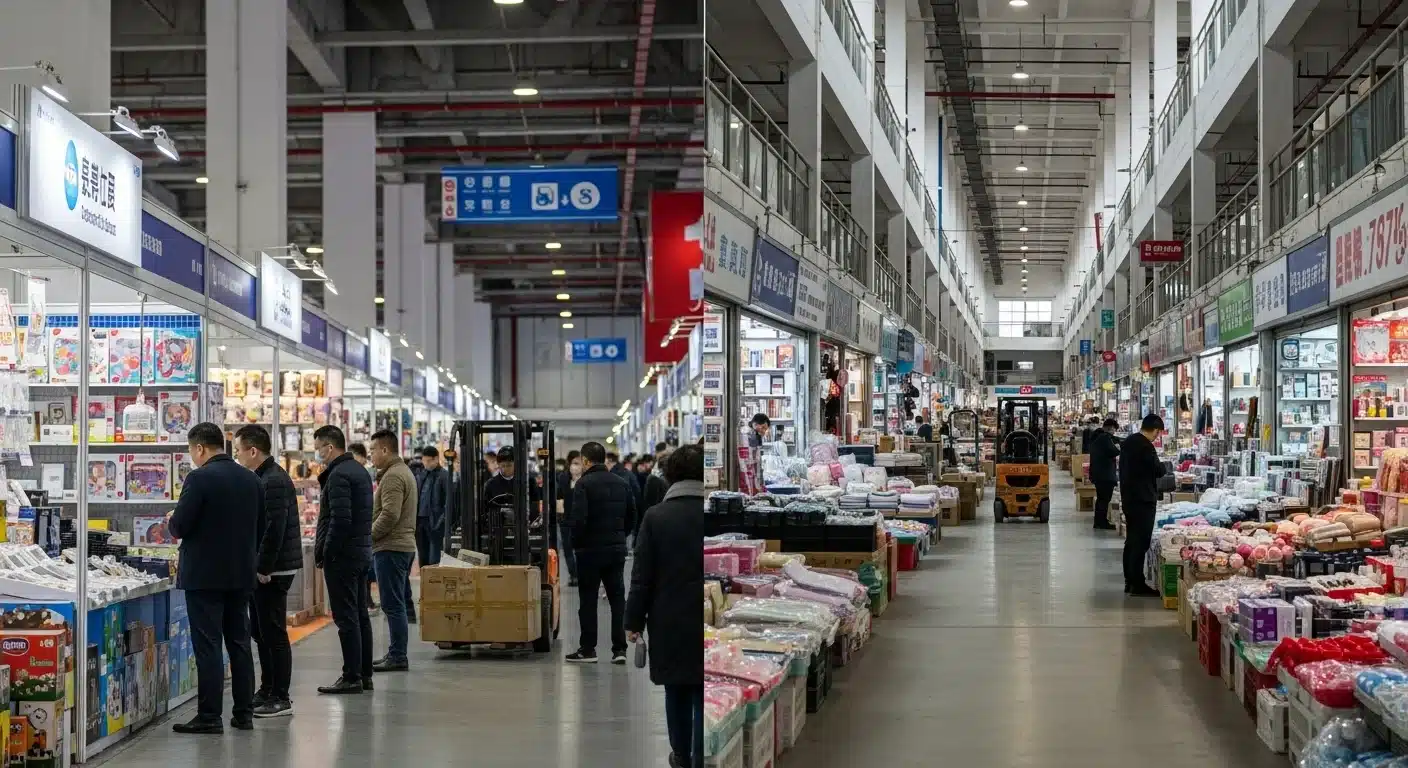
Here’s what the standard wholesale-versus-retail explainer leaves out: your wholesale cost isn’t fixed. Buying from a domestic wholesaler means paying for every layer that already touched the goods — the importer, the distributor, their margins. Sourcing direct from the factory removes those layers, and on many consumer products that’s the difference between a 15% margin and a 45% one on the identical item.
The trade-off is real work moving upstream. Direct sourcing means you take on the MOQ, the lead time, communication across a language gap, quality control, and international shipping. A domestic wholesaler bundles all of that into their markup — that’s what you’re paying for. The decision isn’t “which is better” but “which do I have the volume and process to handle.” For an overview of running that direct channel, see the complete guide to sourcing from Yiwu, and the categories where the margin gap is widest in the best products to source.
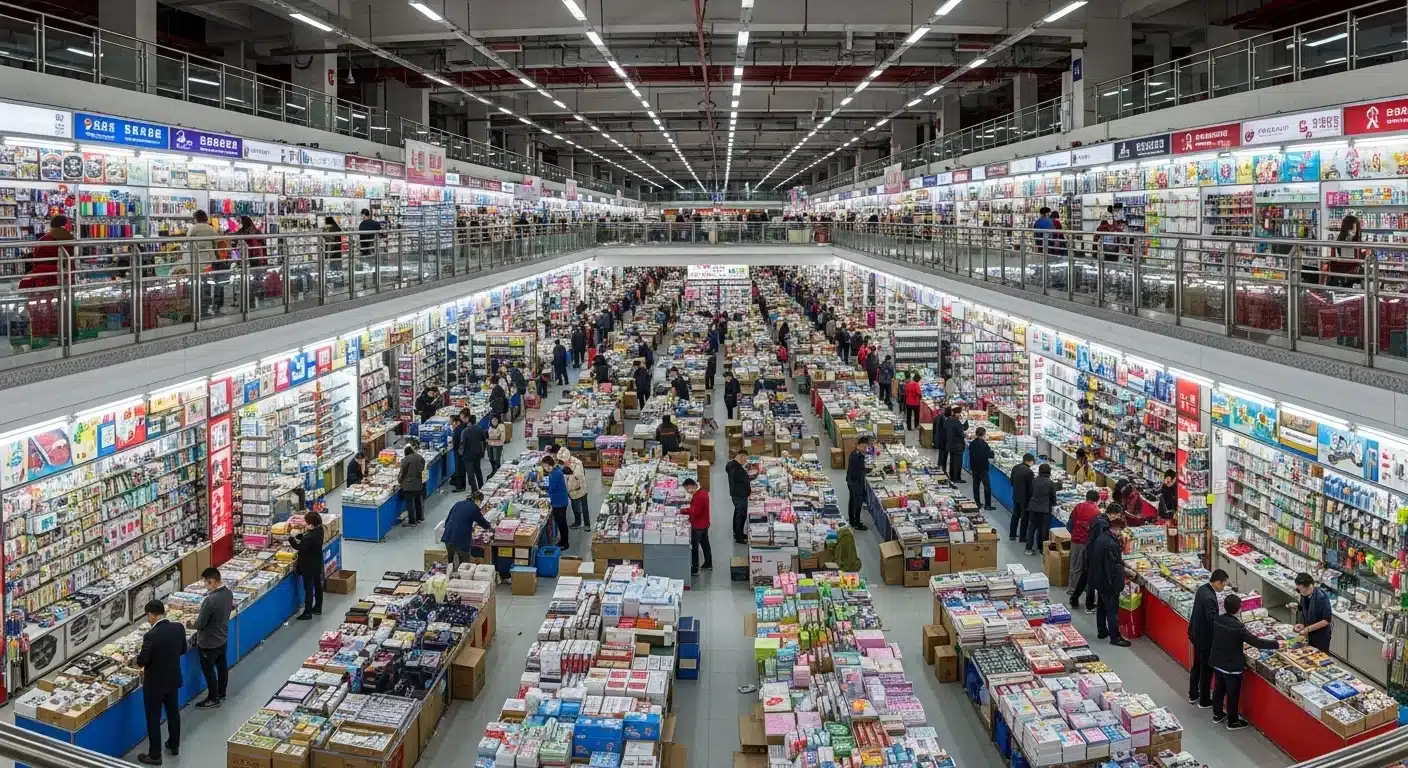
Warning: chasing the lowest factory price without a quality process is how sellers turn a margin win into a refund wave. The saved margin only counts if the goods arrive right — which is why direct sourcing and a pre-shipment inspection go together, not separately.
When to Buy Wholesale vs Sell Retail — and When to Source Direct
| Best for | Not ideal for |
|---|---|
| Domestic wholesale: testing a product with low upfront risk and fast restock | Sellers with proven volume who are leaving factory margin on the table |
| Direct sourcing: proven products where the margin gap justifies the MOQ and QC work | Unvalidated products, or sellers with no quality-control process |
| Retail selling: brand control, higher margin per unit, direct customer relationship | Sellers who can’t cover the ad spend and returns retail margin must fund |
| Wholesale selling (you as supplier): moving volume with low per-order overhead | Businesses needing high per-unit margin to survive |
Most growing sellers use both models in sequence: start by buying from a domestic wholesaler to test with minimal risk, and once a product proves it sells, move it to direct factory sourcing to reclaim the margin the middle layers were taking. The question is never wholesale or retail in the abstract — it’s which combination fits your stage, your cash, and your capacity to manage a supply chain.
If you’ve proven a product at retail and want to reclaim the margin a domestic wholesaler is taking — by sourcing it direct from China with the MOQ, quality checks, and shipping handled — our Yiwu team can source, inspect, and consolidate the order for you.
Frequently Asked Questions
What is the main difference between wholesale and retail?
Wholesale is selling goods in bulk to resellers at a lower per-unit price; retail is selling individual units to end customers at a markup. Wholesale runs on minimum order quantities and thinner per-unit margins earned on volume, while retail has no minimum and wider per-unit margins that cover higher overhead.
Is wholesale or retail more profitable?
Neither is inherently more profitable — they earn differently. Retail has higher margin per unit but higher overhead and smaller orders; wholesale has thinner per-unit margin but larger orders and low per-order cost. Judge total profit against the cash and work each demands, not the headline percentage.
How does sourcing direct from China affect wholesale margin?
Buying direct from the factory removes the importer and distributor layers baked into a domestic wholesaler’s price, which can widen your margin substantially on the same product. The trade-off is handling the MOQ, lead time, quality control, and shipping yourself — the work a domestic wholesaler bundles into their markup.
Do I need a minimum order to buy wholesale?
Usually yes. Wholesalers and factories set a minimum order quantity because small orders aren’t worth their setup and handling. The minimum is your upfront inventory risk, so buy the smallest quantity that still reaches a workable price, prove the product sells, then scale.
Written by the ChineseYiwu Sourcing Team — based inside the Yiwu International Trade City since 2005, with 50+ sourcing specialists helping resellers move from domestic wholesale to direct China sourcing with verification, inspection, and consolidated shipping.