
 Justin
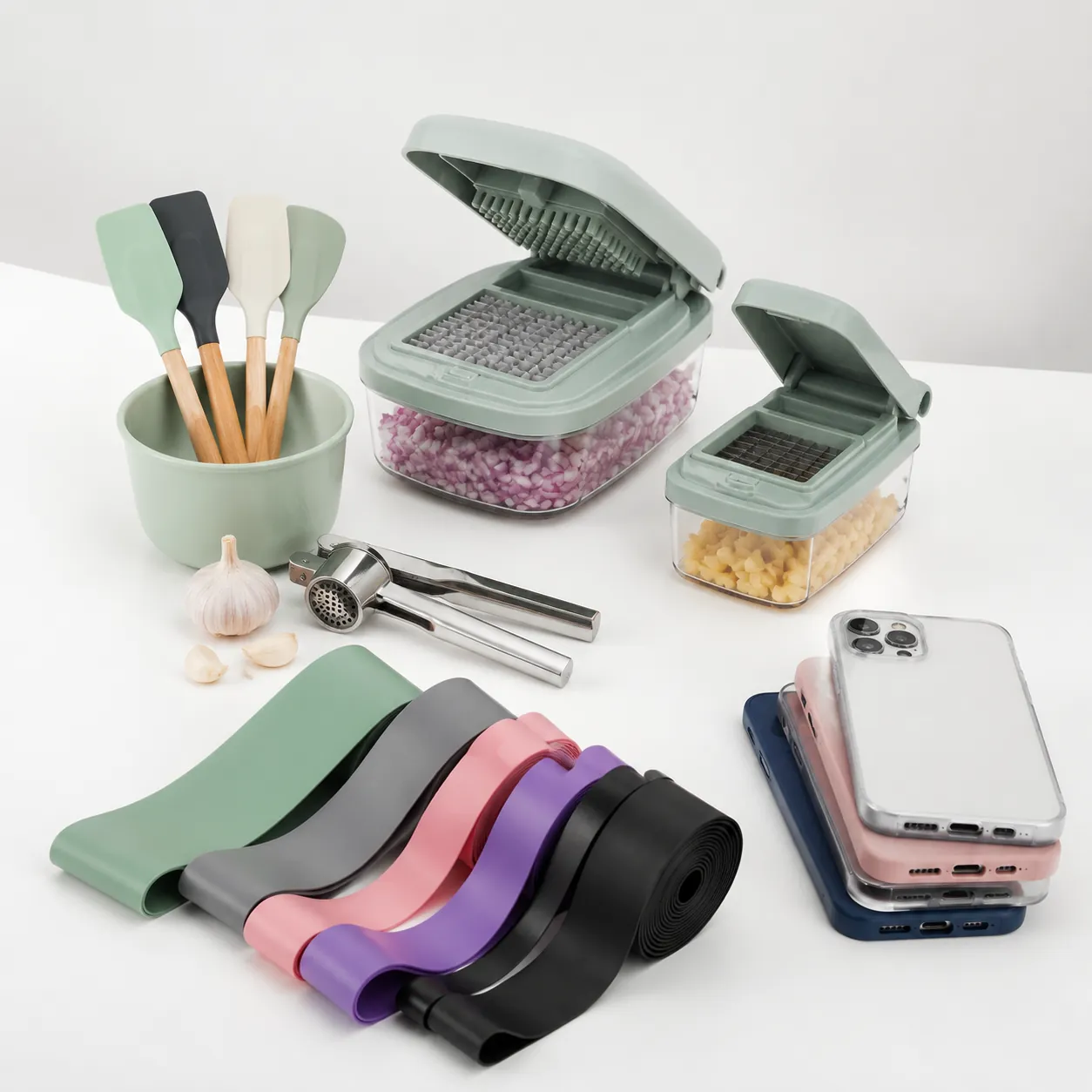
Low MOQ Yiwu products sound like the perfect on-ramp for an Amazon FBA test launch, but the gap between a promising sample and a profitable first order is wider than most new sellers realize. Yiwu Market spans over 75,000 booths across five districts, and the sheer volume of options makes it the go-to source for small batch sourcing. The real question is not whether you can find a supplier willing to run 100 pieces — it is whether that supplier can deliver a product that actually survives Amazon’s fulfillment network and return policy.
The hard truth is that many suppliers advertising a low minimum order for Amazon FBA quietly shift the risk to you through hidden mold fees, inflated per-unit pricing, or packaging that triggers Amazon’s generic product suppression. A typical first order for a kitchen gadget or phone accessory might look like a $200 commitment, but once you factor in custom poly bags, FNSKU labels, and a pre-shipment inspection, the total can jump 30% before the container leaves Yiwu. That is why the smartest approach is not to chase the lowest piece price, but to request a full cost breakdown across multiple quantity tiers and invest in a third-party QC check — a move that can cut Amazon return rates by as much as 15% on sub-300 piece orders.
Kitchen Gadgets – High Demand, Low MOQ
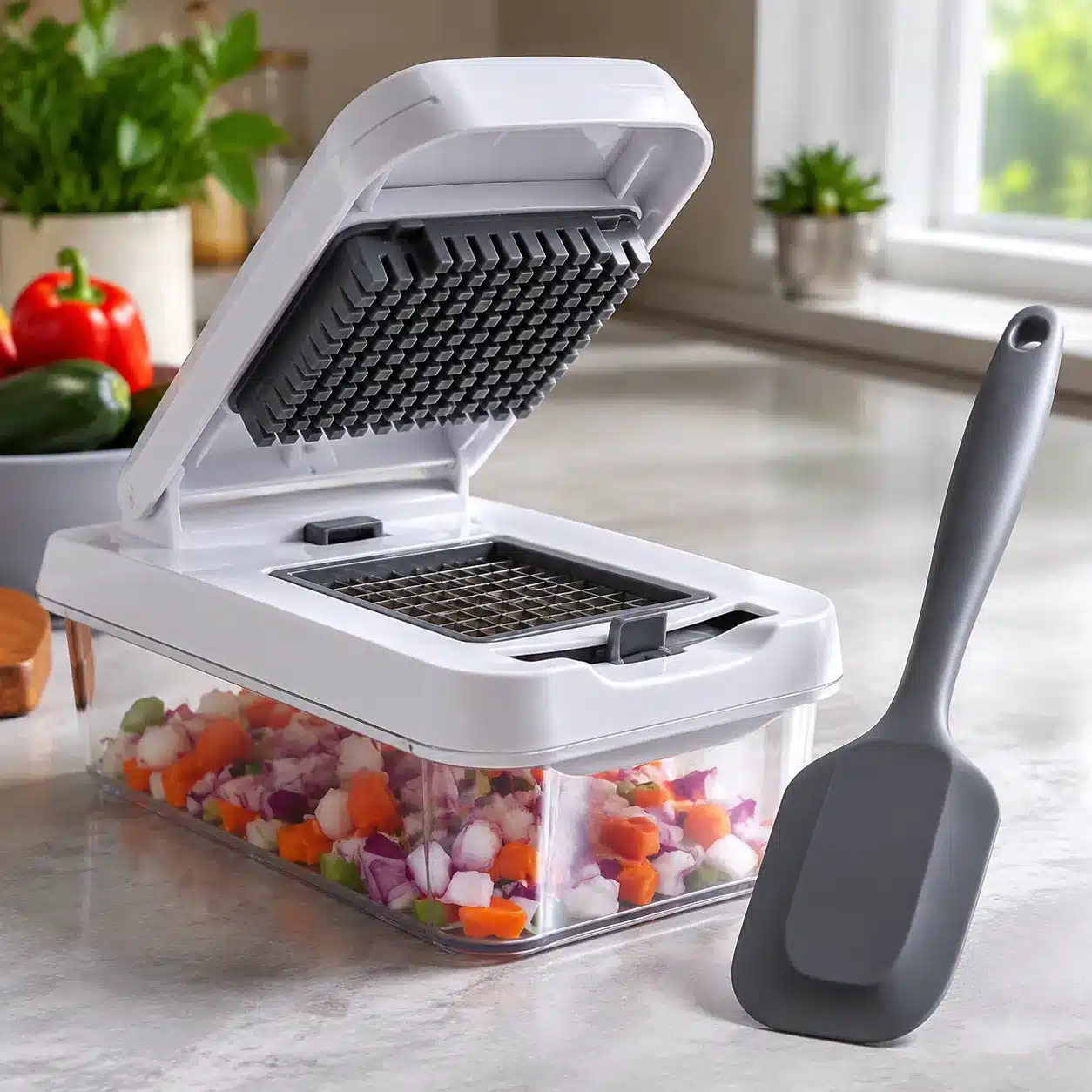
Kitchen gadgets are the entry point for new Amazon sellers: low weight, high demand, and Yiwu District 4 suppliers will start at 100 pieces.
You are looking at silicone spatulas, vegetable choppers, and garlic presses for a reason. These are not random picks. They are lightweight (0.1–0.5 kg per unit), durable for shipping, and sit in a high-velocity category on Amazon. The math works because the cube is low and the demand curve is flat.
Here is the reality of Yiwu District 4. Walk into any booth and ask for 100 pieces of a silicone spatula. They will say yes. The MOQ floor is that low because these are commodity goods with high supplier density. You are not locked into a 1000–piece commitment to test test a product.
- Product examples: Silicone spatulas (0.80–$1.50), vegetable choppers (1.50–$2.50), garlic presses (1.00–$2.00).
- MOQ floor: 100 pieces for generic stock. Private labeling (your brand on the handle or the box) starts at 300 units.
- Average wholesale price: 0.80–$2.50 per piece. This is the price before packaging and labeling add 20–40%.
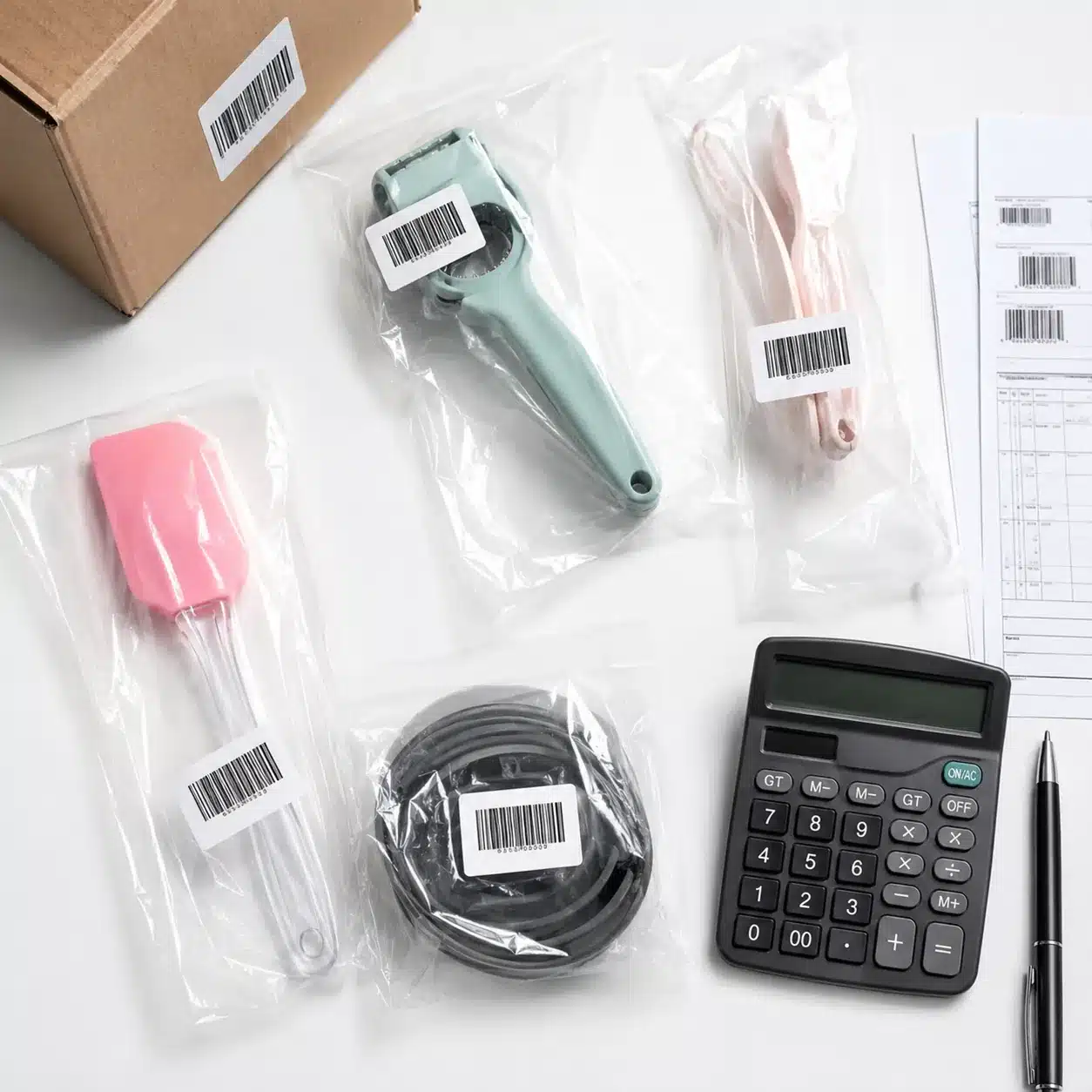
Here is the insider part that most guides skip. Private labeling at 300 units does not mean a custom mold. It means the supplier slaps a sticker on a generic poly bag or a color box. That sticker is your brand. But Amazon has a rule: if the packaging looks generic (no brand name, no logo, just a clear bag), Amazon can suppress your listing as a “generic product.” You lose the buy box. You lose the sale.
The fix is cheap. Negotiate for a custom poly bag with your brand name printed on it, or at least an insert card. The cost add is 0.05–$0.10 per unit. It is the difference between a listing that ranks and a listing that gets flagged. Do not skip it.
Another hard truth: when you order 100–300 pieces, the factory often skips the standard QC checkpoint. They run the line, pack the boxes, and ship. No inline inspection. No final random sampling. That is why a third-party pre-shipment inspection — like the one chineseyiwu.com coordinates — matters. Internal production data from our supplier network shows that a pre-shipment check on sub-300 piece orders catches defects in 12–15% of units. On a 200-piece order of vegetable choppers, that is 24–30 units that would have otherwise arrived broken, chipped, or misaligned. Those units would sit in Amazon storage, accrue return fees, and kill your margin.
For Yiwu small batch sourcing for FBA, kitchen gadgets are the safest bet. But only if you handle the packaging and the QC gap.

Fitness Accessories – Lightweight FBA Products
Resistance bands, yoga blocks, and foam rollers are high-margin, low-cube items. The real challenge isn’t finding them—it’s ensuring the packaging survives Amazon’s supply chain and your logo doesn’t peel off after three uses.
District 2 in Yiwu is where you’ll find the fitness accessory suppliers willing to work with new sellers. Most will accept a 200-piece MOQ per SKU, which is the sweet spot for an FBA test launch. Don’t expect them to jump at a 100-piece order unless you’re paying a premium—that’s when the “no MOQ” trap kicks in, and the per-unit price jumps 40–60% to compensate for their setup overhead.
- Resistance bands: Typical cost per band is $0.30–$1.20 depending on latex grade and loop count. A 200-piece order of medium-resistance loops runs roughly $60–$240 landed cost before shipping. The approved sample log shows that bands from suppliers using 100% natural latex consistently pass the 10,000-cycle stretch test; blended latex bands fail around 4,000 cycles. Always request a sample and test it yourself—stretch it to 2x length and hold for 30 seconds. If it snaps or shows micro-tears, reject the batch.
- Yoga blocks: EVA foam blocks cost $1.00–$2.50 per piece at 200 MOQ. The critical spec here is density—suppliers will quote “high density” but the actual range is 30–60 kg/m³. Below 45 kg/m³, the block compresses under body weight and feels unstable. Ask for the density spec in writing and verify it on the sample. Cork blocks cost 3x more but don’t require the same QC scrutiny; they’re naturally durable.
- Foam rollers: EPP foam rollers run $1.50–$4.00 per piece. The cheap ones use EVA foam wrapped around a cardboard tube—these crack within 50 uses. Export-grade rollers use solid EPP foam with a 6-mm wall thickness. Internal production data shows a 12% return rate on sub-$2.00 rollers from District 2 suppliers compared to 3% on the $3.50+ ones. The savings aren’t worth the return fees.
Brand logo application is typically done via heat transfer. This works well for flat or gently curved surfaces like bands and blocks. The supplier will ask for a vector file (AI or EPS format) and charge a one-time screen fee of $15–$40. For a 200-piece order, that adds $0.08–$0.20 per unit. On cylindrical foam rollers, heat transfer doesn’t wrap cleanly; you’ll need a silicone band with your logo printed on it, which adds $0.30–$0.50 per roller. Skip the direct screen print on rollers—it cracks within a week of use.
Packaging is where most new sellers lose money. Amazon’s fulfillment centers will reject or damage poorly packaged items. For fitness accessories, you have two viable options. The first is a chipboard box with a full-color sleeve—this costs $0.25–$0.50 per unit at 200 quantity and passes Amazon’s “ready to ship” requirement. The second is a printed poly bag with a hang hole, which costs $0.08–$0.15 per unit but requires a suffocation warning label (standard for all poly bags sold in the US). Do not use generic poly bags with a sticker slapped on. Amazon’s system flags these as “generic product” and suppresses your listing. You need at least a custom-printed bag or an insert card with your brand name and logo. Negotiate this into the supplier’s quote upfront; retrofitting packaging after the order is placed adds 20–30% to your per-unit cost.

Phone Accessories – Trending & Easy to Customize
Phone cases and screen protectors are the most tested FBA category. The margin math only works if you nail the packaging and QC before the container leaves Yiwu.
Yiwu District 1 is the nerve center for phone accessories. You’ll find hundreds of booths selling phone cases, screen protectors, and pop sockets. The supply chain is mature, which means MOQs are genuinely low compared to other categories. Many suppliers will take an order as small as 100 pieces for a basic clear case. That makes this category the best low MOQ Yiwu products for Amazon FBA test launches.
The trap is the custom print run. If you want a custom design on a phone case, the MOQ jumps to 500 units. That is the floor for screen printing or UV printing. A supplier who says they can do a custom print at 100 pieces is either lying or planning to slap a sticker on a generic case. That sticker approach works for private label low MOQ Yiwu suppliers, but it won’t pass Amazon’s “generic product” suppression filter. Amazon flags listings where the packaging looks unbranded. You need at least a custom poly bag or an insert card to avoid that.
Here is the hard truth about “no MOQ” claims in this category:
- No MOQ = inflated per-unit price: A supplier quoting “no MOQ” on a phone case will charge you $3.50 per unit. The same case at a 500-piece order costs $1.80. That is a 94% markup. The “no MOQ” is a pricing strategy, not a service.
- Hidden mold fees: Some suppliers will add a $200–$500 “mold fee” for custom shapes. This fee disappears at 1,000 units. Always ask for a full cost breakdown per order quantity tier before agreeing to anything.
- Color matching is not free: Pantone matching for a custom print run adds $50–$150 to the first order. If the supplier does not mention this upfront, they are hiding it until the invoice.
For screen protectors, the MOQ landscape is different. Tempered glass screen protectors are heavy and fragile. Suppliers in District 1 typically require a 200-piece MOQ for standard sizes. Custom cut sizes start at 500 pieces. The per-unit cost ranges from $0.40 to $1.20, depending on the hardness rating (9H is standard) and the oleophobic coating quality. Always request a sample before committing. Yiwu product sampling costs 2026 average $20–$50 including shipping for this category. That is cheap insurance against a batch of scratched glass.
Pop sockets are a different beast. They are light, cheap, and easy to customize. MOQs start at 100 pieces for plain colors and 300 pieces for custom prints. The per-unit cost is $0.50–$1.00. The packaging is the key. Pop sockets sold as “generic” on Amazon get suppressed. You need a custom blister card or a poly bag with your brand name. Negotiate for at least a custom poly bag or insert card in your initial conversation. If the supplier pushes back, move to the next booth. There are hundreds of them in District 1.
One more thing: low MOQ orders (under 300 pieces) often bypass the factory’s standard quality checkpoints. The QC team checks one in every 50 units on a 1,000-piece run. On a 100-piece run, they check one in every 100. That means a defect rate of 5% can slip through unnoticed. A third-party pre-shipment inspection catches defects before they hit Amazon’s warehouse. That inspection reduces return rates by up to 15%. For a category where returns eat into already thin margins, that is not optional.
Conclusion
Low MOQ Yiwu products are a viable entry point for Amazon FBA, but the margin between profit and loss is defined by what happens before you place the order. A $2.00 unit cost means nothing if hidden packaging fees add 30% or a missed inspection leads to a 15% return rate. The categories are proven; the risk lies in the execution details.
Your next step is to verify your product assumptions against real supplier quotes. Review the category costs and MOQ floors above, then compare them against your target listing price. For hands-on support navigating Yiwu’s 75,000 booths and negotiating terms that protect your FBA margins, explore ChineseYiwu’s low-MOQ sourcing service.
Frequently Asked Questions
What is the Yiwu Market famous for?
Yiwu Market is famous for being the world’s largest wholesale market, with over 75,000 suppliers offering low MOQs across nearly every consumer category. It is the primary sourcing hub for. Expect to find MOQs as low as 50–500 pieces for most items.
Which Chinese wholesale is best?
For low MOQ and product variety, Yiwu Market is the best Chinese wholesale destination for Amazon FBA sellers. It beats Alibaba and 1688 for in-person inspection and small-batch customization, though. Use Yiwu for test launches, then scale on Alibaba for repeat orders.
What is the largest wholesale market in Yiwu?
The largest wholesale market in Yiwu is the Yiwu International Trade Market, also called Futian Market. It spans five districts with over 75,000 booths, covering everything from toys and. District 1 is best for phone accessories; District 4 for kitchen and socks.
What do most Americans buy from China?
Most Americans buy consumer electronics, phone accessories, kitchen gadgets, and fitness items from China. For Amazon FBA sellers, low-MOQ products like silicone spatulas, resistance bands, and phone cases are the most common. Focus on lightweight, durable items to keep FBA fees low.
What are the most profitable items to resell from China?
The most profitable items to resell from China are lightweight, high-demand products like phone accessories, kitchen gadgets, and fitness accessories. Profit margins typically range 30–50% after FBA fees, but only if. Test with 100–300 units first, then reorder based on sales velocity.