Джастин
Every list of “best wholesale clothing vendors” points you at the same directories and marketplaces — FashionGo, Faire, a boutique supplier in Los Angeles. They work, but they share one thing: you’re buying from a middleman who already imported the goods and added a margin. For a boutique testing styles, that’s fine. For a brand doing real volume, the vendor you pick decides whether you keep 20% or 45% of the sale. This guide breaks down the actual types of wholesale clothing vendors, what each costs you, and when sourcing apparel direct from China beats every marketplace on the list.
Clothing is one of the highest-margin categories to source well and one of the easiest to get burned on — sizing drift, fabric that pills, prints that crack after five washes. The vendor type you choose sets both your cost and your quality risk. So before you pick a name off a directory, understand what you’re actually choosing between.
Key Takeaways
- Wholesale clothing vendors fall into four types: online marketplaces, domestic distributors, China-direct factories, and sourcing agents — each a different cost-and-effort trade.
- Marketplaces and domestic distributors are easy and low-MOQ but carry the most markup; China-direct is cheapest at volume but you handle QC and shipping.
- Stock apparel can be bought in small quantities; custom or private-label runs typically start around 300–1,000 pieces per style.
- The three defects that drive clothing returns: inconsistent sizing, poor fabric quality, and prints or stitching that fail after washing.
- Always approve a physical pre-production sample for fit, fabric, and print before a full run — a photo hides all three failure modes.
- Use marketplaces to test styles, then move proven sellers to China-direct sourcing to reclaim the margin.
The Four Types of Wholesale Clothing Vendors
“Vendor” covers four very different things, and the directories blur them together. Knowing which you’re dealing with tells you what you’ll pay and what work you’re taking on.
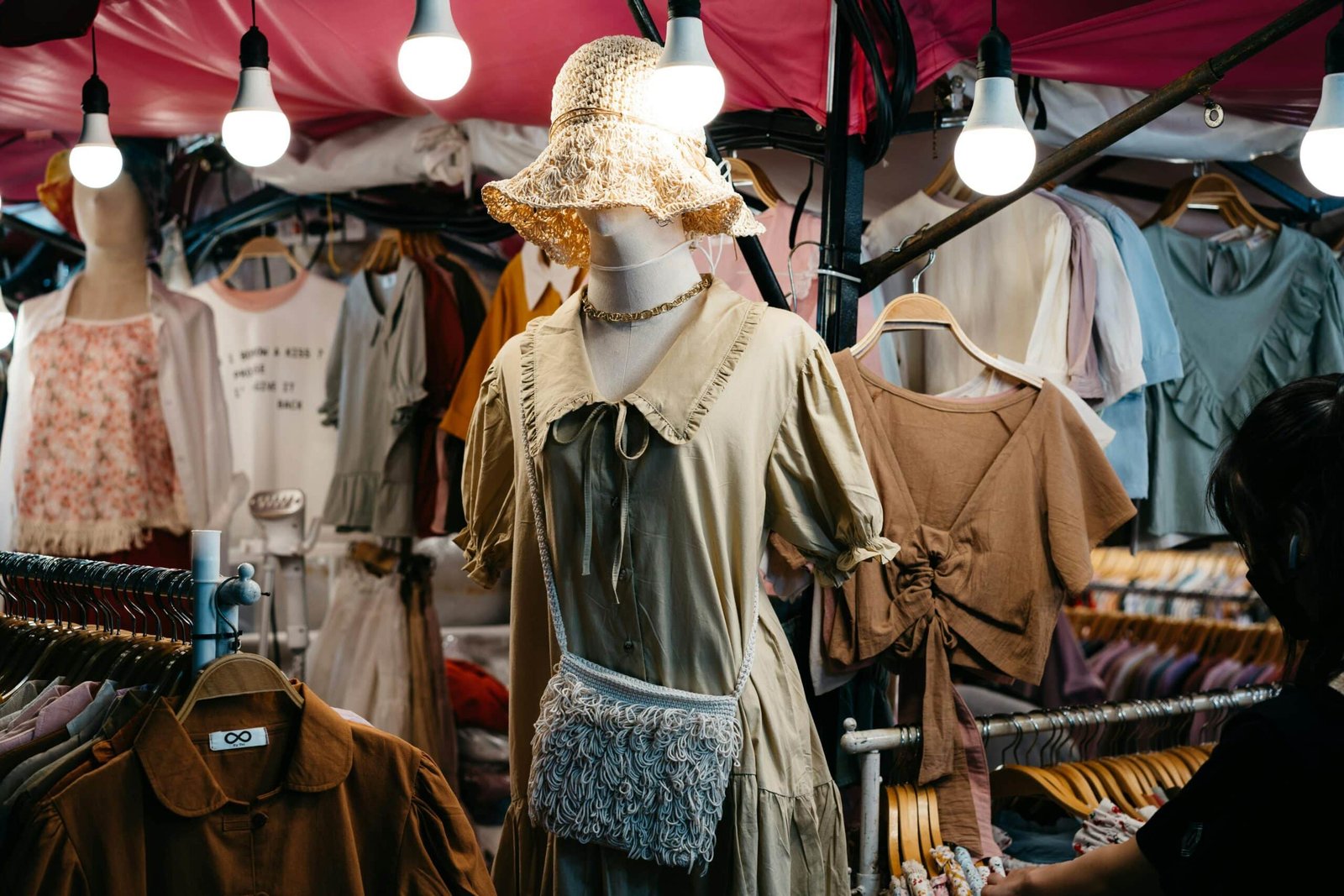
- Online wholesale marketplaces (FashionGo, Faire, and similar) — huge catalogs, low minimums, instant access. Easiest to start; highest markup, because the platform and the vendor both take a cut.
- Domestic distributors and importers — a US or local company that has already imported stock and resells it. Fast shipping, no import hassle; you pay for the importing they did.
- China-direct factories — the mills and garment factories that actually make the clothes, many reachable through the Yiwu and Guangdong apparel clusters. Lowest cost at volume; you handle MOQ, QC, and shipping.
- Sourcing agents — a partner on the ground in China who finds the factory, negotiates, inspects, and consolidates for you. A middle path: near-factory pricing without doing the legwork yourself.
What Each Vendor Type Really Costs
The right choice depends on your stage and volume, not on which directory ranks first. Here’s the honest trade-off across the four:
| Vendor type | Unit cost | MOQ | Work on you |
|---|---|---|---|
| Online marketplace | Самый высокий | Very low | Minimal |
| Domestic distributor | High | Low–medium | Low |
| China-direct factory | Самый низкий | Medium–high | High (QC, shipping) |
| Sourcing agent | Near-factory | Flexible | Low (agent handles it) |
The pattern is consistent: the less work you do, the more margin you give up. A boutique buying 12 units of 30 styles belongs on a marketplace. A brand ordering 2,000 units of a proven bestseller is burning money there — that volume belongs at the factory, directly or through an agent. Our breakdown of a factory versus a trading company helps you tell who you’re really buying from once you go direct.
Sourcing Clothing Direct from China
China’s apparel supply chain is deep and specialized — knitwear, denim, activewear, and fast-fashion each cluster in different regions, with the Yiwu area strong on accessories, basics, and lower-MOQ runs. Going direct means two paths:
- Stock apparel — existing designs bought off the shelf, low minimums, fast. You share the design with every other buyer.
- Custom or private-label — your design, fabric, and label, typically from around 300–1,000 pieces per style depending on the garment. This is how a clothing brand is actually built.
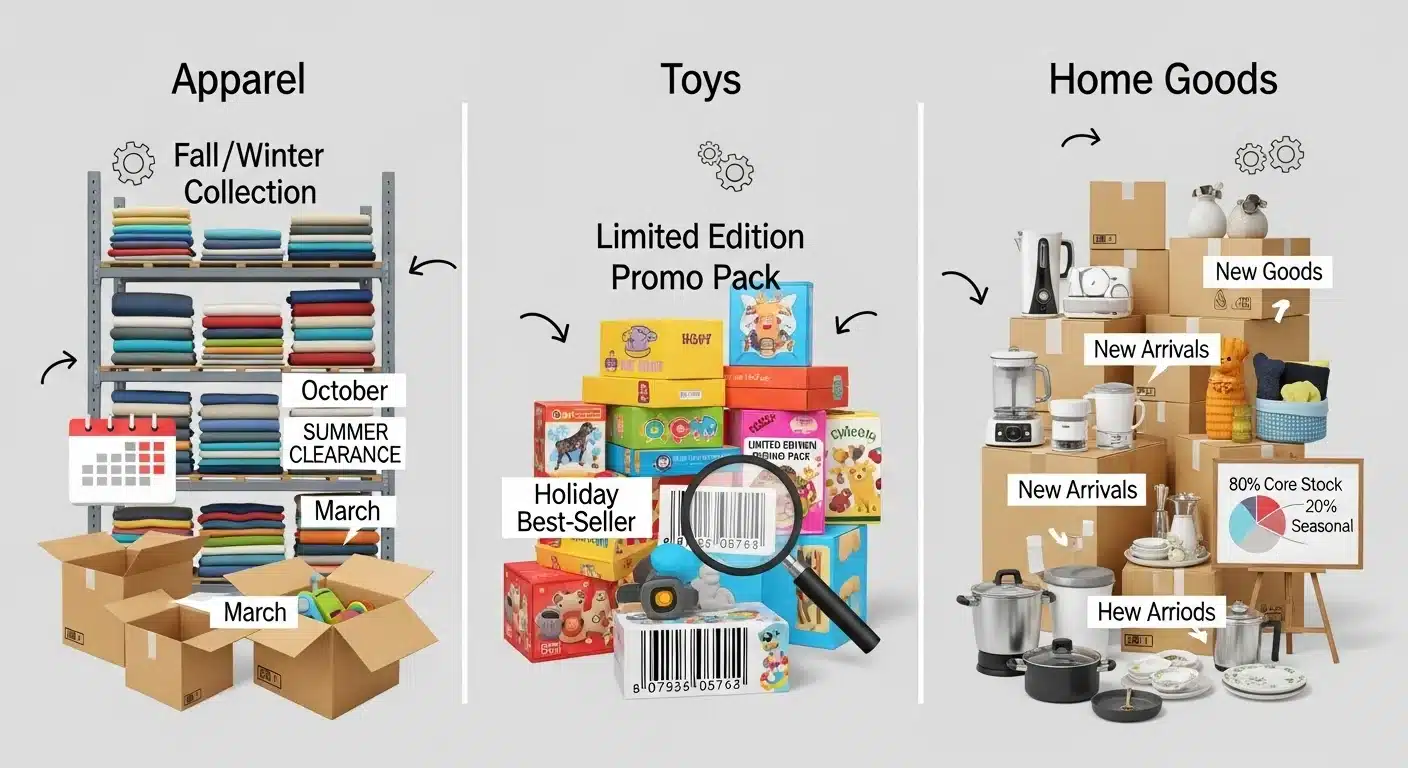
For anything branded, insist on a pre-production sample and approve it in hand — fit, fabric weight, stitching, and print all need a physical check, because colors and sizing shift between a screen and a finished garment. The mechanics mirror any private-label sourcing project: artwork approval, a sample sign-off, then the full run. Skipping the sample is the single most expensive mistake in apparel — it’s how brands end up with 1,000 pieces in the wrong shade or a size run that fits nobody.
Quality Control: The Three Defects That Drive Clothing Returns
Apparel returns cluster around three failures, all invisible in a photo and all catchable before you pay the balance.
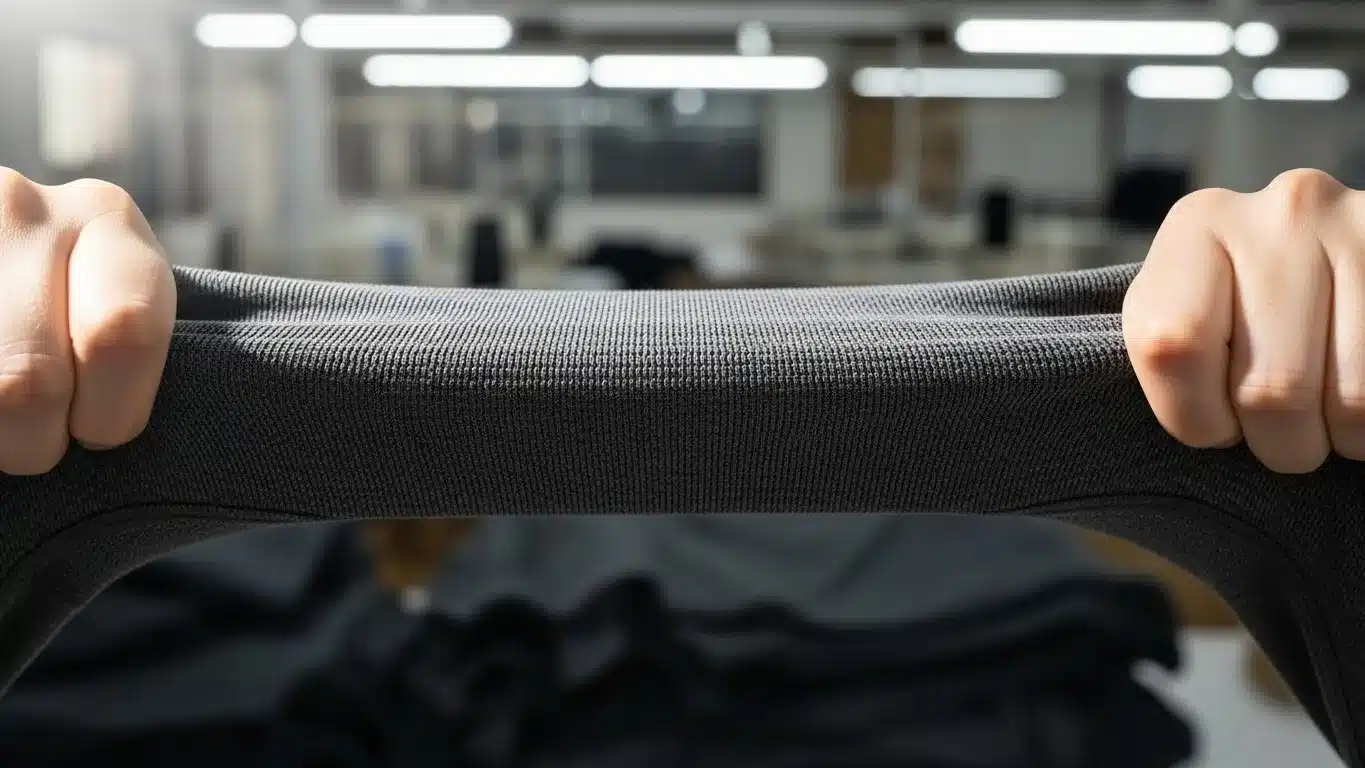
Inconsistent sizing. Cheap production drifts, so a “medium” varies garment to garment. Measure key points — chest, length, sleeve — across several pieces from different cartons, not one sample.
Fabric quality. The wrong fabric weight or a low-grade blend pills, shrinks, or feels cheap on arrival. Confirm the fabric composition and weight (GSM) in writing and check it against the sample.
Print and stitching failure. Heat-pressed prints crack and seams unravel after a few washes — a delayed defect that generates reviews, not immediate returns. Wash-test a sample before approving, and prefer durable print methods for anything that will be laundered often.
Fold these into a formal AQL inspection before the balance payment, with the inspector pulling garments from packed cartons across the order. For apparel sold in regulated markets, confirm fiber-content and care labeling up front — mislabeled content is a common compliance failure.
Which Vendor Is Right for Your Stage?
| Best for | Not ideal for |
|---|---|
| Marketplace/distributor: boutiques testing many styles at low volume | High-volume brands leaving factory margin on the table |
| China-direct: proven sellers ordering enough to clear factory MOQ | Sellers with no QC process or unvalidated designs |
| Sourcing agent: brands wanting factory pricing without the legwork | Tiny orders where an agent’s involvement isn’t worth it |
| Private-label: building an owned clothing brand with custom fabric and labels | Anyone unwilling to approve a pre-production sample first |
The smart path uses more than one: test styles cheaply on a marketplace, identify the sellers, then move those proven pieces to China-direct or an agent to reclaim the margin the middle layers were taking. The vendor list isn’t a ranking to pick one winner from — it’s a sequence you move through as a product proves itself.
If you’ve proven a clothing line and want to source it direct from China — with the factory verified, a pre-production sample approved, and an AQL inspection before you pay the balance — our Yiwu team can source, sample, inspect, and ship it for you.
Часто задаваемые вопросы
What are the main types of wholesale clothing vendors?
Four: online marketplaces (FashionGo, Faire), domestic distributors who resell already-imported stock, China-direct factories, and sourcing agents who buy from factories on your behalf. Marketplaces and distributors are easiest but cost the most; China-direct is cheapest at volume but you handle quality control and shipping.
What is the minimum order for wholesale clothing from China?
Stock apparel can be bought in small quantities off the shelf. Custom or private-label runs with your own design, fabric, and label typically start around 300–1,000 pieces per style, depending on the garment and factory. Always approve a pre-production sample before committing to a full run.
Is it cheaper to buy clothing direct from China than from a wholesale vendor?
Usually yes at volume, because you remove the importer and distributor margins baked into a domestic vendor’s price. The trade-off is handling the MOQ, quality control, and international shipping yourself, or paying a sourcing agent to manage it — which still lands well below marketplace pricing on a proven, higher-volume order.
How do I avoid quality problems with wholesale clothing?
Approve a physical pre-production sample for fit, fabric, and print, then run an AQL inspection on the packed order before releasing the balance. Measure sizing across multiple pieces, confirm fabric weight and composition in writing, and wash-test for print and seam durability — the three defects that drive most clothing returns.
Written by the ChineseYiwu Sourcing Team — based inside the Yiwu International Trade City since 2005, with 50+ sourcing specialists handling supplier verification, quality inspection, and consolidated shipping for apparel importers and brands worldwide.