Джастин
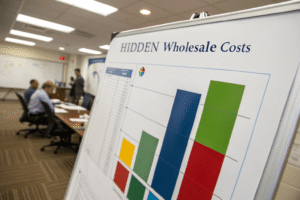
A bad total стоимость земли number usually shows up after the PO is approved. Freight lands higher than quoted. Duty gets calculated on the wrong HS code. A “small” destination fee appears at the port, and suddenly the margin you signed off on is gone. I have seen buyers lose a full percentage point of margin because they treated factory price like the real cost. It is not.
Here is the part most teams miss: you need one number for the whole shipment and one number per unit, or supplier comparison gets messy fast. This article gives you the landed cost formula, shows how to include duties, taxes, freight, insurance, brokerage, handling, and overhead, and explains how to allocate shared charges across mixed SKUs without fooling yourself. You will also see where EXW, FOB, and DDP change the math, which fees belong in the model, and how to build a spreadsheet that holds up in a buying review.
What Landed Cost Means
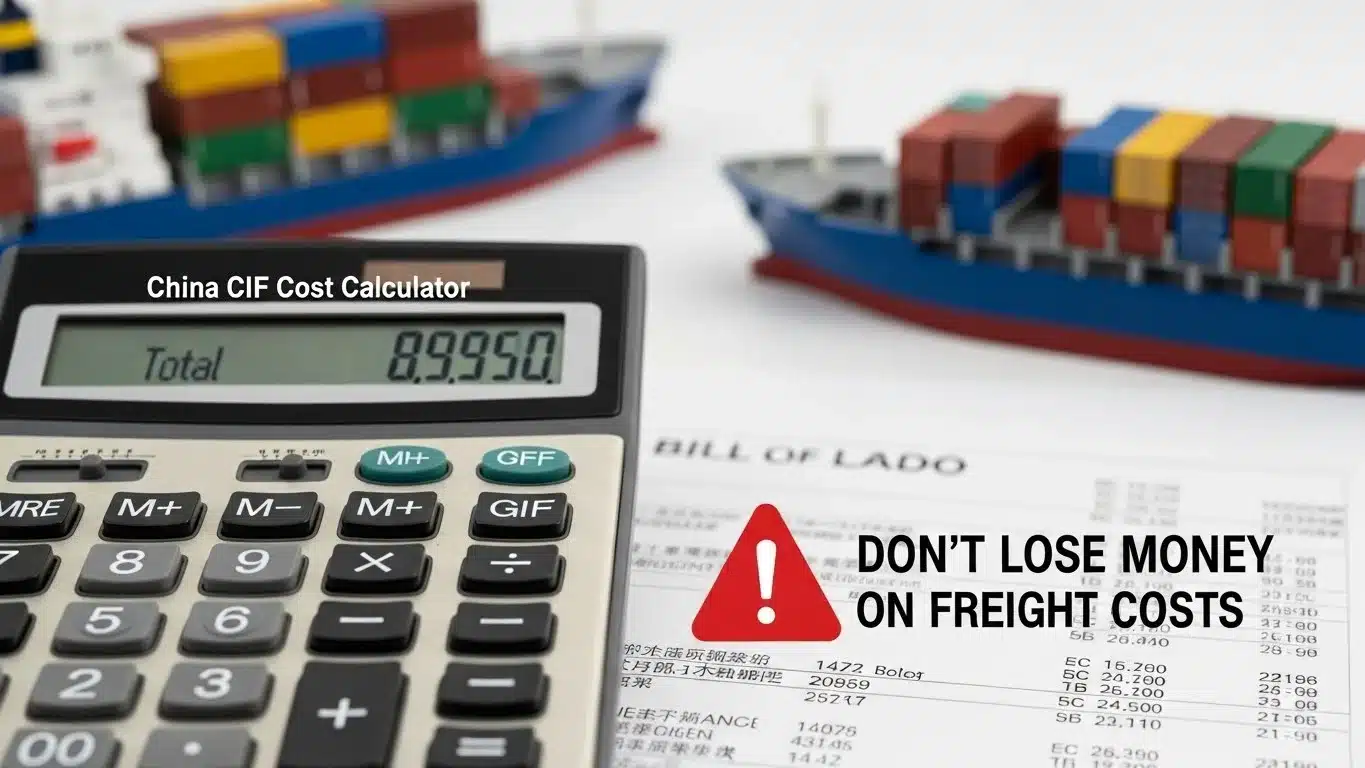
Total landed cost is the real number procurement should approve. Factory price is only one input; freight, duties, fees, and risk decide the actual margin.
What landed cost means
Landed cost is the full cost to move goods from the supplier to your warehouse. It should include product cost, international freight, insurance, duties, taxes, handling, brokerage, and any destination charges. If you leave out one line, the margin model is already wrong.
For procurement teams, landed cost is the number that supports supplier comparison. It also gives you landed cost per unit, which is the only fair way to compare different MOQs, packaging sizes, and freight modes across suppliers.
Why ex-factory price is misleading
Ex-factory price looks cheap because it ignores the costs that arrive later. Freight, customs duty, tax treatment, inspection fees, brokerage, and warehouse overhead can add enough cost to wipe out the apparent savings.
- Freight: A low unit price can become expensive once air, sea, or consolidated freight is added.
- Customs and taxes: Duty rate, VAT, and customs classification change the final import cost.
- Handling and brokerage: Destination fees often appear after the supplier quote is approved.
- Risk costs: Delays, inspections, rework, demurrage, and currency conversion create real procurement leakage.
A supplier quoting low ex-factory price may still be the expensive option once you load the shipment correctly. That is why procurement teams should ask for quote validity, Инкотермс, duty assumptions, and destination-charge responsibility before comparing offers.
How procurement teams should model it
Use one calculation for total shipment cost and another for landed cost per unit. For mixed-SKU shipments, allocate shared freight and fixed fees by value, weight, quantity, or volume, depending on how the container is actually loaded and billed.
This matters most when one supplier quotes EXW, another quotes FOB, and another quotes DDP. Without a common landed cost model, the comparison is not apples to apples, and the margin forecast will not hold up in review.
What to include in a clean landed cost model
- Product cost: Supplier unit price multiplied by ordered quantity.
- Freight and insurance: International transport plus cargo cover, if applicable.
- Пошлины и налоги: Based on customs classification and tax treatment at destination.
- Handling and brokerage: Terminal charges, customs broker fees, and clearance costs.
- Overhead and risk: Inspection, re-inspection, delay exposure, demurrage, and currency conversion.
If you are sourcing through verified Yiwu suppliers, this model is what keeps the quote honest. It also helps procurement protect stock availability, because the cheapest quote is useless if it creates delays, rework, or surprise destination charges.
| Concept | What It Includes | Why It Matters |
|---|---|---|
| Общая стоимость высадки | Product cost + international freight + duties/taxes + insurance + handling + brokerage + destination fees + overhead | This is the true all-in import cost. Factory price alone hides margin leakage and distorts supplier comparison. |
| Landed Cost per Unit | Total shipment cost divided by units received | Gives an apples-to-apples number for PO approval, pricing, and retail margin planning. |
| Allocation Method | Split shared freight and fixed fees by value, weight, quantity, or volume | Mixed-SKU shipments need a clear allocation rule or SKU margin will be misstated. |
| Incoterms Impact | EXW, FOB, and DDP determine who pays origin charges, freight, customs, and destination costs | Quote format changes the landed cost model and can create false low-price comparisons. |
| Risk Costs | Delays, inspections, rework, demurrage, and currency conversion losses | These recurring costs affect stock availability and should be modeled in total cost of ownership. |
Formula Breakdown
Total landed cost is the only number that protects margin. If you miss freight, duties, handling, or delay costs, your supplier comparison is already wrong.
Core formula
The working formula is simple: Product Cost + Transportation + Customs Duties and Taxes + Insurance + Handling + Overhead = Landed Cost. For procurement, that number should be calculated both as total shipment cost and as landed cost per unit. That is the only fair way to compare suppliers with different MOQs, freight modes, and quote structures.
If you only look at factory price, you are measuring first cost, not total cost of ownership. The gap usually shows up in freight, duty assumptions, destination charges, and rework. In mixed-SKU shipments, the real mistake is not the formula itself. It is failing to allocate shared costs across the right SKUs.
Cost buckets that belong in the model
A usable landed cost model needs every bucket that changes the final invoice position. For China sourcing, that usually includes origin freight, ocean or air freight, destination charges, brokerage, VAT or GST, warehousing, demurrage, and rework. If a cost can hit the PO, the shipment, or the receiving process, it belongs in the model.
- Origin freight: Inland pickup, export trucking, origin handling, and any charge from factory door to port or airport.
- Ocean or air freight: Main transport cost, often the biggest variable between EXW, FOB, and DDP quotes.
- Destination charges: Terminal fees, delivery fees, customs release fees, and last-mile import handling.
- Brokerage: Customs clearance service fees and document handling charges.
- VAT or GST: Import tax treatment at destination, depending on the product and country rules.
- Warehousing: Storage fees when inventory sits before release, consolidation, or onward delivery.
- Demurrage: Delay penalties when cargo stays too long at port, terminal, or airport.
- Rework: Relabeling, repacking, inspection follow-up, and any correction needed before sale or distribution.
These buckets matter because they do not behave the same way. Brokerage is usually fixed or semi-fixed. Freight moves with weight, volume, route, and mode. Warehousing and demurrage are time-based. Rework is a risk cost, but in real procurement it is recurring enough to model, not ignore.
How route, Incoterm, and product category change the answer
Route drives the transport line. Air freight is faster but usually pushes the landed cost up sharply for bulky or low-margin goods. Ocean freight is slower but often wins on unit economics for denser inventory. Destination charges also change by lane, because some ports and airports carry heavier handling and clearance fees than others.
Incoterms change who owns which cost bucket. Under EXW, the buyer takes on more origin-side risk and transport responsibility. Under FOB, the seller covers the export-side handoff, but the buyer still carries main freight and destination costs. Under DDP, more of the chain is bundled into the supplier quote, which can make comparison easier but only if the duty assumptions and destination charges are transparent.
Product category changes the math through customs classification, tax treatment, packaging, and volumetric freight. Small, dense items usually tolerate freight better than large, light cartons. Fragile or regulated goods often trigger extra inspection, compliance checks, or rework. That is why a true landed cost model must separate quote price from the costs created by the product itself.
Mixed-SKU shipments are where most supplier comparisons break. Shared freight and fixed fees should be allocated by value, weight, quantity, or volume, depending on what actually drives the cost. If a carton is heavy, weight allocation is usually more defensible. If one SKU consumes most of the freight space, volume allocation is cleaner. If duties are ad valorem, value allocation makes more sense.
That is why procurement teams should calculate both total landed cost and landed cost per unit. The total figure protects the budget. The unit figure protects margin and makes supplier comparison possible across different MOQs and freight modes. Without both, you cannot tell whether a lower factory quote is genuinely cheaper or just hiding cost in freight and destination fees.
The costs buyers forget until the shipment is already delayed
The hidden leakages are not exotic. They are the boring charges that show up after the PO is approved. Supplier quote validity, duty assumptions, inspection fees, brokerage fees, demurrage, currency conversion, and re-inspection can all move the landed number. A serious procurement model treats these as modeled costs, not surprises.
That is where landed cost and operational risk meet. If a shipment delays restock, the cost is not only the fee on the invoice. It can also be stockout exposure, missed sales, and supplier scorecard damage. For a buyer managing restocks, the right question is not whether the quote is low. It is whether the all-in landed cost is defensible and repeatable.
Step-By-Step Method
Build landed cost from all-in inputs first, then allocate shared charges by value, weight, or cube before you compare suppliers or approve replenishment.
Build the landed cost inputs first
Start with unit price and order quantity, then add freight quote, duty rate, tax treatment, insurance rate, handling costs, and any brokerage or destination fees. If you leave out one line item, the margin math is already wrong.
For procurement, the clean model is simple: total landed cost equals product cost plus international freight plus duties and taxes plus insurance plus handling and overhead. That is the number you need for supplier comparison, not factory price alone.
Use a spreadsheet-ready formula
A practical landed cost formula for China sourcing can be written in Excel as: product cost + freight + duty + tax + insurance + handling + inspection + brokerage. If the shipment is DDP, do not assume the quote is fully clean; confirm which destination charges are already included and which are still your responsibility.
- Product cost: Unit price multiplied by order quantity.
- Международные грузоперевозки: Use the carrier or forwarder quote, not an estimated average.
- Duty and taxes: Apply the correct customs classification and tax treatment to the declared value.
- Insurance: Model the premium as a shipment-level cost and allocate it into unit cost.
- Handling and brokerage: Include destination processing, customs brokerage, and any inspection fee.
This is the difference between first cost and total landed cost. First cost tells you what you paid the supplier. Landed cost tells you what the inventory really cost to receive, clear, and book into stock.
Mixed-SKU shipments break simple math. Shared freight and fixed fees need a defensible allocation method, and the right method depends on shipment composition.
- By value: Use this when high-value SKUs should absorb a larger share of insurance or duty-driven landed cost.
- By weight: Use this when freight is driven by actual weight and the products are dense.
- By cube: Use this when volumetric freight drives the charge, especially with bulky packaging.
- By quantity: Use this when the shipment has similar unit value, size, and handling profile.
If you allocate freight the wrong way, one SKU looks profitable when it is not, and another looks too expensive to reorder. That is how margin leakage hides inside mixed-container buying.
Why allocation changes margin and replenishment decisions
Shared-charge allocation affects both margin analysis and restock planning. A supplier that looks cheap on factory price can become uncompetitive once freight, duties, handling, and delays are assigned correctly to each SKU.
For replenishment, buyers need landed cost per unit, not just total shipment cost. That number drives pricing, reorder thresholds, and whether a low-MOQ offer is actually better than a larger, lower-cost-per-unit purchase from another supplier.
We also model delay risk, re-inspection, demurrage, and currency conversion as real procurement costs. If you ignore them, your landed cost model will look clean on paper and fail in the real buying cycle.

Calculation Example
Total landed cost only works when every charge is loaded into one per-unit number. If you leave out freight, duty, brokerage, or destination fees, your margin model is wrong.
Single-SKU landed cost example
Use one clean example first, then copy the structure into Excel. Assume 1,000 units bought at $2.40 each under FOB terms. Add $380 freight, $120 duty, $35 insurance, $65 brokerage, and $50 handling. The shipment-level landed cost is $3,050, which works out to $3.05 per unit.
- Quantity: 1,000 units
- Unit price: $2.40
- Product cost: $2,400
- Freight: $380
- Duty: $120
- Insurance: $35
- Brokerage: $65
- Handling: $50
- Total landed cost: $3,050
- Landed cost per unit: $3.05
The point is not the exact freight number. The point is that first cost of $2.40 turns into $3.05 before inventory even reaches your shelf. For procurement, that gap is where margin leakage starts.
Before and after gross margin impact
If you sell at $4.50, the gross margin looks very different depending on whether you use first cost or landed cost. At first cost, gross margin is $2.10 per unit, or 46.7%. At landed cost, gross margin drops to $1.45 per unit, or 32.2%.
- Selling price: $4.50
- Gross margin using first cost: $2.10 per unit, 46.7%
- Gross margin using landed cost: $1.45 per unit, 32.2%
- Margin difference: $0.65 per unit, 14.5 percentage points
That is why landed cost vs first cost in purchasing is not a theory issue. It changes buying approval, retail pricing, and restock decisions. A supplier that looks cheaper on paper can be worse once duties, brokerage, and destination charges are included.
Mixed containers need allocation rules, otherwise the numbers are fake precision. Use value for duties, weight or volume for freight, and quantity for fixed fees when that is the cleanest commercial split. If one SKU is light and high value while another is heavy and low value, do not force one blanket allocation method across both.
- SKU A: 500 units at $1.80 each, product cost $900, weight 120 kg
- SKU B: 200 units at $6.00 each, product cost $1,200, weight 80 kg
- Total freight and handling: $420
- Total customs duty and taxes: $210
- Total insurance and brokerage: $70
In this setup, allocate freight by weight because the cargo is physically driving the shipping cost. SKU A absorbs 60% of freight, or $252, because it is 120 kg out of 200 kg. SKU B absorbs 40%, or $168. Then allocate duty by product value: SKU A carries 43% of the duty, and SKU B carries 57%. That keeps the true landed cost model defensible when finance asks how the shared charges were split.
For procurement teams, this is the real use case. A total landed cost calculator for procurement must handle EXW, FOB, and DDP quotes, then normalize them into one apples-to-apples number. If a supplier offers DDP shipping, destination charges may already be embedded. If the supplier quotes FOB or EXW, the buyer has to add freight, duty, brokerage, inspection, and any rework or delay risk explicitly.


Procurement Traps
If DDP scope is unclear, the quote is not ready for final approval. Hidden destination fees can break total landed cost and wipe out margin.
Hidden charges that distort total landed cost
A factory price is not your landed cost. For procurement, the real number must include product cost, international freight, duties and taxes, insurance, handling, and overhead. If any one of those is missing, the margin analysis is wrong.
The charges that usually get missed are last-mile delivery, port handling, warehouse receiving, currency conversion, inspection costs, and customs delays. These are not edge cases. They are the recurring leakage points that make supplier quotes look cheaper than they are.
- Last-mile delivery: Final transport from port or warehouse to the receiving site.
- Port handling: Terminal, unloading, and local cargo handling fees.
- Warehouse receiving: Inbound handling, count checks, and put-away charges.
- Конвертация валют: FX spread and bank fees when paying in foreign currency.
- Inspection costs: Pre-shipment or arrival inspection to protect compliance and quality.
- Customs delays: Extra storage, demurrage, and missed restock timing when clearance stalls.
For mixed-SKU orders, do not spread these costs casually. Allocate them by value, weight, quantity, or volume, depending on what actually drives the freight and handling bill. That is how you get a true landed cost per unit instead of a fake average.
How DDP and EXW change who pays what and when
Incoterms decide where cost responsibility shifts. Under EXW, the buyer carries most of the chain after pickup. Under DDP, the seller is supposed to deliver with duties and destination charges covered, but only if the scope is written clearly.
This matters because the same factory price can produce very different total landed cost outcomes. An EXW quote may look low, but freight, export handling, import duty, brokerage, and delivery all move back to the buyer. A DDP quote may look higher, but it can be easier to compare if the scope is complete and consistent.
- EXW: Buyer pays pickup, export handling, freight, import clearance, duty, tax, and final delivery unless separately arranged.
- FOB: Seller covers export side to the loading point; buyer takes over main freight and destination costs.
- DDP: Seller is responsible for delivery to the named destination, including duties and import-side charges if properly defined.
- Destination-charge responsibility: Must be stated in writing for brokerage, unloading, storage, and local delivery.
For procurement approval, do not compare Incoterms by headline price alone. Compare the same delivery point, the same customs basis, and the same handling scope. If those inputs are different, the quote is not apples-to-apples.
Decision rule before final approval
Use one hard rule: if DDP scope is unclear, the model is not ready for final approval. No exception. If the quote does not clearly state who pays freight, duty, brokerage, destination handling, and last-mile delivery, the landed cost number is incomplete.
A defensible procurement model should show both total landed cost and landed cost per unit. That gives buyers a clean way to compare suppliers with different MOQs, different freight modes, and different packaging dimensions. It also protects margin when delays, inspections, rework, or currency conversion add real cost after the order is placed.
In practice, we treat unclear DDP as a risk flag, not a commercial term. If the supplier cannot define scope in writing, the quote should stay on hold until the destination charges, tax treatment, and import documentation checks are explicit.
Risk Buffer
Risk buffer is not optional in total landed cost. If you leave out re-inspection, replacement, delay, and stockout exposure, your margin model is wrong.
Model risk as a line item, not a footnote
A clean landed cost model should include the base shipment and the likely exception costs. That means product cost, freight, duties, insurance, handling, brokerage, and overhead, plus modeled risk for quality failure and delay exposure.
For procurement teams, the point is simple: a low quote is not a low landed cost if it triggers extra inspection, rework, or missed restock windows. We treat those costs as part of total cost of ownership because they affect cash, margin, and service levels.
Use an Excel-ready risk buffer formula
A practical formula is: total landed cost = product cost + international freight + duties and taxes + insurance + handling + brokerage + overhead + modeled risk cost. Then divide by units to get landed cost per unit.
- Quality failure risk: re-inspection fee, rework labor, replacement goods, and extra inbound freight
- Delay exposure: missed sell-through, stockout cost, expedited replenishment, and demurrage if cargo sits too long
- Currency and charge drift: exchange-rate movement, brokerage changes, and destination fee adjustments
This is the difference between first cost and true landed cost. A supplier can look cheapest at EXW or FOB, but lose on delay, inspection failures, or DDP destination charges that were never included in the first quote.
Mixed containers need allocation, or the comparison is useless. We usually split shared freight and fixed fees by value, weight, quantity, or volume, depending on what actually drives the charge.
- By value: useful when customs duty and insurance track invoice value
- By weight: useful when freight is charged on gross weight
- By quantity: useful for simple SKU comparison when cartons are similar
- By volume: useful when packaging size drives volumetric freight
If one supplier quotes low MOQ and another offers DDP, you still need one apples-to-apples number. That number should absorb the allocation method, the Incoterms, and the exception costs before anyone approves the purchase order.
What procurement should verify before approval
Before you lock the order, confirm the quote validity, duty assumptions, inspection fees, brokerage fees, and who pays destination charges. Also check customs classification and import documents, because a bad HS code can blow up the landed-cost model fast.
This is where verified Yiwu suppliers and inspection-backed ordering matter. They reduce exception costs, but the buyer still needs the landed-cost model to show the full picture: base price, risk buffer, and the cost of being wrong.
Decision Framework
Compare suppliers on total landed cost per unit and operational risk. Factory price alone is not a usable decision metric.
Supplier comparison template
Use one sheet for every supplier and force every quote into the same structure. The buyer needs apples-to-apples numbers, not a stack of different quote formats. For mixed-SKU orders, allocate shared freight and fixed charges by value, weight, quantity, or volume, depending on which driver matches the shipment.
- Unit price: Factory price or quoted price per SKU before freight and import charges.
- Freight allocation: Assign international freight by value, weight, quantity, or volume for mixed shipments.
- Пошлины и налоги: Include customs duty, VAT, and any import tax treatment tied to the correct customs classification.
- Insurance and handling: Add cargo insurance, origin handling, destination handling, and brokerage fees.
- Lead time: Record production days plus transit time, not just factory lead time.
- MOQ: Note minimum order quantity and check whether low MOQ changes unit economics.
- Compliance: Confirm customs documentation, product classification, and any required inspection or certification.
- Support: Track quote validity, response speed, rework handling, and post-shipment issue resolution.
A clean procurement formula is simple: total landed cost equals product cost plus freight, duties, taxes, insurance, handling, brokerage, and overhead. Then divide by units to get landed cost per unit. That second number is what protects margin and makes supplier comparison defensible.
How to choose the supplier
Choose the supplier with the lowest total landed cost per unit only after you model risk. A quote that looks cheaper at first can become more expensive once you add delay risk, re-inspection, demurrage, currency conversion, or destination charges. If one supplier offers DDP, another offers FOB, and a third offers EXW, the comparison is meaningless until every quote is normalized to the same delivery point.
The best supplier is not the one with the lowest factory price. It is the one with the best total landed cost, the lowest operational risk, and the fewest import surprises. For procurement teams, that means one number for margin planning and one risk score for approval.
- Best cost: Lowest landed cost per unit after full cost allocation.
- Best risk profile: Fewer compliance gaps, fewer hidden fees, and better on-time restock reliability.
- Best commercial clarity: Clear Incoterms, valid quote period, and documented destination-charge responsibility.
For Yiwu sourcing, that is the practical standard. Verify the supplier, inspect the goods, model the full landed cost, and approve the order only when the numbers still work after freight, duties, and risk are included.
Заключение
Use the all-in number, not the factory quote. If a supplier looks 8% cheaper but adds freight, duty, brokerage, and destination fees later, your margin takes the hit and your reorder plan is wrong.
Ask for one quote in writing with the same Incoterm, the same carton count, and the same duty assumption, then calculate landed cost per unit for each SKU before you approve the PO. If the shipment mixes items, split freight and fixed fees by value or weight, then compare the true totals side by side.
Часто задаваемые вопросы
How to calculate total landed cost?
Total landed cost is calculated by adding the product price, freight, insurance, duties, taxes, customs clearance, local delivery, and any inspection or handling fees. For Yiwu sourcing, a practical formula is: product cost + China-side purchase costs + international shipping + import duties/taxes + destination charges. With our verified Yiwu suppliers, risk-free inspection, and DDP shipping support, buyers can estimate landed cost more accurately before placing an order. This helps brands compare true unit cost, not just factory price.
How do you calculate the TFC?
TFC usually means total freight cost, and it is calculated by combining all transportation charges from pickup to final delivery. In a China sourcing context, that can include inland trucking in China, export handling, ocean or air freight, fuel surcharges, destination port fees, and last-mile delivery. If you use DDP shipping, many of these costs are bundled into one delivered price, which makes budgeting simpler. The key is to confirm whether the quote is port-to-port, door-to-port, or door-to-door before calculating.
What is the total landed value?
Total landed value is the full value of goods once they arrive at your destination market, including the item cost and every associated import expense. It reflects the true cost basis for each product after shipping, customs, duties, taxes, and handling are applied. For global brands sourcing through Yiwu, this is the most reliable number for pricing, margin planning, and purchase approval. It gives a more realistic view than supplier unit price alone.
What is the correct formula for calculating total cost?
The correct total cost formula is: product cost + freight + insurance + customs duties + taxes + brokerage + handling + delivery fees. If you are sourcing through our Yiwu network, risk-free inspection can also be included as part of your quality control cost before shipment. For DDP shipments, some import charges and delivery fees may already be combined into the quoted price, so the formula should match the service terms. Always confirm what is included to avoid hidden expenses.
What is the TCO formula?
TCO stands for total cost of ownership, and the formula is broader than landed cost because it includes the full cost of buying, using, and maintaining a product over time. A simple TCO formula is: purchase price + landed cost + operating costs + maintenance + repairs + storage + returns + replacement or disposal costs. For B2B buyers in Yiwu, TCO is especially important when comparing suppliers with different quality levels, MOQ terms, and inspection standards. A lower factory price does not always mean a lower TCO if defect rates, delays, or after-sales costs are higher.