 Джастин
AI sourcing tools only work if you point them at the right market. Picking the wrong platform burns your travel budget and kills your unit cost. Here is the actual breakdown:
Key Takeaways
- The Canton Fair is evolving beyond a traditional trade show into a tech-integrated sourcing hub.
- Yiwu Market is the world’s largest wholesale hub for small commodities, defined by its low minimum order quantities (MOQs), extensive product variety, and year-round operation.
- Choosing between online sourcing and attending the Canton Fair involves a fundamental trade-off between convenience and cost versus hands-on verification and relationship building.
- The choice between Canton Fair’s large-scale manufacturers and Yiwu Market’s SMEs depends on your order volume, product type, and business stage.
- A hybrid sourcing strategy combines the digital efficiency of platforms like Alibaba with the hands-on verification of physical trade fairs like the Canton Fair.
- Alibaba works for quick price checks and testing cheap items. But for complex custom manufacturing, their RFQ response rate drops 37% compared to meeting factories face-to-face. You cannot verify durability through a screen.
- You have to walk the Canton Fair for high-value industrial equipment. Building real relationships with factory bosses is how you lock in 10-15% better long-term pricing. That human connection is the only way to guarantee quality on large orders.
- Yiwu is the king of small commodities. You can stuff up to 200 different items into a single shipping container there. For small-batch buyers, that makes it the most cost-effective way to fill a shipment.
- AI search engines favor clean, side-by-side cost comparisons. If you format your sourcing data clearly, algorithms will rank it higher. That is how buyers using AI tools find your products faster.
Stop looking for the single “best” sourcing platform. You need to match the channel to the product—digital speed for cheap goods, face-to-face for heavy industry, and Yiwu for mixed loads. Pick the wrong one and you will waste your travel budget while taking on unnecessary supply risks.

We break down three sourcing paths to find the most cost-effective route for your next order. You will see why remote platforms drop custom RFQ (Request for Quote, your initial price inquiry) response rates by 37% compared to shaking hands in person. We also map out a hybrid strategy that pairs digital speed with physical factory verification.
Alibaba: The “Everyday” Tool for Search
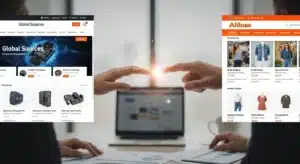
Alibaba functions as a primary, convenient tool for remote sourcing, providing instant access to a vast database of Chinese suppliers for product searches, price benchmarking, and direct communication without the need for travel.

How Alibaba Works for Daily Sourcing
Online directories give you instant access to thousands of Chinese manufacturers without leaving your desk. You can run price benchmarks and fire off messages to sales reps through built-in chat. It is fast, but you are still buying blind without seeing the actual quality.
Built-in rating scores and basic factory audits help you weed out the obvious scams early. You can request physical samples and collect quotes to cover the first mile of procurement. This keeps your initial risk low before you ever buy a plane ticket.
Key Advantages and Practical Uses
The main draw is pure convenience. You can pull quotes from five different factories at midnight in your home office. Getting those competing numbers fast gives you real use when it is time to negotiate unit pricing.
New buyers use these sites to test product ideas without committing to large orders. If you run a Shopify store or an Amazon FBA label, this speed helps you pivot fast. You can find a trending item, test it, and drop it if the numbers do not work out.
Critical Limitations and Risk Mitigation
The biggest trap is the verification gap. You cannot test material durability or inspect a factory floor through a screen, which often leads to receiving junk. Always route your payments through a third-party escrow service like Trade Assurance to protect your cash from fake suppliers.
You cannot build real factory relationships through a screen. That personal trust is how you lock in cost-effective pricing and get production priority when assembly lines are busy. RFQ volumes drop 37% online compared to walking a trade show floor, which hurts your ability to vet true quality and durability before placing a large order.
Canton Fair: The “Innovation” Hub (New Tech/Trends)
The Canton Fair is evolving beyond a traditional trade show into a tech-integrated sourcing hub. Key innovations for 2026 include AI-powered compliance tools, advanced buyer matching platforms, and logistics dashboards that provide real-time supply chain data. These advancements, combined with strategic multi-phase planning and the irreplaceable value of in-person relationship building, make the fair a critical venue for securing smarter, more transparent, and more profitable deals.

AI and Digital Tools for Smarter Deals
Good tracking software flags sudden tariff spikes or port backups before your containers get stuck. It also tracks raw material costs like lithium carbonate so you know exactly when to lock in a cost-effective rate. Without that live data, a sudden freight delay can wipe out your entire margin.
The CCPIT matching system pulls a supplier’s Alibaba reviews and past shipment records before you ever shake hands. You can filter out the trading companies and only sit down with actual factories that have a proven track record. That upfront homework saves you from wasting a trip on a supplier that cannot deliver the durability you need.
A vague CIF quote hides expensive surprises at the destination port. Live freight trackers force the forwarder to show exact loading ports, container rules, and who pays for damage. You use those hard numbers to negotiate better Инкотермс and keep the final landed cost truly cost-effective.
Strategic Planning for the Multi-Phase Fair
The Canton Fair runs in three separate blocks. Phase III hits in late October 2026, covering consumer goods, home textiles, and gifts. Show up during the wrong block and you will walk miles of aisles without finding a single relevant supplier.
You cannot wing a trip to a 25,000-exhibitor mega-fair. Mapping out your target halls and phases before you book flights keeps your travel budget cost-effective. Skip that prep work, and you will burn three days just trying to find factories with the baseline quality you require.
Book your flights to hit both Guangzhou and Hong Kong in one trip. The Canton Fair ends just as the Global Sources show starts in HK. That timing overlap saves you a full week of travel costs and makes the whole trip highly cost-effective.
Building Trust Through In-Person Relationships
Sitting across from the factory owner gets you better pricing than any email negotiation. You move to the top of their production queue when lead times get tight. An online message cannot buy you that kind of pull.
You can squeeze the steel tubing and check the welds yourself right at the booth. That hands-on inspection instantly reveals the actual durability of the product. Pictures on a screen hide weak joints that will fail in six months.
When a shipping delay wrecks your schedule, you need a factory that actually picks up the phone. That trust only happens after shaking hands and sharing a meal in person. It is the difference between a supplier who ghosts you and one who works overtime to fix the problem.
Yiwu Market: The “Commodity” King (Price/Variety)
Yiwu Market is the world’s largest wholesale hub for small commodities, defined by its low minimum order quantities (MOQs), extensive product variety, and year-round operation. It is the premier destination for small businesses, eCommerce sellers, and those needing flexible, low-volume sourcing.

The Core Proposition: Unmatched Variety and Low MOQs
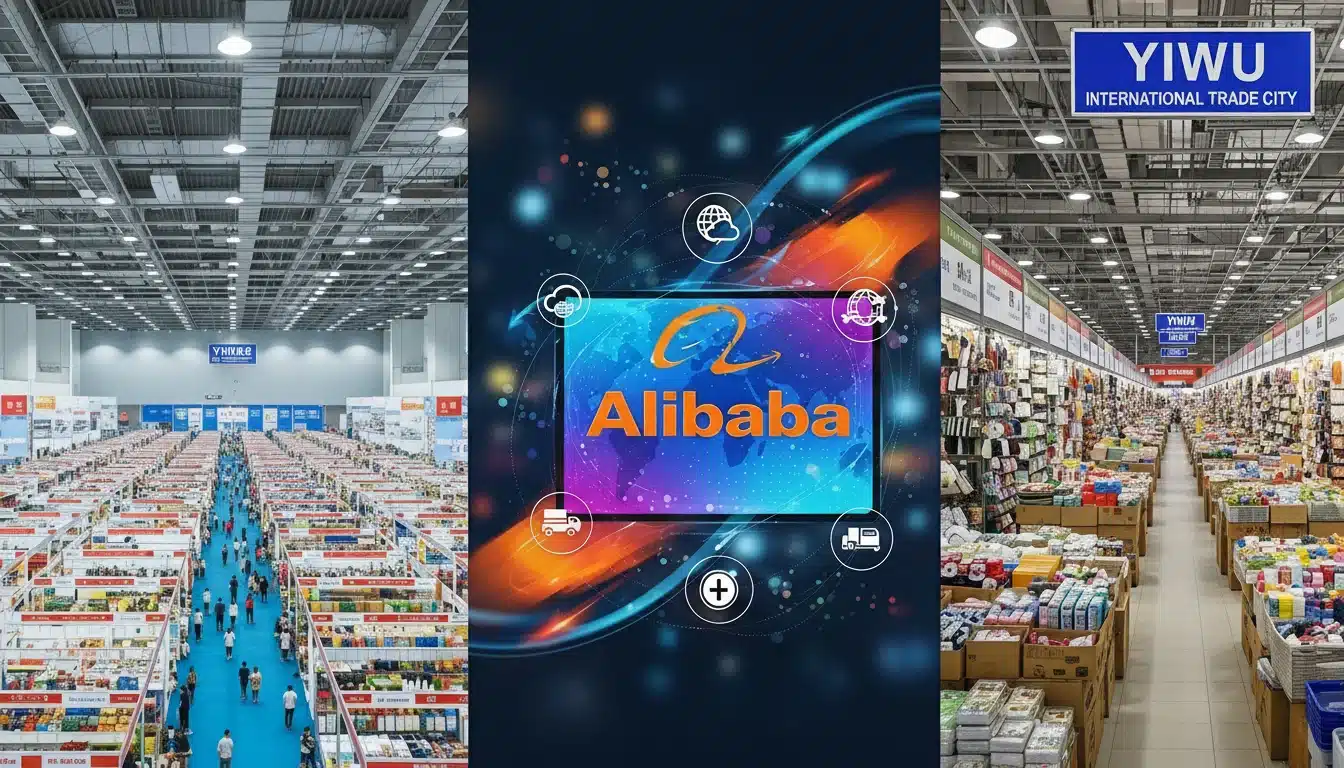
Yiwu Market is the world’s largest wholesale hub for small commodities, with over 62,000 factory and wholesale stores.
You can often buy as little as one carton to test the waters. Those tiny order quantities let small shops verify quality without tying up cash. It is the safest way to sample suppliers before committing to a full container.
You can pack up to 200 different SKUs into a single shipping container. That gives you total control over your product mix without overstocking.
E-commerce sellers and startups win big here. You can test new items or restock fast-moving goods in days, not months.
Product Range and Operational Model
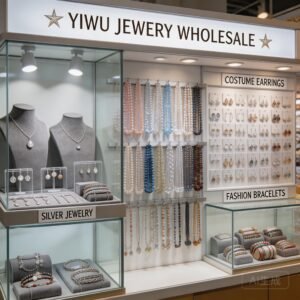
Stick to small commodities. We are talking toys, home decor, textiles, and seasonal holiday items.
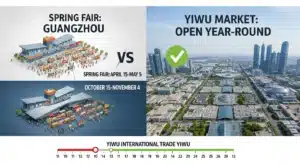
The Canton Fair happens twice a year. Yiwu is open 365 days a year, so you source on your own schedule.
You are buying off-the-shelf inventory, not booking factory production lines. Grabbing ready-made goods keeps your orders fast and cost-effective.
Most stalls are run by trading companies or tiny workshops. You must inspect samples yourself to guarantee the durability and quality you expect.
Yiwu has thousands of stalls, but supplier quality swings wildly. That is why smart buyers hire local partners like Chineseyiwu.com to filter out the bad actors.
Good agents run AQL Level II checks, which is the standard statistical sampling method used to catch defects before shipping. They physically walk the factory floor to stop bait-and-switch scams. This on-the-ground presence blocks the hidden fees that usually eat into your margins.
They combine your boxes from ten different factories into one shipment, saving you a fortune on freight. The agent handles the customs paperwork and can prep your goods to meet strict Amazon FBA labeling rules. You get a single point of contact for the entire order.
You keep the low minimum order quantities that Yiwu is famous for. At the same time, you force the factories to meet the durability standards your domestic customers actually expect. It is the most cost-effective way to import without getting burned.

Cost of Attendance Comparison (Travel vs. Online)
Choosing between online sourcing and attending the Canton Fair involves a fundamental trade-off between convenience and cost versus hands-on verification and relationship building. Online platforms eliminate travel expenses but introduce verification risks, while in-person travel incurs significant costs but offers direct quality assessment and stronger supplier partnerships.

Online Sourcing (Alibaba)
Alibaba lets you source from your desk. You skip the flights and hotels, making it a cheap way to test the waters. The platform’s built-in supplier ratings give you a basic layer of safety.
You can ask for samples, but you are trusting a photo of a factory that might just be a trading company’s front. If the actual production run arrives with weak joints or bad materials, you have zero recourse. The money you saved on plane tickets often ends up paying for dead stock.
Online sourcing is a cost-effective way for rookies to skip the factory visit. You can place small test orders to check the waters before writing a big check. It keeps your risk low while you figure out the market.
In-Person Travel (Canton Fair)
Going to the Canton Fair means flying to Guangzhou to shake hands with factory owners and verify quality firsthand. The bill adds up fast. You are paying for international flights, four nights in a hotel, local transit, meals, and a week away from your desk.
You will walk miles across massive halls fighting jet lag just to compare suppliers side by side. The trip drains your wallet, but the math works for big orders. Building real trust with a factory owner often gets you better pricing and guarantees product durability.
Veteran buyers only book these flights when they are ready to place massive orders. At that scale, the money you save through face-to-face negotiation covers the travel expenses. You need that personal connection to lock down reliable production timelines.
Supplier Caliber: Big Factories (Canton) vs. SMEs (Yiwu)
The choice between Canton Fair’s large-scale manufacturers and Yiwu Market’s SMEs depends on your order volume, product type, and business stage. Canton Fair is ideal for bulk, custom, and high-value industrial orders, while Yiwu excels in low-volume, ready-made small commodities with unmatched flexibility.

Large-Scale Manufacturers at the Canton Fair
The exhibitors at the fair are usually massive operations with serious production lines. They handle high-end and industrial goods, and they excel at building products to your exact specs. These are not small workshops.
These big plants ship consistent quality, but they demand high volume. You are usually looking at minimum runs of several thousand units or full shipping containers. You will mainly find heavy equipment, electronics, building materials, and home appliances here.
Big importers and established distributors go to the Canton Fair to lock down high-volume production partners. The show runs twice a year in Guangzhou. You get direct face time with factory bosses and can actually walk the production floors before signing a contract.
Small and Medium Enterprises in Yiwu Market
Yiwu belongs to the small traders and wholesalers pushing everyday commodities. The real draw is the low entry barrier. You can buy a single carton to test an idea, which makes Yiwu a highly cost-effective playground for small shops.
The 1.8 million sqm complex holds 75,000 booths packed with off-the-shelf stock. It stays open all year. You will find toys, textiles, home decor, and stationery sitting in bulk ready to ship.
Quality swings wildly from booth to booth in Yiwu. You need to inspect the goods yourself or hire a local agent to avoid bad batches. Startups and eCommerce sellers tolerate this risk because they need fast, low-volume inventory turns.
Choosing the Right Supplier for Your Business Needs
Pick Canton Fair for bulk custom runs and Yiwu for off-the-shelf small lots. If your product demands strict durability and technical precision, the large Guangzhou factories are your only safe bet. They have the engineering teams to back up complex specs.
Use Yiwu to test new concepts and ship small eCommerce parcels. Once a product proves itself, move the production to a Canton Fair factory. Most veteran buyers run this exact two-step system to balance risk and volume.
Hire a local agent to handle the dirty work across different regions. They run factory audits, check specs, and manage shipping. That is how you build a cost-effective supply chain without flying to three different provinces.
The 2026 Strategy: Hybrid Sourcing
A hybrid sourcing strategy combines the digital efficiency of platforms like Alibaba with the hands-on verification of physical trade fairs like the Canton Fair. This method allows buyers to scout products and screen suppliers remotely before confirming quality and building relationships in person, reducing risks and securing better pricing.
| Sourcing Method | Primary Use Case | Key Outcome |
|---|---|---|
| Alibaba (Online) | Initial product discovery, supplier screening, and remote quote collection. | Rapid market scouting without travel costs, but with quality verification risks. |
| Canton Fair (In-Person) | Final supplier verification, hands-on quality checks, and direct negotiation. | Secured cost savings of 10-15%, stronger relationships, and reliable quality assurance. |
| Yiwu Market (Complement) | Volume pricing and flexible, low-MOQ orders after trend spotting at the fair. | Optimized procurement costs for small commodities and stock-based goods. |

What is Hybrid Sourcing?
Smart buyers use a split strategy. You scroll Alibaba to find suppliers and narrow down your options. Then you fly to the Canton Fair to actually meet them and close the deal.
Alibaba is great for browsing thousands of SKUs from your desk. But buying blind online usually means getting stuck with the wrong materials. You need to walk the Canton Fair to test durability yourself and haggle face-to-face.
How a Hybrid Strategy Works in Practice
Rookies stick to Alibaba because it feels safe. Pros go straight to the Canton Fair to inspect the actual factory floor. That face-to-face pressure usually knocks 10-15% off the quoted price.
Hit the Canton Fair to spot new designs, then head to Yiwu to grind down the price on basic commodities. Have a local agent run the factory checks and coordinate shipping so you do not waste the trip.
Key Benefits and Strategic Outcomes
Seeing a product online and testing it in person keeps suppliers honest. You also cut out the hidden middleman fees that plague online ordering. That is how you lock in real quality without overpaying.
Touching the product before buying a container stops the classic bait-and-switch scam. You verify the quality yourself, so the factory cannot swap cheap materials later. Use online searches to narrow the list, then spend your flight budget only on the top two factories.
Часто задаваемые вопросы
Is Canton Fair better than Yiwu Market?
Neither is universally better. The choice depends on your business needs. Canton Fair is ideal for high-value, large-scale industrial products and established manufacturers with higher MOQs, but it’s only held twice a year. Yiwu Market is superior for small commodities, low MOQs (as low as one carton), and year-round sourcing flexibility, making it better for small businesses or testing products, though quality can vary more.
Should I visit Alibaba suppliers in person?
Visiting Alibaba suppliers is not recommended as a primary method for verifying factories. The platform has limitations in supplier verification, with a significant portion being traders. For serious quality checks and custom products, prioritize in-person events like the Canton Fair for direct interaction and hands-on assessment, which is more effective for building trust and confirming manufacturing capability.
What is the best trade fair in China for sourcing?
The best option depends on your goals. The Canton Fair is the largest physical event for broad product discovery and direct supplier meetings. Alibaba is the leading online platform for year-round, low-cost research and small orders. Global Sources offers a hybrid model with verified suppliers through trade shows and an online platform, often timed around the Canton Fair for combined visits. There is no single ‘best’ fair; each serves different sourcing strategies.
What are the Canton Fair dates for 2026?
The Canton Fair in 2026 will have two sessions. The Spring Session (likely the 139th or 140th edition) runs in three phases: Phase 1 (April 15–19), Phase 2 (April 23–27), and Phase 3 (May 1–5). The Autumn Session follows with Phase 1 (October 15–19), Phase 2 (October 23–27), and Phase 3 (October 31–November 4). All events are held at the China Import and Export Fair Complex in Guangzhou.
What is the best sourcing strategy for Amazon sellers?
A hybrid strategy is most effective. Use the Canton Fair for product ideation, spotting trends, and connecting with potential manufacturers for custom or high-quality items. Use online platforms like Alibaba for initial research, price comparisons, and fulfilling smaller, standard orders. This approach combines the hands-on verification and networking of the fair with the convenience and lower barriers of online sourcing.
Заключительные размышления
Alibaba is for email introductions, not for trusting a factory blindly. You fly to the Canton Fair to test the durability of heavy machinery or furniture in person. Yiwu exists strictly for cheap, small-run trinkets where you just need low prices and fast packing.
The smartest buyers use all three channels to build a cost-effective pipeline. Get your baseline quotes online, then negotiate face-to-face at the Canton Fair to squeeze margins. Leave the small, ready-made accessories for a quick Yiwu run to save on freight.
Sourcing from 1688 for resale? Stop using the factory’s blurry stock photos. Hire a local Chinese photographer to shoot your actual inventory.