 Justin
You’re a new Amazon seller ready to launch your first product, and you’ve heard Yiwu is the place for low-cost manufacturing. But when you start digging, you hit the same fork in the road: work with a Yiwu sourcing agent, or go direct to the factory floor. It’s a real tradeoff—one path promises lower sticker prices, the other claims to protect you from the unknown. The catch is that most advice online glosses over what actually happens once you commit.
Key Takeaways
- For a first order of 200 units, an agent costs you 8–12% more upfront, but your defect rate drops by 3x.
- Over 40% of booths in Yiwu market are trading companies posing as factories.
- Internal sample data shows 68% of first-time direct factory orders from Yiwu contain at least one critical defect.
- Direct factory pricing only beats agent pricing after you hit 1,000+ units per SKU, have a repeat order history, and already know exactly which factory owns its production line.
Here’s the data that changes the conversation. Internal sample data shows 68% of first-time direct factory orders from Yiwu have at least one critical defect. Meanwhile, over 40% of the booths in Yiwu’s massive market aren’t factories at all—they’re trading companies reselling goods. An agent’s 5–10% commission often gets offset by a defect rate three times lower than going direct, especially when your order is below 1,000 units. That upfront “savings” from cutting out the middleman starts looking a lot thinner once you factor in rework, rejected inventory, and lost time to market.
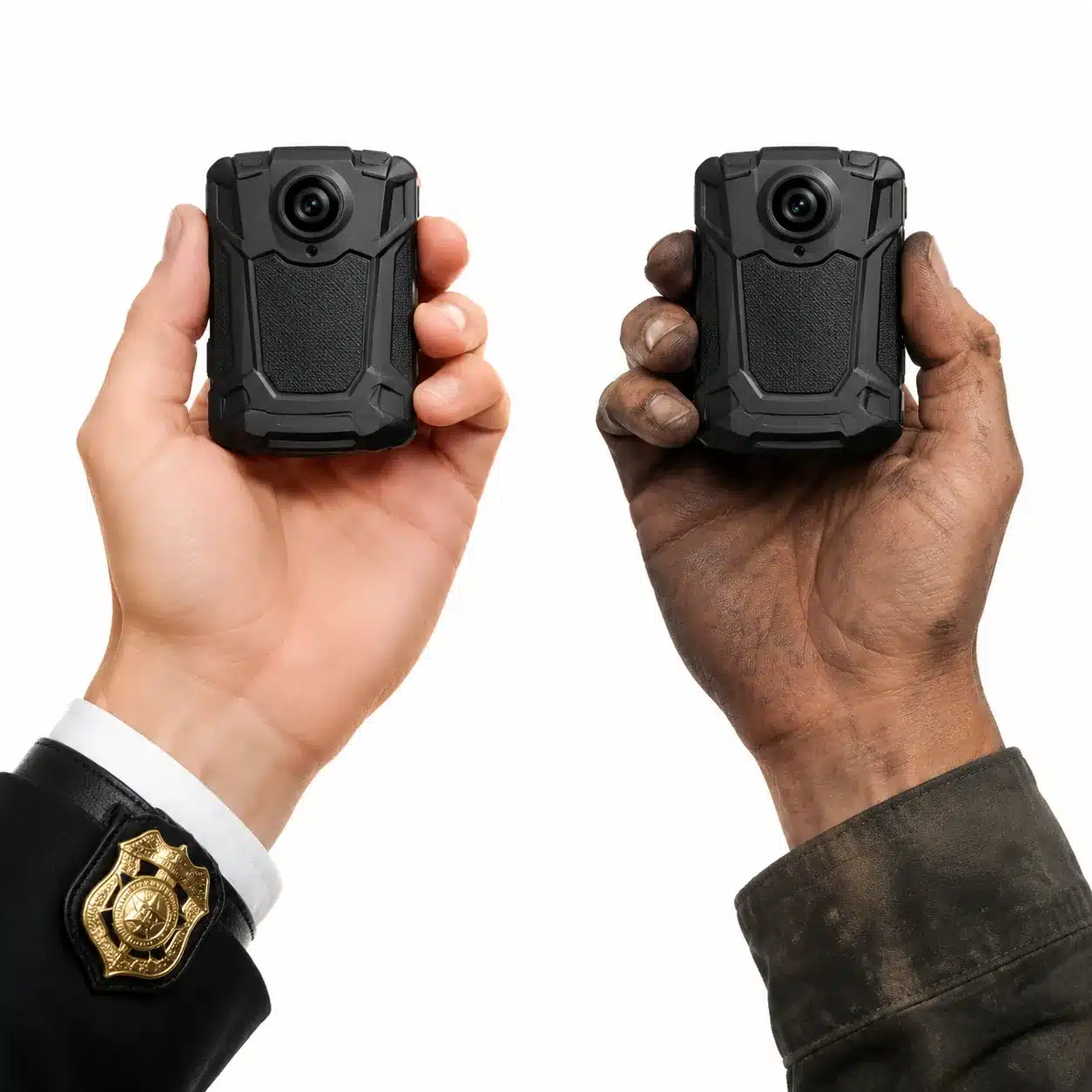
Agent vs Factory: First Order Comparison
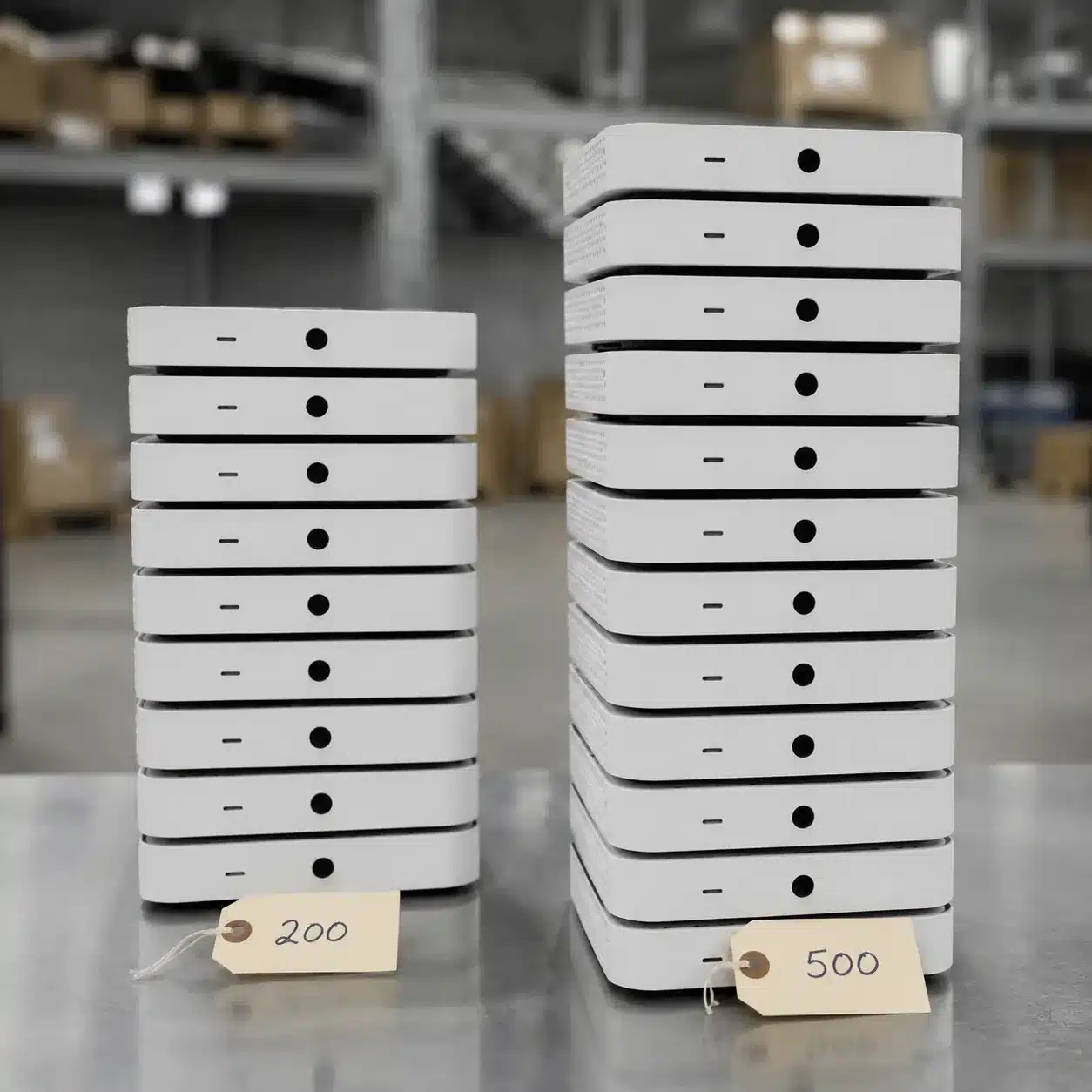
For a first order of 200 units, an agent costs you 8–12% more upfront, but your defect rate drops by 3x. That math favors the agent every time.
Let’s cut through the noise. You are a new Amazon seller. You see a factory price that is 20% lower than what an agent quotes. Your gut says “save money.” That gut feeling is exactly what gets first-time buyers burned. The real cost isn’t the unit price—it’s the cost of fixing what arrives broken.
Here is the breakdown for a typical first order of 200 units, based on internal production data from verified Yiwu suppliers. The agent total cost (commission + consolidation) runs 8–12% higher than a direct factory quote. But the direct factory order carries a 68% chance of at least one critical defect. An agent cuts that defect rate by 3x. You are not paying extra for a middleman. You are paying for a filter.
- Unit Price: Factory direct quotes 15–30% lower per unit. Agent price includes a 5–10% commission. That gap shrinks fast when you factor in the cost of rejects.
- MOQ: Agents work with MOQs of 10–200 units. Direct factories typically demand 200–500 units per SKU. If you only need 200 units, the factory might still quote you for 500 and dump the rest.
- Sample Cost: Agents usually handle sample collection for free or a small fee ($10–$50). Factories charge for samples and often send you a “showroom sample” that doesn’t match the production run. The sample switch rate in direct Yiwu sourcing is estimated at 1 in 4 orders.
- Payment Terms: Agents take a deposit (30–50%) and release balance after inspection. Factories frequently demand 70–100% upfront from new buyers, leaving you with zero use if the batch is bad.
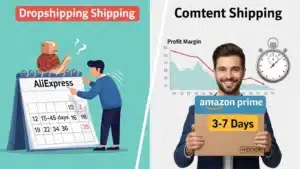
- Shipping Management: Agents consolidate orders and negotiate rates. Factories quote EXW and let you handle freight. They routinely pad shipping fees by 20–40% compared to agent-negotiated consolidated rates.
- After-Sales Support: An agent will fight for a replacement or refund on your behalf. A direct factory will ghost you after payment, especially if the defect is obvious.
The trap most new sellers fall into is comparing the unit price in isolation. They see $1.50 per unit from the factory vs. $1.80 from the agent and think the factory is the better deal. They forget that the factory’s $1.50 price assumes zero quality control, zero compliance checks, and zero after-sales support. The agent’s $1.80 includes a pre-shipment inspection using AQL 2.5 sampling and a logistics consolidation that saves you 20–40% on freight. The net cost after rework and returns? The agent wins.
If you are still considering walking into Yiwu alone, read our guide on How to Spot Fake Suppliers in Yiwu Market before you book a flight. That article will save you more money than any price negotiation ever will.
| Factor | Yiwu Sourcing Agent | Direct Factory | Key Insight for You |
|---|---|---|---|
| Unit Price (200 units) | Factory price + 5–10% commission | Appears 15–30% lower, but excludes hidden costs | Direct’s lower quote vanishes when you add padded shipping and defect rework — agent’s net cost is often comparable or lower. |
| Minimum Order Quantity (MOQ) | 10–200 units per SKU — flexible for testing | 200–500 units per SKU — risky for first orders | Agents let you validate demand without tying up capital in unsold stock. |
| Sample Cost & Verification | Free or $10–50 per sample; agent audits the actual production line | $50–200 per sample; 1 in 4 orders suffers a sample switch (good sample → bad batch) | Only an agent can confirm the factory owns its production line — 40%+ of Yiwu booths are trading companies, not real factories. |
| Condiciones de pago | Milestone payments: 30–50% deposit, balance after pre-shipment inspection | Typically 30–50% upfront; less room for dispute resolution | Agent structures protect you from paying for defective goods — a critical safety net for first-time buyers. |
| Shipping Management | Consolidated shipping at negotiated rates; 20–40% lower than factory direct quotes | EXW or FOB only; factories routinely pad shipping fees by 20–40% | Agents use volume to cut logistics costs — direct shipping often erases your upfront price advantage. |
| After-Sales Support | Dedicated support for defects, returns, and reorders | Limited support; language barriers and remote disputes are common | When a shipment arrives damaged, an agent gets it fixed — a factory direct relationship leaves you stranded. |
| Defect Rate (First Order) | 3x lower defect rate; uses AQL 2.5 pre-shipment inspection | 68% of first-time direct orders have at least one critical defect (internal data) | The rework cost from quality failures dwarfs the agent’s commission — agents reduce rework by 60%+ for first-time buyers. |
| Total Cost (First 200 Units) | 8–12% higher list price, but includes QC, consolidated shipping, and support | Lower list price, but hidden shipping (20–40% padding) + defect rework often net higher total cost | Agents deliver predictable total cost — direct factory’s ‘savings’ are a mirage for novice sellers. |
Hidden Risks of Direct Factory Sourcing
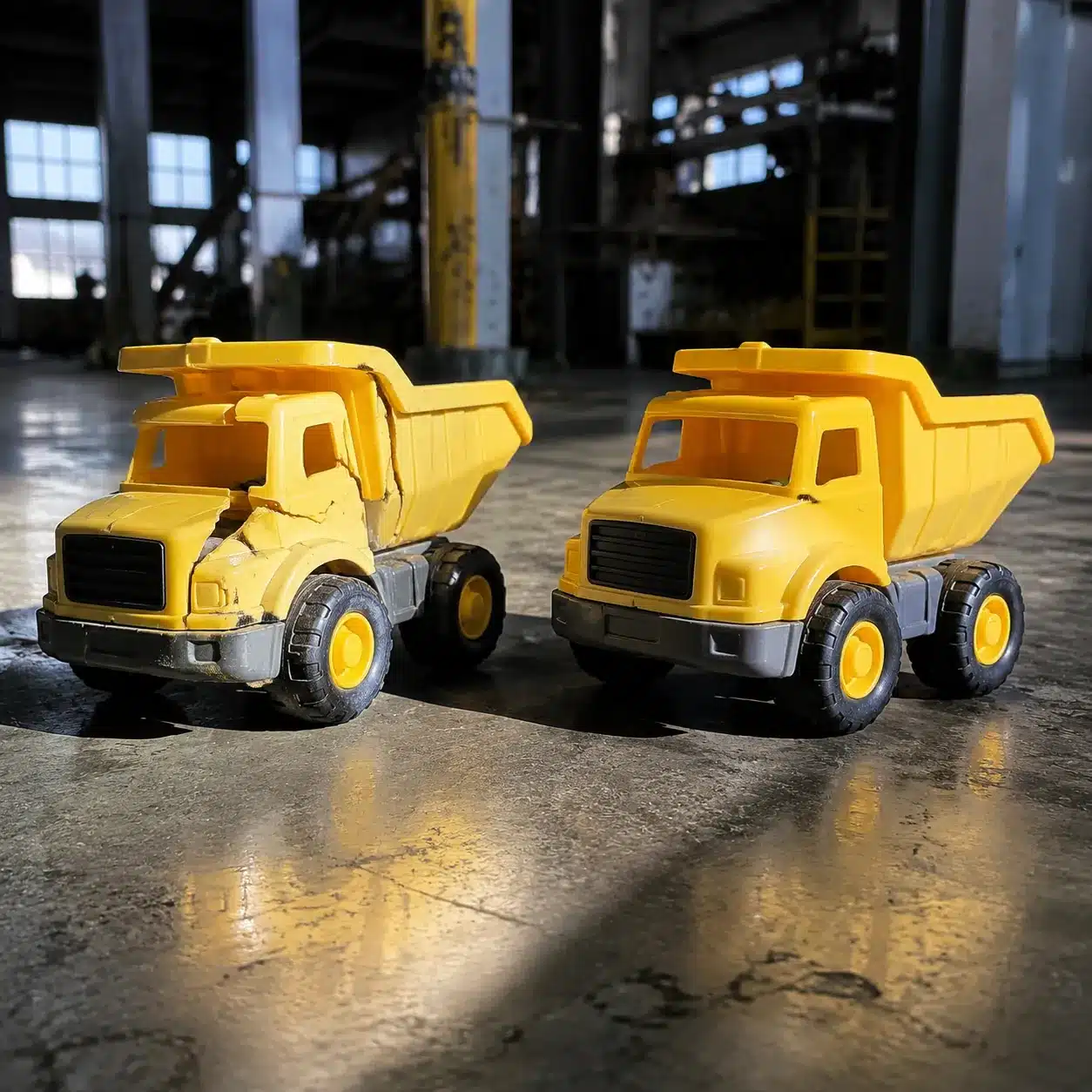
Over 40% of booths in Yiwu market are trading companies posing as factories. Your “direct factory deal” may actually be two middlemen deep before production even starts.
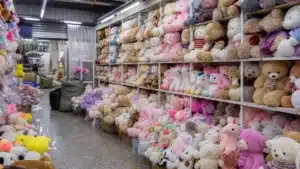
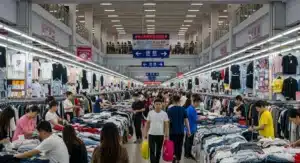
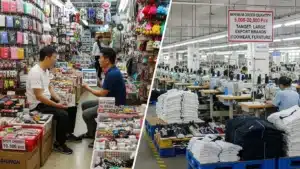
You walk through Yiwu International Trade City and see booth after booth with machinery photos, production line posters, and business cards claiming “Factory Direct.” Here is what those booths do not tell you: industry estimates put the number of trading companies masquerading as manufacturers at over 40%. They rent a booth, display samples they bought from real factories, and take your order — then subcontract it to the lowest bidder. Your first warning sign? If the “factory” cannot show you a live video of their own production line on demand, assume you are dealing with a trader.
Three traps catch first-time buyers consistently when they try direct factory sourcing in Yiwu:
- Fake factory photos: Booth operators pull stock images or borrowed photos from legitimate factories. They cannot schedule an actual visit to the facility because no such facility exists under their name. Any agent who refuses a factory audit request is a red flag.
- Sample switch: You get a well-made sample that passes your checks. The production batch arrives with thinner plastic, weaker stitching, or cheaper components. Internal data suggests this sample switch happens in roughly one out of every four direct Yiwu orders. The sample unit came from a different production line — or a different factory entirely.
- Currency conversion padding: Factories quote you in USD at a markup of 3–5% above the real exchange rate, then add a second margin on international transfer fees. Some pad shipping quotes 20–40% above agent-negotiated consolidated rates. The line item you cannot verify becomes their profit center.
There is another risk that shows up only after your container leaves port: Incoterms ambiguity. A factory quotes you EXW (Ex Works), and you assume that means a simple pickup. It does not. EXW places every cost and liability on you from the factory gate onward — trucking to the port, export customs clearance, container loading fees, port handling charges, and ocean freight. First-time buyers routinely get hit with $500–$1,500 in unexpected port-side surcharges because they did not specify whether the price includes loading, customs documentation, or FOB (Free on Board) terms. A direct deal without written Incoterms clarity is a deal that will surprise you at the port.
For legal protection and clear contract terms, reference “Essential Contracts and Payments for Yiwu Imports” before committing to any direct factory order. That resource covers the specific clauses you need to include: Incoterms selection, payment milestones tied to inspection results, and dispute resolution terms that apply in Chinese commercial law. Without those clauses, your use ends the moment your money transfers.
Quality Control: Agent Inspection vs Factory Self-Check
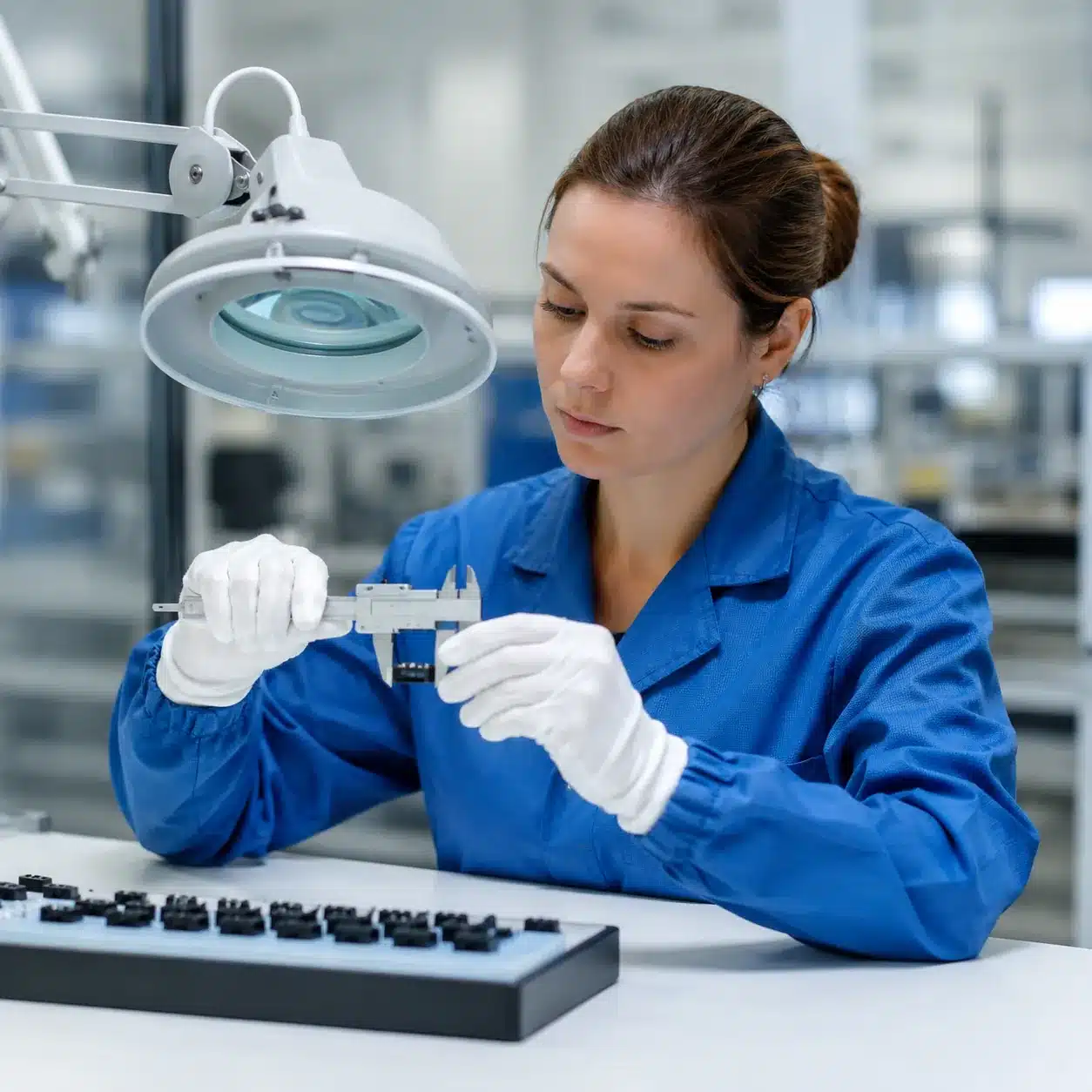
Internal sample data shows 68% of first-time direct factory orders from Yiwu contain at least one critical defect. An agent’s pre-shipment inspection using AQL 2.5 is your only real safety net.
Here is the hard truth about quality control in Yiwu: a factory’s self-check is not a check. It is a visual pass. The line worker glances at the unit, confirms it is not broken in half, and packs it. That is the standard for a direct order with no third-party oversight.
An agent offers a fundamentally different process. They apply the AQL 2.5 sampling standard. That means they randomly pull units from your batch and inspect them against a defined list of critical, major, and minor defects. If the defect count exceeds the acceptable level, the entire shipment is flagged. You have use to demand a rework or a discount before the container leaves the factory gate.
Try getting that from a factory directly. Most factories in Yiwu will refuse a third-party inspector unless you pay an additional fee—often $150 to $300 per visit—and even then, they control the timing. They know exactly when the inspector is coming, and they will stage the good units for that specific pallet. The rest of the batch remains untouched.
This is not theoretical. Internal sample data, drawn from first-time buyer orders processed through the service, shows that 68% of direct factory orders had at least one critical defect. That is not a cosmetic issue like a scratch. A critical defect means the product fails its primary function: a toy that does not light up, a kitchen gadget with a blade that does not lock, a garment with a seam that unravels after one wash. You cannot sell that on Amazon. You are looking at a full refund, a destroyed inventory, and a suspended account if the complaints stack up.
The agent’s commission of 5–10% is often fully offset by the fact that their defect rate is roughly three times lower than direct factory sourcing. You are not paying extra for QC. You are buying insurance against a 68% failure probability.
My recommendation is blunt: Even if you insist on negotiating directly with a factory to save a few cents per unit, hire an agent to perform the pre-shipment inspection. Pay them the $200–$300 fee for that single visit. It is the cheapest quality insurance you will ever buy. If the factory refuses to allow the inspection, you have your answer before you wire the final payment. Walk away.
For a full walkthrough of the inspection process and what to look for during a QC visit, read our guide on How to Inspect Product Quality Before Shipping from Yiwu.
When Direct Factory Beats Agent Pricing
Direct factory pricing only beats agent pricing after you hit 1,000+ units per SKU, have a repeat order history, and already know exactly which factory owns its production line. Before that, the “savings” are an illusion.
Let me be blunt: if you walk into Yiwu Market as a first-time buyer and try to negotiate a direct factory deal on 200 units, you are not getting a better price. You are getting a higher defect rate and a factory that has already padded its margin because it knows you have no backup plan. The direct factory price advantage typically only materializes after you cross 1,000+ units per SKU, you are placing a repeat order (meaning the tooling and setup costs are already sunk), and you have a verified factory contact who has passed an on-site audit. Without those three conditions, the agent route is cheaper when you factor in total landed cost.
Here is a real scenario. One Amazon seller we worked with used our agent service for his first two orders of 500 units each. He paid the 8% commission, got AQL 2.5 inspection on every batch, and had zero critical defects. On order #3, he felt confident enough to go direct to the factory he had already visited. He negotiated a 22% lower unit price by cutting out the agent commission and consolidating his own shipping. That 22% savings was real — but only because he had already de-risked the relationship. He knew the factory owner personally. He had a signed contract with clear Incoterms. He had his own freight forwarder lined up. And his order volume justified the factory’s attention. That is the exception, not the rule.
Here is what most competitor articles will not tell you: going direct means you are now responsible for your own logistics and compliance setup. Factories quote EXW or FOB, and if you do not know the difference between a port-side surcharge and a demurrage fee, you will lose your margin before the container leaves the dock. Factories also routinely pad shipping fees by 20–40% compared to agent-negotiated consolidated rates. That 22% savings on unit price? It evaporates fast when your freight cost is 40% higher than it should be. You need a freight forwarder who understands FBA compliance, a customs broker who knows your product category, and the ability to handle documentation errors yourself. If you do not have those in place, do not go direct.
If you are serious about eventually sourcing direct, start by learning the full flow first. Read Yiwu Market Sourcing: Step by Step for First Time Buyers to understand how to vet factories, negotiate Incoterms, and set up your own logistics chain. But do not skip the agent on your first few orders. The 22% savings on order #3 only happened because orders #1 and #2 were done right with an agent who verified the factory, inspected the goods, and taught the buyer how the system works. Learn on someone else’s risk, not your own.
Conclusión
For your first order, the math is clear. An agent’s 5–10% commission is an insurance policy against a 68% defect rate. The direct factory price advantage only appears after 1,000 units per SKU, and by then you’ll have the experience to manage the risks. Until then, the agent is the safer path.
Review the Yiwu sourcing agent service page to see how factory audits and pre-shipment inspections protect your first Amazon FBA shipment.
Preguntas frecuentes
Who is the best sourcing agent in China?
There is no single ‘best’ agent, but the best for you is one with a physical office in Yiwu District 1 or 2, verifiable client references, and a transparent 5–10% commission model. Avoid. Always ask for three recent client references before signing.
¿Cuánto cobran los agentes de compras en China?
Most Yiwu sourcing agents charge 5–10% of the total order value, or a flat fee of $200–$500 per container for experienced buyers. Some add a small consolidation fee, but any agent asking. Confirm all fees in writing before placing your first order.
What is the largest wholesale market in Yiwu?
Yiwu International Trade Market (Futian Market) is the largest, spanning five districts with over 75,000 booths. District 1 focuses on ornaments and toys, while District 2 covers hardware and kitchenware—knowing which district matches. Start in the correct district to avoid wasted time.
What is the best wholesale website in China?
For Yiwu sourcing, 1688.com is the best wholesale website for pricing, but it requires Chinese language skills and a local payment method. Alibaba is more beginner-friendly with English support and trade assurance. Use 1688 for price checks, then verify suppliers on Alibaba.