
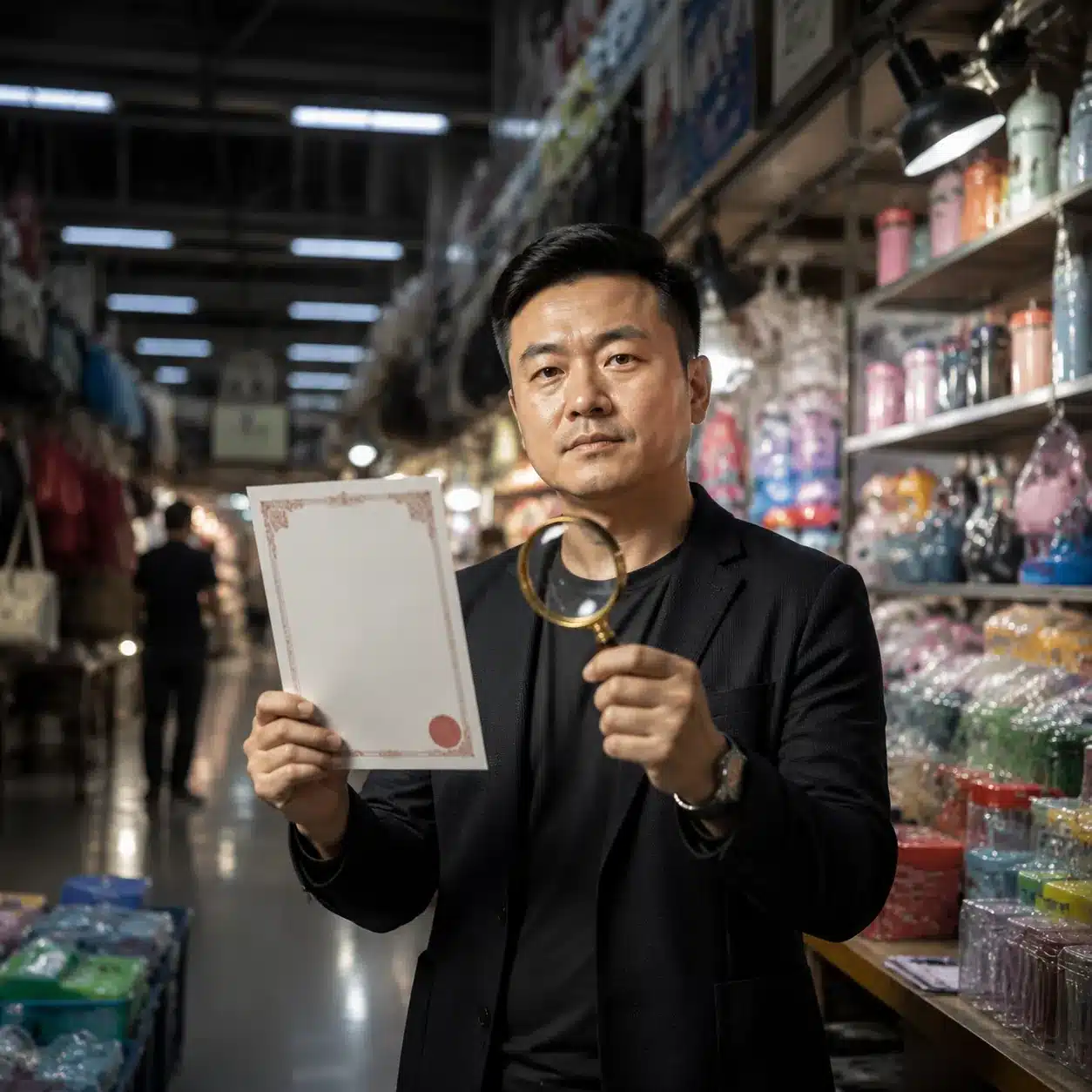
 Justin
When you’re a first-time brand founder reaching out to suppliers in Yiwu, the real operational risk isn’t just a bad price — it’s handing your deposit and custom design to someone who plans to disappear after the first transaction. The Yiwu Futian Market itself is legitimate: it spans 4 million square meters, houses 62,000 booths, and exports to over 140 countries. But individual vendor integrity varies wildly. The 2009 Yiwu Market scam wave alone cost buyers an estimated 400 million yuan — roughly 61.8 million dollars. That’s not a historical footnote; it’s a pattern that still repeats for those who skip basic verification.
Most guides you’ll find list document checks — business license, tax ID — but they miss the real trap: fake suppliers often show you a real license belonging to a different company. That’s identity theft, and it’s common. The practical fix is brutal but simple: cross-check the bank account name, the company seal, and the license. All three must match exactly. If they don’t, you’re looking at a scam front. And the most critical gap competitors ignore is IP protection. A single lost order might cost you 5,000 to 20,000 dollars in deposits. But losing your design — seeing your product on Alibaba six months later — can kill your brand before it launches. Genuine OEM suppliers will sign an NDA and IP assignment clause without drama. Fakes will dodge it every time. That’s the kind of check that separates a real factory from a rented booth with a stolen logo.
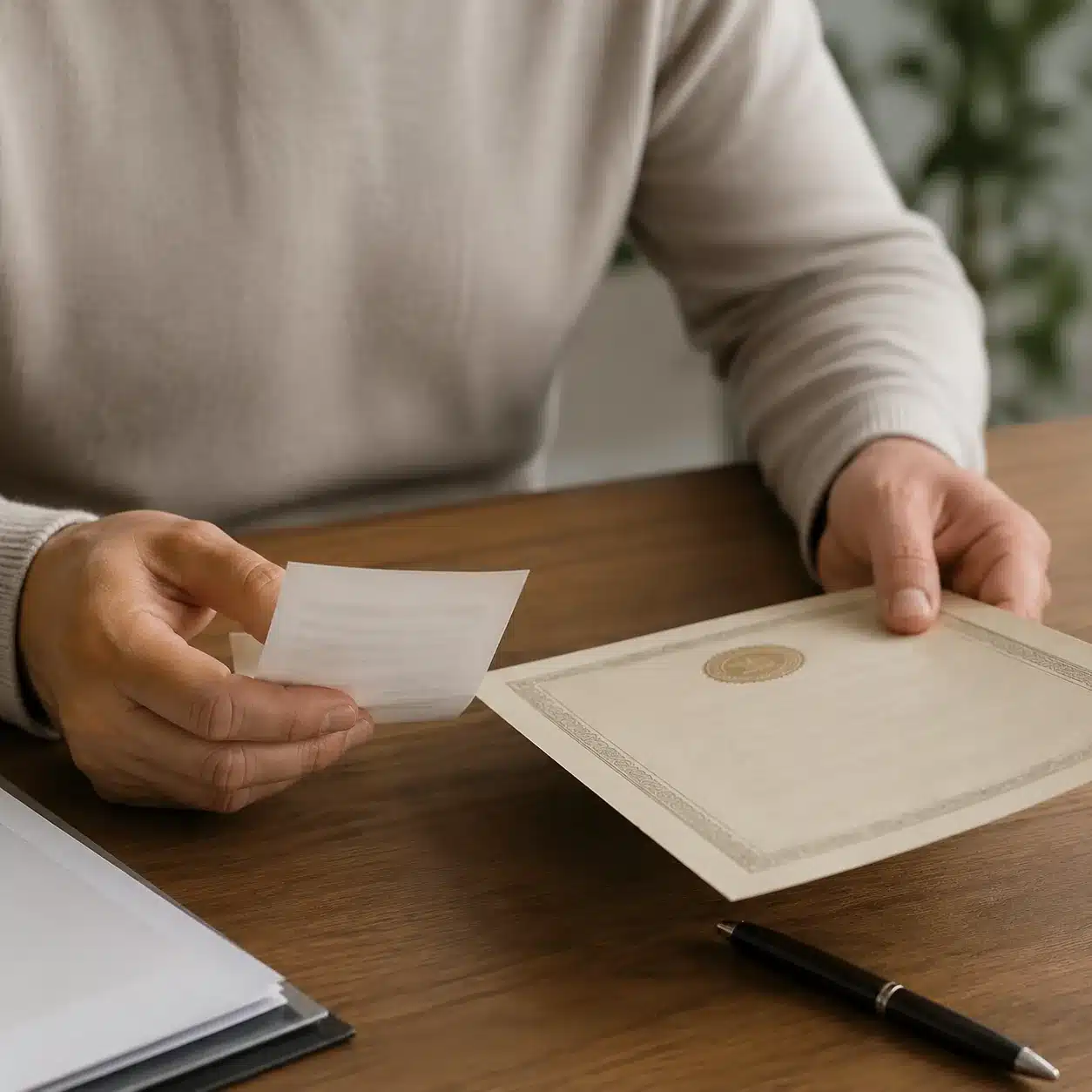
Why Supplier Verification Matters for Brand Founders
A single scam on a custom order costs you $5,000–$20,000 in lost deposits. Third-party verification costs $200–$500. The math is simple.
Most guides treat verificación de proveedores as a paperwork exercise. Check a license, move on. That misses the real risk for a brand founder. The threat isn’t just losing a deposit—it’s losing your product design. You send a factory your mold specs and packaging artwork. Six months later, you find your exact product on Alibaba, sold by a different trader at half your price. That’s the scenario no document check prevents.
Yiwu Futian Market itself is legitimate—4 million square meters, 62,000 booths, serving over 140 countries. Over 60% of its commodities are exported, so most suppliers here are accustomed to dealing with international buyers. But the individual vendor you talk to may be a trader with no factory, a shell company using a stolen license, or a workshop that will copy your design and disappear. The 2009 scam wave in Yiwu Market caused losses of approximately 400 million yuan (roughly $61.8 million). That was one year. The problem hasn’t gone away.
For a first-time brand founder, a bad supplier means three specific failures:
- Capital loss: You wire a 50% deposit on a $20,000 order. The supplier sends a container of substandard goods or nothing at all. Your $10,000 is gone.
- IP theft: Your custom design, mold, and packaging artwork are copied and sold to competitors. Your market advantage evaporates before you launch.
- Time cost: You spend 3–6 months vetting the wrong supplier, missing your launch window. A verified supplier gets you to market in 8–12 weeks.
The verification process eliminates all three risks. It’s not about trust. It’s about proof. Every step has a specific deliverable—a document, a video, a third-party report—that confirms the supplier is real, capable, and bound to protect your IP. Skip any step, and you’re gambling. Follow all of them, and you reduce your upfront risk to near zero.
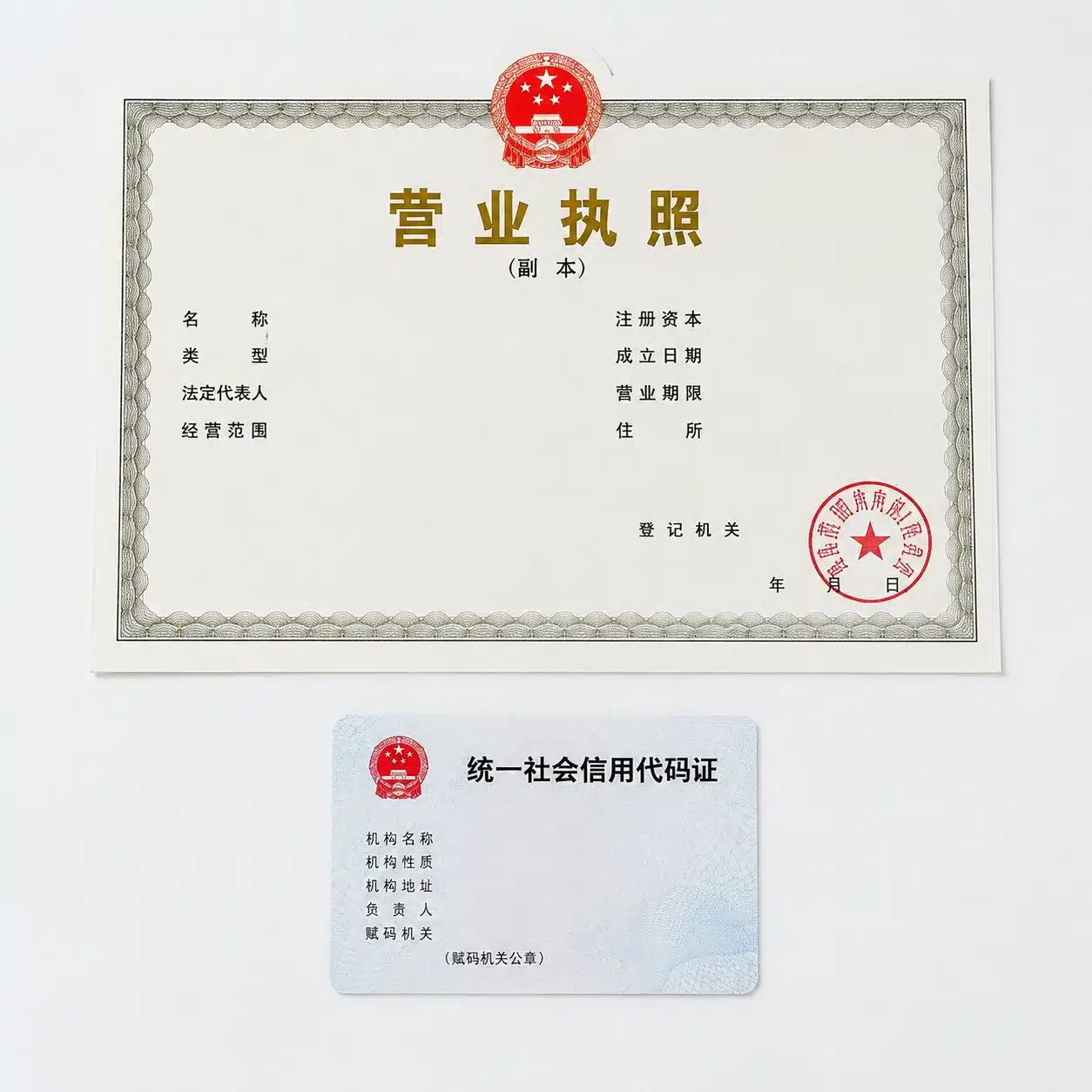
Step 1: Check Business License & Unified Social Credit Code
Yiwu Market is legitimate, covering 4 million square meters with 62,000 booths. That scale is exactly what scammers exploit. A single custom order scam nets $5,000–$20,000. Generic document checks won’t protect you. Here’s what actually works.
First-time brand founders have two real fears: losing a custom design to IP theft, and wasting money on a factory that can’t deliver quality. Both are valid. In 2009, scams in Yiwu resulted in losses of roughly 400 million yuan. The market is safe—government-supported, exporting to over 140 countries—but individual vendors vary wildly. Over 60% of goods are exported, meaning most suppliers understand international buyers. The problem is the minority that don’t. They target custom branded orders because deposits are high and recovery is near impossible.
Here is a five-step verification process designed to eliminate the risk of fake suppliers and design theft. Each step has a specific deliverable. Skip none of them.
Step 1: Verify the Business License & Unified Social Credit Code
Every legitimate Chinese company has an 18-digit Unified Social Credit Code (USCC). Check it on China’s National Enterprise Credit Information Publicity System (gsxt.gov.cn). Confirm the legal representative name, business scope, and registration status.
Here is the insight competitors miss: many fake suppliers show a genuine business license belonging to a different company. This is identity theft. To catch it, cross-check three items—the bank account name, the company seal, and the business license. All three must match exactly. If the supplier hesitates to share these or the names don’t align, walk away.
Step 2: Confirm Factory Existence with Video Evidence
Many booths in Yiwu are run by traders, not factories. For OEM buyers, this is a risk—traders don’t control production timelines or quality. Demand a real-time video walkthrough showing company signage at the entrance and production line activity specific to your product. A shared workshop with no permanent signage is a hidden risk. A genuine manufacturer complies within 48 hours. Ask for recent utility bills to confirm ongoing operations.
Step 3: Test Samples & Mandate Pre-Shipment Inspection (PSI)
Never place a production order without testing a sealed, signed physical sample. Verify materials, dimensions, and color codes against your spec sheet. Quality fade—where first-sample quality drops in mass production—is common. Demand a third-party Pre-Shipment Inspection (PSI) before releasing the balance payment. A typical scam on custom branded goods takes $5,000–$20,000 in unrecoverable deposits. Third-party verification services cost $200–$500. This math is simple.
Step 4: Protect Your Design with an NDA & Chinese Patent
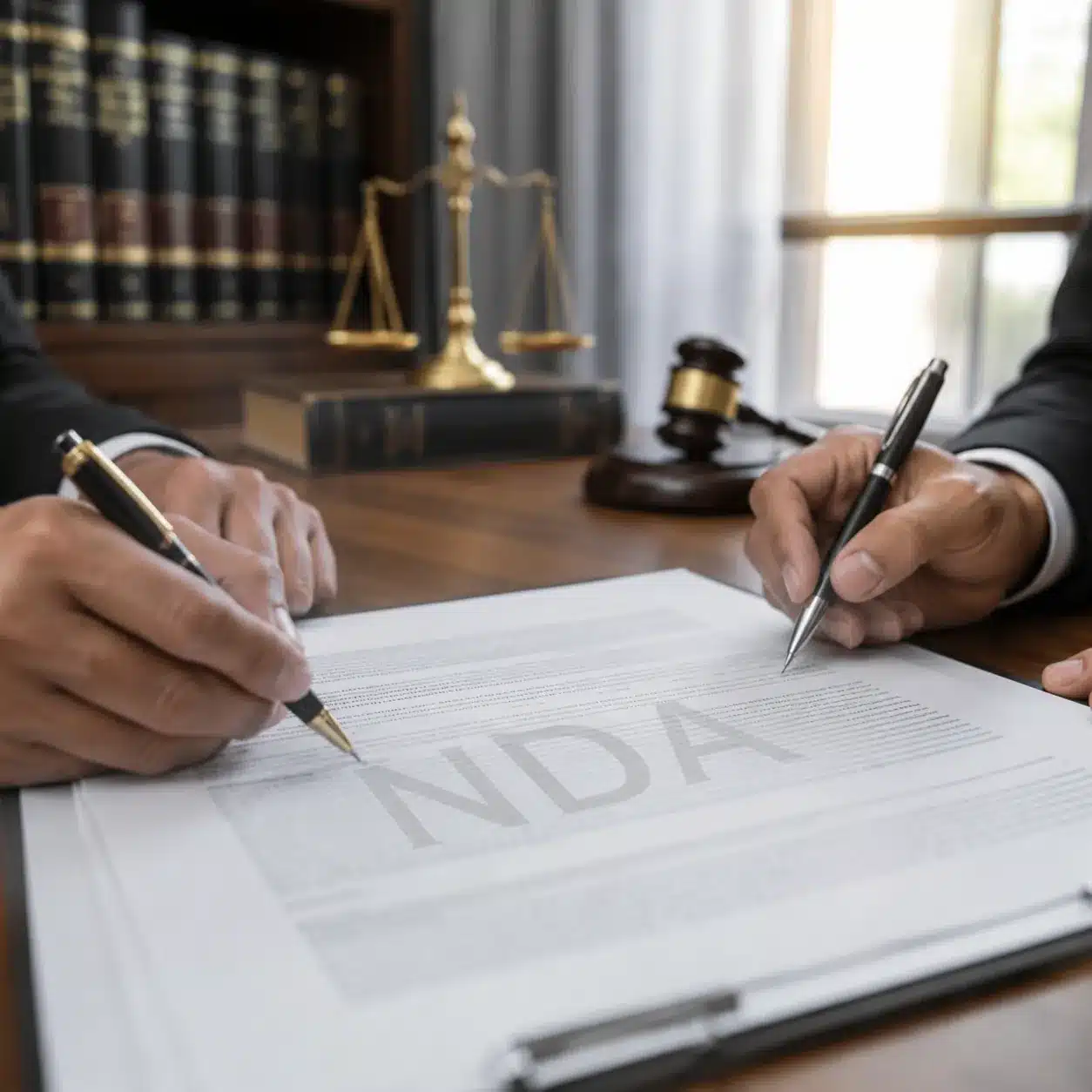
No competitor guide covers IP-specific traps for OEM buyers. The critical truth: if a supplier refuses to sign a Non-Disclosure Agreement (NDA) before you share design files, treat it as a 99% indicator of intent to copy or resell. A legitimate OEM partner understands IP protection is standard practice. File a Chinese design patent (costs $300–$500). It is enforceable and cheap insurance against seeing your product copied on Alibaba six months later.
Step 5: Use Secure Payment Terms
Avoid 100% upfront T/T transfers. Insist on a payment split: 30% deposit, 70% upon shipping after PSI approval. If a supplier demands 50% or more upfront without verified history, it is a major red flag. Escrow services and Letters of Credit (L/C) offer additional protection for first-time buyers.
Preguntas frecuentes
How to check if a Chinese supplier is legit?
Inspect their Business License with the 18-digit Unified Social Credit Code. Verify it on gsxt.gov.cn. Cross-check the bank account name, company seal, and license—all three must match. An in-person visit or live video tour is the gold standard for factory verification.
Is Yiwu Market safe?
Yiwu Market itself is a government-supported commercial hub and completely legitimate. But individual vendor trustworthiness varies. Independent verification of each supplier is essential to avoid scams.
How can I check if the products from China are real?
Request the supplier’s internal serial number system. For branded products, verify trademark registration. Use third-party testing laboratories to confirm material and quality claims. A physical sample is non-negotiable.
How to find fakes on Alibaba?
Scrutinize Gold Supplier and Assessed Supplier badges. Watch for prices significantly below market, unrealistic MOQs, and vague company descriptions. Always request a physical sample and run a reverse image search on product photos.
How to verify if a Chinese company is real?
Use the 18-digit Unified Social Credit Code on the government database gsxt.gov.cn. Confirm the company name, legal representative, and business scope. Ensure the bank account name matches the license exactly to catch identity theft.
Yiwu offers immense opportunity for brand founders who take verification seriously. The steps above cut through the noise and address the specific risks that generic guides ignore. Start sourcing safely.
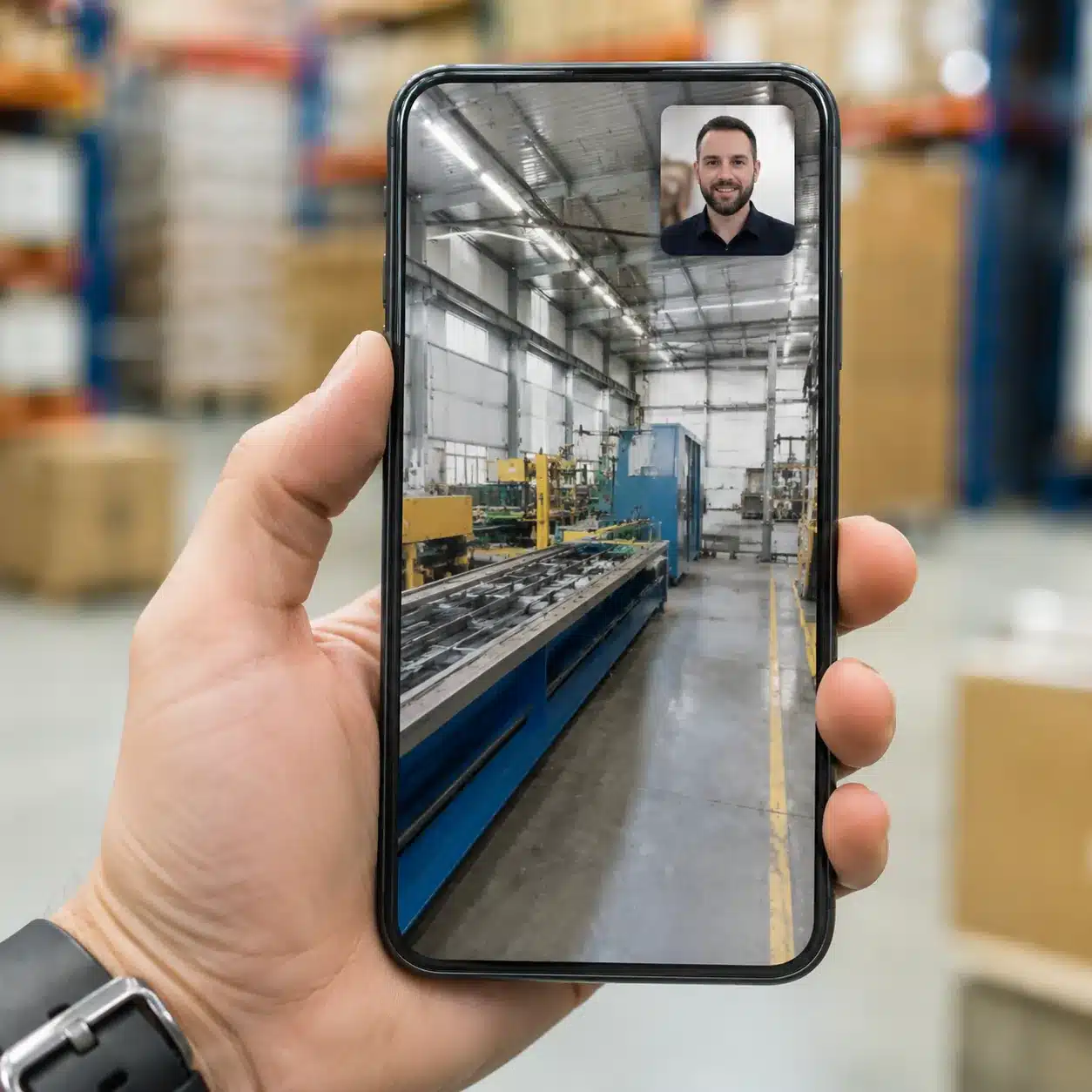
Step 2: Verify Factory Existence with Video & Utility Bills
Many Yiwu suppliers are traders with no factory. For brand founders needing OEM/ODM, this is a red flag – traders cannot control quality or production timelines. Demand a live video call inside the factory floor (not just the showroom). Ask for recent utility bills (electricity, water) to confirm ongoing operations.
Here’s the insider test: request a short video showing company signage at the entrance and a production line that is actively making something similar to your product. A genuine manufacturer will comply within 48 hours. A supplier who claims a factory address that is actually a shared workshop will invent excuses – “the camera is broken” or “the factory is off today.” Hold firm.
This step is critical for Yiwu factory verification for first‑time buyers. Even if you cannot visit in person, a real‑time walkthrough video is the next best thing. Pair it with a Google Maps or Baidu Maps street view of the address to confirm it’s an industrial park, not a residential building.
Step 3: Test Samples & Demand Pre-Shipment Inspection (PSI)
A single scam on a custom branded order can cost you $5,000–$20,000 in lost deposits. Third-party verification costs $200–$500. The math is simple.
For a first-time brand founder, a bad supplier means more than a lost shipment. It means stolen designs, delayed market entry, and wasted R&D. The Yiwu Market itself is legitimate—a government-supported hub spanning 4 million square meters with 62,000 booths serving over 140 countries. Over 60% of its commodities are exported, so most suppliers are accustomed to international buyers. But individual vendors vary wildly. In 2009, scams in Yiwu Market resulted in losses of approximately 400 million yuan (≈$61.8 million). That number hasn’t gone to zero since.
Your two real risks are IP theft and quality fade. A fake supplier takes your deposit and disappears. A marginally better one takes your custom design, manufactures it for another buyer, and your product shows up on Alibaba six months before your launch. This guide eliminates both risks with a verification process that costs less than a single night in a Yiwu hotel.
Step 1: Check Business License & Unified Social Credit Code
Every legitimate Chinese supplier must have a Business License (营业执照) with an 18-digit Unified Social Credit Code (USCC). Use China’s National Enterprise Credit Information Publicity System (www.gsxt.gov.cn) to verify the company exists under that code. Look for the legal representative name, business scope (must include manufacturing/export), and registration status. If the supplier hesitates to share these, walk away.
Here’s what competitor guides miss: many fake suppliers will show you a real business license of a different company. This is identity theft, plain and simple. Cross-check the bank account name, company seal, and license—all three must match exactly. If the bank account name differs from the license, you are wiring money to a fraudster.
Step 2: Verify Factory Existence with Video & Utility Bills
Many Yiwu suppliers are traders with no factory. For brand founders needing OEM/ODM, this is a red flag—traders cannot control quality or production timelines. Demand a live video call inside the factory floor (not just the showroom). Ask for recent utility bills (electricity, water) to confirm ongoing operations. Request a short video of the production line with your product mockup visible. A genuine manufacturer will comply within 48 hours.
Hidden risk: suppliers may claim a factory address that is actually a shared workshop. Demand a real-time video walkthrough showing company signage at the entrance and production line activity specific to your product. A legitimate OEM partner has nothing to hide.
Step 3: Test Samples & Demand Pre-Shipment Inspection (PSI)
Never skip sample testing. Request a sealed, signed physical sample sent to your door. For custom branded items, ensure the sample matches your specifications exactly—materials, dimensions, color codes. Demand a Pre-Shipment Inspection (PSI) by a third party before paying the 50–70% balance. This catches ‘quality fade’ where first-run quality drops in mass production.
Step 4: Protect Your IP with NDAs & Patents
Brand founders: this is your unique advantage. Before sharing your design, trademarks, or mold specifications, have the supplier sign a Non-Disclosure Agreement (NDA) and a Manufacturing Agreement with IP assignment clause. File a Chinese design patent (外观设计专利)—it’s cheap ($300–$500) and enforceable. A fake supplier will refuse to sign; a legitimate OEM partner understands IP protection as standard practice.
Critical insight: if a supplier refuses to sign an NDA before sharing design files, treat it as a 99% indicator of intent to copy or resell. No legitimate manufacturer risks their reputation over a signature.
Step 5: Use Escrow or Secure Payment Terms
Avoid T/T wire transfers where you pay 100% upfront. Use L/C (Letter of Credit) or escrow services. Insist on a payment split: 30% deposit, 70% upon shipping after PSI approval. If the supplier insists on 50% or more upfront without verification, that’s a major red flag.
Third-party supplier verification services cost $200–$500. A single scam costs $5,000–$20,000. The choice is obvious.
Step 4: Protect Your IP with NDAs & Patents
A single scam on a custom branded order can cost you $5,000–$20,000 in lost deposits. Third-party verification services run $200–$500. The math on skipping verification is indefensible.
First-time brand founders walk into Yiwu Futian Market — 4 million square meters, 62,000 booths, over 140 countries served — and the sheer scale creates a false sense of legitimacy. The market itself is government-backed. But individual vendor behavior varies wildly. Over 60% of Yiwu’s commodities are exported, so most suppliers have dealt with international buyers before. That also means they know exactly how to tell a first-timer what they want to hear.
In 2009, documented scams in Yiwu Market caused losses of approximately 400 million yuan (~$61.8 million). Adjusted for inflation and market growth, the exposure today is significantly higher. The two real threats for a brand founder are not just losing a deposit — it’s having your custom design appear on Alibaba six months later, or discovering that “factory” was a shared workshop with no quality control. This guide eliminates guesswork with verifiable actions.
Key Takeaways: Avoid Fake Suppliers Yiwu
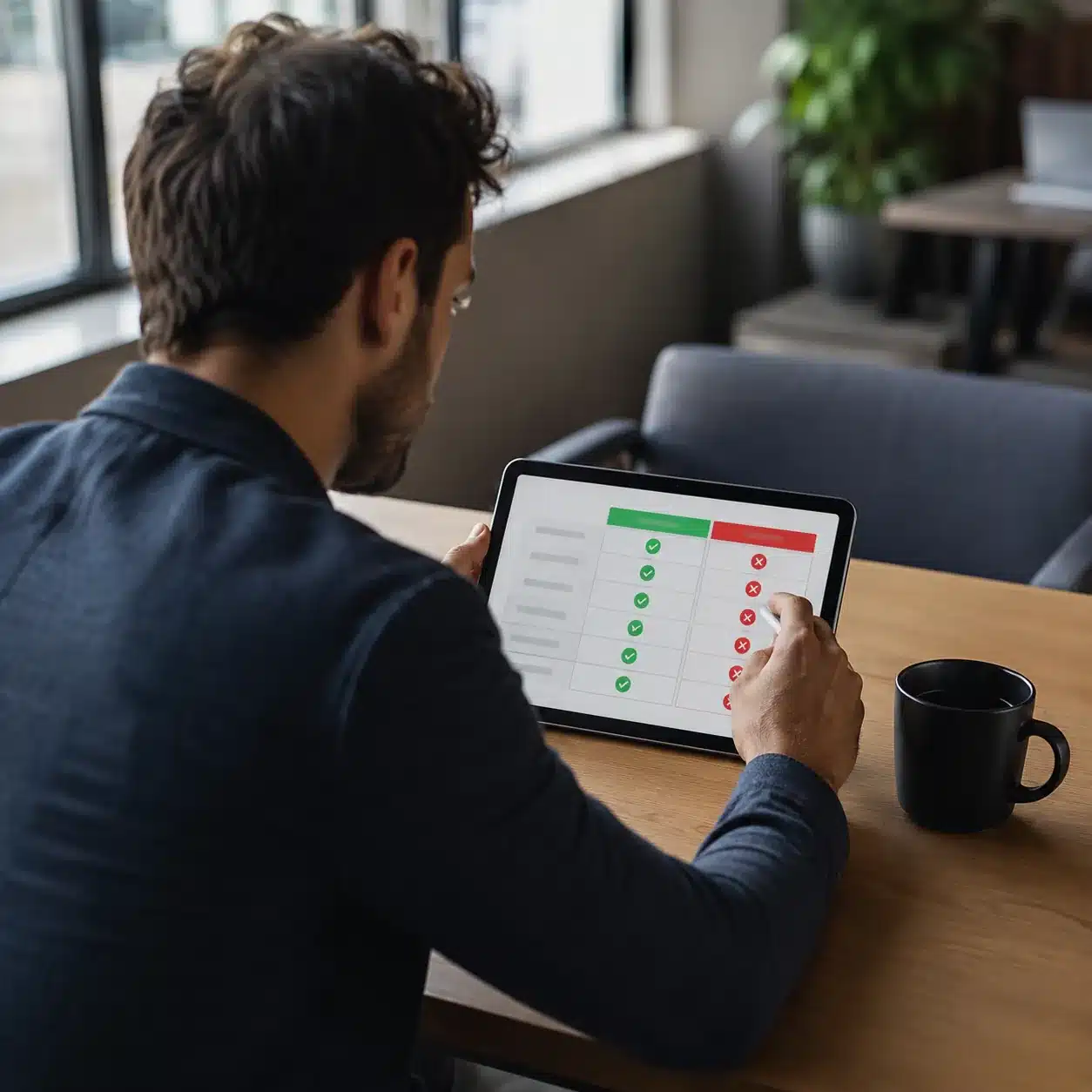
- Direct Answer: Fake suppliers in Yiwu typically lack a valid Unified Social Credit Code, refuse factory visits, and cannot provide proof of export activity. A legitimate supplier must have an 18-digit USCC, active tax filings, and verifiable production space.
- Cost Insight: A single scam can cost a new brand founder $10,000+ in lost deposits and tooling costs. Third-party verification services cost as little as $200–$500 — a small upfront protection that eliminates the risk.
- Engineering/Quality Gap: Most verification guides ignore IP protection. The real threat isn’t just losing money on one order — it’s having your custom design show up on Alibaba six months later. Genuine OEM suppliers will sign NDA and IP assignment clauses; fakes will dodge them.
Step 5: Use Escrow or Secure Payment Terms
Avoid T/T wire transfers where you pay 100% upfront. Use L/C (Letter of Credit) or escrow services. Insist on a payment split: 30% deposit, 70% upon shipping after PSI approval. If the supplier insists on 50% or more upfront without verification, that is a major red flag.
Secure payment terms comparison for brand founders: A 30/70 split with PSI approval gives you use. If the supplier knows a third-party inspector will check the goods before final payment, quality fade becomes much harder to execute. Suppliers who resist third-party inspection are almost always hiding something.
FAQ: Avoid Fake Suppliers Yiwu
How to check if a Chinese supplier is legit?
Inspect their documents: Business License, Certificate of Foreign Trade Registration, and China Customs Registration Certificate. Verify the company’s Unified Social Credit Code on China’s National Enterprise Credit Information Publicity System. An in-person factory visit or live video tour is the gold standard. Cross-check the bank account name, company seal, and license — all three must match exactly.
Is Yiwu Market safe?
Yiwu Market itself is a government-supported commercial hub and completely legitimate. But not every supplier booth is trustworthy. Individual vendors may misrepresent their capabilities, so independent verification is essential to avoid scams.
How can I check if the products from China are real?
Ask for the supplier’s serial number system that includes year, factory, and batch codes. For branded products, check trademark registration and request proof of original certification. Third-party testing laboratories can verify material and quality claims.
How to find fakes on Alibaba?
Learn Alibaba’s supplier verification system (Gold Supplier, Assessed Supplier). Watch for prices significantly below market, unrealistic MOQs, and vague company descriptions. Always request a physical sample and perform a reverse image search on product photos.
How to verify if a Chinese company is real?
Use the Unified Social Credit Code (18-digit) on the government website gsxt.gov.cn. Confirm the company name, legal representative, and business scope. Check that the USCC matches exactly — fakes often show a different number.
Conclusión
For a first-time brand founder, the risk of losing a $10,000 deposit or having a custom design copied is real, but it is entirely avoidable. By systematically verifying the Unified Social Credit Code, demanding a live factory video walkthrough, testing sealed samples, and securing an NDA before sharing any design files, you eliminate the guesswork and protect your intellectual property from the start.
You don’t have to navigate this process alone. Review our Supplier Verification Service to see how a $200–$500 investment in a third-party check can secure your entire production run and give you the confidence to move forward with the right partner.
Preguntas frecuentes
How to check if a Chinese supplier is legit?
Use the 18-digit Unified Social Credit Code (USCC) from their business license and verify it on China’s official credit system at gsxt.gov.cn. A legitimate supplier will also agree to a live video factory. Only proceed after confirming the USCC and factory location.
Is Yiwu Market safe?
Yiwu Market itself is legitimate with 62,000 government-regulated booths, but individual vendors vary widely. The real risk is not a market-wide scam but dealing with traders who lack factory control or cut corners on. Verify each supplier independently, not the market reputation.
How can I check if the products from China are real?
For branded or custom products, have the supplier sign an NDA and IP assignment clause to protect against design theft. The bigger risk than counterfeits is quality fade—thinner materials or weaker plating—so use a. Always inspect the finished goods before final payment.
How to find fakes on Alibaba?
Fake Alibaba suppliers often refuse video calls, cannot show a verifiable factory, and demand full payment upfront. Use Trade Assurance only as a first filter, then independently verify the company’s USCC and request samples before any. Never trust platform badges alone—verify off-platform.
How to verify if a Chinese company is real?
Run their 18-digit Unified Social Credit Code through China’s National Enterprise Credit Information System (gsxt.gov.cn) to check legal registration and business scope. A real company will have active tax filings and. If the USCC doesn’t match or they avoid verification, walk away.