Justin
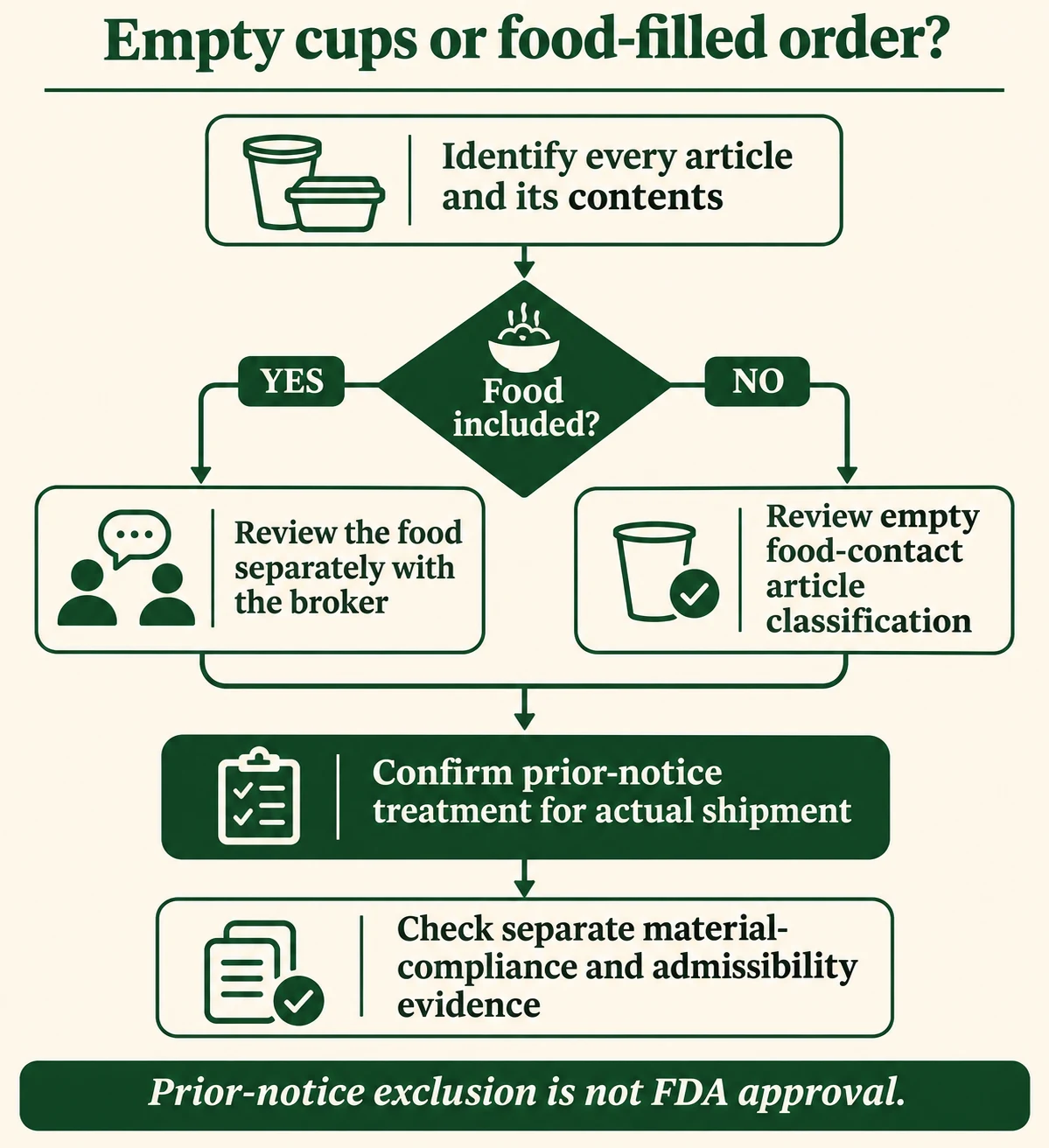
An empty food-contact cup is not the same import article as food packed inside a cup. FDA’s prior-notice guidance excludes food-contact substances from that notice requirement, while keeping them subject to other provisions and FDA admissibility decisions. Identify the actual contents before deciding the paperwork; “no prior notice” does not mean “FDA approved” or “no food-contact compliance review.”
Key Takeaways
- Identify whether the cups arrive empty.
- Separate food contents from their contact articles.
- Prior-notice exclusion does not settle admissibility.
- Match supporting records to the actual material and use.
- Ask the broker which requirement a document must evidence.
Start with what is actually inside the shipment
Start with the purchase order and packing list, not a document called an FDA certificate. Empty plastic beverage cups, empty ceramic dinnerware and a gift mug containing a food sachet may share a retail category, but they do not present the same prior-notice question. Record the material, intended use, whether the article is empty at import, and every food component shipped with it.
The distinction matters at the line-item level. A container carrying empty cups and separately packed tea cannot be described simply as an empty-cup shipment for every regulatory purpose. The cups and the tea need their own review. Likewise, describing a filled gift pack as promotional merchandise does not remove the need to identify its food contents. The broker needs the actual article and contents, not a marketing name that conceals them.

Why empty food-contact articles differ from food
In FDA’s October 2023 Prior Notice Questions and Answers, section B.2.2, the examples of food-contact substances include empty food packages, ceramic dinnerware and brass drinking vessels. Section B.1.1 explains that the prior-notice definition of food excludes food-contact substances. This supports a narrow conclusion about the notice requirement, not a declaration that a cup is outside FDA’s remit.
The same answer expressly retains other provisions of the FD&C Act and says FDA continues to make admissibility decisions. The practical result is two tracks: determine whether prior notice applies to the shipment article, and determine what supports compliance of the food-contact material. Closing the first track does not close the second. A supplier’s statement that “we have FDA” does not tell you which track its document addresses.
The obligations that the prior-notice exclusion does not remove
An empty cup’s intended use and material remain relevant to the evidence requested. A test report must be read for the actual item, material, method and stated conditions; the presence of an FDA logo or the word food-grade is not a description of that scope. This article does not select a migration test or prescribe one regulatory route for all plastics, coatings, inks and ceramics.
Ask the supplier to identify the exact SKU, material construction and food-contact use described in its supporting record. If the cup, lid or printing changes, ask what the evidence actually covers rather than assuming that a different component inherits it. Our household product testing guide provides broader testing context; the prior-notice distinction here is a separate document-classification decision.
Keep facility registration separate as well. A facility number identifies a registration record within its applicable regime; it is not a food-contact material approval for a specific cup. The prior-notice exclusion itself does not decide every facility-registration question. Ask the broker which obligation is being invoked and which actual business activity or article makes it applicable.
Three order configurations and their document questions
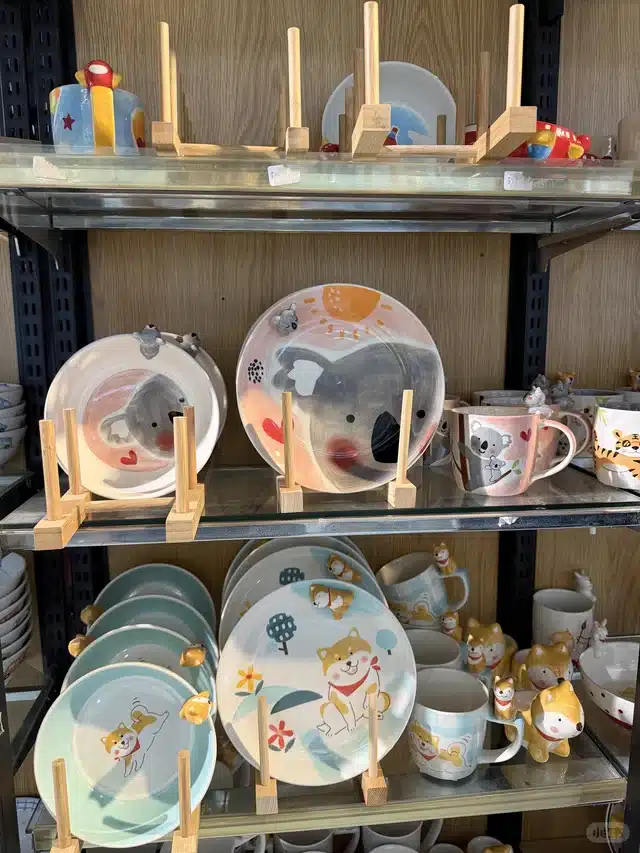
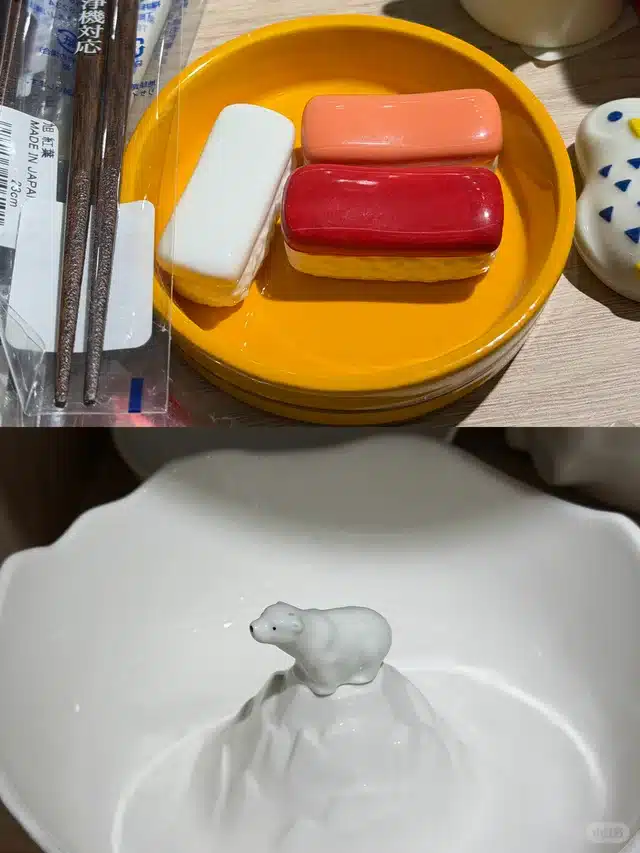
Three order configurations show why the contents field deserves attention. First, a shipment contains empty ceramic mugs only. FDA names ceramic dinnerware in its food-contact examples: the prior-notice exclusion is relevant, while admissibility and other applicable obligations remain for review. The next document question concerns the mugs and their intended use, not an invented food shipment.
Second, the order contains empty PP cups and no beverage ingredients. Identify them as empty food-contact articles and ask the broker to confirm the entry treatment. Do not buy an unspecified certificate merely because another importer’s food shipment needed prior notice. The independent issue is what evidence supports the actual cup material and use.
Third, a mug is packed with tea or another food product. Separate the food from the contact article in the information sent for review. Assess the food’s prior-notice requirements and any applicable exemptions on its own facts; do not use the empty-mug conclusion to clear the food. Adding contents changes the review even though the mug has not changed.
What to send the broker and sourcing team
A useful broker request reads: “These are empty [material] cups, SKU [identifier], intended for [use], with [no food / named food components]. Please identify the applicable entry requirement and the exact document or data fields needed.” Attach the product description, component list, intended-use information and supplier records. Ask whether a requested certificate means a material-compliance record, a facility record, or another entry requirement.
If the request remains vague, the unresolved input is the requirement being evidenced. A third-party document with the right-looking title cannot settle that ambiguity. Once the requirement is identified, compare the record’s product and scope with the real order. This creates a concrete document decision without promising customs release. ChineseYiwu’s kitchenware sourcing information supplies the commercial context; availability and supporting documents for a particular item still require confirmation.
| Record | Conclusion available | Unresolved input |
|---|---|---|
| Empty contact article | Prior-notice exclusion relevant | Admissibility and material evidence |
| Food-filled bundle | Food needs separate review | Actual contents and applicable food obligations |
For a product or documentation availability check, submit the product specification and destination. Include the exact item, intended use and document question. Availability and supporting evidence require confirmation; this is not project acceptance, laboratory analysis or customs clearance.
Conclusión
Separate food-contact articles from food contents; keep admissibility and material compliance review even where prior notice exclusion applies. The decision is useful when its conditions travel with it: preserve the observed facts, identify the rule that applies, and state exactly which conclusion remains open.
Preguntas frecuentes
Does no prior notice mean no FDA review?
No. FDA’s guidance expressly retains other statutory provisions and admissibility decisions for food-contact substances.
Can one certificate cover every cup material?
Do not assume so. Compare its actual product, material, method and intended-use scope with the ordered cup and components.
What changes when a mug contains food?
The food contents need their own prior-notice and other applicable review. The conclusion for an empty mug cannot clear the food-filled shipment.