Justin
A US city name on an imported tote can create a separate origin-marking problem. Review the bag and every attached tag together: a Made in China statement apparently describing a bonus accessory may leave the bag itself misleadingly marked. Textile-fibre exemptions do not settle customs origin marking.
Before approving printed panels or labels, separate three decisions: what the bag’s origin is, how the geographic wording is being used, and whether the assembled retail presentation clearly marks the bag. The word “logo” does not settle all three. Nor does finding an origin statement somewhere in a pile of packaging artwork.
Separate the city name from the actual origin
A geographic reference and a manufacturing-origin statement serve different purposes. A buyer reviewing artwork should first record the actual origin separately from any city name, brand address or decorative wording. This prevents an unverified assumption about manufacturing from becoming the text sent to the label supplier.
The applicable US provision depends on the presentation. 19 CFR 134.46 addresses specified US or other non-origin geographic references that may mislead the ultimate purchaser. Where it applies, origin wording must be legible and permanent, close to the potentially misleading reference and at least comparable in size. The origin country must be introduced with wording such as “Made in” or “Product of.”
Section 134.47 separately addresses US location wording used as part of a trademark, trade name or souvenir marking. It requires a legible, conspicuous and permanent origin indication with appropriate introductory wording, either nearby or in another conspicuous location. That distinction is why you should not automatically apply the same placement instruction to every city-name design.
The practical first result is a classification question for the importer’s customs reviewer: how is this particular wording being used, and which provision governs it? Supply the actual design and context. Calling a print a “brand logo” in a purchase order is not enough evidence to resolve that question. If applicability remains unresolved, hold the marking approval rather than selecting whichever placement is easiest to manufacture.
The cited eCFR pages displayed Title 19 current through 29–30 October 2026 when checked for this article. Their content concerns US imports; it is not a marking rule for every destination country.


Read the tote-and-umbrella ruling carefully
CBP ruling N095300, dated 25 March 2010, answers a real historical importer request. The reviewed bag displayed “Rosetti New York.” Its attached tag promoted a bonus umbrella and included “Made in China.” CBP found the proposed marking unacceptable because the tag could lead the purchaser to believe that the origin statement concerned only the umbrella.
The ruling suggested a permanent bag marking inside near the top, with a particular location for that sample. That is a fact-specific suggestion, not a universal instruction for every tote. Do not copy its distance onto a different bag and call the new design approved.
The case’s useful lesson for artwork control is the object of the statement: which article does the consumer understand the origin wording to describe? It is historical evidence of an importer’s marking problem, not a claim that the same customer question was received in 2026 or that every city-name mark has the same outcome.
Approve the bag artwork and each attached label together
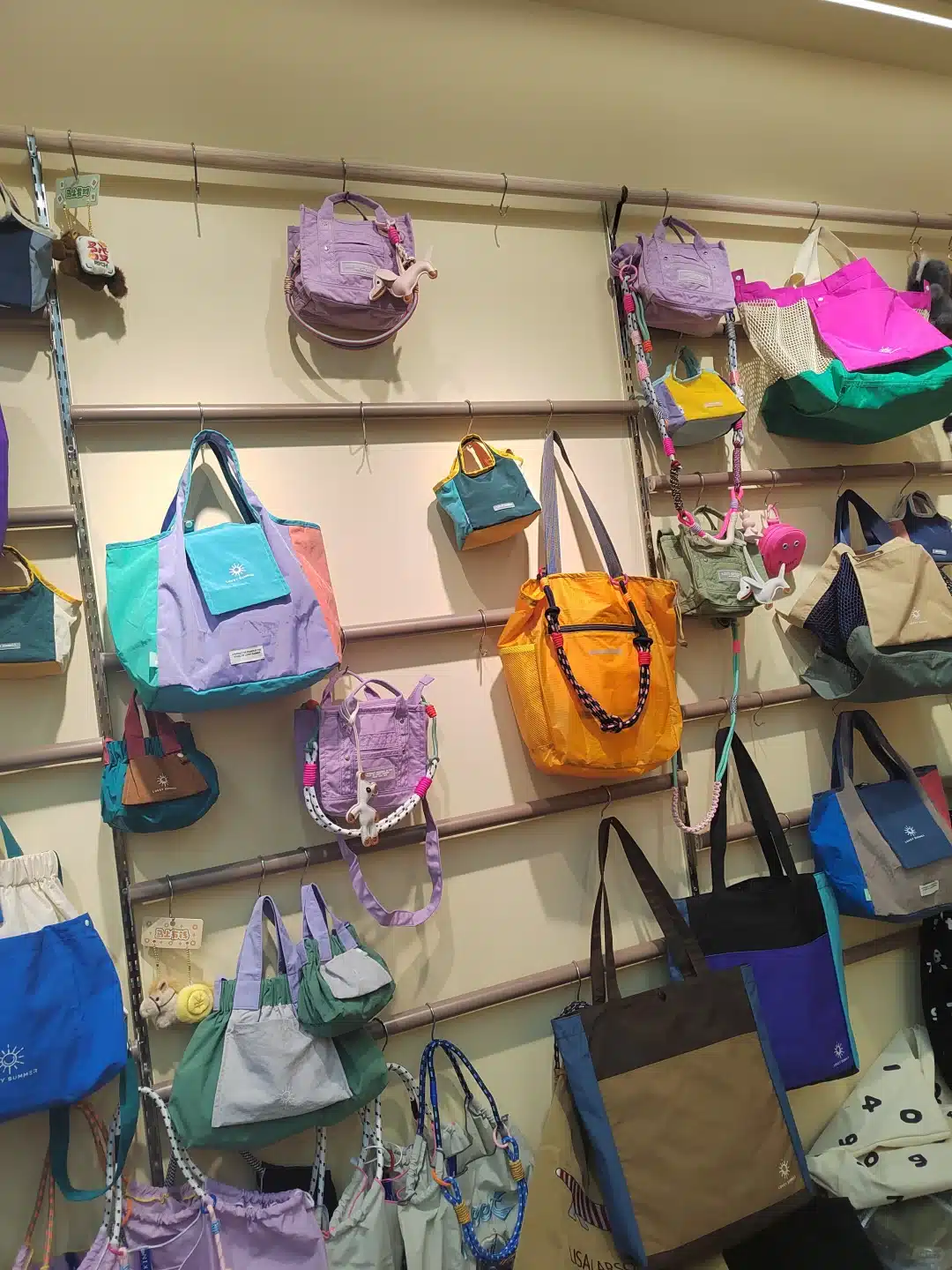
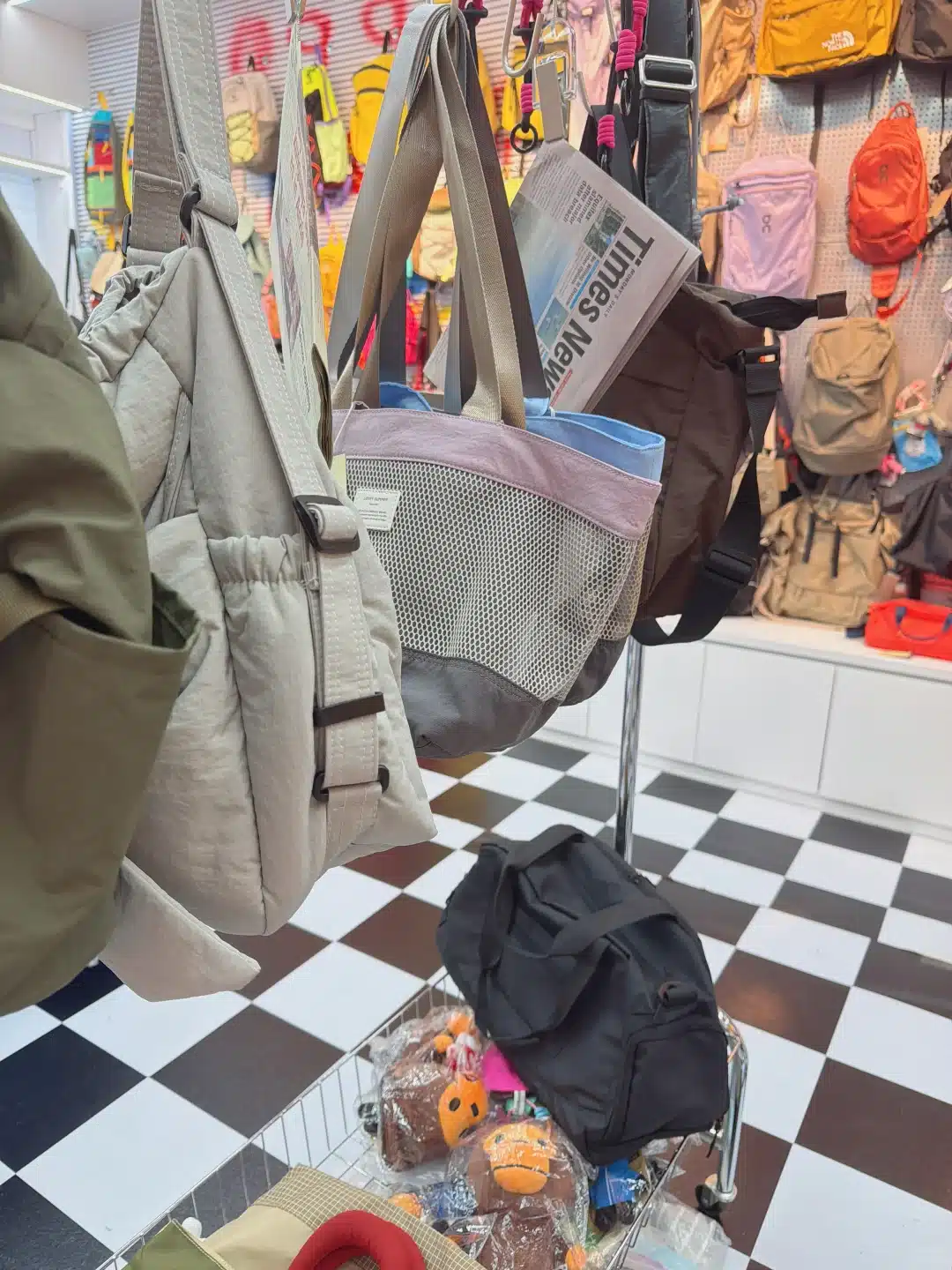
Use a full assembled sample, or an artwork pack that clearly shows how each part will appear on it. A cropped close-up can make a label readable while hiding the fact that its wording describes another item. Conversely, a wide photograph may show the overall design without allowing the reviewer to read the origin mark.
Check two scales of evidence: the full retail presentation, then readable views of the bag marking and every potentially conflicting tag. Keep the proposed dimensions and attachment method with those views. The review can then distinguish an unclear statement from a misplaced one, instead of treating all problems as “make the label bigger.”
| Sample condition | What the buyer can decide | Next result required |
|---|---|---|
| Origin wording appears only beside bonus-accessory wording | Bag-origin coverage is ambiguous; hold the marking sample | Revised presentation clearly identifies the bag’s origin and receives applicability review |
| City wording exists, but its trademark/souvenir context is not established | Placement cannot be approved by choosing a rule on assumption | Importer’s reviewer resolves the applicable provision against the actual design |
| Applicable marking instruction is agreed, but the supplied label differs | The sample does not match the agreed instruction | Corrected physical sample and matching production artwork |
These are sample-control decisions. They identify what blocks approval and what evidence resolves the block; they do not determine admissibility for an unreviewed shipment.
Also test whether the proposed method can preserve the mark. Section 134.41 explains that the marking must survive normal distribution and store handling and remain easily findable and readable by the ultimate US purchaser. A satisfactory PDF alone cannot establish how the supplied attachment will behave.
For that reason, record whether the review is of artwork, a physical pre-production sample or a production item. Passing the first stage does not prove the second or third matches it. If the attachment, wording or tag arrangement changes, reassess the affected presentation rather than carrying the old sign-off forward without comparison.
Turn the result into a sample correction brief
A usable correction brief names the defect and the required outcome. For example, the following is an illustrative instruction, not an official approved label: “The current accessory tag does not clearly identify the bag’s origin. Return revised bag and tag artwork showing which article each origin statement covers, plus an assembled sample view. Preserve the origin and marking instructions agreed with the importer’s customs reviewer.”
This is more precise than “add Made in China.” It tells the supplier why adding words to the same ambiguous tag may leave the original problem unresolved. It also gives the buyer something observable to compare: the article identified, the full presentation and the marking instruction.
Keep actual origin, geographic wording, applicable provision, approved text, placement, attachment and sample version in the same record. Where the governing rule remains uncertain, state that missing decision explicitly. Do not issue final production marking approval on a blank legal assumption.
For general product choices and sourcing routes, use the existing wholesale tote-bag sourcing guide. Its fibre-labelling discussion is a separate subject; it does not approve this geographic branding or replace a customs marking review.
If you need sourcing support, the product-sourcing service page is the relevant starting point. Send the destination, bag specification and complete artwork pack for a scope and availability check. No customs legal service, compliant label or supplier capability for this exact order is confirmed by this article.
Submit specifications for an availability check
- Record actual origin and all geographic wording.
- Ask the importer’s reviewer whether 134.46 or 134.47 applies. If unresolved, hold marking approval.
- Review the bag and every accessory tag together.
- Check readability, visibility and durability on the physical sample.
- Correct the artwork and assembled sample.
- Compare with the agreed marking instruction.
Conclusión
Approve the finished presentation against the actual applicable marking instruction. Resolve what the geographic wording means, which article the origin statement describes and whether the supplied sample matches the agreed wording and attachment. A historical ruling can reveal a failure mode; it cannot sign off a different bag on its own.
Frequently asked questions
Does every US city name require the same label placement?
No. Sections 134.46 and 134.47 address different circumstances. Establish the context and applicable provision before approving placement.
Can an accessory’s origin tag mark the bag too?
Do not assume that it does. Review what the statement clearly describes in the complete presentation. N095300 rejected a proposed tag that could appear to concern only the bonus umbrella.
Is a fibre-content exemption an origin-marking approval?
No. Keep the questions separate. This article concerns US customs origin-marking review, not fibre-content labelling or a guaranteed customs outcome.