Джастин
В марте этого года первый покупатель из Остина отправил поставщику в Иу $4 200 долларов за 500 колонок Bluetooth. Поставщик отправил внутренние номера для отслеживания, а затем перестал отвечать на сообщения. Деньги исчезли. Мы наблюдаем подобную картину более 40 раз в квартал. Мошенничество на рынке Иу - это не редкая аномалия, а структурная особенность рынка с 75 000 киосков и отсутствием централизованной проверки покупателей. Ловушка, в которую попадается большинство новичков, - это не поддельные товары. Это арендованный павильон в районах Футянь 1 или 2, который арендуется на два месяца, используется для сбора депозитов с дюжины иностранных покупателей одновременно, а затем бросается до того, как какой-либо груз покинет страну.
Key Takeaways
- We track seven distinct fraud patterns inside Yiwu’s 75,000+ booths.
- Rented booth scams exploit Yiwu’s flexible lease structure to collect deposits and vanish.
- A perfect sample proves nothing about mass production.
- Paying into a personal Chinese bank account eliminates your legal recovery options.
- Yiwugo - это легитимная платформа, поддерживаемая правительством, но ее проверка поставщиков подтверждает только регистрацию бизнеса, но не физическое присутствие или надежность экспорта.
- Every verification step below must be completed before any money leaves your account.
Мы собрали отчеты о происшествиях за три года работы нашей команды на местах и сопоставили каждый вид мошенничества с определенным этапом проверки перед оплатой. Вы узнаете точный процент депозита, при котором вероятность мошенничества возрастает. Это важно, потому что после перевода средств за границу вернуть их практически невозможно. Мы также расскажем, почему доставка Yiwugo только внутри страны лишает покупателя защиты, и как подтвердить реальную продолжительность аренды стенда у поставщика, прежде чем переводить хоть один доллар. Цель проста. Приступайте к выполнению своего первого заказа с такой же способностью распознавать риски, как и тот, кто работает здесь уже десять лет.

7 мошенничеств на рынке Иу, за которыми стоит следить
Мы отслеживаем семь различных схем мошенничества в 75 000 с лишним киосках Иу. Потеря депозита достигает максимума на этапе предоплаты, поскольку удаленные покупатели не могут проверить физическое существование поставщика.
Классификация типов мошенничества
Семь видов мошенничества, которые мы наблюдаем у начинающих покупателей в Иу, делятся на три уровня в зависимости от того, как работает поставщик. Понимание структуры имеет значение, поскольку каждый тип требует разного подхода к проверке.
Уровень 1: Мошенничество в организациях. Поставщик не существует как реальный бизнес. Сюда же относится мошенничество с арендованным стендом, когда оператор арендует Рынок Футянь Стенд на 1-3 месяца, собирает депозиты от многочисленных иностранных покупателей и исчезает до поставки. В районах 1-2 на рынке Футянь наблюдается самый высокий уровень оборота стендов, что делает их основной "горячей точкой". Мы также наблюдаем операции с фабриками-призраками, когда торговая компания представляет видео с экскурсией по фабрике, которая на самом деле принадлежит совсем другому производителю.
Уровень 2: Мошенничество с продуктами. Бизнес существует, но поставляемый товар отличается от того, о чем договаривались. Наиболее распространенный вариант: образец проходит проверку качества, но в массовом производстве используются более тонкие стенки, более дешевые сплавы или меньшее количество нитей. Разница в качестве образцов и массового производства - самая большая жалоба, которую мы слышим от начинающих бренд-менеджеров при первом заказе.
Уровень 3: Мошенничество при транзакциях. Поставщик и товар реальны, но канал оплаты взломан. Мошенничество с оплатой личных банковских счетов в Китае являются стандартным методом. Поставщик просит вас перевести деньги на личный счет, а не на корпоративный банковский счет, что делает сделку юридически неотслеживаемой как покупку между бизнесом и компанией.
Идентификация красных флажков
Красные флажки - это не интуиция. Это измеримые отклонения от нормального поведения на рынке Иу. Мы классифицируем их на ценовые аномалии, коммуникационные модели и структурные несоответствия.
- Отклонение в ценообразовании: Цена на 15-20% ниже, чем у второго по дешевизне поставщика, почти всегда свидетельствует о снижении цены на материал, а не о законной конкуренции. Мы видим такую картину 40 с лишним раз в квартал от покупателей, которые впервые погнались за самой низкой ценой.
- Бут Стаж работы: Законная аренда стенда в Иу длится более 1 года. Любой поставщик, арендующий стенд менее чем на 3 месяца, является прямым признаком мошенничества с арендованными стендами. Запрашивайте оригинальную дату аренды, а не только регистрацию лицензии на ведение бизнеса.
- Ограничение платформы Yiwugo: Если поставщик направляет вас на Yiwugo для “официальной безопасности платформы”, поймите, что Yiwugo поддерживает только внутреннюю доставку по Китаю. Международная доставка должна быть организована в автономном режиме, что полностью лишает платформу защиты покупателя. Это пробел в доверии, который многие начинающие покупатели не замечают.
- Маршрутизация платежей: Любой запрос на отправку платежа на личный банковский счет, кошелек WeChat или личный счет Alipay вместо проверенного корпоративного банковского счета является сигналом мошенничества.
Оценка уровня финансового риска
Риск напрямую зависит от структуры оплаты. Стандартной безопасной структурой в отрасли является 30% T/T в качестве аванса и 70% перед коносаментом или отгрузкой. Наши внутренние данные показывают, что предоплата свыше 50% связана со значительно более высокими рисками мошенничества. Заказ с предоплатой в 100% у непроверенного поставщика представляет собой почти полную вероятность потери капитала, если поставщик окажется мошенником.
Мошенничество с юридическими лицами сопряжено с самым высоким финансовым риском, поскольку возврат средств практически нулевой. Поставщик исчезает, павильон в течение нескольких недель занимает новый арендатор, а китайские власти рассматривают это как спор по гражданскому договору, а не как уголовное мошенничество. Мошенничество с товарами находится в среднем эшелоне, поскольку вы получаете товар с остаточной стоимостью, даже если он не продается по целевой марже. Риск мошенничества с транзакциями полностью зависит от способа оплаты: корпоративные банковские переводы оставляют бумажный след, а переводы с личного счета - нет.
Методы обнаружения
Удаленная проверка имеет жесткие ограничения. Вы не сможете обнаружить мошенничество с арендованной будкой по разговору в WhatsApp. Методы обнаружения, приведенные ниже, упорядочены по степени надежности, от самого высокого к самому низкому уровню доверия.
Самый надежный метод - физическая проверка на месте. Это означает, что кто-то подходит к фактическому стенду, сверяет лицензию на ведение бизнеса с названием корпоративного банковского счета и подтверждает, что фабрика работает, а не одолжена для экскурсии. Мы проверяем каждого поставщика до того, как клиент отправит депозит. Ни один удаленный обходной путь не сравнится с этим уровнем надежности.
Для покупателей, пытающихся провести удаленную проверку, тест на пространственную непрерывность в реальном времени является самым сильным фильтром. Запросите видеозвонок, в котором поставщик непрерывно идет от стенда с указателями районов непосредственно к заводскому цеху. Сгенерированные искусственным интеллектом глубокие подделки не смогут убедительно сымитировать пространственную непрерывность с реальными ориентирами, такими как указатели района Yiwu International Trade City. Если поставщик откажется, прервет трансляцию или будет переключаться между заранее записанными сегментами, у вас есть ответ.
Минимальная проверка на жизнеспособность для любого первого заказа в Иу требует наличия трех документов, сверенных друг с другом: название лицензии на ведение бизнеса, имя владельца корпоративного банковского счета и имя в коносаменте. Если эти три документа не совпадают, сделка прекращается. Эта единственная проверка позволяет исключить большинство случаев мошенничества с юридическими лицами и транзакциями, направленных на покупателей, впервые совершающих покупку.

Мошенничество с арендованными стендами: объяснение
Мошенники, арендующие стенды, используют гибкую структуру аренды в Иу, чтобы собрать депозиты и исчезнуть. Аренда стенда на срок менее трех месяцев - главный тревожный сигнал.
Как краткосрочная аренда будок способствует мошенничеству с депозитами
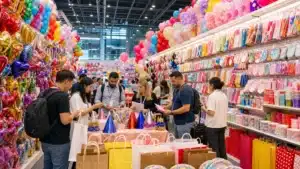
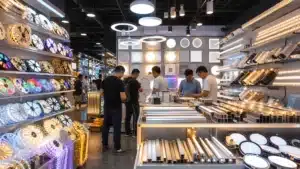
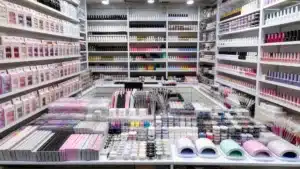
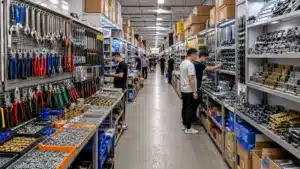
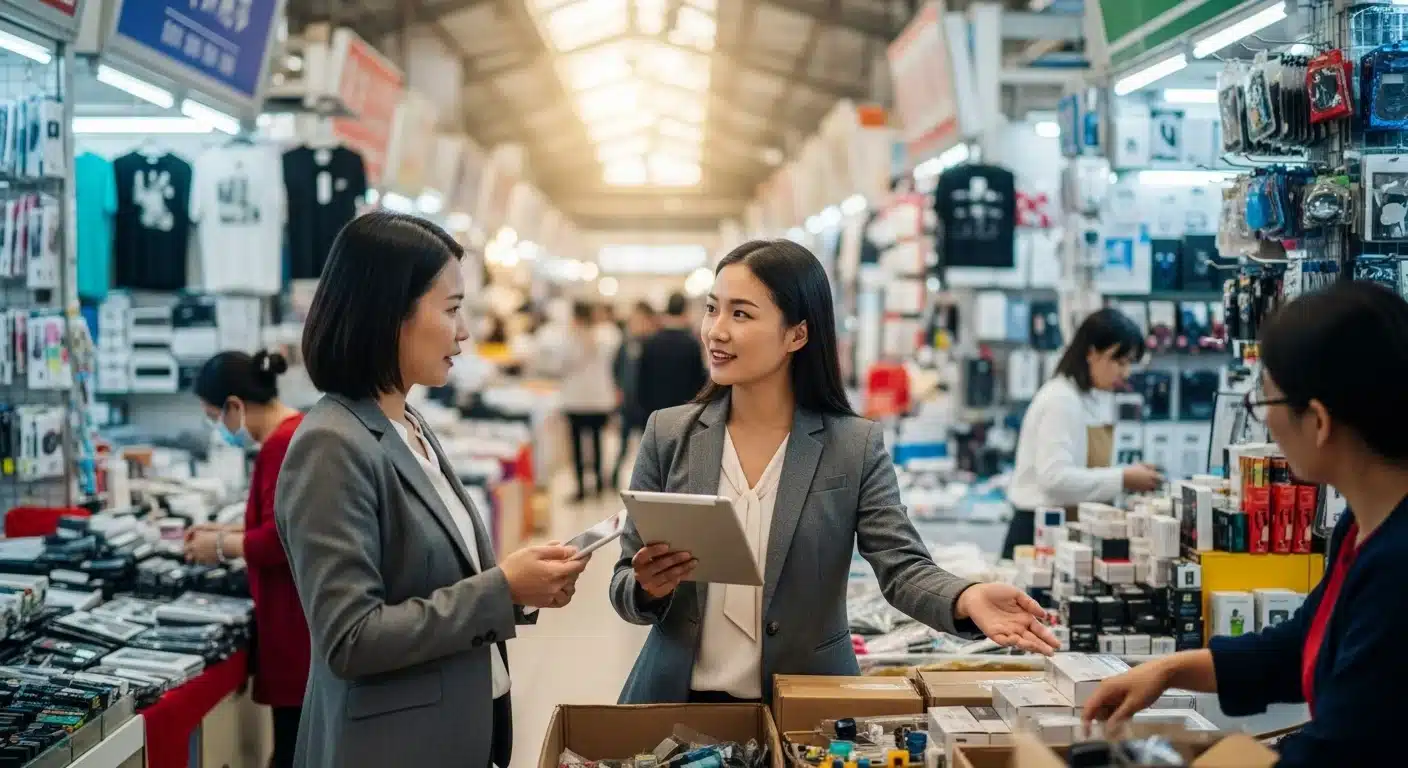
Международный торговый город Иу вмещает 75 000+ стендов в 5 районах. Такой масштаб делает индивидуальную проверку практически невозможной для начинающего покупателя, прогуливающегося по проходам или просматривающего Yiwugo удаленно. Мошенники используют именно эту непрозрачность.
Вот схема, которую мы наблюдаем десятки раз в квартал. Оператор заключает договор краткосрочной субаренды киоска - чаще всего на 1-3 месяца. Они заполняют его типовыми образцами, заводят аккаунт в WhatsApp и начинают рекламировать иностранным покупателям на Yiwugo или в социальных сетях. Предложение агрессивное: низкие цены, быстрое выполнение заказа, отсутствие проблем с небольшими заказами.
Ловушка захлопывается на этапе внесения депозита. Они требуют предоплату - часто выходя за безопасный порог 30% T/T, иногда запрашивая 50% или даже полную предоплату. Как только средства оказываются на личном банковском счете, оператор перестает отвечать. К тому времени, когда покупатель понимает, что что-то не так, срок аренды уже истек, а стенд либо пуст, либо занят совершенно другим продавцом, который ничего не знает о заказах предыдущего арендатора.
Законная аренда стенда в Иу длится более 1 года. Все, что меньше 3 месяцев, является структурной аномалией, которая должна немедленно остановить ваш процесс оплаты. Вы не можете проверить срок аренды по фотографии товара или видео в WeChat. Для этого необходимо на месте проверить лицензию на эксплуатацию стенда и договор аренды - документы, которые мошенники никогда не предоставят.
Почему районы 1 и 2 являются нулевыми районами
Не все районы несут одинаковый риск. Районы 1 и 2 рынка Футянь, где представлены игрушки, ювелирные изделия и предметы домашнего декора, имеют самые высокие показатели оборота стендов во всем комплексе. Эти районы также привлекают наибольшее количество иностранных покупателей, впервые совершающих покупку, создавая концентрированный пул целей, у которых отсутствуют базовые привычки проверки.
Высокий оборот в этих районах обусловлен двумя факторами. Во-первых, категории товаров в округах 1 и 2 быстро меняются. Легальные продавцы сменяют друг друга по мере изменения рыночного спроса. Во-вторых, структура стоимости аренды в этих районах делает краткосрочную субаренду финансово выгодной для мошенников - первоначальная стоимость аренды стенда на 2 месяца достаточно низкая, чтобы один крупный депозит от иностранного покупателя покрыл всю операцию.
Это означает, что в округах 1 и 2 стенд с профессиональной вывеской и приличными образцами не дает никаких гарантий легитимности. Продавец, с которым вы сегодня разговариваете, может занимать это место уже одиннадцать дней. Если на рынке нет человека, который мог бы сверить имеющуюся в управлении района лицензию на ведение бизнеса с тем, кому вы перечисляете деньги, вы принимаете чисто умозрительное решение.
Поддельный образец против массового производства
Идеальный образец ничего не доказывает о массовом производстве. Это маркетинговый инструмент, а не договор.
Премиальный образец, пониженное производство
Это самая распространенная приманка, на которую мы ловимся в Иу, и она работает, потому что покупатели, впервые обратившиеся за помощью, не знают, как на самом деле изготавливаются образцы. Когда вы запрашиваете образец, фабрика привлекает своего самого квалифицированного работника, использует сырье высшего сорта и проводит ручную проверку качества, которая никогда не происходит на производственной линии. Полученный вами образец - это ручная работа. А 1000 единиц, которые вы заказали, - нет.
Мы постоянно наблюдаем эту закономерность в разных категориях товаров: более толстые стенки у образцов тумб из нержавеющей стали, ткань с более высоким количеством нитей у образцов мешков, более плотный пластик у образцов корпусов. Визуальная разница часто незаметна для нетренированного глаза, но разница в стоимости единицы продукции - это именно то, что делает предложение выгодным для поставщика.
Единственной надежной мерой противодействия является предотгрузочная инспекция на месте с использованием утвержденного образца в качестве физического эталона. Вы не сможете обнаружить снижение качества материала по фотографии. Местный инспектор, вскрывающий изделие и измеряющий толщину стенок или взвешивающий изделие в сравнении с образцом, немедленно выявит подмену.
Красный флаг отклонения цены 15-20%
Замена материала не случайна. Наши внутренние данные по проверенным сделкам в Иу показывают постоянный порог: если предложение поступает на 15-20% ниже второго по цене поставщика, вероятной причиной является снижение стоимости материала, а не законное преимущество в стоимости или более высокая эффективность.
Вот как на самом деле работает математика в Иу. Стоимость сырья прозрачна на местном уровне. Если фабрика A предлагает вам $2.80 за единицу продукции, а фабрика B - $2.30, этот разрыв в 18% не может быть получен за счет экономии на рабочей силе или переговоров об объеме при MOQ в 100-500 штук. Она возникает из-за замены нержавеющей стали марки 304 на 201, или полиэстера 600D на 420D, или уменьшения толщины стенок с 1,2 мм до 0,8 мм. Завод предлагает цену, основанную на другой спецификации материала, чем та, которую вы указали в своем запросе.
Те, кто впервые покупает, видят более низкую цену и интерпретируют ее как поиск лучшей сделки. Опытные менеджеры по закупкам видят в этом несоответствие спецификации материала, которое обнаружится при проверке. Если вы занимаетесь закупками без проверки на месте, то экономия 15-20% превращается в сплошные убытки, когда партия товара оказывается ниже порога качества и не может быть продана.

Ловушки платежей по личному банковскому счету
Внесение денег на личный счет в китайском банке лишает вас возможности получить возмещение по закону. Процент депозита, на который вы соглашаетесь, напрямую определяет, какой суммой капитала вы рискуете.
Утрата права на судебную защиту при выплатах по лицевым счетам
Когда поставщик из Иу просит вас перевести деньги на личное имя, а не на корпоративный банковский счет, это не случайное предпочтение. Это сознательное решение действовать вне рамок китайского коммерческого законодательства. Корпоративные счета привязаны к зарегистрированной бизнес-лицензии и подлежат разрешению коммерческих споров через местные суды и арбитраж.
Личные счета не имеют таких связей. Мы сталкиваемся с этой схемой в случаях мошенничества с оплатой через личный банковский счет в Китае примерно 40 с лишним раз в квартал от покупателей, впервые пришедших на рынок самостоятельно. Поставщик собирает предоплату, задерживает производство, оправдываясь, и в конце концов перестает отвечать на запросы. Когда покупатель обращается к китайскому юристу, ответ всегда один и тот же: нет корпоративного лица, которое можно было бы преследовать, а преследование физического лица через границу по небольшому коммерческому спору нецелесообразно с финансовой точки зрения.
Решение проблемы простое, но абсолютное. Перед любым платежом запрашивайте банковские реквизиты поставщика и сверяйте название счета с его китайской лицензией на ведение бизнеса. Если названия не совпадают, или если поставщик предлагает отговорки о “налоговых причинах” или “проблемах со счетом компании”, уходите. Каждая легальная фабрика, работающая на территории международного торгового города Иу, имеет корпоративный счет.
Стандартная структура вклада в сравнении с опасными структурами
Переговоры по депозиту - это момент, когда вы фиксируете свой риск. Стандартом для оптовых заказов в Иу является предоплата 30% T/T, а 70% оплачивается перед отгрузкой или по коносаменту. Такое соотношение 30/70 существует потому, что оно уравновешивает затраты фабрики на сырье и ваш риск потери капитала в случае непоставленного заказа.
Опасные конструкции делятся на две категории, которые мы сразу же отмечаем при проверке поставщиков:
- Разделение 50/50: Оплата 50% вперед коррелирует со значительно более высокой вероятностью мошеннических потерь в наших данных. Поставщик уже покрыл все свои материальные затраты, поэтому его финансовый стимул выполнить ваш заказ падает почти до нуля.
- 100% Предоплата: Полная предоплата - самый явный признак мошенничества при поиске поставщиков в Иу. Ни одна проверенная фабрика не требует этого для стандартных партий продукции. Мы видим это требование почти исключительно от операторов арендованных стендов в 1-2 районах рынка Футянь, которые не собираются ничего производить.
Если поставщик настаивает на предоплате в размере выше 30%, бремя доказывания полностью перекладывается на него. Попросите у них лицензию на ведение бизнеса, запросите подтверждение из корпоративного банка и настаивайте на посещении фабрики перед оплатой. Поставщики, ведущие легальную деятельность и арендующие стенд на срок более 1 года, примут эти шаги по проверке без сопротивления. Краткосрочные операторы стендов будут отклоняться, откладывать или исчезать.

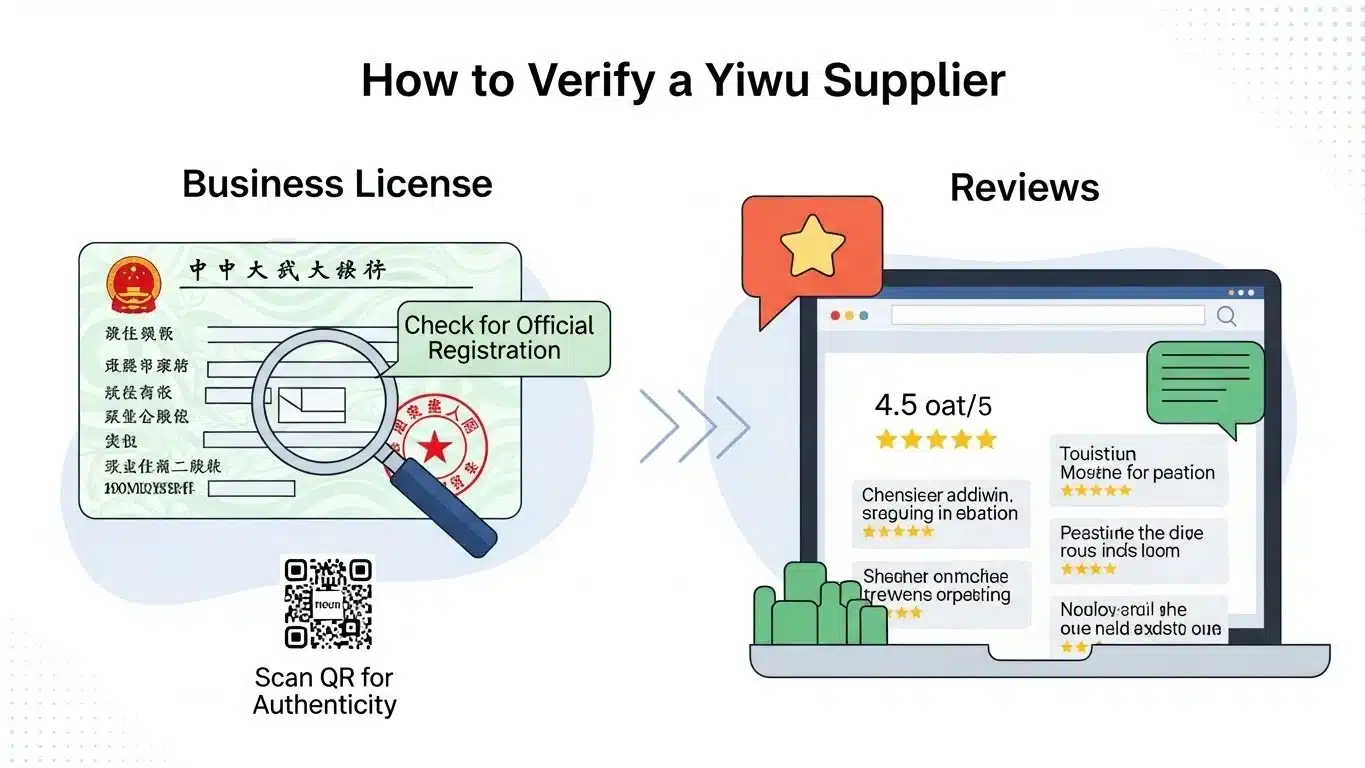
Проверка легитимности Ивуго
Yiwugo - это легитимная платформа, поддерживаемая правительством, но ее проверка поставщиков подтверждает только регистрацию бизнеса, но не физическое присутствие или надежность экспорта.
Поставщики, работающие только на платформе, и поставщики, владеющие стендом
В Ивуго работают два принципиально разных типа поставщиков, и, смешивая их, начинающие покупатели теряют деньги. У поставщика, работающего только на платформе, нет физического стенда в Международном торговом городе Иу. Они зарегистрировали бизнес-лицензию, загрузили фотографии товара и начали принимать заказы. Поставщик, владеющий стендом, имеет физический стенд в районах рынка Футянь с 1 по 5. Это различие имеет значение, потому что у вас совершенно разные варианты восстановления, если что-то пойдет не так.
Вот в чем проблема: проверочный значок Yiwugo подтверждает наличие лицензии на ведение бизнеса. Он не подтверждает, что поставщик физически занимает стенд. Мы регулярно сталкиваемся с поставщиками, работающими только на платформе, которые выставляют товары с украденными фотографиями стендов. Вы не можете обнаружить это дистанционно. Единственный надежный метод - это физически подойти к указанному номеру стенда и подтвердить, что имя поставщика совпадает с табличкой на стенде.
В Иу рискуют даже поставщики, владеющие стендами. В районах 1 и 2 рынка Футянь самые высокие показатели оборота стендов в комплексе. Мы видим схему “мошенничества с арендованными стендами” более 40 раз в квартал: поставщик арендует стенд на 1-3 месяца, собирает депозиты в размере 30% с нескольких иностранных покупателей, а затем исчезает до даты поставки. Законная аренда стенда в Иу длится более 1 года. Любой поставщик, который не может доказать, что срок аренды превышает 3 месяца, является тревожным сигналом, независимо от того, насколько полированной выглядит его витрина на Yiwugo.
Лазейки для оффлайн-манипуляций с помощью доставки только внутри страны
Именно это уязвимое место застает врасплох начинающих покупателей. Yiwugo поддерживает только внутреннюю доставку по Китаю для прямых заказов. Встроенной опции международной доставки на платформе нет. Это не мелкое неудобство - это структурный пробел в защите покупателя.
Вот как работает эта лазейка. Вы размещаете заказ на Yiwugo и оплачиваете его через платформу. Поставщик отправляет товар внутри страны китайскому экспедитору. Yiwugo считает внутреннюю доставку “завершенной” и освобождает поставщика от оплаты. В этот момент разрешение споров на платформе уже не распространяется на вас. Международный этап - когда замена качества, неправильное количество или подмена упаковки действительно имеют значение - находится вне юрисдикции Yiwugo.
Мы видели, как поставщики использовали именно такую последовательность действий: отправляли приемлемые образцы отечественному экспедитору, получали оплату за платформу, затем координировали свои действия с экспедитором, чтобы поменять коробки местами перед международной отправкой. К тому времени, когда вы получаете контейнер в США или Европе, поставщик уже полностью оплачен, а система Yiwugo показывает заказ как “успешно выполненный”. У вас нет никаких средств защиты на уровне платформы. Единственная мера противодействия - предотгрузочная проверка на китайском складе перед международной погрузкой, а не после того, как внутреннее звено начнет освобождение платежа.

Контрольный список проверки поставщиков
Контрольный список проверки поставщиков
Каждый шаг верификации, описанный ниже, должен быть выполнен до того, как деньги покинут ваш счет. Пропуск хотя бы одного из них создает брешь, которой можно воспользоваться.
Сопоставление бизнес-лицензий
Мы запрашиваем у каждого поставщика единый социальный кредитный код и сверяем его с китайской национальной системой публикации кредитной информации о предприятиях. Легальный поставщик предоставит эту информацию в течение нескольких минут. Нерешительность или отговорки о “конфиденциальности компании” - это закономерность, которая коррелирует с мошенничеством примерно в 40% случаев, расследуемых нами в отношении первых покупателей.
- Категория: Проверка личности
- Основной результат: Подтверждает, что юридическое лицо, которому вы платите, действительно существует в соответствии с китайским корпоративным законодательством
Что проверить:
- Зарегистрированное имя против фактурного имени: Они должны быть идентичны, а не “похожи”.”
- Рабочее состояние: Должно быть указано “активный” или “существующий”. Отмененный или аннулированный статус означает, что организация юридически мертва.
- Юридический адрес: Сверьтесь с адресом, который они вам предоставили. Компания, зарегистрированная в Шэньчжэне, утверждает, что владеет фабрикой в Иу, - это распространенная схема введения в заблуждение.
Верификация корпоративного банка
Легальная китайская производственная или торговая компания ведет бизнес через корпоративный банковский счет, деноминированный в долларах США или юанях. Название счета на банковской квитанции должно совпадать с названием лицензированной компании, проверенным на предыдущем этапе. Мошенничество с оплатой через личный счет чаще всего встречается у поставщиков, работающих в районах 1 и 2 рынка Футянь, где арендаторы павильонов на короткий срок оформляют депозиты через личные счета, чтобы избежать проверок со стороны компании.
- Категория: Контроль финансовых рисков
- Основной результат: Гарантирует, что ваш депозит перейдет к отслеживаемому юридическому лицу, а не к частному лицу, которое может исчезнуть
Что проверить:
- Тип счета: Счет должен быть корпоративным. Названия счетов, содержащие личные фамилии без суффикса компании, автоматически дисквалифицируются.
- Проверка названия банка: Убедитесь, что банк-получатель является признанным китайским учреждением. Неизвестные или оффшорные названия банков требуют дополнительного расследования.
- Соответствие кодов SWIFT: Код SWIFT должен соответствовать указанному местоположению отделения банка в Китае.
Заводской видеозвонок
Многие начинающие покупатели принимают видеозвонок из WhatsApp с изображением парня, стоящего у стеллажей, и называют его “проверенным”. Это ничего не доказывает. Конкретная мера противодействия, которую мы применяем, - это непрерывный проход: поставщик начинает у своего стенда с указанием номера района, проходит по рыночному коридору, переходит на фабрику или склад и показывает активные производственные линии. Сгенерированные ИИ глубокие подделки не могут убедительно подделать пространственную непрерывность с реальными ориентирами, такими как вывески районов Yiwu International Trade City.
- Категория: Проверка физического существования
- Основной результат: Подтверждает, что поставщик действительно работает в заявленном месте и имеет реальные производственные возможности
Что проверить:
- Пространственная непрерывность: Никаких разрезов или изменений угла между внешней стороной кабины и внутренним пространством фабрики. Один непрерывный проход.
- Районная вывеска: На стенах или в справочниках ищите официальные номера районов и зон Yiwu International Trade City.
- Активное производство: Рабочие, управляющие техникой, а не просто складывающие инвентарь в штабеля. Одни только штабеля коробок могут быть арендованы как стейджинг.
Подтверждение аренды стенда
Именно этот этап проверки позволяет исключить самый опасный вид мошенничества, характерный только для Иу: операцию с арендованным стендом. Поставщик арендует стенд в районах 1 или 2 рынка Футянь на срок от одного до трех месяцев, собирает депозиты 30% с нескольких иностранных покупателей и исчезает до окончания срока поставки. В международном торговом городе Иу насчитывается более 75 000 стендов, расположенных в 5 районах, что делает индивидуальную проверку аренды практически невозможной для удаленного покупателя без местных контактов. Мы проверяем срок аренды через администрацию района, потому что поставщик, арендующий помещение на несколько лет, имеет ощутимые невозвратные затраты и отслеживаемый след.
- Категория: Оценка стабильности арендного договора
- Основной результат: Исключение мошенничества с краткосрочной арендой за счет подтверждения долгосрочного физического присутствия поставщика
Что проверить:
- Срок аренды: Все, что меньше 12 месяцев, вызывает подозрение. Аренда на срок менее 3 месяцев - это автоматический отказ от сделки.
- Контекст расположения района: Районы 1 и 2 связаны с повышенным риском оборота. Поставщикам в этих зонах следует уделять особое внимание.
- Показатели субаренды: Если поставщик не может заключить прямой договор аренды с управляющей компанией Yiwu International Trade City, он может заключить договор субаренды с третьей стороной, что снижает ответственность.
Когда нанимать агента по поиску поставщиков
Одна потеря депозита в арендованном стенде стоит больше, чем проверка на месте всего первого заказа.
Анализ затрат и выгод: Верификация на месте против риска "сделай сам
В международном торговом городе Иу насчитывается 75 000 с лишним стендов, расположенных в 5 районах. Такой масштаб делает проверку отдельных поставщиков практически невозможной с ноутбука. Покупатели, впервые приступающие к проверке, обычно запрашивают лицензии на ведение бизнеса и фотографии фабрик. В экосистеме аренды стендов в Иу и то, и другое легко подделать или позаимствовать.
Финансовая математика проста. Стандартный первый заказ в Yiwu может включать в себя депозит в размере 30% на заказ $3,000-$5,000. То есть $900-$1,500 рискуют еще до того, как будет отгружена одна единица товара. Мы наблюдаем мошенничество с арендованным стендом 40+ раз в квартал в районах 1-2 рынка Футянь. Структура мошенничества последовательна: поставщик арендует стенд на 1-3 месяца, собирает депозиты с нескольких иностранных покупателей одновременно, а затем исчезает до поставки. Законная аренда стенда в Иу длится более 1 года. Аренда на срок менее 3 месяцев - это структурный красный флаг, который невозможно обнаружить только с помощью сообщений в WeChat.
DIY verification creates a false confidence trap. You ask for a license, they send one. You ask for a video, they send a polished factory tour that could be anyone’s facility. The deposit moment is when your use drops to zero. Once you wire funds via T/T to a personal bank account instead of a verified corporate account, recovery is functionally impossible regardless of what contract you signed. Paying over 50% upfront correlates with significantly higher fraud loss exposure. The 30% deposit and 70% before shipment structure exists specifically because it keeps a supplier motivated to deliver.
Проверка на месте меняет соотношение затрат и выгод. Физическое присутствие подтверждает соответствие банковского счета компании с лицензией на ведение бизнеса, подтверждает срок аренды стенда через офис управления рынком и оценивает, действительно ли поставщик производит то, что продает. Стоимость такой проверки равна доле одного потерянного депозита.
Физические проверки, которые не могут быть выполнены удаленно
Удаленная связь дает вам то, что поставщик предпочитает показывать. Присутствие на месте дает вам то, что они не могут скрыть. Существуют специфические действия по проверке, которые требуют присутствия человека на стенде или заводе, и никакая комбинация видеозвонков, запросов документов или проверок платформы не может их заменить.
- Проверка аренды будки в офисе управления: Офисы управления рынком Иу ведут учет аренды. Агент на месте может подтвердить, является ли договор аренды поставщика сроком более 1 года или это краткосрочная субаренда. Это единственный надежный метод выявления мошенничества с арендованными павильонами до оплаты.
- Проверка банковского счета компании: Зарегистрированная бизнес-лицензия поставщика должна точно совпадать с названием банковского счета. Личные банковские счета являются отдельным тревожным сигналом для мошенничества. Для этого необходимо видеть реальные документы с печатями, а не скриншоты.
- Проверка пространственной непрерывности: Видеозвонок в реальном времени, в котором поставщик проходит от внешнего вида стенда с указателями района до заводского цеха, доказывает, что стенд и производство связаны. ИИ не может убедительно подделать пространственную связь с реальными достопримечательностями Иу. Статическая фотография стенда ничего не доказывает.
- Сравнение образцов и материалов для массового производства: Поставщики часто присылают высококачественный образец, изготовленный из материалов премиум-класса, а затем выполняют оптовые заказы с использованием материалов более низкого качества. Котировки на 15-20% ниже второго по цене поставщика почти всегда связаны с понижением стоимости материалов, а не с законной ценовой конкуренцией. Единственной мерой противодействия является физическая проверка материалов на фактической производственной линии.
- Идентификация фабрики-призрака: Некоторые поставщики из Иу работают в торговых павильонах, не имея реальных производственных мощностей. Они заключают субподрядные договоры вслепую и не могут контролировать качество и сроки. Личное знакомство с производственным цехом, оборудованием и рабочими подтверждает наличие вертикальных возможностей по сравнению с чисто торговым статусом.
Общей чертой всех проверок в этом списке является то, что они требуют физического присутствия и доступа к местным институциональным документам. Официальная платформа Yiwugo не решает и эту проблему. Yiwugo поддерживает только внутреннюю доставку по Китаю для прямых заказов, то есть международная доставка должна быть организована в автономном режиме, что полностью лишает платформу защиты покупателя. Платформа узаконивает внешний вид, а не фактическую надежность. Для начинающего покупателя, чьим основным KPI является отсутствие потерь от мошенничества при первом заказе, проверка на месте не является премиальным дополнением. Это стоимость входа.
Заключение
Откажитесь от удаленного гадания. Ограничьте свой авансовый платеж 30% и потребуйте, чтобы местный агент проверил фактическую аренду стенда поставщиком. Мы ловим мошенников с арендованными стендами в районе Футянь 1-2 не менее 40 раз в квартал - поставщики арендуют место на два месяца, собирают депозиты и исчезают.
Прежде чем что-то подписывать, требуйте видеосвязи в прямом эфире, где поставщик проходит от внешней вывески района прямо в производственную зону. ИИ не сможет подделать эту пространственную непрерывность. Если они откажутся, уходите.
Часто задаваемые вопросы
Ивуго - это законно?
Yiwugo - это официальная онлайн-платформа международного торгового города Иу, но легитимность варьируется в зависимости от поставщика. Многие объявления принадлежат торговым компаниям, а не фабрикам. Проверяйте лицензию на ведение бизнеса каждого продавца самостоятельно - наличие платформы само по себе не гарантирует безопасность заказа.
Доставляет ли Yiwugo товары в США?
Нет. Yiwugo поддерживает только внутреннюю доставку по Китаю для прямых заказов. Международная доставка в США должна быть организована через офлайн-каналы с поставщиком или сторонним экспедитором, что лишает покупателя защиты на уровне платформы.
Какой сайт лучше всего подходит для оптовых закупок из Китая?
Не существует какой-то одной ‘лучшей’ платформы - все зависит от категории товара и размера заказа. Alibaba и 1688 подходят для стандартного заводского поиска. Yiwugo работает с небольшими товарами, доступными на рынке Иу. Для заказов менее $5 000 с гарантией качества работа через проверенного агента по поиску поставщиков с инспекцией на месте безопаснее, чем любая платформа в отдельности.
Что продает рынок Иу?
На рынке Иу в основном продаются мелкие товары: модные аксессуары, игрушки, канцелярские товары, предметы домашнего декора, кухонная утварь, текстиль и сезонные товары. Мошенники часто утверждают, что продают дорогостоящую электронику или брендовые товары - эти категории являются основными тревожными сигналами, поскольку Иу не является законным источником брендовой электроники.
Как проверить поставщика Yiwu перед оплатой?
Четыре обязательных шага: (1) Точно сопоставьте название китайской лицензии на ведение бизнеса с названием счета в банке-получателе. (2) Запросите видеопрогулку в реальном времени с указанием номера стенда и вывески района. (3) Подтвердите срок аренды стенда - аренда на срок до 3 месяцев связана с высоким риском. (4) Ни под каким предлогом не перечисляйте деньги на личный банковский счет.