Justin
Finding a reliable Yiwu OEM manufacturer starts with a hard truth: the guy in the booth at Yiwu Market is probably not the guy who owns the factory. Most new brand founders treat every supplier listing as equal. That is the mistake that costs you the first $5,000. You are paying for a custom injection mold, and the person you are talking to does not own a single press.
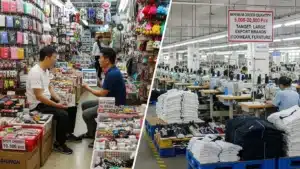
A real factory in Yiwu will show you a business license with the word ‘manufacturing’ on it. A reseller cannot. So before you even think about MOQs or mold costs, you need to separate the actual producers from the middlemen. A simple video call from the production floor kills more bad deals than any contract clause. That is your first filter, and it costs nothing.
Why Most Brand Founders Fail at OEM in Yiwu
A single mold error can cost $5,000 in rework—most founders learn this too late.
Most brand founders treat Yiwu sourcing like an Amazon product search: type a keyword, pick a listing with five-star reviews, and send a deposit. That approach fails because Alibaba listings and Yiwu market stalls are often resellers, not factories. They have no production floor, no mold-making capability, and no quality control. You pay a reseller, they outsource to a random factory, and you lose control over tolerances, material grade, and deadlines.
The first hard truth: a custom injection mold for a plastic product in Yiwu costs $3,000-$10,000. A simple silicone mold runs $500-$2,000. If your supplier doesn’t own the mold shop, every revision goes through a middleman who marks up the price and blames delays on the factory. One missed draft angle or wall thickness spec means the mold is scrap. That’s $5,000 lost before you produce a single unit.
- The Reseller Trap: A vendor with a flashy Yiwu market showroom may have zero CNC machines or injection presses. They show you catalog samples from five different factories. You never meet the actual production manager. When your mold needs a tweak, communication breaks down, and the part comes back wrong.
- IP Theft Risk: Without a signed NDA or IP clause in your contract, your product design is public domain in the supplier’s network. Resellers often sell your CAD file to a competing buyer for a quick fee. Most first-time founders skip legal protection because they think ‘trust’ replaces a contract. It doesn’t.
- The $5,000 Rework Scenario: You approve a mold design based on a 2D sketch. The factory cuts steel without a DFM (Design for Manufacturability) review. Result: the part has a 0.5mm wall thickness that warps during cooling. Fixing that single cavity costs $5,000 and adds 3 weeks to your timeline.
You need a systematic approach. Start by requesting a factory license with ‘manufacturing’ in the business scope. Then demand a live video tour of the production floor—not a pre-recorded walkthrough. Ask for the ‘Digital Factory ID,’ a document that includes real-time automation metrics and compliance history. It’s a more reliable indicator of capability than any showroom. Finally, negotiate a 30%-50% deposit with milestone payments tied to mold approval, first article inspection, and final QC. That structure protects your cash and forces the factory to deliver on schedule.
4-Step OEM Factory Check for Yiwu
A factory license with ‘manufacturing’ is your first filter.
Most brand founders walk into Yiwu Market and trust a vendor who says ‘we are factory.’ That is the fastest way to lose your deposit. The business license (营业执照) must explicitly state ‘manufacturing’ (生产) in the business scope. If it says ‘trading’ (贸易) or ‘import/export’ (进出口), you are dealing with a reseller. Cross-reference the license number with the company’s Yiwugo or Alibaba profile. A genuine factory will have a matching company name and address.
Once the license checks out, ask about mold capability. A factory with in-house mold making will send you photos of their tooling workshop and past molds. An outsourced mold means longer lead times, higher costs, and zero control over quality. For a plastic product, a custom injection mold runs $3,000–$10,000 in Yiwu; a silicone mold runs $500–$2,000. If they cannot show you their mold shop, assume the mold is subcontracted and budget for an extra 2–3 weeks in lead time.
- MOQ negotiation: For first-time brand founders, a MOQ of 500–1,000 units is ideal. This range keeps your financial risk under $15,000 (including mold cost) while giving the factory a reason to take your order seriously. If they demand 5,000+ units for a simple plastic part, they are either a reseller or padding their margin. Push back or walk.
- IP clause demand: Most first-time brand founders skip a Non-Disclosure Agreement (NDA) or an IP clause in the contract. This is a fatal mistake. Demand a clause that states: ‘The supplier shall not manufacture, sell, or distribute any product using the buyer’s design, mold, or specifications without written consent.’ If they refuse, find another factory. A clean IP record is worth more than a 10% discount on unit price.
A real scenario: A brand founder skipped the IP clause, paid $8,000 for a custom mold, and found the same product on 1688.com three months later — sold by the same factory under a different brand. The factory argued ‘we own the mold because you didn’t specify otherwise in the contract.’ That $8,000 mold became a $0 asset. Do not let that be you.

Real Cost of OEM in Yiwu: Mold & MOQ
Mold costs are the first real test of your budget—here’s what you’ll actually pay.
If you’re a first-time brand founder, the single biggest surprise in OEM is the upfront mold investment. A custom injection mold for a plastic product in Yiwu runs between $3,000 and $10,000. Simple silicone molds are cheaper—$500 to $2,000—but don’t let the lower number fool you; silicone tooling wears out faster and is only suitable for short runs or prototypes.
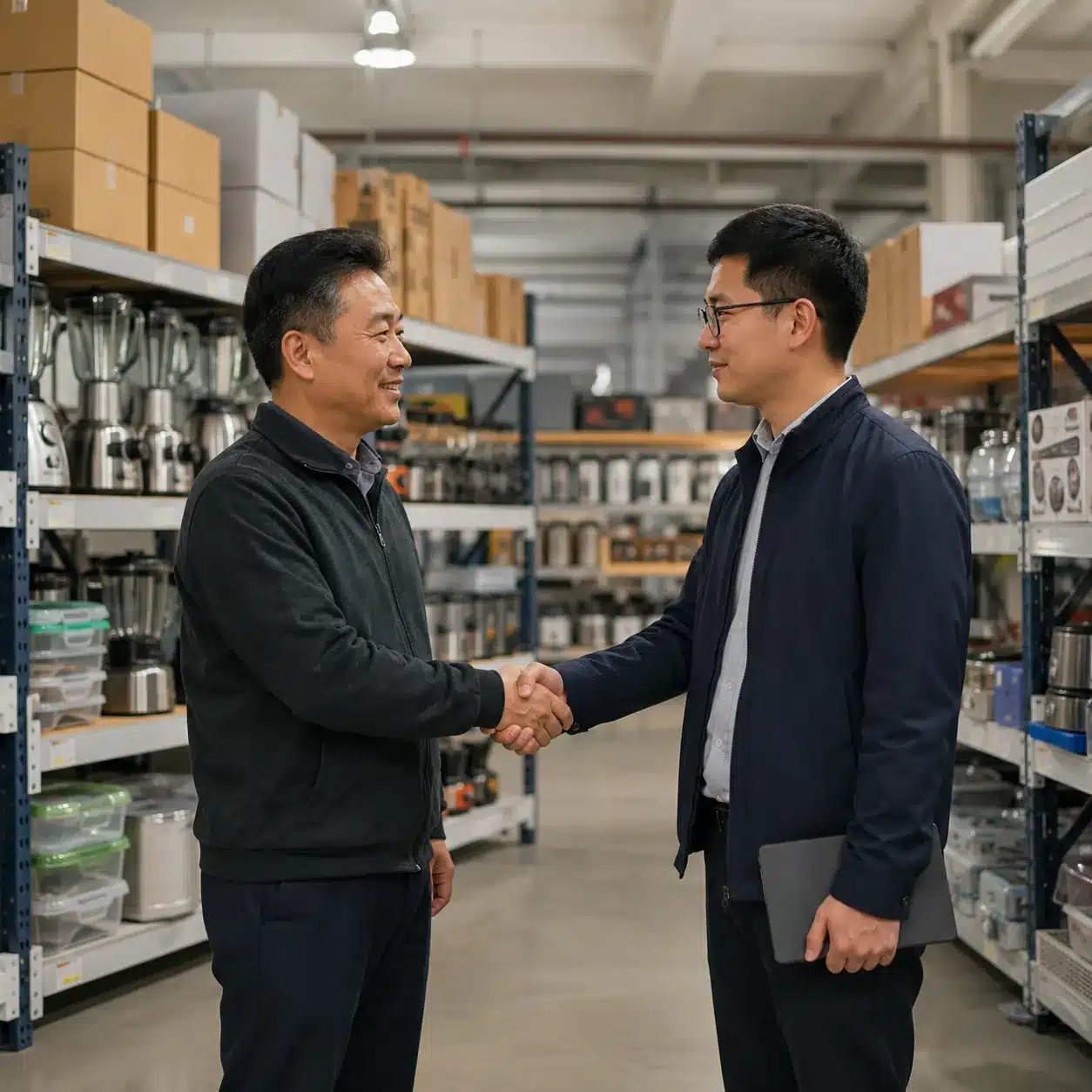
The MOQ conversation starts after the mold is approved. For custom OEM work in Yiwu, expect a minimum of 500 to 1,000 units for your first production run. That’s not a negotiation tactic—it’s the factory’s break-even point for setup, material procurement, and line changeover. If a supplier quotes you a MOQ of 100 units on a custom injection-molded part, ask yourself: are they actually manufacturing this, or are they sourcing from a third factory and marking it up?
- Deposit strategy: Never pay 100% upfront. The industry norm for vetted Yiwu factories is 30%–50% deposit, with the balance due upon inspection before shipment. This protects you if the mold doesn’t pass first-article testing.
- QC cost per unit: Third-party inspection (SGS, Bureau Veritas, or a local Yiwu QC firm) runs $1–$3 per unit for a basic visual and dimensional check. For a 1,000-unit order, that’s $1,000–$3,000—a small price to avoid a container of rejects.
- Lead time: From mold fabrication to first production run, budget 30–60 days. Rush orders compress this but add 20%–30% to the mold cost. Plan your launch calendar accordingly.
One insider move: ask the factory for a ‘Digital Factory ID’—a document that includes real-time automation metrics and compliance history. It’s a far more reliable indicator of production capability than a showroom tour. If they can’t produce one, that’s a red flag worth heeding.
| Cost Component | Typical Range (Yiwu) | Key Insight for Brand Founders |
|---|---|---|
| Custom Injection Mold (Plastic) | $3,000 – $10,000 | Highest upfront cost; negotiate 30%-50% deposit. |
| Simple Silicone Mold | $500 – $2,000 | Lower barrier to entry for prototyping. |
| Quantidade mínima de encomenda (MOQ) | 500 – 1,000 units | Ideal for first-time brand founders testing demand. |
| Third-Party QC Inspection | $1 – $3 per unit | Budget for SGS or Bureau Veritas to catch defects. |
| Deposit (Upfront) | 30% – 50% | Never pay 100% upfront; milestone payments protect your capital. |
| Lead Time (Mold + Production) | 30 – 60 days | Plan your launch calendar around this window. |

OEM vs ODM in Yiwu: Which for Your Brand?
OEM owns your design.
OEM means you hand over a spec sheet, a CAD file, or a physical sample to a factory. They build the mold, run the production, and ship you finished units under your brand name. You own the tooling — no one else can use that mold without your permission.
ODM means you pick a product already in a factory’s catalog — a existing water bottle, a Bluetooth speaker, a storage box — and they slap your logo on it. The mold is theirs. The design is theirs. You get to market in weeks, not months, and your upfront cost is basically the cost of the label and the box.
- Cost Entry: OEM: $3,000–$10,000 for a custom injection mold in Yiwu. ODMM: $0 mold cost — you pay only for the product unit price plus packaging.
- Lead Time: OEM: 30–60 days for mold + first run. ODM: 7–15 days for label change and ship.
- IP Risk: OEM: You own the mold and the design — no one else can copy it without your go-ahead start. ODM: The factory owns the mold. They can sell the same product to your competitor next week.
- MOQ: OEM: 500–1,000 units typical for first-time brand founders in Yiwu. ODM: 100–500 units common — much lower barrier to entry.
For a brand founder with a clear vision and a filed design, OEM is the safer route — but only if you lock down your IP in the contract. Skip the NDA or the IP clause and your ‘exclusive’ product becomes a ‘also-available’ listing on a competitor’s site within 60 days. For a first product, especially if you are testing demand, ODM is faster and cheaper. The trade-off: you compete on price and brand alone, because the product itself is not unique.
Here is the hard truth most guides skip: A Yiwu factory that offers ODM on a popular product — say, a silicone kitchen spatula — has likely sold that same spatula to 20 other brands. Your ‘brand’ is a sticker. If your go-to-market strategy relies on a product edge, ODM will not give you one. If your edge is distribution, speed, or brand story, ODM can work — but know that you are renting, not owning.
How to Source an OEM Partner Without Getting Scammed
A Yiwu showroom is not a factory.
Most first-time brand founders start on Yiwugo.com or 1688.com, treatting every supplier as equal. That is a mistake. A ‘factory’ on Yiwu Market is often a reseller with zero production capacity. The only way to verify is to request a factory license with ‘manufacturing’ in the business scope, then demand a live video tour of the actual production floor. If they hesitate, walk.
A more reliable reliability indicator than a showroom is a ‘Digital Factory ID’—a document with live automation metrics and compliance history. This document shows real-time data: how many injection molding machines are running, what the reject rate is, and whether the factory has ISO 9001 or FDA registration. If they cannot produce this document, they are likely a trader.
- Deposit: Negotiate a 30%-50% deposit, not 100% upfront. A vetted supplier accepts milestone payments: 30% on order, 40% on sample approval, 30% on shipment.
- Sample: Never commit to a large order without sample approval. A sample reveals material quality, mold precision, and assembly issues. Expect 7-14 days for a sample.
- QC: Use a third-party QC company (SGS, Bureau Veritas) for the first production run. Cost: $1-$3 per unit for a basic inspection. They check material, dimensions, and packaging. A failed inspection saves you from a container of defect.
- Warranty: Negotiate a clear warranty clause: 1 year defect-free policy. If the factory refuses, they know their quality is poor. A written clause protects you.
Conclusão
Finding a reliable OEM manufacturer in Yiwu is a process of eliminating risk, not just finding a price. The difference between a partner who protects your IP and a reseller who steals your design comes down to three documents: a factory license, a Digital Factory ID, and a signed IP clause. Skip any of those, and you are gambling with your brand’s first production run.
Perguntas mais frequentes
How to find genuine manufacturers in China?
Request a business license with ‘manufacturing’ in its scope and a live video tour of the production floor. Many Yiwu market stalls are resellers, not factory owners, so never trust a. Always verify with a license and live video before any deposit.
What is the 0.1% rule in China?
The 0.1% rule is not a formal regulation but a common-sense sourcing principle: for every 1,000 suppliers you contact, only about 1 will be a reliable, long-term OEM partner. It highlights. Treat it as a filter, not a guarantee—vet each candidate thoroughly.
How to get a reliable Chinese supplier?
Start by requesting a factory license, a sample inspection report from a past client, and an NDA or IP clause in your contract. Negotiate a 30-50% deposit instead of 100% upfront to reduce financial. Never skip the sample inspection report before committing.
How to connect with Chinese manufacturers?
Use Yiwugo or Alibaba to find listings, then directly ask for a factory license and a live video tour of the production floor. Avoid relying on market stall vendors who cannot prove. Connect only after verifying the factory license and video evidence.
What is the best website to find Chinese manufacturers?
Yiwugo and Alibaba are the most common starting points, but neither guarantees a factory is genuine. Cross-reference any listing with a business license and a live video tour before proceeding. Use the website as a directory, not a verification tool.