Justin
Product quality inspection China is often the last thing a new Amazon seller thinks about when they finalize a Yiwu order. They have the sample, they have the supplier’s promise, and they just want the container to hit the ocean. But the problem with most Yiwu orders isn’t that the supplier is dishonest. It’s that the gap between the market sample and the bulk run is bigger than most newcomers expect. That gap shows up as out-of-spec measurements, swapped materials, or packaging that gives FBA workers hesitation at the receiving dock.
The smartest importers don’t trust photos or video calls. They use a pre-shipment inspection (PSI) based on AQL sampling—Acceptable Quality Limit, usually set at 0% critical, 2.5% major, and 4.0% minor defects. At about $150-$300 per man-day in Yiwu, a single inspector can check roughly 1,000 units in a day. That fee is a fraction of what a rejected FBA shipment costs you in freight, storage, and suspension risk. The real use comes from holding 10-20% of the final payment until the PSI report clears. Without that holdback, you lose the one tool that forces a quick rework. With it, you have actual control before the ship sails.
Why Most Yiwu Quality Inspections Fail to Protect You
Relying on supplier self-inspection is the fastest route to an Amazon suspension.
Most new Yiwu buyers trust the supplier’s self-inspection or skip QC entirely. They treat the sample as gospel. But the gap between the market sample and the bulk production run is where every dollar of profit disappears. Without an independent check, you’re shipping blind.
- Market sample trap: Suppliers often show you hand-picked ‘market samples’ made with extra care. Bulk production uses different materials, thinner walls, or cheaper components. You approve a perfect unit but receive something entirely different.
- Material substitution: Stainless steel grade changes from 304 to 201, fabric thickness drops by 30%, or plastic is swapped for recycled compound. These changes are invisible in a photo but ruin your product’s performance and customer reviews.
- Photo reliability: Supplier photos only capture the best unit. You never see scratches, loose threads, or misaligned parts. Third-party inspectors check random units and photograph every defect — what you don’t see will kill your Amazon account.
- Pre-production sample: Insist on a sample made from the same materials and process as the bulk order. Reject any supplier who offers only a ‘market sample’ — that is not a guarantee of quality.
- Contract use: Negotiate a clause holding 10–20% of payment until the pre-shipment inspection report is approved. This gives you real use to demand rework without risking your entire investment.
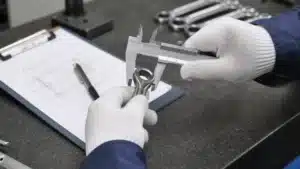
- Third-party inspection: A trained agent costs $150–$300 per day and can check up to 1,000 units. They use AQL sampling, calipers, and functionality tests. Accept nothing less than a report with photos and defect counts per unit.
Amazon suspends sellers when the defect rate exceeds 1%. A single bad shipment can blow through that in a week. Returning rejected goods to China costs 2–3 times the product value — freight, duties, and handling. The $200 inspection fee is pennies compared to the $5,000 loss of a dead shipment.
Real Cost Breakdown of Product Inspection in China
Inspection costs $150–$300 per day.
Third-party quality inspection in Yiwu runs $150 to $300 per man-day. One inspector can check roughly 1,000 units per day, depending on product complexity. Most standard AQL inspection packages—sampling, visual check, functional test, and measurement—fall within that range. For a typical Amazon FBA order under 5,000 units, a single day of inspection is usually enough.
Compare that to the cost of a bad shipment. If your goods fail Amazon’s 1% defect threshold, your account gets suspended. Returning rejected goods to China costs 2 to 3 times the product value when you factor in freight, duties, and handling. A pre-shipment inspection can catch 90% of defects before they leave the factory, making the inspection fee a fraction of the potential loss.
- Inspection fee: $150–$300 per man-day. Covers AQL sampling, visual, functional, and measurement checks. One day typically sufficient for orders up to 5,000 units.
- Sample shipping: Courier costs for pre-production samples or lab test samples. Budget $50–$100 per shipment depending on destination and weight.
- Reinspection fee: If the shipment fails PSI, the supplier reworks defective units. The second inspection is almost always at your cost unless your contract states otherwise. Add another $150–$300 per reinspection.
- Payment use: Negotiate a contract clause holding 10–20% of total payment until the PSI report is approved. This gives you real use to demand corrections without risking the full balance. Most new sellers skip this and lose bargaining power.
| Item | Cost Range | Scope / Quantity | Defect Catch Rate | Risk Without It |
|---|---|---|---|---|
| Third-Party QC (Per Man-Day) | $150 – $300 | ~1,000 units inspected per day | Up to 90% | $2,000–$5,000 loss per rejected FBA shipment |
| In-Line Inspection (DUPRO) | $150 – $300 per session | 20–30% production completion | Prevents material substitution | Cheaper materials used without notice |
| Pre-Shipment Inspection (PSI) | $150 – $300 per session | 80%+ packed, AQL sampling | 90% of defects caught | Amazon suspension if defect rate >1% |
| Re-Inspection (After Rework) | $150 – $300 per session | Same as PSI but on corrected units | Verifies fix before shipment | Repeat defects reach Amazon warehouse |
| Returning Rejected Goods to China | 2–3x product value | Freight + duties + handling | N/A — total loss | Entire order written off |
| Payment Use (Held Until PSI) | 10–20% of total order | Negotiated contract clause | Forces supplier to correct defects | Full payment made before quality verified |
| eCommerce Returns Due to Quality | 30% of all returns | Statista industry average | Preventable with PSI | Lost sales + Amazon account health penalty |
Pre-Shipment Inspection vs In-Line Inspection: Which Do You Need?
DUPRO catches material substitutions at 20% completion — PSI only confirms what’s already built.
Most new Amazon sellers know Pre-Shipment Inspection (PSI) — a QC agent shows up after production, opens random cartons at 80%+ packed, and checks against the approved sample. PSI catches about 90% of defects, but it has one blind spot: it cannot catch a material substitution that already happened. Once goods are packed, you’re approving what’s in the box, not verifying that the stainless steel grade or fabric thickness matches your specification.
- Use DUPRO when: your order exceeds 500 units or you specified custom materials, colors, or tolerances. The inspector visits the production line at 20–30% completion — early enough to flag a material swap before the supplier runs the full batch. That gives you use to demand rework without losing the entire order cycle.
- Use PSI when: you are buying standard stock items from a supplier you have worked with before — off-the-shelf kitchen tools, basic storage bins, generic accessories. Material substitution risk is low, and the unit cost may not justify the extra DUPRO fee.
Scheduling is straightforward. If you use a sourcing agent, they arrange both DUPRO and PSI as part of the service. If you go direct with a third-party QC company, you book online or via WeChat, provide the supplier contact and PO number, and they coordinate the factory visit. DUPRO requires the factory to pause a production line — book at least 5 working days before you expect 30% completion. PSI requires the factory to confirm at least 80% of goods are packed. Both inspections return a report with photos, defect counts by severity, and a pass/fail decision based on AQL standards.
How to Set Up a Foolproof Quality Control Process for Yiwu Orders
A pre-production sample from bulk materials catches 80% of spec mismatches before production starts.
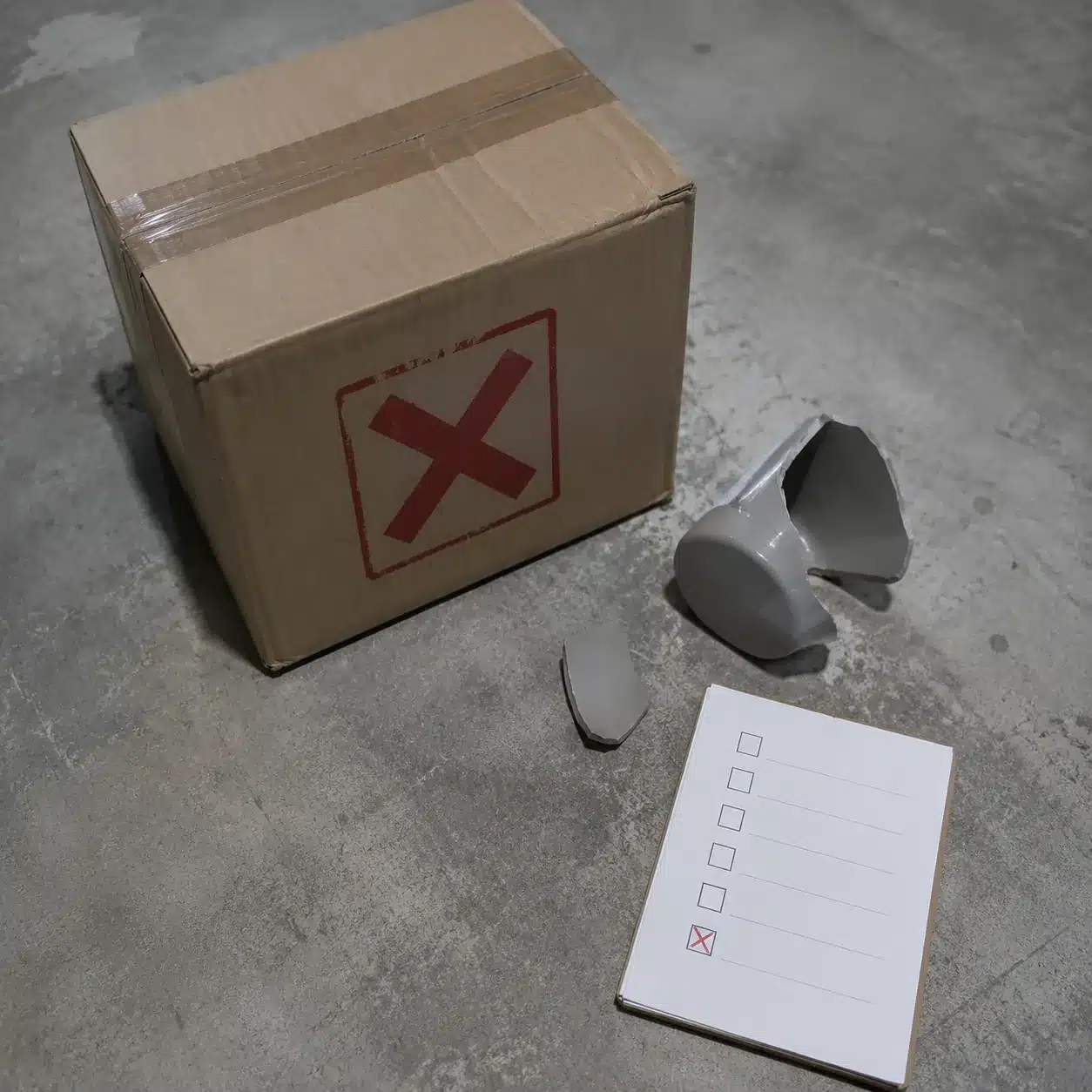
A foolproof QC process for Yiwu orders follows five sequential gates. Skip any one, and you lose bargaining power. Here is the exact sequence smart importers use, and how an experienced local agent can execute it for you without marking up the cost.
- Pre-production sample (PP sample): Never accept a ‘market sample’. Demand a PP sample made from the same materials and molds as your bulk run. Have it tested for material composition, dimensions, and functionality. Approve only after documented sign-off. This single step eliminates 80% of spec mismatches later.
- In-line inspection (DUPRO) at 20-30%: If your order exceeds 500 units or involves custom specs, schedule a DUPRO when 20-30% is completed. The inspector checks material consistency, assembly quality, and packaging. Catching a defect here costs you $0 vs. a full rework after packing.
- Pre-shipment inspection (PSI) using AQL: When 80%+ of goods are packed, run a PSI per AQL 2.5/4.0/0 standards. The inspector randomly samples based on batch size (e.g., 315 units for a 3,000-unit order). Up to 8 major defects are allowed; any more triggers a fail. Cost: $150–$300 per man-day, far less than a rejected FBA shipment.
- Review report and approve or request rework: Review the inspection photos, defect list, and AQL result. If failed, demand the supplier rework defective units at their own cost — you have bargaining power because 10-20% of payment is still held. Insist on a re-inspection at supplier’s cost if contract allows.
- Release final payment only after passed inspection: Never wire the balance before you have a clean PSI report in hand. Negotiate this clause upfront: ’10-20% of total payment released upon approval of third-party inspection report’. This is your only real bargaining chip.
- Hand off to an experienced agent: An experienced Yiwu sourcing agent handles all five steps: they secure the PP sample, arrange DUPRO/PSI with vetted inspectors, interpret the report, and hold the payment release. Cost is typically included in the service fee — no need to manage five different vendors.
Conclusion
A pre-shipment inspection using AQL standards is the only reliable method to ensure your Yiwu order matches the approved sample, catching up to 90% of defects before they reach your buyer. The $150–$300 per man-day cost for third-party QC is trivial compared to the $2,000–$5,000 loss from a rejected Amazon FBA shipment or a suspended seller account.
Before you release final payment, check that the inspection report matches your contract’s defect thresholds. If you haven’t negotiated a 10-20% payment hold until PSI approval, update your next supplier contract — that single clause gives you real use to demand corrections without absorbing the cost.
Questions fréquemment posées
What is AQL and how is it used in product inspection in China?
AQL stands for Acceptable Quality Level, a statistical sampling standard that sets the maximum number of defective units allowed per batch. Pre-shipment inspections in Yiwu commonly use AQL 2.5, meaning up. Always confirm the AQL threshold with your inspector before the check.
How much does third-party quality inspection in China cost?
Third-party QC in Yiwu costs $150–$300 per man-day for a standard pre-shipment inspection. If the shipment fails, you will also pay a reinspection fee, typically around half the original cost. Budget for potential reinspection fees if goods fail the first round.
Can I do my own product inspection when sourcing from Yiwu?
Yes, you can DIY the inspection, but you risk missing hidden defects and losing use with your supplier. A trained third-party inspector gives you an objective report you. Use a third party unless you are physically on-site and experienced in quality control.
What happens if my shipment fails pre-shipment inspection?
You can reject the shipment, negotiate a discount, or request rework before the goods leave the factory. Most buyers hold back 10–20% of the final payment to enforce these corrections. Build a failsafe clause into your supplier contract before production starts.
Do I need quality control for small orders from Yiwu?
Yes, even small orders can contain defects that damage your Amazon reputation or trigger account suspension. A $150 inspection is cheap compared to a $2,000–$5,000 loss from a rejected FBA. Inspect any order with custom specs or if you’re a first-time buyer.
Related guide: Yiwu Quality Inspection: AQL, Sampling & What to Check.