 Justin
Finding the right products at the right price is the biggest challenge when launching a dollar store. Your profit depends on a landed cost that’s typically 25% to 35% of your retail price, and sourcing from the wrong place can quickly erase your margins.
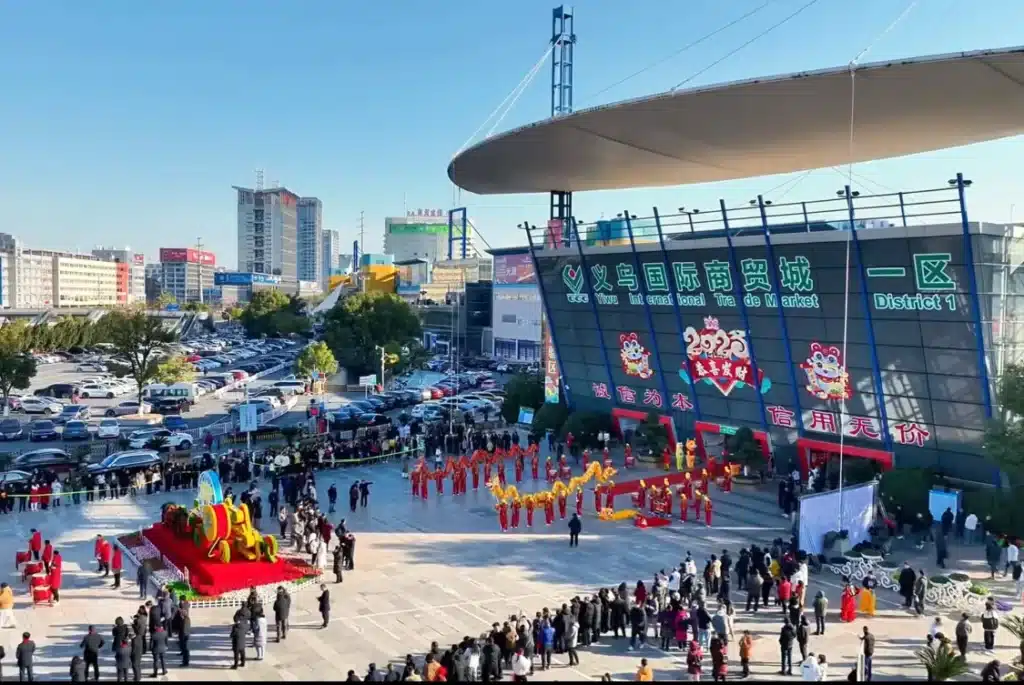
This guide cuts through the noise. We’ll explain why Yiwu’s 6.4 million square meter wholesale market is the global hub for dollar store goods and provide a concrete list of the top 50 items to source there, complete with real-world landed cost examples to help you plan your initial inventory and container load.
Industry Manufacturers List
Quick Comparison: Top Picks
| Manufacturer | Location | Core Strength | Verdict |
|---|---|---|---|
| Use Oversized, Rigid Containers for Small Lightweight Contents | Industry Wide | Key metric: High package volume-to-product-weight ratio (e.g., >5 L/kg) to maximize container fill without increasing freight cost. | Increases perceived value for lightweight items by using large containers, ideal for dollar stores to create full-looking shelves. |
| Transparent Windows and Clear Packaging to Showcase Fullness | Industry Wide | Key metric: High visible pack-fill percentage (target ≥80% visible volume) with honest net-weight labeling to comply with regulations. | Uses clear packaging to visually confirm product fullness, driving perceived value for snacks, crafts, and toiletries in value retail. |
| Bundle Multipacks and ‘2-for-1’ Packs in a Single Large Wrapper | Industry Wide | Key metric: Items-per-pack (e.g., 3–10 units) and clear front-of-pack count callouts like ‘10 pcs’ or ‘Value Pack’. | Creates a sense of bulk deals by bundling lightweight units, perfect for dollar-store staples like wipes and party favors. |
| Use Tall, Slim, or Wide-Front Shapes to Maximize Shelf Presence | Industry Wide | Key metric: High frontal area-to-net-weight ratio (e.g., tall stand-up pouches, wide blister cards) to improve on-shelf impact. | Enhances shelf presence with strategic package shapes, making modest products appear larger for personal care and household items. |
| Use Foils, Metallic Inks, and Premium-Look Graphics on Cheap Packs | Global Standard | Key metric: Low incremental packaging cost (e.g., <5–10% of unit COGS) for graphics upgrades that improve perceived quality and trust. | Adds luxury visual cues to inexpensive packaging, supporting higher price points for beauty and accessories in discount environments. |
| Print Large Size Cues and Count Claims on the Front Panel | Industry Wide | Key metric: Clear, front-of-pack claims tied to true net contents (e.g., ‘30 wipes’, ‘50 stickers’) with compliant font size and placement. | Emphasizes quantity with bold front-panel claims to anchor value perception for cleaning wipes, party goods, and crafts. |
| Use Reclosable Features to Signal Durability and Reuse | Industry Wide | Key metric: Added feature cost kept minimal (e.g., simple press-to-close zipper) while enabling multiple openings and reclosing cycles. | Adds reclosable features to low-cost items, framing them as reusable and increasing perceived value for snacks and small hardware. |
| Design Giftable or ‘Set’ Style Packaging for Low-Cost Combos | Industry Wide | Key metric: Perceived set value versus bill-of-materials cost, targeting high items-per-set count with minimal added packaging weight. | Packages inexpensive items as themed gift sets, allowing for higher price points in dollar stores for beauty, stationery, and seasonal kits. |
Use Oversized, Rigid Containers for Small Lightweight Contents
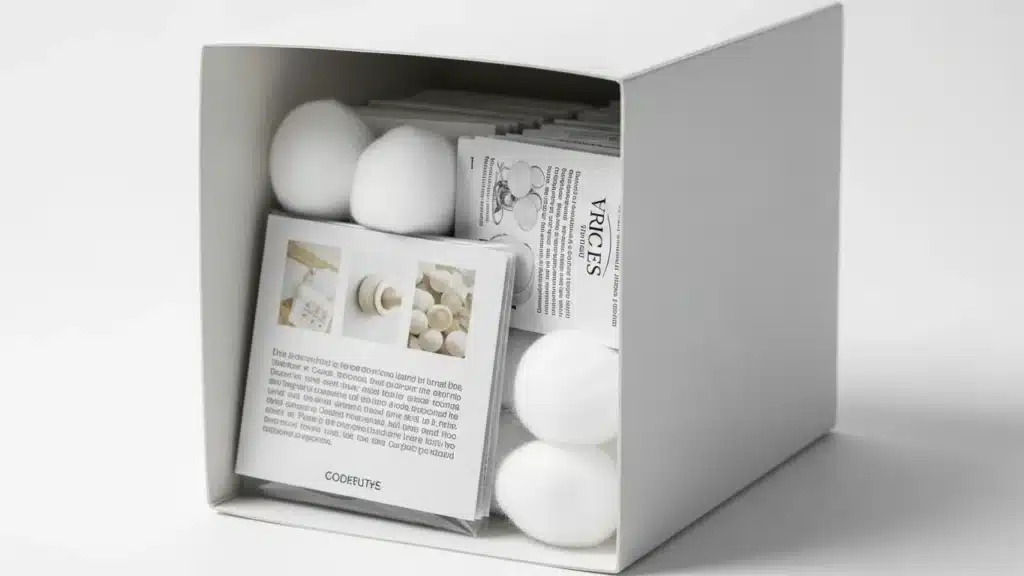
This approach involves placing small, inexpensive items like cotton balls or trial-size sachets into large, rigid plastic or cardboard containers. The goal is to make the package look full and substantial on the shelf, giving customers the impression they are getting more for their money. This visual trick enhances the product’s perceived value without actually increasing the amount of product inside.
The method is defined by a high package volume-to-product-weight ratio, typically aiming for more than 5 liters per kilogram. This metric ensures the container is visually filled to capacity, maximizing shelf impact, while the actual shipping weight and cost of goods sold remain low. It’s a production strategy focused on optics and logistics efficiency.
At a Glance:
- 📍 Location: Industry Wide
- 🏭 Core Strength: Key metric: High package volume-to-product-weight ratio (e.g., >5 L/kg) to maximize container fill without increasing freight cost.
- 🌍 Key Markets: Application: Dollar stores and discount retail looking to create visually ‘full’ shelves using lightweight consumables and accessories.
Why We Picked Them:
| ✅ The Wins | ⚠️ Trade-offs |
|---|---|
|
|
Transparent Windows and Clear Packaging to Showcase Fullness
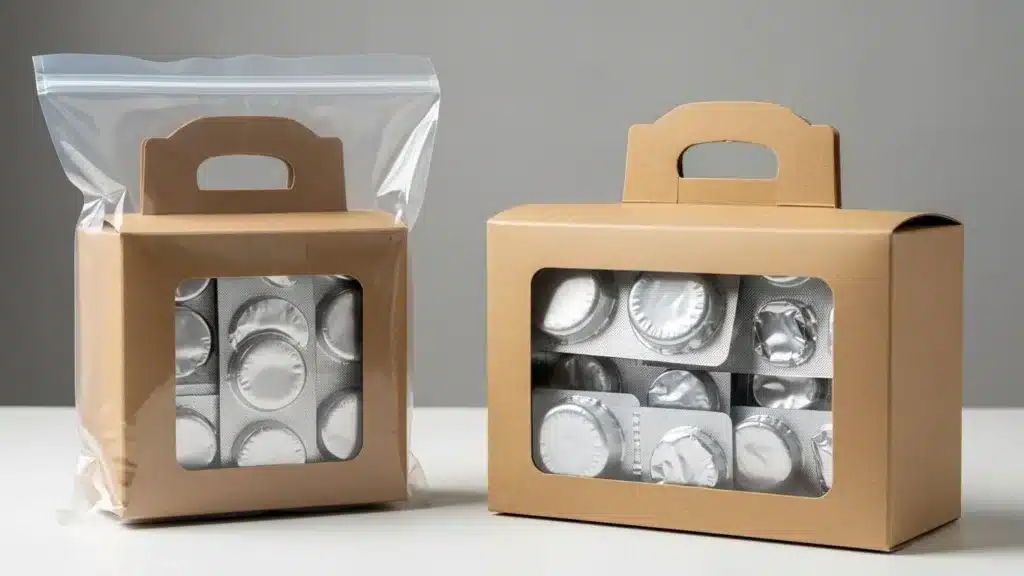
This approach focuses on using clear bags, blister packs, or cartons with windows to let shoppers see the product inside. The goal is to make the package look full and substantial. Even if the actual weight is low, the visual impression of a well-filled pack makes the product seem like a better deal. This is especially effective for items priced between one and five dollars, where customers are more likely to buy if they feel they are getting good volume for their money.
The core of this strategy is achieving a high visible pack-fill percentage, with a target of 80% or more of the package volume appearing occupied. This creates a sense of abundance. It’s crucial to pair this visual tactic with honest net-weight labeling to meet all regulatory requirements and maintain consumer trust.
At a Glance:
- 📍 Location: Industry Wide
- 🏭 Core Strength: Key metric: High visible pack-fill percentage (target ≥80% visible volume) with honest net-weight labeling to comply with regulations.
- 🌍 Key Markets: Application: Snacks, craft supplies, travel-size toiletries, and hardware multipacks in value retail formats.
Why We Picked Them:
| ✅ The Wins | ⚠️ Trade-offs |
|---|---|
|
|
Bundle Multipacks and ‘2-for-1’ Packs in a Single Large Wrapper
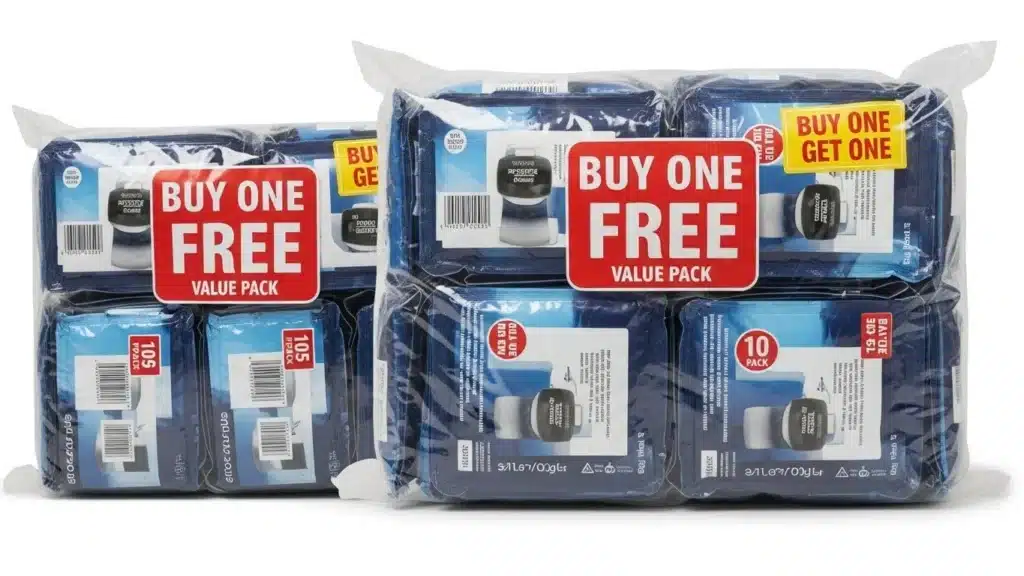
This approach involves grouping multiple identical or complementary lightweight items into one larger outer package. The goal is to create the impression of a bulk deal. Shoppers see more items for a single price, which makes the offer feel like a better value. Meanwhile, the individual components inside remain light and easy to handle, which helps keep shipping and handling costs down.
The production focus is on creating these bundled packs efficiently. The key is managing the assembly of multiple units into the single wrapper without complicating the manufacturing process. Success is measured by the items-per-pack count, typically ranging from 3 to 10 units, and ensuring clear communication on the package front, like labels stating ’10 pcs’ or ‘Value Pack’.
At a Glance:
- 📍 Location: Industry Wide
- 🏭 Core Strength: Key metric: Items-per-pack (e.g., 3–10 units) and clear front-of-pack count callouts like ‘10 pcs’ or ‘Value Pack’.
- 🌍 Key Markets: Application: Dollar-store staples such as facial wipes, party favors, plastic cutlery, and small stationery items.
Why We Picked Them:
| ✅ The Wins | ⚠️ Trade-offs |
|---|---|
|
|
Use Tall, Slim, or Wide-Front Shapes to Maximize Shelf Presence
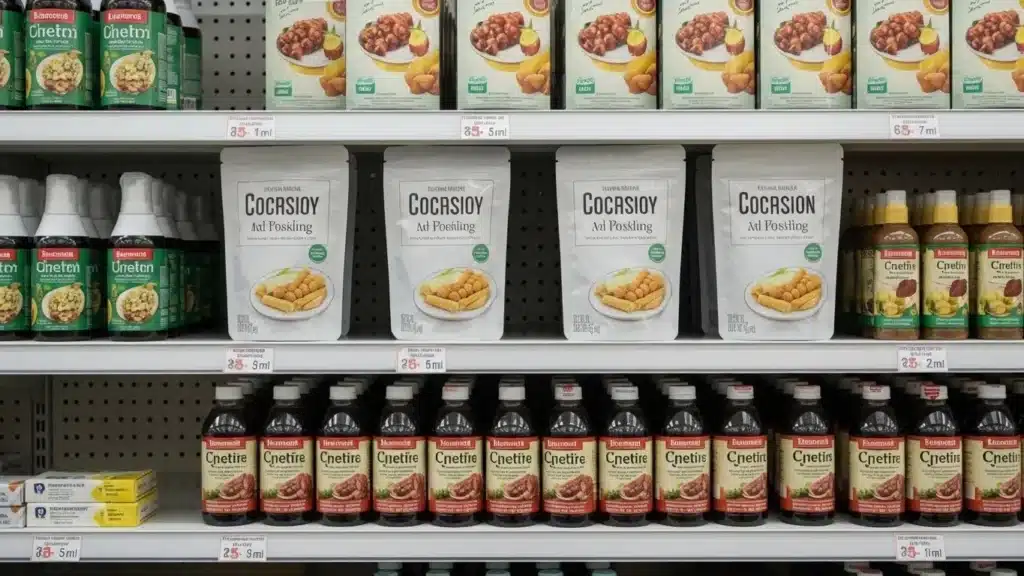
This packaging strategy focuses on designing packages to be tall, slim, or wide-facing. The goal is to occupy more vertical or frontal shelf space without significantly increasing material use or weight. This creates the visual impression of a larger product and better value, even when the actual internal volume and weight remain modest.
The core metric for this approach is achieving a high frontal area-to-net-weight ratio. This is commonly executed through formats like tall stand-up pouches or wide blister cards, which are engineered to deliver maximum on-shelf impact with minimal physical product.
At a Glance:
- 📍 Location: Industry Wide
- 🏭 Core Strength: Key metric: High frontal area-to-net-weight ratio (e.g., tall stand-up pouches, wide blister cards) to improve on-shelf impact.
- 🌍 Key Markets: Application: Personal care items, household cleaners, and dry goods marketed in dollar and variety channels.
Why We Picked Them:
| ✅ The Wins | ⚠️ Trade-offs |
|---|---|
|
|
Use Foils, Metallic Inks, and Premium-Look Graphics on Cheap Packs

This approach focuses on applying high-impact visual upgrades—like metallic accents, matte finishes, or bold color blocking—to inexpensive packaging materials such as thin cardstock or film. The goal is to create a “premium” look and feel that signals higher quality to the consumer. These visual cues of luxury are powerful tools for building brand trust and enhancing the product’s shelf appeal without a significant increase in material costs or package weight.
The production capacity for this strategy is inherently scalable and accessible. It leverages standard printing and finishing processes that are widely available, allowing brands to implement these upgrades with minimal disruption to existing supply chains. The key is achieving a high-quality graphic application on cost-effective substrates, a balance that modern printing technology makes increasingly feasible for mass production.
At a Glance:
- 📍 Location: Global Standard
- 🏭 Core Strength: Key metric: Low incremental packaging cost (e.g., <5–10% of unit COGS) for graphics upgrades that improve perceived quality and trust.
- 🌍 Key Markets: Application: Beauty, cosmetics, and small electronics accessories in discount and dollar environments.
Why We Picked Them:
| ✅ The Wins | ⚠️ Trade-offs |
|---|---|
|
|
Print Large Size Cues and Count Claims on the Front Panel
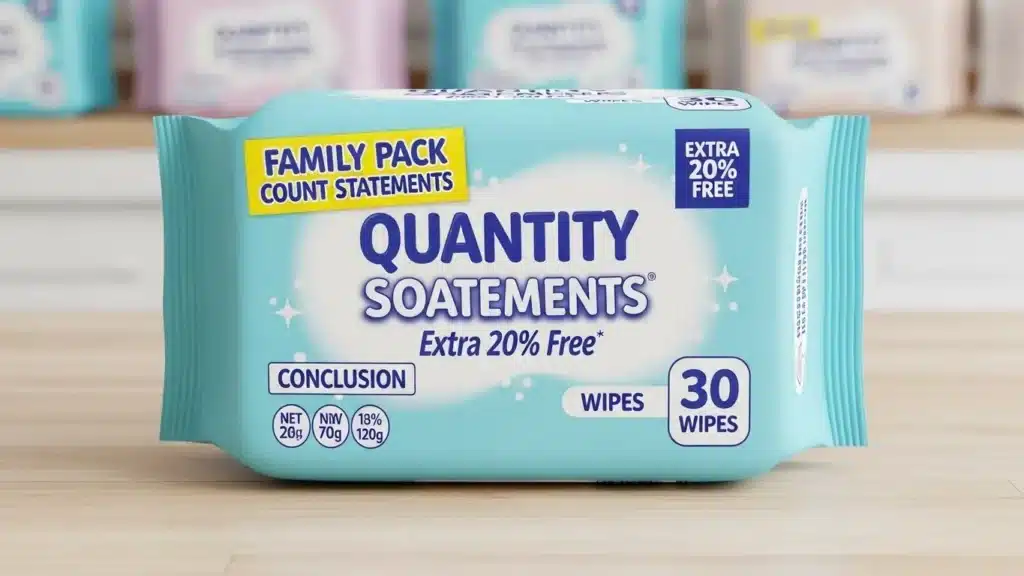
This approach focuses on making quantity the hero of a product’s packaging. Instead of letting a small net weight dominate the shopper’s first impression, it highlights indicators like ‘Family Size’, ‘Bonus 20% More’, or prominent numerals for piece counts such as ’30 wipes’. The goal is to anchor the customer’s perception of value in these strong numerical cues, which can often feel more substantial than the actual weight of the package.
This tactic is widely applicable across the industry for products sold at fixed price points. It doesn’t require changing the physical product but rather shifts the communication on the front panel to emphasize count and perceived volume, making it a cost-effective way to stand out on crowded shelves and appeal to value-conscious shoppers.
At a Glance:
- 📍 Location: Industry Wide
- 🏭 Core Strength: Clear, front-of-pack claims tied to true net contents (e.g., ‘30 wipes’, ‘50 stickers’) with compliant font size and placement.
- 🌍 Key Markets: Application: Cleaning wipes, party goods, craft assortments, and kids’ toys at fixed price points.
Why We Picked Them:
| ✅ The Wins | ⚠️ Trade-offs |
|---|---|
|
|
Use Reclosable Features to Signal Durability and Reuse
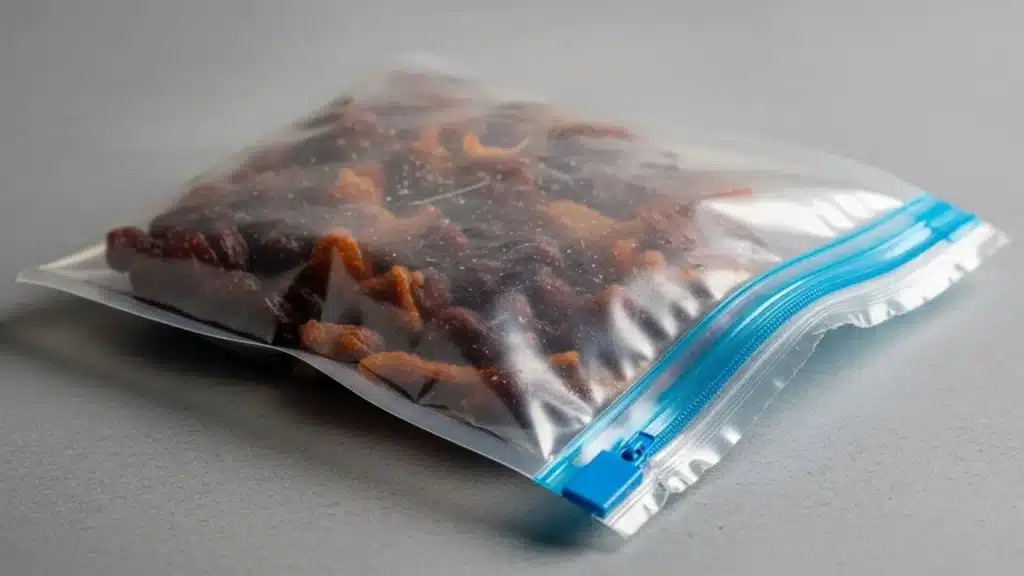
This approach focuses on adding simple reclosable features like zippers, flip-tops, or snap closures to very low-cost, lightweight items. The goal is to frame these products as longer-lasting or reusable, directly influencing how consumers perceive their value. By signaling functionality, the product feels more substantial and useful, which can justify a slightly higher price point or improve customer satisfaction without a major increase in material cost or weight.
The core of this strategy is maintaining minimal production complexity. The added feature cost is kept very low, such as by using a simple press-to-close zipper. This small investment enables the packaging to withstand multiple opening and closing cycles, transforming a single-use item into one that customers are more likely to keep and reuse for storage or other purposes, thereby extending its lifecycle and utility.
At a Glance:
- 📍 Location: Industry Wide
- 🏭 Core Strength: Key metric: Added feature cost kept minimal (e.g., simple press-to-close zipper) while enabling multiple openings and reclosing cycles.
- 🌍 Key Markets: Application: Snacks, small hardware, craft beads, and beauty accessories in value retail formats.
Why We Picked Them:
| ✅ The Wins | ⚠️ Trade-offs |
|---|---|
|
|
Design Giftable or ‘Set’ Style Packaging for Low-Cost Combos
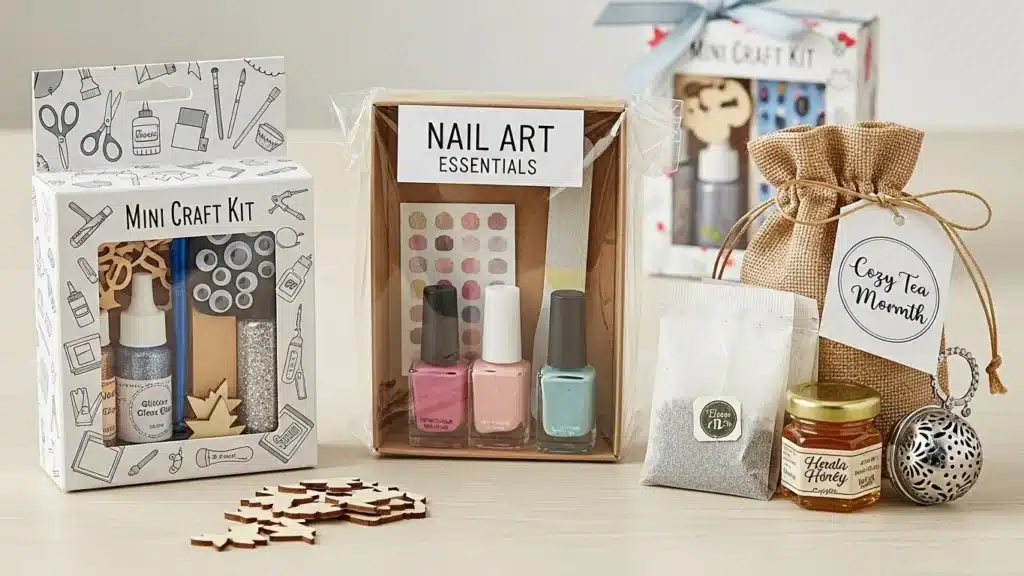
This concept focuses on creating themed sets from several inexpensive, lightweight items. Examples include a manicure kit or a mini craft kit. The items are presented together in a box, tray, or pouch designed to look like a ready-made gift. This packaging strategy transforms basic components into a more desirable product.
The model is built for efficiency, targeting a high count of items per set while keeping the added packaging weight minimal. The core metric is maximizing the perceived value of the set against the actual bill-of-materials cost. This allows retailers to achieve higher price points without significantly increasing their cost base.
At a Glance:
- 📍 Location: Industry Wide
- 🏭 Core Strength: Key metric: Perceived set value versus bill-of-materials cost, targeting high items-per-set count with minimal added packaging weight.
- 🌍 Key Markets: Application: Beauty, stationery, toys, and seasonal kits in dollar stores and discount chains.
Why We Picked Them:
| ✅ The Wins | ⚠️ Trade-offs |
|---|---|
|
|
Why Yiwu is the “Dollar Store Capital”
Yiwu earns its title as the “Dollar Store Capital” because it hosts the world’s largest wholesale market for small commodities, supplying the low-cost toys, stationery, household goods, and decorations that stock dollar stores globally. This massive ecosystem is built on immense scale, ultra-low production costs, and a logistics network designed for high-volume, low-margin global trade.
The World’s Largest Small Commodities Market
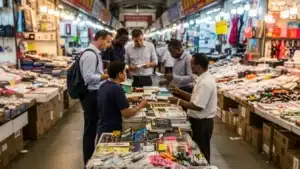
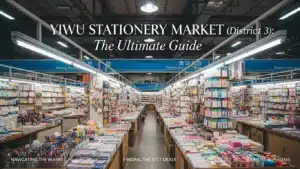
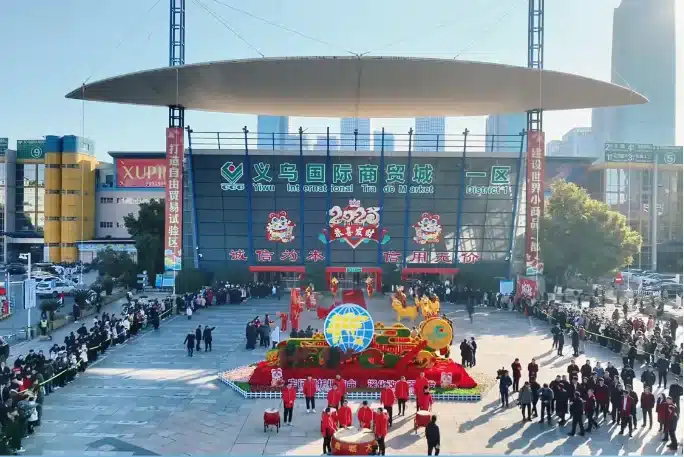
Yiwu International Trade City is the physical heart of this title, a 6.4 million square meter complex with over 75,000 booths.
It offers a staggering 2.1 million product types across 26 categories, from toys and stationery to textiles and party supplies.
This scale and variety create a one-stop wholesale hub where global buyers can source the high-volume, low-cost items that define dollar store inventories.
A Supply Chain Built for Ultra-Low Costs
Yiwu’s cost advantage stems from a hyper-localized production cluster in Zhejiang Province, where neighboring towns specialize in single products like plastic Santas or costume jewelry.
Many producers operate as side ventures, keeping overhead minimal and enabling rock-bottom factory prices.
The focus on lightweight, non-perishable goods maximizes shipping container efficiency, making the landed cost per item exceptionally low for international retailers.
Logistics and Evolution for Global Trade
The market’s operational scale is immense, dispatching over 30 million packages and 1,200 container trucks worldwide daily to serve a constant flow of international traders.
Innovations like digital warehouses have cut export delays by 20%, streamlining the path from Yiwu factory floors to store shelves in the U.S. and beyond.
This efficient, high-volume logistics network is a critical reason why Yiwu remains the dominant source for the cheap imports that stock dollar stores globally.
Case Study: Landed Cost vs. Retail Price
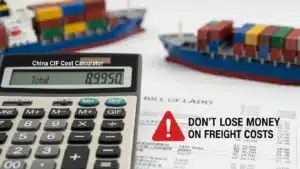
For dollar store imports, the landed cost—the total cost to get an item to a U.S. warehouse—typically ranges from 25% to 35% of the final retail price. This margin structure allows for a retail markup of 3x to 4x, which covers domestic logistics, store operations, and profit. The specific ratio and markup are heavily influenced by an item’s weight and how efficiently it uses container space.
The Standard Dollar Store Cost Structure
For most imported items, the total landed cost (including FOB price, freight, duty, and drayage) typically falls between 25% and 35% of the final retail price.
This creates a retail markup of roughly 3 to 4 times the landed cost, which covers domestic distribution, store operations, and profit.
Example 1: Lightweight Party Item
A pack of balloons sourced at $0.20 FOB, with logistics adding $0.05, has a landed cost of $0.25.
Sold for $1.25, the landed cost is 20% of retail, yielding a high 5x markup multiple, ideal for high-volume container shipments.
Example 2: Household Consumable Item
A small bottle of cleaner with a $0.35 FOB price and $0.10 in logistics costs lands at about $0.45.
At a $1.25 retail price, the landed cost ratio is around 36%, resulting in a tighter 2.8x markup, common for heavier, traffic-driving products.
How Container Space Affects Your Margin
Lightweight, compact items like beauty tools or party supplies can fit tens of thousands of units in a container, keeping freight costs per unit very low (often under $0.05).
Bulky or heavy items consume more container space, which can push the landed cost above 40% of retail, making them less profitable unless they are essential, high-volume sellers.
Stop Overpaying. Start Sourcing Smarter in Yiwu.

Frequently Asked Questions
What are the best selling dollar store items?
The top-selling categories are household supplies, consumables, seasonal items, food treats, and personal care essentials. Household supplies like cleaners and paper products are bought by 83% of shoppers. Consumables, including beauty tools and snacks, drive over 80% of sales for major chains. Seasonal decorations are popular with 66% of customers. Food items like candy and pantry staples are frequent impulse buys, and products like oral care and batteries are top non-food purchases due to their convenience and low price.
How much does it cost to open a dollar store?
Startup costs vary widely. A typical independent store requires about $90,000 to $120,000 for build-out, fixtures, and initial inventory. More budget-conscious setups can start around $80,000, while larger, franchise-style operations may need $375,000 to over $1 million in total capital. These figures cover inventory, store setup, and the working capital needed to operate until the business becomes profitable.
Can I mix 100 items in one container?
Yes, you can mix 100 lightweight items in one container if you follow standard packing rules. The key is to stay within weight limits: individual shipping cartons should not exceed about 50 pounds, and a full 40-foot container has a cargo weight limit of roughly 44,000 to 48,000 pounds. As long as the items are packed efficiently to prevent damage and the total weight is under the limit, mixing many SKUs is a common and effective logistics strategy for dollar store goods.
Where to buy party supplies in Yiwu?
The primary source is the Yiwu International Trade City (Futian Market), which has dedicated sections for party supplies in Districts 1 and 4. Here, you can find everything from balloons and decorations to tableware and costumes at low MOQs. For remote sourcing, the official Yiwugo online B2B platform allows you to browse products and contact suppliers directly without visiting in person.
Do I need special labeling for dollar items?
No special label is required just because an item sells for one dollar. However, all products must comply with standard U.S. labeling laws, which mandate information like the product name, net quantity, and manufacturer details. Major dollar store chains add their own requirements, such as scannable UPC codes, English labels, and specific markings on shipping cartons. Items like food or children’s products must also meet any applicable federal safety and ingredient regulations.
Final Thoughts
Sourcing from Yiwu offers a clear path to building a profitable dollar store inventory. The market’s scale provides access to thousands of low-cost items, while its logistics network is designed to deliver them efficiently to your doorstep. The key is focusing on lightweight, high-volume products that keep your landed costs low and your margins strong.
Your success depends on more than just finding cheap goods. It’s about selecting the right mix of items—household staples, seasonal decorations, and personal care products—that customers buy repeatedly. By understanding the cost structure and prioritizing items that ship efficiently, you can build a sustainable business model around the unique advantages Yiwu provides.