 Justin
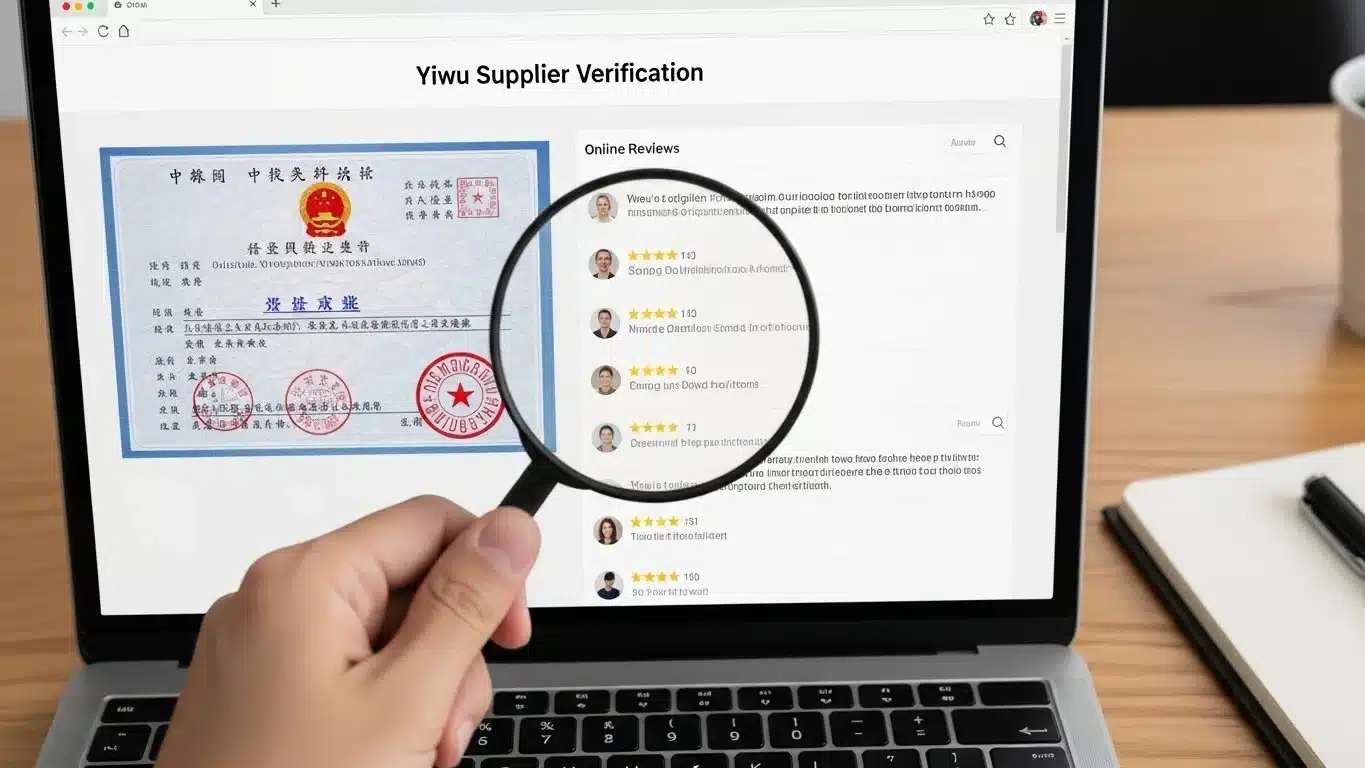
Finding a reliable supplier in Yiwu starts with verifying their legal identity, not just their product catalog. A business license is the foundational document, but many buyers don’t know how to check it properly or what the key fields actually mean for their risk.
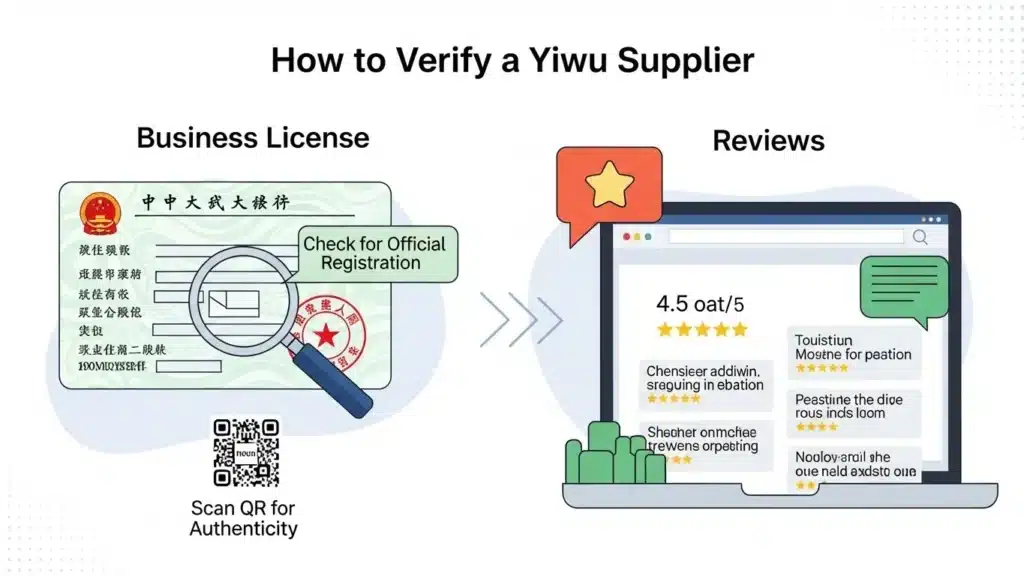
This guide explains how to verify a Yiwu supplier by decoding their business license and cross-referencing it with official data. You’ll learn the critical role of the 18-digit Unified Social Credit Code, how to verify a supplier’s legally binding ‘Scope of Business’, and why tools like Qichacha are essential for uncovering lawsuits or ‘dishonest debtor’ status before you place an order.
Requesting the “Ying Ye Zhi Zhao” (License)
The Business License (营业执照) is the primary legal identity document for any company in China, issued by the State Administration for Market Regulation (SAMR). It contains critical data like the 18-digit Unified Social Credit Code (USCC), legal representative, and business scope, which are essential for verifying a supplier’s legitimacy and operational boundaries.
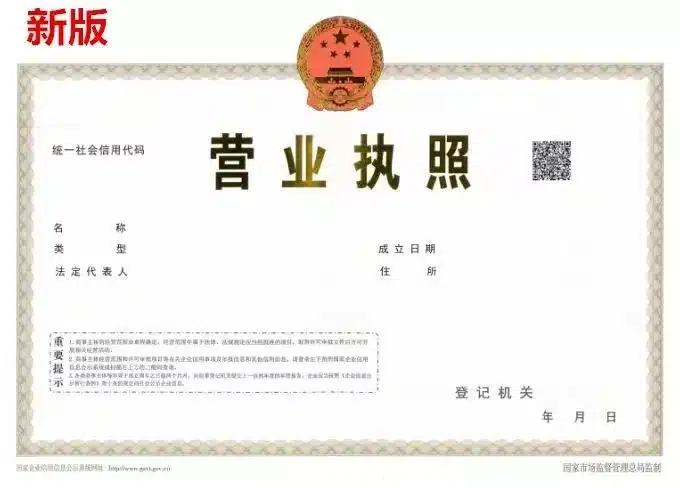
| Key Field | Purpose & Description | Verification Action |
|---|---|---|
| Unified Social Credit Code (USCC) | The 18-digit universal identifier for the company across all government, tax, banking, and judicial systems. | Cross-reference in SAMR’s National Enterprise Credit Information Publicity System to confirm the company’s active status and core registration data. |
| Business Scope (经营范围) | A legally binding text block that defines the exact activities the company is authorized to conduct. | Verify that the supplier’s proposed product or service falls within the listed, approved activities. |
| Legal Representative (法定代表人) | The named individual with the legal authority to bind the company in contracts and official proceedings. | Use this name alongside the USCC to query public court and enforcement databases for litigation history or “dishonest debtor” status. |
The License as Your Primary Verification Tool
Issued by the State Administration for Market Regulation (SAMR) and its local bureaus, the business license is the singular proof of a company’s legal establishment and its capacity to enter into contracts. Without it, a Chinese entity cannot legally operate.
This document is mandatory for all critical official functions, including tax registration, opening corporate bank accounts, and participating in any legal proceedings. It is the foundational document requested by any Chinese authority.
The license’s most important feature is the 18-digit Unified Social Credit Code (USCC). This code replaced multiple legacy identifiers and now serves as the company’s universal key for interacting with all government and financial systems in China.
Decoding the License: Key Fields and Verification Steps
A standard license contains several mandatory fields. Beyond the USCC, you must check the exact Chinese legal name, company type (e.g., Limited Liability Company), registered capital in RMB, the establishment date, and the registered address. The “business scope” field is particularly crucial as it legally confines the company’s operations.
Verifying authenticity is a straightforward, digital process. Take the USCC and company name from the license and input them into SAMR’s National Enterprise Credit Information Publicity System. This public portal will confirm if the license is valid and display the company’s current registration status, allowing you to spot if it has been revoked or deregistered.
For use outside of China or with foreign authorities, a simple translation is not sufficient. You need a certified translation stamped with the official company seal of a registered Chinese translation service. This stamp is a formal attestation required for the document to hold legal weight in cross-border contexts.
Decoding the Scope of Business (经营范围)
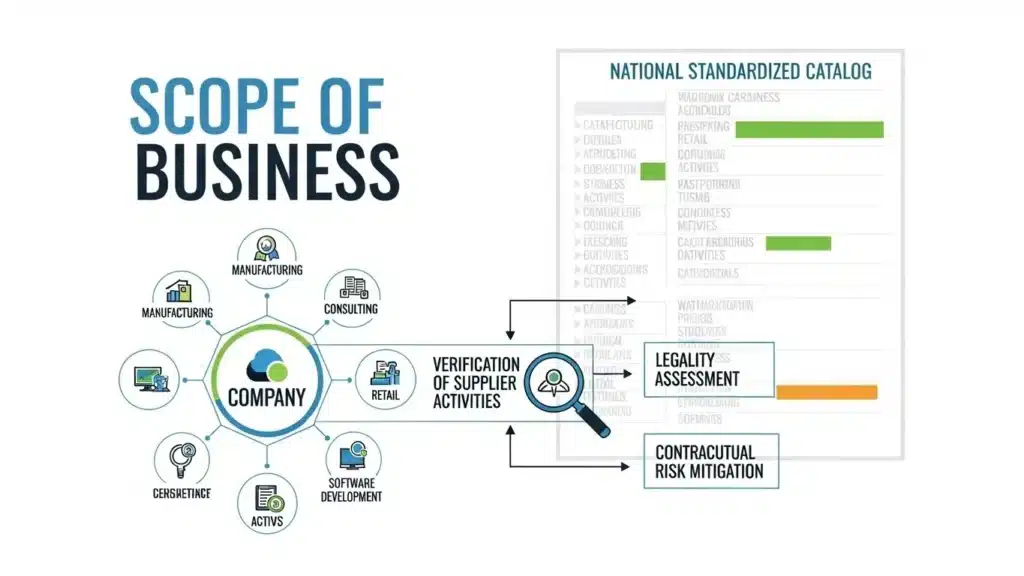
The ‘Scope of Business’ (经营范围) is the legally binding list of activities a company is authorized to conduct. It is selected from a national standardized catalogue to ensure compliance and enable automated regulatory checks. Verifying that a supplier’s actual operations fall within this scope is a fundamental step in assessing their legitimacy and reducing contractual risk.
What the Business Scope Means and Why It’s Legally Binding
The ‘Scope of Business’ defines all permitted commercial activities for a company, as mandated by the State Administration for Market Regulation (SAMR).
Companies must operate strictly within this registered scope; historically, courts have voided contracts for activities conducted outside of it, highlighting significant legal risk.
The scope is not arbitrary; it is chosen from the official ‘Catalogue of Standardized Descriptions for Business Scope (Trial)’ to enable automated ‘dual notification’ to relevant licensing authorities.
For a sourcing agent, this is the first legal checkpoint: a factory claiming to manufacture electronics must have that activity explicitly listed in its scope.
How to Verify and Interpret the Scope in Practice
Use the official ‘Enterprise Business Scope Standardized Description Query System’ (jyfwyun.com) to see the exact, standardized scope linked to permits and governing authorities for a specific company.
Cross-reference the scope on the license with the supplier’s advertised services. A mismatch can indicate operational overreach or potential dishonesty.
Note that changes to the scope, such as adding internet culture services, require filing with provincial authorities within 60 days—delays can signal poor compliance.
Combine scope verification with checks for disputes or ‘dishonest debtor’ status in integrated public systems for a complete risk profile.
Registered Capital: Does it Matter?
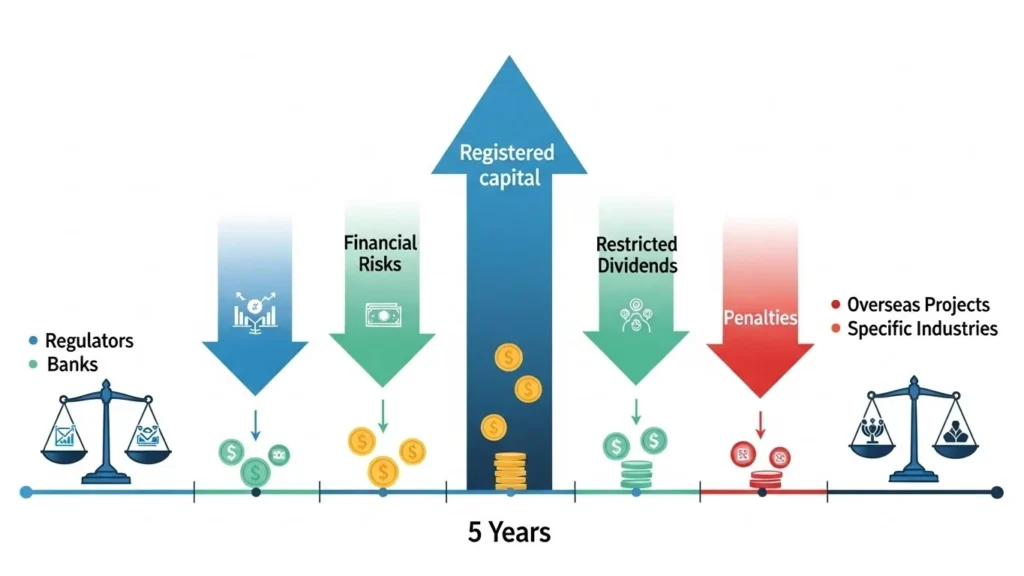
Yes, registered capital matters significantly. It is the legally filed commitment shareholders must pay within five years. An unrealistic figure can signal financial risk, constrain dividends, and trigger fines. While no universal minimum exists, regulators and banks still use specific benchmarks for foreign projects and certain industries.
Why Registered Capital is a Key Risk Signal
The figure printed on the license is a legal commitment to be fully paid by shareholders within five years under the 2023 Company Law, replacing older 20-30 year schedules.
At least 10% of annual after-tax profit must be allocated to a statutory reserve until it reaches 50% of the registered capital, so an inflated figure can severely limit a company’s ability to distribute dividends.
Falsely reporting this capital can result in administrative fines of 5–15% of the misreported amount, mandatory rectification, and potential license revocation.
For a sourcing partner, a registered capital that seems mismatched with their operational scale (e.g., too low for claimed volume) is a technical red flag for counterparty risk.
Practical Benchmarks and Compliance Rules
For most sectors, there is no statutory minimum, but banks and local regulators often expect an amount covering 6–12 months of operating expenses as a practical floor for approval.
Regulated industries like banking, insurance, securities, and labor dispatch have explicit, much higher statutory minimums set by sector-specific regulations.
For foreign-invested projects, legacy MOFCOM ratios are still used as benchmarks: for a total investment ≤ US$3 million, registered capital must be at least 70% of the total investment.
Changes to registered capital require approval from the State Administration for Market Regulation (SAMR) and trigger updates to banking, tax, and foreign-exchange registrations, with a new business license issued.
Your Direct Line to Yiwu. Zero Maze, All Goldmine.

Checking “Establishment Date” (New = Risky?)
A company’s establishment date is a primary legal identifier used by state registries to issue certificates and track filings. Regulators check this date for accuracy against public records, not to flag new businesses as inherently risky. Compliance depends on proper registration, tax status, and ongoing filings, not just age.
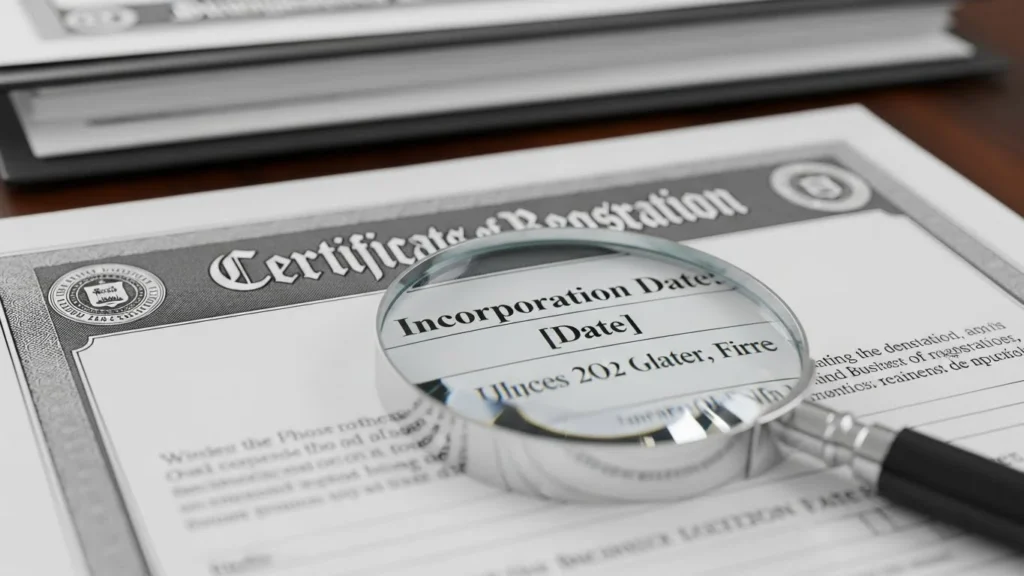
Why the Date is a Legal Identifier, Not a Risk Score
State business registries, like New York’s Department of State, require the exact formation date to issue official Certificates of Status and to determine filing deadlines for biennial statements.
Business license applications, such as those in New Jersey for alarm companies, mandate providing the date of incorporation or in-state registration as a core part of the entity’s legal identity.
A mismatch between the date on a business license and the official state record is a concrete red flag, indicating potential document falsification or an unregistered entity.
How Regulators Actually Assess New Business Viability
Regulators prioritize verifying an entity’s registration status and tax compliance. New Jersey’s Division of Taxation, for example, confirms a business is properly registered and gives non-compliant holders 15 days to correct issues.
Online verification portals, like New Jersey’s Regulated Business Online Registration Portal, provide real-time checks on a business’s active license and registration status.
Sector-specific permits can be granted quickly, allowing new entities to operate legally. NYC food service establishments, for instance, may open 22 days after a permit application is approved.
Using “Qichacha” or “Tianyancha” (Tools)
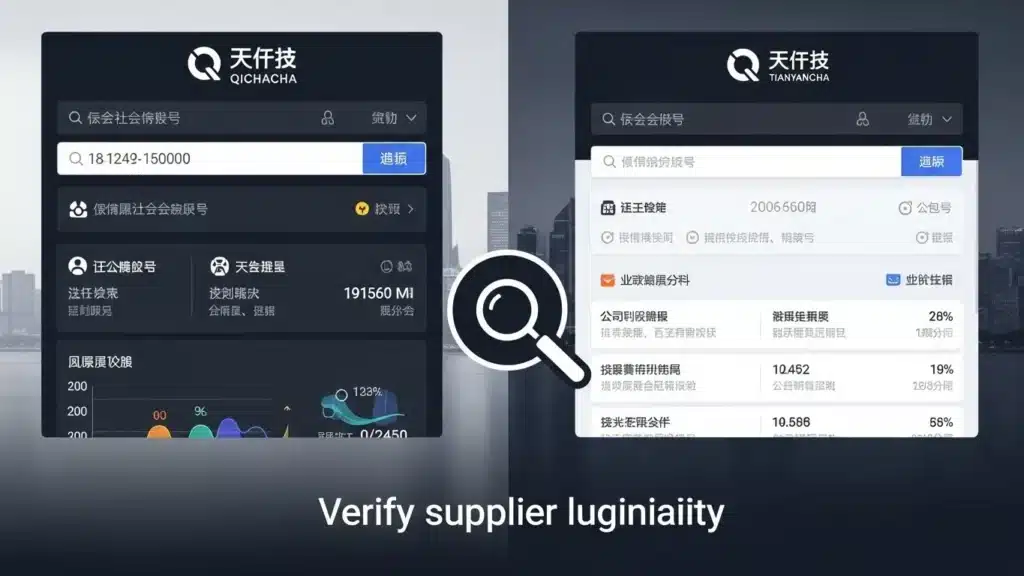
Qichacha and Tianyancha are data platforms that pull from official Chinese government registries. They allow you to search a company by name or its 18-digit Unified Social Credit Code to verify its legal status, check for lawsuits, and uncover operational risks. These tools are essential for confirming a supplier’s legitimacy before placing an order.
| Data Point | What It Checks | Why It Matters |
|---|---|---|
| Unified Social Credit Code (USCC) | Core identifier for verifying registration status, legal representative, capital, scope, and address. | Confirms the company’s official existence and basic legal standing. |
| Risk Flags (Lawsuits, Blacklists) | Searches for legal disputes, abnormal operations, shareholder changes, and “Dishonest Debtor” status. | Identifies financial, legal, and operational risks that could disrupt your supply chain. |
| QR Code Scan | Validates the authenticity of a physical business license. | Prevents fraud by detecting altered or fake certificates. |
| Customs Registration Code | Confirms the company has a valid 10-digit code for export operations. | Verifies the supplier’s capability to legally export goods. |
| GSXT Integration | Aggregates data from the official National Enterprise Credit Information Publicity System. | Provides the most authoritative source for registration status and capital information. |
What These Tools Check and Why It Matters
Search using the company’s Chinese name or its 18-digit Unified Social Credit Code (USCC), the core identifier on all business licenses. This code is the key to unlocking the company’s official record.
Verify the company’s registration status (e.g., ‘In Operation’ or ‘存续’), legal representative, registered address, and business scope to spot mismatches. Any discrepancy between the license and the platform’s data is a major red flag.
Check for critical red flags like legal disputes, being listed as a ‘Dishonest Debtor’, abnormal operations, or recent shareholder changes. These indicators reveal financial instability, legal troubles, or internal turmoil that could affect your order.
Use the integrated QR code scanner to validate the authenticity of a physical business license and detect alterations. This simple step can immediately expose a fraudulent document.
A Step-by-Step Guide to Running a Check
Start by obtaining the supplier’s official Chinese business name and USCC from their license for the most accurate search. Avoid using translated names, as they often lead to incorrect or missing records.
Review the aggregated data from the National Enterprise Credit Information Publicity System (GSXT) on the platform’s profile page. This is the primary source for registration details.
Cross-reference key details: ensure the registered address matches the factory location and the business scope includes your product type. A company registered in an office building but claiming a large factory is a common warning sign.
For export-ready suppliers, confirm they have a valid 10-digit Customs Registration Code and check for a matching record on MOFCOM’s site. This is non-negotiable for international shipping.
Note that platforms now require real-name verification for full access, but basic registration data is freely available. You can perform a fundamental legitimacy check without completing this step.
Visiting the Factory: The Ultimate Verification
A factory visit confirms that a supplier’s claimed licenses match the physical operation. You can inspect original certificates, cross-check numbers with state databases, and verify that production activities align with the permitted scope. This process uncovers mismatches that online checks cannot detect.
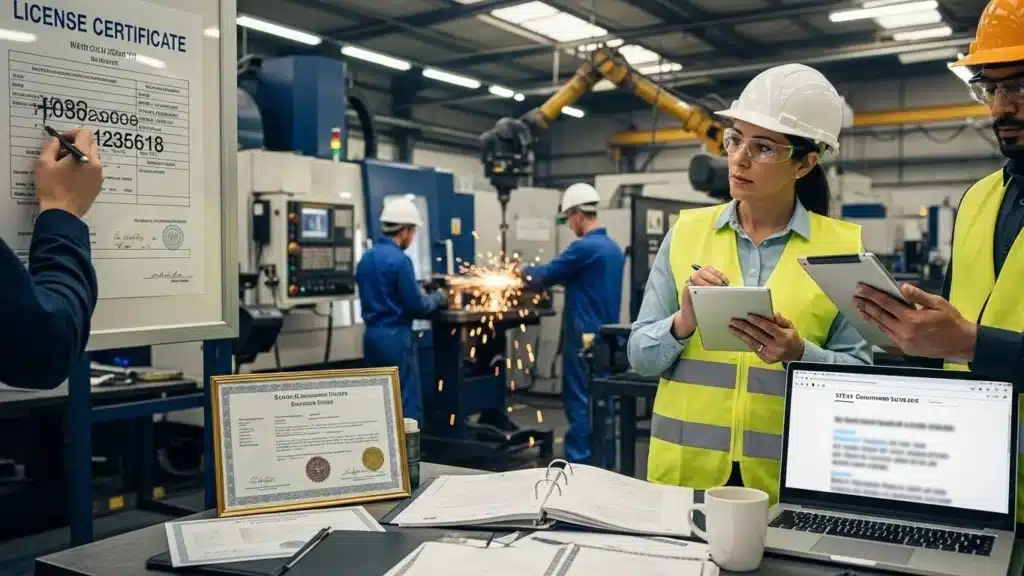
The Core Goal: Triangulating Paper, Practice, and Records
A physical site visit moves verification beyond document checks to assess operational reality. The goal is to triangulate data: match the physical certificates on-site with online state verification portals and the production activities you observe.
This method reveals critical red flags, such as a mismatch between a license’s permitted scope and the actual work happening on the factory floor. It effectively converts a basic license check into a broader operational and compliance risk audit.
The On-Site Audit Process: What to Check and Sample
Begin by requesting and photographing the original state licenses and permits displayed in the factory office. Verify that the entity name and address on these certificates match the legal entity on your contract.
Immediately cross-check the license numbers using online verification tools from agencies like the Texas DSHS or TDA. This confirms the documents are valid and allows you to check for any published enforcement actions or penalties tied to that license number.
Review a meaningful sample of production records to verify consistency and proper licensing references. Industry audit practice suggests reviewing at least 3 to 10 batches or records per product line as a practical minimum to detect pattern issues.
For higher-risk operations, check for additional mandatory credentials. This may include FDA facility registration for food manufacturers or environmental permits from agencies like the TCEQ, linking the licenses to the specific activities you observe.
Many regulators and buyers conduct annual or biannual factory inspections as part of standard qualification cycles. In Texas, entities like the TDA and local health departments use licensing fees to fund routine on-site inspections of facilities.
During the visit, also match state license numbers from guides like the Texas Business Licenses & Permits Guide against the actual certificates. For certain service companies, check for required proof of coverage like ACORD liability insurance certificates.
The definitive value of a site visit is its ability to uncover discrepancies between paper claims and observed operations. Any mismatch is a strong indicator of risk that digital verification alone cannot identify.
Final Thoughts
Verifying a Yiwu supplier is a process of connecting official documents with real-world operations. The business license is your starting point, providing the legal foundation and the key identifier—the Unified Social Credit Code—to begin your checks. From there, you move from data to observation, using tools like Qichacha to uncover risks and, ideally, a factory visit to confirm that the paperwork matches the production on the ground.
This layered approach protects your investment. It moves you from simply hoping a supplier is legitimate to having documented evidence of their legal standing, operational scope, and compliance history. While no single step guarantees a perfect partnership, together they form a robust defense against the most common and costly risks in international sourcing.
Frequently Asked Questions
How to check if a Chinese company is legitimate?
Confirm the company’s 18-digit Unified Social Credit Code and business license details match the official National Enterprise Credit Information Publicity System (NECIPS) records. Then, search the Credit China database for dishonest-debtor and enforcement records, and check court databases for ongoing legal disputes. If a company is not found in NECIPS, it is a major red flag for an illegal or unregistered operation.
What is a business license in China?
A business license is the official registration certificate issued by the State Administration for Market Regulation (SAMR). It confirms a company is legally authorized to operate. The license uses a standardized ‘five-in-one’ format with an 18-digit Unified Social Credit Code, consolidating business registration, tax, social security, and statistics. It displays key details like the company name, legal representative, business scope, registered capital, and a QR code linking to the official government record.
Can I trust Alibaba gold supplier status?
No. Alibaba’s ‘Gold Supplier’ is a paid membership level, not a government or quality certification. Alibaba explicitly states it does not guarantee product authenticity, seller authority, or transaction quality. While it may confirm a company is registered and has a physical premises, you must still independently verify the supplier’s licenses, legal disputes, and financial standing through official government databases or third-party audits.
How to use Qichacha in English?
Qichacha does not have an official English interface. To use it, access the Chinese website and rely on your browser’s translation tool (like Google Translate in Chrome) to navigate. You’ll need to follow a consistent process to check key fields like registration status and legal records. Foreign users often require a Chinese IP address via VPN and a local mobile number to create an account, though short-term access is sometimes available through resellers for specific research projects.
Do Yiwu market booths have business licenses?
Yes, legitimate suppliers operating booths in the Yiwu market are required to have a valid business license. You can and should request to see this license as a standard practice for verifying credibility. The license details can be cross-checked through official channels like the National Enterprise Credit Information Publicity System or with the Yiwu City Commerce Bureau to confirm the booth’s registration status.