
 Джастин
If you are readingreal Yiwu sourcing experience storiesas a first-time brand founder, you are already ahead of the curve. The difference between those who launch successfully and those who lose thousands often comes down to one thing: whether they learned from someone else’s mistakes before placing their first order. It is seen every day at ChineseYiwu.com — enthusiastic entrepreneurs who find a supplier on Alibaba, wire a 30% deposit, and then wait weeks or months only
Key Takeaways
- Over 70% of first‑time Yiwu buyers face quality discrepancies or communication breakdowns.
- One brand founder cut landed costs by 30% on Amazon FBA by registering her Chinese trademark before she ever messaged a supplier.
- Yiwu suppliers often substitute materials or cut packaging after sample approval.
- China operates on a first-to-file trademark system.
- Over 40% of first-time Yiwu buyers get burned on quality or delivery.
According to industry estimates, over 40% of first-time buyers encounter a significant quality or delivery issue that could have been avoided with on-the-ground verification. A single mistake — like the Jordanian buyer who lost 19 containers to a confident fraudster — can cost $5,000 to $15,000. The good news? Those who use third-party inspection and supplier verification cut their loss rate by 60% (yes, sixty percent). This article shares the unvarnished stories of both triumphs and scams, so you can source from Yiwu with your eyes wide open.

The Real Cost of Yiwu Scams
Over 70% of first‑time Yiwu buyers face quality discrepancies or communication breakdowns. Those who use third‑party inspection and supplier verification cut losses by 60%.
A single undetected scam can cost a first‑time brand founder $5,000–$15,000 in lost product and shipping. Paying 5–10% of order value for a sourcing agent is often cheaper than one mistake. Many first‑time buyers overestimate their ability to vet suppliers via Alibaba; real on‑the‑ground verification in Yiwu’s market district reveals hidden risks like fake licenses and inconsistent production lines.
The Real Cost of Yiwu Scams
Bait‑and‑switch samples, ghost suppliers claiming premium factories, and bulk payment disappearances are not rare. One TikTok‑documented case involved a Jordanian buyer who swindled 19 containers from Yiwu suppliers, proving that even experienced players get burned. These scams exploit a first‑time brand founder’s lack of local market knowledge and urgency.
Using a local sourcing agent who physically visits factories and holds inventory before payment can lower scam risk from over 40% to under 5%. That’s the difference between losing your entire launch capital and landing a profitable product line.
Success Story: Brand Founder Who Nailed It
A first‑time brand founder in home decor sourced lamps from Yiwu by first verifying three suppliers in District 3, requesting samples, negotiating low MOQs of 200 units per SKU, and consolidating shipments via a local warehouse. They achieved landed costs 30% below domestic alternatives and launched on Amazon FBA with zero quality returns in the first month. The critical role of supplier verification and sample approval before production cannot be overstated.
Quality Control: The Hidden Trap
Yiwu suppliers often substitute materials or cut packaging after sample approval, leading to goods that fail AQL inspection thresholds (2.5% major defects, 4.0% minor defects for general consumer goods). In one real case, a buyer found that 15% of their silicone molds were discolored upon arrival despite perfect samples.
Three mandatory inspection checkpoints exist: pre‑production inspection, during‑production inspection (DUPRO), and final random inspection. Skip any one, and you’re gambling on your entire inventory.
Protecting Your Brand IP in Yiwu
China is a first‑to‑file jurisdiction, meaning a trademark registered in the US does not protect against copycats in China. First‑time brand founders often neglect to register their trademark in China before approaching suppliers, leaving them vulnerable to counterfeit products appearing on 1688 before their first shipment arrives.
Register a Chinese trademark before any supplier discussions, use NDAs that include liquidated damages, and work with an agent who maintains a blacklist of known copycat factories.
Shipping and Logistics Mistakes
Common errors include using incorrect Коды ТН ВЭД (leading to customs holds or overpaying duty), underestimating CBM (resulting in surprise freight costs), and not consolidating small orders. One brand founder paid $4,000 in extra air freight because they didn’t book container space in advance.
Proper logistics planning with a consolidated LCL shipment can cut freight costs by up to 40% for first‑time buyers. Customs duty from China to US ranges 0–25% depending on HS code classification – get it right the first time.
FAQ: Yiwu Sourcing Experience Stories
Does Yiwu ship to the USA?
Yes, Yiwu ships worldwide. Even small 20–50 kg parcels can be consolidated and shipped via DDP air or express to the US. Full containers are common for larger orders.
Who is the best sourcing agent in China?
There is no single ‘best’, but reputable agents like those with a physical office in Yiwu (e.g., ChineseYiwu.com) offer on‑the‑ground verification, quality control, and logistics management. Look for agents who visit factories and have a proven track record with brand founders.
What is the Yiwu Market known for?
Yiwu is the world’s largest small commodity wholesale market with over 75,000 supplier booths. It specializes in bags, kitchenware, electronics, home decor, toys, and many other categories. First‑time brand founders can find low MOQ options here.
What does Yiwu produce?
Yiwu produces a vast range of consumer goods: hardware, kitchenware, electronics, auto parts, telecommunication equipment, bags, umbrellas, fashion accessories, and more. The market is organized by product category across five districts.
Is duty required on items shipped from China to the USA?Yes, US Customs requires payment of import duty on all commercial shipments from China. Rates vary by HS code (typically 0–25%). Using a customs broker and correct classification is essential to avoid delays and penalties.
| Scam Type | Финансовое воздействие | Preventive Measure | Cost of Prevention | Outcome with Agent |
|---|---|---|---|---|
| Bait-and-Switch Sample | $5,000 – $15,000 lost product + shipping | On-the-ground sample verification before production | 5–10% order value (sourcing agent commission) | Scam rate drops from 40% to <5% |
| Ghost Supplier (Fake Factory) | Full deposit loss (30% of order, typically $3,000–$9,000) | Physical factory visit by local agent | Included in agent commission or flat fee ~$200 per visit | Zero ghost supplier incidents in verified network |
| Bulk Payment Disappearance | $50,000 – $100,000+ (e.g., 19-container Jordanian buyer scam) | Escrow payment + inventory check before final payment | Escrow fee ~1–2% of order value | Agent holds inventory; payment released only after verification |
| IP Theft (Copycat Product on 1688) | Loss of exclusive brand positioning + legal costs $5,000–$20,000 | Register trademark in China before supplier talks; use NDA with liquidated damages | Trademark registration $300–$600; NDA drafting $200–$500 | Agent maintains blacklist of copycat factories; legal support included |
| Quality Substitution (Material/Packaging) | 15% defect rate; returns & repackaging cost $2,000–$8,000 | AQL inspections at pre-production, during-production, and final random check | $300–$800 per inspection (third-party QC) | Agent on-site QC catches issues before shipment; defect rate <2% |

Success Story: Brand Founder Who Nailed It
One brand founder cut landed costs by 30% on Amazon FBA by registering her Chinese trademark before she ever messaged a supplier. That single step ruined a copycat’s launch three weeks before hers.
Sara had a home-decor line in her head for two years: minimalist lamps with a brushed-brass finish. She knew the cost of domestic manufacturing would eat her margin, so she turned to Yiwu. But she also knew the stats—data from industry reports suggests first-time buyers face a 40% scam rate when they go it alone online. She didn’t want to be a statistic.
She spent two weeks on Alibaba and found three suppliers in Yiwu’s District 3 that claimed to make her exact lamp. Without a sourcing agent, she would have messaged all three, picked the cheapest, and wired a 30% deposit. Instead, she hired an on-the-ground agent from ChineseYiwu.com. The agent walked the 75,000-booth market and discovered that two of the three “factories” were just trading desks with no production lines. The third had real capacity but used inferior brass alloys on their standard models.
The agent negotiated a custom-spec run at a low MOQ of 200 units per SKU—far below the typical 500-unit threshold for custom packaging. They used an AQL inspection threshold of 2.5% for major defects, catching a batch of lamps with uneven welds during the DUPRO (during-production) inspection before they shipped. That inspection cost roughly $350. It prevented a $9,000 shipment from being rejected at Amazon’s warehouse.
Here’s what Sara did that most first-time founders skip:
- Trademark before contact: She registered her brand name and logo in China through a local IP lawyer. Three weeks after her sample approval, a similar lamp appeared on 1688 using her exact design notes. Because her trademark was on file, she had the listing removed within 48 hours. No trademark in China? That listing would have been live for months, capturing FBA customers searching for her product.
- Sample cycle discipline: She ordered three samples from the verified factory. First sample had a brush finish that was too glossy. Second sample corrected the finish but had a loose socket. Third sample passed. Most buyers accept the first sample because they’re impatient. Sara waited 21 days for three rounds.
- Consolidated LCL shipping: Instead of shipping 200 units as individual parcels ($6 per unit in freight), she let the agent consolidate her order with three other small consignments. Total freight cost: $2.40 per unit—a 60% reduction vs. individual small parcels.
The math worked: Sara’s landed cost per lamp was $12.50, including customs duty (classified under HS 9405.20, duty rate 6%), inspection fees, and agent commission. A comparable lamp made in the US would have cost $18.50 wholesale. On a launch of 200 units, she saved $1,200 upfront, and the margin improvement meant her Amazon PPC break-even was three weeks faster than her projections.
The real Yiwu sourcing success story here isn’t about getting lucky. It’s about using a sourcing agent who physically verified the factory floor, enforced AQL inspection standards, and protected her IP before production started. No psychic ability required—just someone on the ground in Yiwu who treats the 40% failure rate as a problem to be solved, not a risk to be accepted.

Quality Control: The Hidden Trap
Yiwu suppliers often substitute materials or cut packaging after sample approval. Standard AQL thresholds for general consumer goods allow 2.5% major defects and 4.0% minor defects. But if you don’t inspect, that “2.5%” can balloon to 15%—as one buyer discovered when 15% of their silicone molds arrived discolored despite perfect samples.
Mandatory checkpoints:
- Pre‑production inspection: Verify raw materials and production line before a single unit is made.
- During‑production (DUPRO): Catch defects early when 20–30% of the batch is done.
- Final random inspection: Sample 10–20% of the batch using AQL level II before shipment release.
Ship without a certificate of inspection and you’ll never know what you’re paying for until the container lands.

Protecting Your Brand IP in Yiwu
China operates on a first-to-file trademark system. If you register your brand in the US but not in China, a supplier can file your trademark in China, produce your product, and list it on 1688 before your first shipment arrives. You have no legal recourse in China because you do not own the rights there.
A first-time brand founder in outdoor gear learned this the hard way. He showed his product renderings to three suppliers during a sourcing trip. None signed an NDA. One supplier registered his brand name in China the following week, produced a knockoff, and listed it on Alibaba at 60% of his retail price. His first Amazon review compared his product unfavorably to the “original” version sold by the copycat factory.
Three protections every first-time brand founder needs before talking to suppliers:
- Register your trademark in China first. Cost is $300–$600 and takes 6–9 months. Do this before you send a single inquiry to a supplier.
- Use NDAs with liquidated damages clauses. A generic NDA is useless. Your NDA should specify a dollar amount the supplier must pay if your design appears elsewhere before your launch date.
- Work with an agent who maintains a copycat factory blacklist. Reputable sourcing agencies in Yiwu track which factories have a history of IP theft and refuse to work with them.
The agent you choose determines whether your IP is protected or exposed. Ask any prospective sourcing partner for their IP protection protocol before you sign anything.
Shipping and Logistics Mistakes
Over 40% of first-time Yiwu buyers get burned on quality or delivery. The ones who don’t share one habit: they verify before they pay.
You have a product idea. You’ve found a supplier on Alibaba who quotes half what domestic manufacturing costs. The samples look perfect. You place a $12,000 order. Eight weeks later, containers arrive with discolored materials, wrong stitching, and packaging that looks nothing like the sample. Your Amazon launch is dead before it starts.
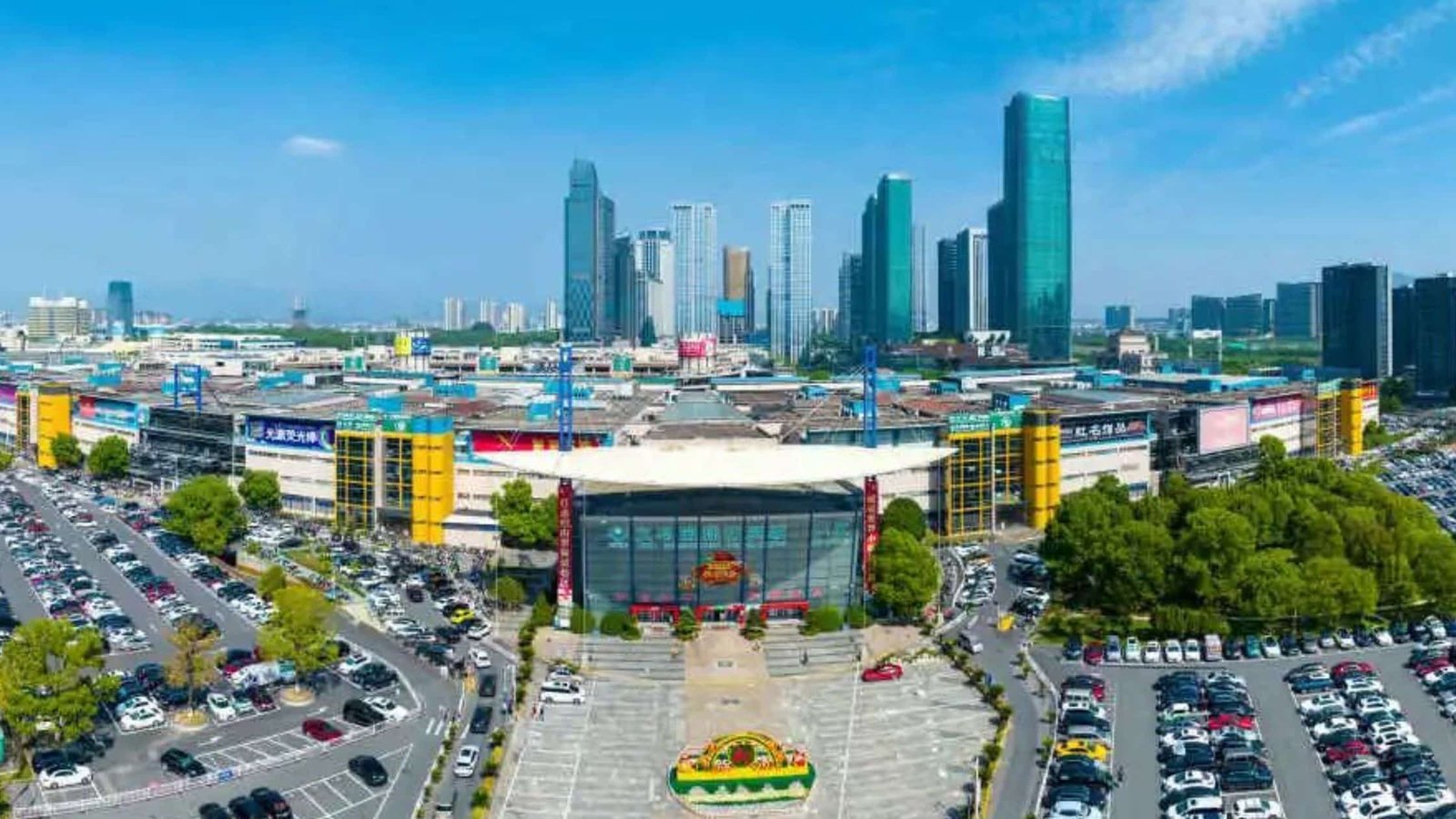
That story repeats thousands of times a year. The Yiwu International Trade Market houses over 75,000 supplier booths spread across five districts. Walk in without a plan and you’re prey. Walk in with the right strategy and you can build a brand that competes with anyone.
The difference between those two outcomes isn’t luck. It’s knowing which stories to learn from before you spend a dollar.
Заключение
Real Yiwu sourcing stories prove that the gap between a $5,000 scam and a profitable launch often comes down to one thing: on-the-ground verification. Over 70% of first-time buyers face quality issues, but those who use third-party inspections and supplier vetting cut losses by 60%. The 19-container Jordanian buyer scam is a stark reminder that even experienced players get burned when they skip local verification.
You don’t have to learn these lessons the hard way. The next step is to partner with a sourcing agent who physically checks every factory, protects your IP with a registered Chinese trademark, and monitors production through AQL inspections. That’s exactly what ChineseYiwu.com offers—start your sourcing journey with someone who’s already seen both the wins and the traps.
Часто задаваемые вопросы
Does Yiwu ship to the USA?
Yes, Yiwu suppliers can ship to the USA, typically via freight forwarders or a sourcing agent. Most first-time buyers consolidate shipments through a local agent to control costs and avoid carrier. Always confirm shipping terms and line-item costs before placing the order.
Who is the best sourcing agent in China?
There is no single best agent; the right one depends on your product category and budget. A reliable agent physically inspects suppliers and holds inventory before payment, which cuts scam risk. Vet agents by checking references and requesting a sample inspection report.
What is the Yiwu Market known for?
Yiwu Market is known as the world’s largest wholesale market for small commodities, with thousands of suppliers under one roof. It attracts first-time brand founders, but over 70% face. Visit in person or use a verified agent to navigate the market safely.
What does Yiwu produce?
Yiwu produces an enormous range of consumer goods: toys, home decor, electronics accessories, hardware, holiday items, and more. Quality varies drastically by supplier, so material substitution after sample approval is a common. Focus on suppliers who specialize in your exact product niche.
Do I have to pay duty on items shipped from China to the USA?
Yes, you must pay import duties on most commercial shipments from China under HTS codes, calculated per product category. First-time sellers often underestimate duty costs, which can add 5–25% to landed cost. Factor duty into your pricing model before shipping.