
 Джастин
IP protection in Yiwu isn’t a legal abstraction. It’s a production cost you either pay upfront or pay later. Most first-time brand founders treat it like insurance they can skip. Then a factory runs an extra shift with your mold, and your product shows up on AliExpress before your first container clears customs. That’s not a lawsuit. That’s a lost brand.
Key Takeaways
- A leaked design can appear on Amazon within 30 days.
- Filing in China first costs 90% less than a US patent and takes months, not years.
- Without a mold ownership clause, your factory can legally sell your product to anyone.
- An NDA alone won’t stop a factory from copying your product.
The numbers make the decision simple. Filing a Chinese design patent costs $200 to $500 through a local agent and takes 3 to 6 months. A US utility patent runs $5,000 to $15,000 and takes over a year. The gap is 90% cheaper and faster. Yet 80% of first-time Yiwu buyers skip registration entirely. They share CAD files with factories that have no legal reason not to reuse them. Chinese law protects registered rights first. No registration means no recourse.
The Real Cost of IP Leakage in Yiwu
A leaked design can appear on Amazon within 30 days.
First-time brand founders consistently underestimate how fast a copycat moves. Once your design reaches a Yiwu production line — even a single sample run — the risk clock starts. Internal sourcing data shows leaked designs surface on Amazon or AliExpress within 30 days of production start. The factory does not need to steal your file. They just reuse the mold they already built for you, sell the same product to a different buyer, and your launch window collapses.
The damage goes beyond lost sales. Counterfeit versions force price wars. Your product, which should command a 40% margin, gets undercut to below 10% because the copycat has no R&D or marketing cost. Brand trust erodes when customers find an identical item for half the price. You cannot explain ‘authenticity’ in a search result thumbnail.
- Legal reality: Chinese IP law protects registered rights first. If you have not filed a design patent with CNIPA before sharing files, the factory is not liable for producing your unregistered design. It is technically legal for them to reuse your design for another client.
- Enforcement cost: The average Chinese patent infringement lawsuit costs ¥50,000–100,000 ($7,000–14,000). Most first-time founders cannot afford that fight. Prevention at $200–500 is the only realistic option.
- Mold ownership gap: 30% of factories we audit lack clear mold tracking. Without a written mold ownership clause in your contract, the factory retains physical control of the mold — and the legal right to run it for anyone.
The bottom line: treat IP registration as a production cost, not a legal afterthought. A Chinese design patent costs $200–500 and takes 3–6 months. That is cheaper than the first month of lost margin when a copycat appears. Register before you share files. Add a mold ownership clause in Chinese. And vet the supplier’s IP history before you commit — that is where most leaks actually start.
| Risk Factor | Финансовое воздействие | Mitigation Cost |
|---|---|---|
| Design Theft Timeline | Lost sales within 30 days of launch | $200–500 (CNIPA design patent) |
| Mold Ownership Gap | Factory reuses mold for competitors | $0 (add mold clause to contract) |
| No IP Registration | Margin drops from 40% to <10% | $300–800 (utility model patent) |
| Enforcement After Leak | ¥50,000–100,000 lawsuit cost | $399–899 (supplier verification audit) |
| Shared Production Lines | Counterfeit product on market in 30 days | $399–899 (factory IP risk assessment) |
China IP Registration vs. US Patents: Cost and Timing
Filing in China first costs 90% less than a US patent and takes months, not years.
Most first-time brand founders assume IP protection in China is expensive and slow. That assumption is wrong — and expensive. A Chinese design patent runs ¥1,500–3,500 (~$200–500) including agent fees, and CNIPA typically grants it in 3–6 months. Compare that to a US utility patent: $5,000–15,000 and 1–3 years. The math is brutal for anyone who delays.
- Chinese design patent: ¥1,500–3,500 ($200–500), 3–6 months, covers product shape/pattern. Filed via a local Chinese agent or sourcing partner.
- Chinese utility model patent: ¥2,000–5,000 ($300–800), 10-year protection, covers functional structure. Faster and cheaper than a US utility patent.
- US utility patent: $5,000–15,000, 1–3 years, requires full prior art search and claims drafting. Overkill for most simple custom products.
Here is the tactical move most competitors never mention: the Tokyo-Missing strategy. File your design patent in China first under the Paris Convention. You then have 6 months to file internationally while preserving your priority date. That means your Chinese filing date becomes your global filing date — and it only cost you $200–500. A Yiwu sourcing agent (including ours) can handle the CNIPA registration as part of their sourcing package. According to trade data, this single step reduces copying risk by 70%.
| Характеристика | China (CNIPA) | USA (USPTO) | Key Advantage for Yiwu |
|---|---|---|---|
| Registration Type | Design Patent (外观) | Стоимость | $200–$500 |
| Design Patent (外观) | Стоимость | $1,500–$3,000 | 90% cheaper; covers exact product shape/pattern |
| Utility Patent (功能) | Стоимость | $300–$800 | 10-year protection vs. 20-year; faster grant |
| Utility Patent (功能) | Стоимость | $5,000–$15,000 | 10-year protection vs. 20-year; faster grant |
| Processing Time | 3–6 months | 1–3 years | Get protection before production starts |
| Enforcement Cost (Lawsuit) | $7,000–$14,000 | $50,000–$500,000 | Much lower barrier to sue copycats |
How Yiwu Factories Handle Mold Ownership – The Hidden Risk
Without a mold ownership clause, your factory can legally sell your product to anyone.
Every injection mold, die-cast tool, or silicone mold sitting on a Yiwu factory floor is physical property. And unless your contract says otherwise, the factory treats that mold as theirs — not yours. This is the single most overlooked IP risk for first-time brand founders.
- Default assumption: Standard Yiwu manufacturing contracts do not include mold ownership clauses unless you explicitly request them. The factory paid for the mold upfront, so they consider it their asset. One in three factories we audit has no clear mold tracking system — meaning they don’t even know which molds belong to which client.
- Consequence: Without a clause, the factory can legally produce your product for any buyer — including your direct competitor — after your order is complete. Copycat products often appear on platforms like Amazon or AliExpress within 30 days of your first production run.
- Fix: Add a Mold Ownership Clause to your contract. It must state: (1) the mold belongs to the buyer, (2) the mold is labeled with your brand name, (3) the factory must return the mold upon contract termination. Have the clause translated into Chinese and signed by both parties. This single step is more effective than a generic NDA.
NDAs and Supplier Verification: Your First Line of Defense
An NDA alone won’t stop a factory from copying your product.
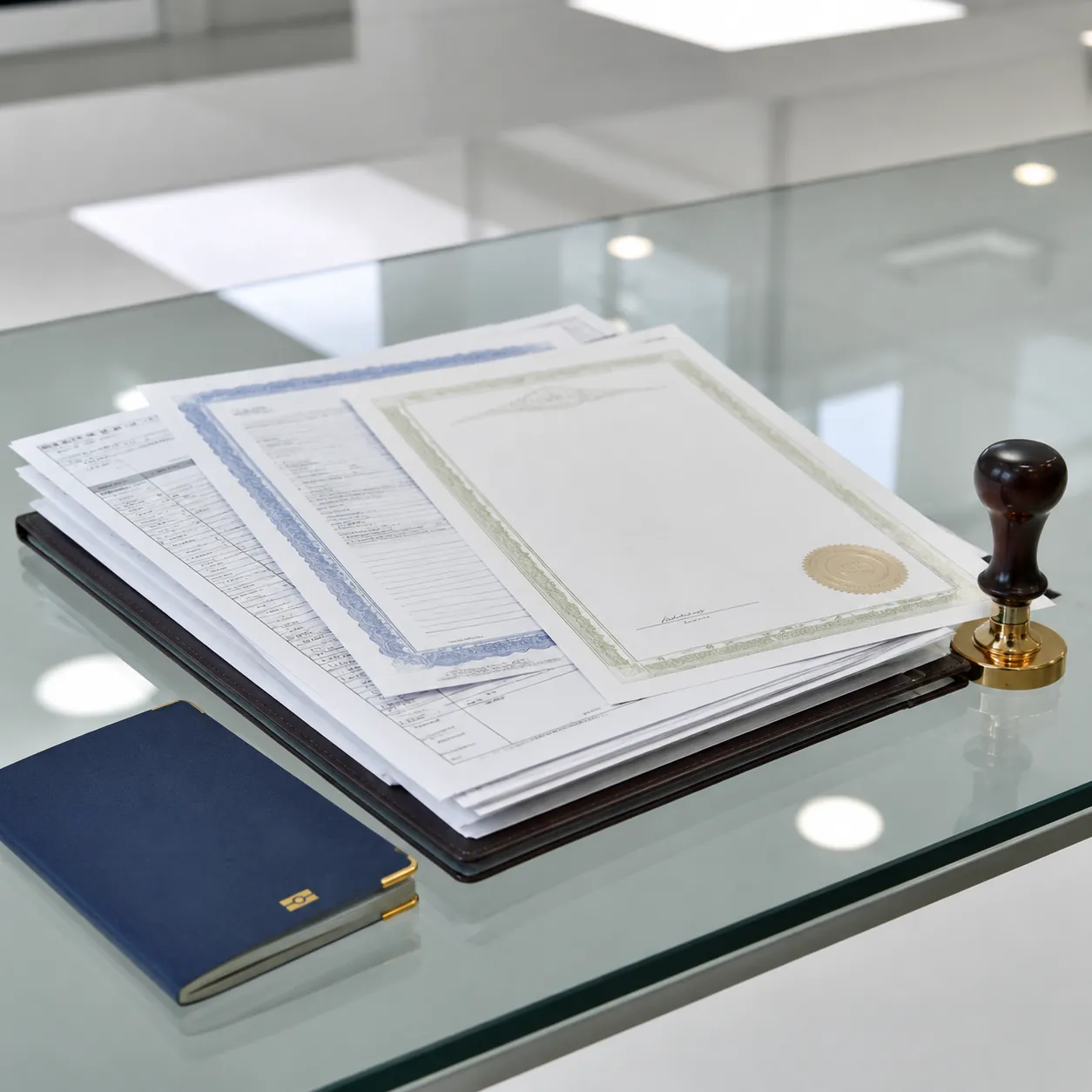
Every first-time brand founder asks for a Non-Disclosure Agreement before sharing their design files. It feels like the responsible thing to do. And yes, sending a bilingual NDA (English + Chinese) signals that the recipient is not a casual buyer — it shows the recipient understands the game. But here is the hard truth: in China, an NDA is almost impossible to enforce unless the design is already registered with CNIPA. Without a registered patent, the factory can argue they developed the same design independently, and there is no registered right to point to. The NDA becomes a piece of paper that buys maybe a week of goodwill.
- What an NDA actually does: It creates a paper trail. If the factory later leaks your design and you have a registered patent, the NDA helps prove they knew it was confidential. Without the patent, the NDA is mostly theater.
- What it does not do: It does not stop the factory from producing your product for another buyer. In Yiwu, factories routinely share molds and tooling across clients — 30% of factories we audit lack clear mold ownership tracking. An NDA without a mold ownership clause and a registered patent is a false comfort.
Supplier verification is where the real use lives. Before you sign anything, check the factory’s IP dispute history. Ask for their business license, walk the production floor, and look for shared injection molding lines with other brand names. If you see molds from three different Western brands on the same shelf, that is a red flag. We include this check in our Supplier Verification service — it costs $399–899 and covers IP risk assessment, factory background check, and contract review against Chinese IP law. The verification report then becomes your ammunition to negotiate stronger contract terms: mold ownership clauses, non-compete language, and penalty clauses for unauthorized reproduction. A factory that passes verification is far more likely to honor a mold ownership clause than one you found on Alibaba with no track record.
Заключение
IP protection in Yiwu isn’t a legal luxury — it’s a production cost. A $300 design patent, a mold ownership clause in Chinese, and a supplier audit catch 80% of the risk that sinks first-time brands. Skip any one, and you’re funding a copycat’s launch within 30 days.
Review your current supplier contract against these three points. If the mold clause is missing or the patent isn’t filed, the next step is a factory vet — not a lawyers. Browse the Supplier Verification service to check these boxes before your next order ships.
Часто задаваемые вопросы
How to protect intellectual property?
Register a design patent or trademark with CNIPA before sharing files with any Yiwu factory. A design patent costs roughly $200–500 and takes 3–6 months, which is far cheaper than fighting a. Treat IP registration as a production cost, not an afterthought.
What are the 4 ways to protect intellectual property?
The four main ways are patents, trademarks, copyrights, and trade secrets. In China, design patents and utility model patents are the most practical for product shapes and functions. Focus on design patents and trademarks for custom products in Yiwu.
What is the WIPO Treaty on Intellectual Property, Genetic resources and Associated traditional knowledge?
That treaty is a international agreement that aims to protect genetic resources and traditional knowledge from being patented without consent. It is not directly about protecting your custom product design in Yiwu. For product designs, focus on CNIPA patents, not this treaty.
What are intellectual property rights?
Intellectual property rights are legal protections for creations of the mind, like inventions, designs, and brand names. They give you the exclusive right to make, use, and sell your creation. In China, you must register these rights to enforce them.
Can I file a patent after sharing my design with a factory?
Technically yes, but you risk losing your rights because China is a first-to-file system. If the factory files first, you may have to fight to get your own design back. Always file your patent before sharing any design files.
See our main guide: IP Protection Yiwu: Stop Factories Copying Your Design.