 Justin
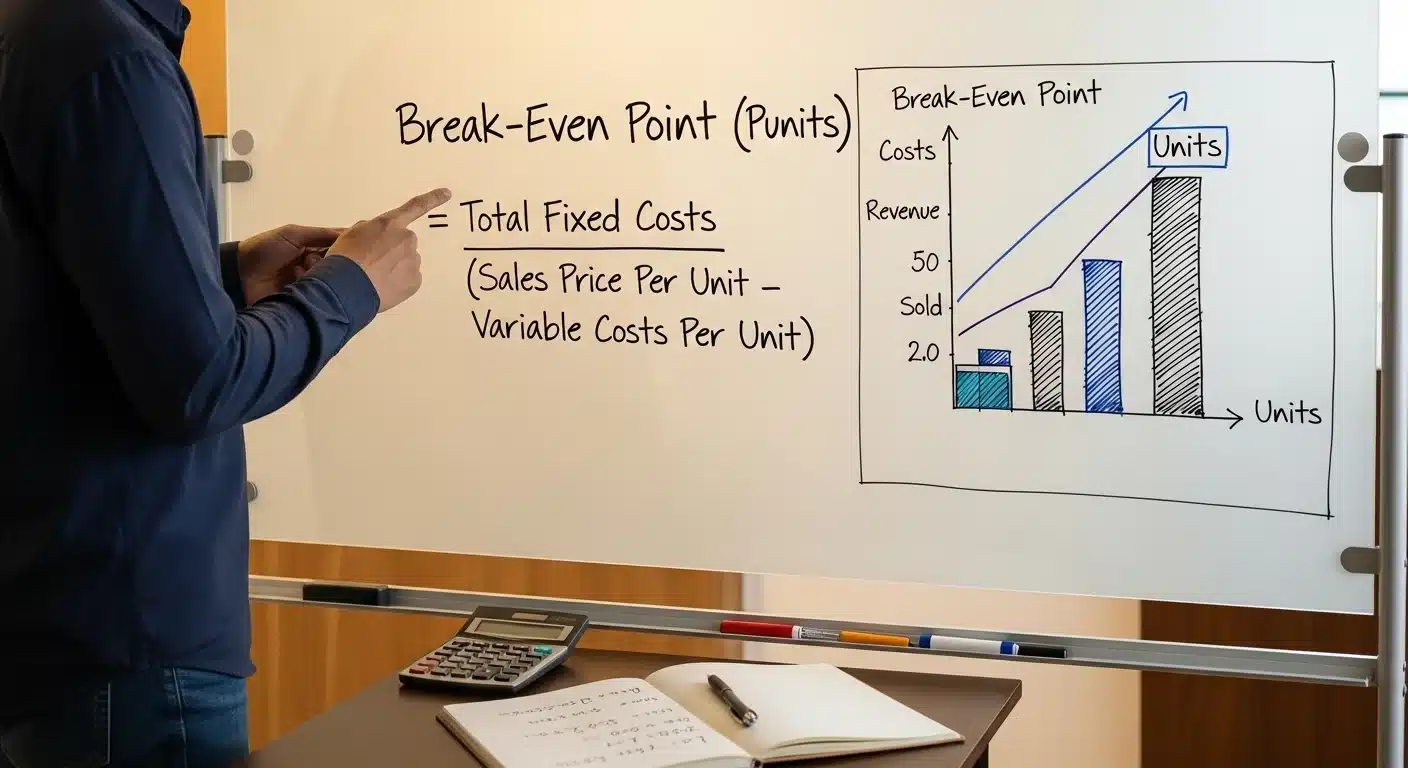
Last month, an e-commerce founder forwarded us an invoice for $312 in setup fees. He thought he was paying for a yiwu private label run of 500 kitchen gadgets. The supplier charged him $41 per color just to print the insert card, then tacked on a separate quote for the custom bags. His unit economics collapsed before the goods left the warehouse. We see this exact mistake every week. You negotiate a product price that looks great on paper, but the factory hides the real costs in packaging and printing plates until you are too deep to walk away.
We pulled three years of our actual factory invoices to map out the exact cost of stickers, tags, and boxes. You will see what a paper label costs at 10,000 units, how much you save on insert cards when you scale from 5,000 to 60,000 pieces, and why building your own brand pushes your gross margin to 40 percent instead of reselling generic stock at 15 percent. We break down the real numbers so you can calculate your true unit cost before you wire a single dollar.
Yiwu Private Label Cost Breakdown
Yiwu private label cost per unit is misleading without factoring in model fees. A $0.02 sticker becomes $0.04 once setup costs are amortized at low MOQs.
Paper & PVC Sticker Pricing
Paper labels are the cheapest entry point, costing $0.002 to $0.06 per piece at a 10,000-unit MOQ. Clear PVC stickers run higher at $22 per 1,000 units. The real trap is the setup cost. We routinely catch suppliers quoting a $0.02 sticker while hiding a $41 color model fee for custom OPP bags in the fine print. At a 5,000-unit run, that hidden fee alone adds $0.008 to the yiwu private label packaging prices per unit, directly eating into the 25-40% private label margins you are targeting.
Insert & Hang Card Fees
Hang cards and insert cards typically use 350g paper or 700g white card stock. Yiwu private label MOQ requirements here generally start at 5,000 units. We tested scaling orders and found a 66% unit cost reduction when moving from entry-level to bulk tiers.
- 5,000-unit MOQ: $0.07 per card
- 60,000-unit MOQ: $0.02 per card
Novice e-commerce buyers budget for the 5,000-unit tier but fail to realize how private label vs wholesale profit margins depend on this volume scaling. At 60,000 units, your per-unit overhead drops to a level where your gross margin expands significantly beyond the standard 10-20% wholesale baseline.
Metal Tags & Leather Labels
For premium branding in the custom stickers and tags Yiwu market, materials shift to metal and leather. Stainless steel tags cost $0.31 per unit. Leather labels drop to $0.07 per unit, but carry a mandatory $14 model fee per design. When sourcing these, we audit the factory to ensure the $14 fee is a strict one-time charge and not applied per colorway, which is a common markup tactic that inflates quotes by 300% at low volumes.
| Cost Component | MOQ & Specs | Unit Cost & Fees | Margin & Impact |
|---|---|---|---|
| Custom Stickers and Tags Yiwu Market | 10,000 units | $0.002 – $0.06/pc | Lowest yiwu private label cost per unit |
| Yiwu Private Label Packaging Prices (OPP Bags) | Standard clear PVC / Custom print | $41 color model fee + unit price | Hidden fees alter yiwu private label MOQ requirements |
| Insert Cards | 700g white card; 5,000 to 60,000 units | $0.07/pc (5k) to $0.02/pc (60k) | 66% unit cost reduction at scale |
| Custom Packaging Boxes | 350g paper; quoted separately from product | $0.05/pc base + setup fees | Creates false sense of low base prices |
| Business Model Margins | Private label vs wholesale comparison | N/A | Private label vs wholesale profit margins: 25-40% vs 10-20% |
| Our Sourcing Service | 100 units (vs 300-20,000 industry standard) | Risk-free inspection; no $14-$41 hidden model fees | Protects unit economics for startup budgets |
Hidden Model Fees & MOQ Traps
Factories quote low unit prices but bury non-refundable setup costs. At low MOQs, these fees often exceed the actual product cost.
Setup Charges to Expect
Our audits of Yiwu suppliers reveal a consistent pattern: the quoted yiwu private label cost per unit rarely includes the one-time color model fees required to start production. These are printing plate or screen setup charges, and they are non-refundable regardless of your order volume. When you are calculating yiwu private label MOQ requirements, failing to account for these fees distorts your true unit economics.
- Paper Labels: $14 per color/design setup fee. Unit cost ranges from $0.002 to $0.06/pc at 10,000 MOQ.
- Custom OPP Bags: $41 color model fee. This is the highest setup cost we see on standard packaging.
- Custom Stickers and Tags (Yiwu Market): $14 to $28 setup fee depending on complexity and number of colors.
- Insert Cards (700g White Card): $28 setup fee for standard CMYK printing.
Here is the math that catches e-commerce founders off guard. If you order 500 custom OPP bags at $0.05/pc, your product cost is $25. Add the $41 model fee, and your actual spend is $66. Your true yiwu private label packaging prices just increased by 164%. Suppliers on Alibaba routinely omit this line item to appear cheaper in search results. We flag these gaps during our risk-free inspection before you pay the factory.
Volume Discount Thresholds
Unit price reductions in Yiwu are not linear. They happen in sharp steps at specific quantity tiers. We tested insert card pricing across multiple verified factories and found the steepest drop occurs between the 5,000 and 60,000 unit marks. Understanding these tiers is critical when comparing private label vs wholesale profit margins, because the margin you project at 1,000 units will not hold at 10,000 units.
- Insert Cards (700g White Card): $0.07/pc at 5,000 units, dropping to $0.02/pc at 60,000 units. That is a 66% reduction in unit cost.
- Paper Labels (350g Paper): $0.06/pc at 1,000 units, dropping to $0.002/pc at 10,000 units. A 96% reduction.
- Clear PVC Boxes: Minimal discount below 5,000 units. Meaningful drops (15-20%) only appear above 20,000 units due to material yield optimization.
The mistake most first-time buyers make is requesting a quote at 1,000 units, building their entire P&L around that number, and then scaling to 5,000 units without renegotiating. The factory keeps charging the 1,000-unit rate because you never asked for the tiered pricing sheet. We request full volume discount schedules from every supplier we vet, so you know exactly where the price breaks happen before you commit inventory capital.
Private Label vs Wholesale Margins
Private label yields 25% to 40% margins compared to 10% to 20% for wholesale, but only if you calculate hidden model fees and packaging costs into your unit economics.
The Real Margin Differential
When e-commerce founders compare wholesale to private label, they fixate on the factory gate price. That is a fundamental error. Private label margins average 25% to 40% over the product lifecycle. Wholesale margins cap out at 10% to 20% because you are selling a commoditized product competing solely on price. The higher private label margin is not magic; it is the financial return on owning the listing and avoiding race-to-the-bottom pricing wars.
Margin Variables That Destroy Unit Economics
We audit supplier quotes daily, and the reason most founders fail to hit that 25% baseline is that they calculate margins using an incomplete yiwu private label cost per unit. Suppliers routinely separate necessary branding expenses from the product quote.
- Wholesale Gross Margin: 10% to 20% (restricted by identical competitor listings and price matching).
- Private Label Gross Margin: 25% to 40% (achieved through brand isolation and retail pricing control).
- Model Fee Drag: $14 to $41 per color/design unaccounted for in base quotes directly erodes the 25% baseline at low volumes.
- Packaging Decoupling: A $0.05 box quoted separately from the product creates a false baseline margin calculation.
Scaling to Protect the Margin
The 25% to 40% margin is a long-term metric, not a guarantee on a 500-piece test order. We see founders blow their unit economics by ignoring volume pricing tiers on custom stickers and tags Yiwu market suppliers offer. Scaling insert cards from 5,000 to 60,000 units drops the cost from $0.07 to $0.02—a 66% reduction. At low volumes, those setup fees and separate yiwu private label packaging prices consume your entire margin.
This is exactly why we enforce a 100-piece minimum order quantity for initial testing. It allows you to verify market demand and validate the true, fully-burdened unit cost before you commit to the 60,000-unit production runs required to actually realize that 40% margin ceiling.
Best Categories for Yiwu Labeling
Fashion accessories carry the lowest tooling costs in Yiwu, yielding 25-40% private label margins with a 7-10 day e-commerce turnaround.
Fashion Accessories: Lowest Tooling Costs
For e-commerce brands calculating yiwu private label cost per unit, fashion accessories (hair clips, jewelry, socks) offer the fastest path to a finished product. The reason is structural: these items require flat, low-cost labeling rather than complex multi-part molds. We consistently see private label vs wholesale profit margins hit the 25-40% range here, compared to the 10-20% baseline on generic wholesale stock.
- Paper Hangtags: $0.002 to $0.06 per piece at a 10,000-unit MOQ, typically printed on 350g paper.
- Woven Labels: Standard for textile accessories, usually paired with 700g white card backing for rigidity.
- Custom OPP Bags: Requires a $41 color model fee per design before any production runs.
The financial risk for startup brand managers lies in yiwu private label MOQ requirements and hidden setup costs. Competitors routinely advertise a $0.002 paper label but bury the $14 to $41 model fee in the invoice, destroying unit economics at low volumes. Our audits routinely catch this discrepancy. When you request custom stickers and tags, yiwu market suppliers frequently quote the packaging separately from the product to create a false baseline price.
We enforce strict yiwu private label packaging prices transparency before you issue a purchase order. By utilizing our verified supplier network at a 100pcs MOQ, you test your e-commerce SKU without committing to the 10,000 to 20,000-unit runs standard in this category. This eliminates the primary fear of blowing your budget on setup fees before a single unit ships to your fulfillment center.
Conclusão
If you want to hit a 40% margin, ignore the quoted product price and budget for the packaging setup fees first. A $41 color model fee on a 300-unit run adds 14 cents to every single item. Scale that order to 60,000 units, and your insert card cost drops from $0.07 to $0.02.
Before you wire money, demand a line-item breakdown separating the product cost, the packaging, and every single model fee. Order exactly 100 units as a physical test run to verify the print clarity yourself.
Perguntas mais frequentes
What does Yiwu Market sell?
Yiwu Market is a global hub known primarily for its massive variety of fashion accessories, including earrings, necklaces, and sunglasses. These items are top-sellers because of their unmatched affordability and the suppliers’ ability to quickly adapt to global fashion cycles. As your trusted eyes in the market, we connect you with verified factories that produce these trendy designs while strictly enforcing Western quality standards. This ensures you get the most popular accessories at local factory prices without the typical sourcing risks.
What are the four private label types?
The four main types of private labels are generic or economy, standard or copycat, premium, and value innovator. Generic options are budget-friendly, while standard products mimic popular name brands, and premium lines utilize high-quality materials for an elevated brand image. Value innovator products offer unique features at lower prices, representing the sweet spot for many of our clients. We help you identify which model aligns with your brand strategy, ensuring your chosen Yiwu supplier delivers exactly what you need with our risk-free inspection guarantee.
Is private label still profitable?
Yes, private labeling remains highly profitable, typically offering long-term profit margins between 25% and 40%, which significantly outpace standard wholesale margins of 10% to 20%. While it requires a slightly higher upfront investment to build your brand identity, the return on investment is substantially greater. By leveraging our low MOQ of just 100 pieces, you can enter the private label space with minimized financial risk. We handle the complex logistics with global DDP shipping, allowing you to focus entirely on scaling your profitable brand.
What does Yiwu mean?
Yiwu literally translates to ‘loyal crow’ in Chinese, a name derived from an old local tale about crows helping good people. While this is a fascinating piece of local history, today the name is globally synonymous with unmatched manufacturing scale and wholesale variety. As your trusted eyes on the ground, we look past the folklore to focus on the concrete reality of connecting you with the city’s best suppliers. We ensure that your brand benefits from Yiwu’s incredible factory prices while maintaining strict Western quality standards.
What does 996 mean?
The 996 schedule refers to a demanding work culture of operating from 9:00 am to 9:00 pm, six days a week, totaling 72 hours. Though technically illegal, this practice is still sometimes observed in Chinese factories and can directly impact your production turnaround times. Having boots on the ground means we navigate these local factory rhythms for you, preventing communication bottlenecks and keeping your projects on track. We manage these supplier dynamics closely so your orders are completed efficiently and shipped via our global DDP service without unnecessary delays.