Justin
Last month, a first-time buyer sent $4,500 via Western Union to a Yiwu vendor because they didn’t understand standard yiwu market payment methods. The supplier vanished. We see this exact panic-wire mistake weekly, usually right after a buyer hits a trust wall during the deposit stage.
Key Takeaways
- Legitimate B2B Yiwu export orders require T/T bank transfers to corporate accounts or official escrow platforms.
- Unofficial cash exchanges in Yiwu carry severe counterfeit and compliance risks.
- The 30/70 T/T split is standard Yiwu practice, not a scam—provided the receiving bank account exactly matches the supplier’s registered Chinese business license.
- Hackers intercept supplier emails to swap SWIFT details on invoices.
- Yiwu Pay eliminates SWIFT intermediary fees and currency float delays, while escrow platforms keep your capital locked until a verified quality inspection passes.
- Legitimate Yiwu export agents never use PayPal or Western Union.
We mapped out exactly how our agents verify payee names against Chinese business licenses to keep transfer costs under 3%. A 30% deposit is normal, but paying a personal account is a guaranteed scam. We also break down Yiwu Pay, which skips the $20 to $60 intermediary fees that usually blindside novice buyers on their first order.

Direct Answer: Yiwu Payment Rules
Legitimate B2B Yiwu export orders require T/T bank transfers to corporate accounts or official escrow platforms. Physical cash has no place in professional export transactions.
Standard B2B Payment Channels
For verified export orders, the industry standard is a SWIFT T/T bank transfer directly to the supplier’s corporate account. Typical terms require a 30% upfront deposit, with the remaining 70% balance paid before shipment or against a Bill of Lading (B/L) copy. These transfers take 2-5 business days to clear and incur $20-$60 in intermediary bank fees. We advise factoring this fee into your landed cost calculations from day one.
An increasingly viable alternative is Yiwu Pay, a localized platform that supports 16 major currencies and partners with 400+ global banks for instant RMB settlement. This bypasses traditional SWIFT bottlenecks entirely. You pay in USD or EUR, and the supplier receives RMB immediately, eliminating currency float delays that can disrupt production timelines.
Strict Avoidance of Cash for Export Orders
We must address a dangerous practice that some competitors casually recommend: exchanging thousands of Euros or dollars with unofficial cash changers operating behind the Futian market. This is a severe compliance violation. Cash exchanges carry high counterfeit risk and provide zero audit trails. If a supplier or agent suggests you withdraw physical foreign currency to hand over in a parking lot, terminate the conversation immediately.
The same zero-tolerance policy applies to payment methods like PayPal or Western Union sent to personal names. Suppliers requesting funds to individual accounts rather than registered corporate bank accounts represent the primary red flag for unregistered Yiwu scammers. Legitimate export orders must strictly match the payee name to the registered Chinese business license.
Our agents enforce this boundary on every transaction. Before any client funds are released, we cross-reference the receiving bank account against the supplier’s official business registration. If the names do not match, the payment does not proceed. This single verification step eliminates the vast majority of payment fraud targeting novice buyers in the Yiwu wholesale market.

Cash vs Digital: Floor Market Rules
Unofficial cash exchanges in Yiwu carry severe counterfeit and compliance risks. We strictly advise using official bank infrastructure for any physical RMB requirements.
The Futian Market Cash Trap
Some sourcing guides actually recommend exchanging thousands of Euros with individuals carrying bags of cash behind the Futian market. Our agents view this as a severe compliance and counterfeit risk that professional buyers strictly avoid. When you hand over physical foreign currency to an unlicensed changer, you have zero recourse if the bills are fake or if the exchange rate is manipulated on the spot.
Beyond the immediate risk of receiving counterfeit RMB, these back-alley transactions leave no paper trail. For procurement managers or e-commerce entrepreneurs, this means you cannot reconcile your expenses, claim tax deductions, or prove your cost of goods sold to your accounting department.
Official Bank Channels for Physical RMB
If a supplier operates strictly in cash and cannot accept digital transfers, you must use official bank counters or verified ATMs. Major Chinese banks like ICBC or Bank of China have branches within walking distance of the main wholesale districts. ATMs offer the most transparent exchange rate set by the state, though daily withdrawal limits usually cap around 10,000 RMB per card.
Even with official channels, cash transactions provide zero audit trails. For a B2B buyer, paying a 30% deposit in physical cash makes it impossible to prove payment occurred if a dispute arises. We advise our clients to reserve cash only for minor market samples, never for production deposits.

Telegraphic Transfer (T/T) Safety Guide
The 30/70 T/T split is standard Yiwu practice, not a scam—provided the receiving bank account exactly matches the supplier’s registered Chinese business license.
The 30% Deposit / 70% Balance Standard
Most first-time buyers freeze when a Yiwu factory asks for a 30% deposit. In our experience, this is not a red flag—it is the baseline commercial term across the Yiwu wholesale market. The deposit covers raw material procurement and locks the factory’s production slot.
The remaining 70% balance is typically triggered at one of two points: either before the goods leave the factory, or against a copy of the Bill of Lading (B/L). We advise novice buyers to negotiate for the B/L copy option. This gives you proof the shipment actually exists before you release the majority of your capital.
Standard SWIFT T/T transfers take 2-5 business days to arrive and incur $20-$60 in intermediary bank fees. These fees are deducted in transit, so your supplier receives slightly less than the sent amount. Factor this into your cost sheet to avoid disputes over short payments.
Verifying the Payee Against the Business License
This is where most payment fraud in Yiwu actually happens. A supplier sends you a proforma invoice with a legitimate company name, but the SWIFT wire instructions route your money to a personal account held by someone with a different name. If the payee name does not match the Chinese business license, walk away immediately.
Suppliers requesting PayPal or Western Union payments to personal names are the primary red flag for unregistered Yiwu scammers. Legitimate export orders must route through a corporate bank account. Our agents cross-check the receiving account name, bank branch, and SWIFT code against the supplier’s official business license before any wire is initiated.
For buyers who want to bypass SWIFT entirely, Yiwu Pay now supports 16 major currencies and partners with over 400 global banks for instant RMB settlement. You pay in USD or EUR, the supplier receives RMB immediately, and the currency float delay disappears. The same verification rule applies here: confirm the receiving entity matches the business license before paying.
| Payment Stage | Standard Protocol | Cost & Speed | Safety Verification | Atténuation des risques |
|---|---|---|---|---|
| Upfront Deposit | Pay 30% of total order value via standard SWIFT T/T | $20-$60 in intermediary bank fees; clears in 2-5 days | We advise verifying the payee name exactly matches the registered Chinese business license | Reject all requests for PayPal or Western Union payments to personal names |
| Balance Payment | Pay remaining 70% before shipment or against Bill of Lading (B/L) copy | $15-$50 in intermediary bank fees; clears in 2-5 days | Our agents verify that escrow release triggers only after quality inspection is passed | Never release funds based on unverified factory photos or manipulated tracking numbers |
| Modern Alternative | Use Yiwu Pay to send USD/EUR while supplier gets instant RMB settlement | Bypasses SWIFT bottlenecks; supports 16 major currencies via 400+ global banks | Officially regulated platform eliminating currency float delays and hidden SWIFT fees | Avoids the need for unofficial currency exchanges to keep transfer costs under 3% |
| Physical Cash Exchange | Exchanging cash with unofficial changers behind Futian market | Immediate physical exchange with zero transaction transparency | Provides absolutely zero audit trails or legal financial recourse | Strictly avoid due to high counterfeit risk and severe compliance violations |
Avoiding Bank Invoice Hacking Scams
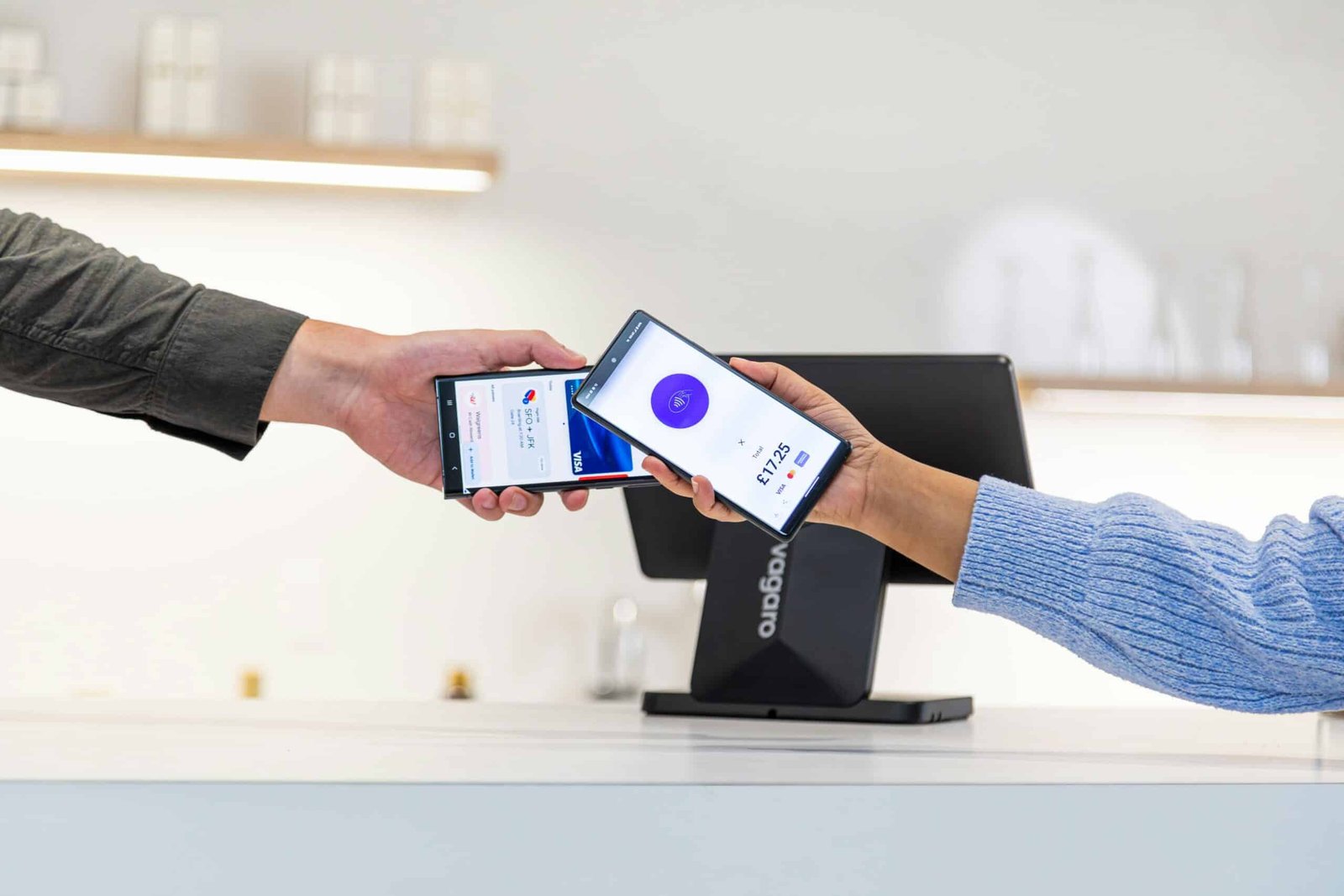
Hackers intercept supplier emails to swap SWIFT details on invoices. A single phone call to a verified number is the only reliable defense.
Email Interception and Fake Bank Invoice Schemes
This is the most financially devastating scam targeting foreign buyers in the Yiwu wholesale market. A hacker gains access to a supplier’s email account, often through a phishing link, and silently monitors communication for weeks. The moment you agree on a 30% deposit, the hacker sends a perfectly formatted proforma invoice from the exact same email address. The only difference is the receiving bank account number.
We see this exact pattern at least once a quarter. The invoice looks identical. The supplier’s signature, company stamp, and product breakdown are all copied perfectly. Because the email originates from the supplier’s actual domain, novice e-commerce entrepreneurs routinely assume it is legitimate and initiate the SWIFT transfer immediately. Once those funds clear into the fraudulent account, usually within 2-5 business days, the money is unrecoverable.
The critical red flag is any sudden change to payment instructions. If your supplier previously quoted one bank and a subsequent invoice shows a different SWIFT code or account name, treat it as a compromised inbox until proven otherwise. Do not reply to that email asking for confirmation, because the hacker will simply assure you the details are correct.
Verifying SWIFT Details Verbally via Phone Before Transferring Funds
The only proven mitigation is a verified, out-of-band phone call. We advise every buyer we work with to call the supplier directly using a phone number obtained from their official Chinese business license or export registration, not from the email signature. You must read the SWIFT code, account number, and beneficiary name back to them character by character.
Our agents take this further by cross-referencing the payee name on the invoice against the registered Chinese business license. Legitimate export orders must match the payee name to the licensed entity. If the account belongs to an individual’s name rather than a corporate entity, we halt the transaction immediately. This is the same boundary that separates standard B2B practice from the unregistered Yiwu scammers who routinely request PayPal or Western Union payments to personal names.
For clients using our sourcing service, we handle this verification layer by default. Before any 30% deposit or 70% balance payment is released, we confirm banking details through a separate WeChat voice call with the factory’s legal representative or financial controller. It adds roughly ten minutes to the workflow, but it eliminates the single highest-risk vector in Yiwu market payment methods entirely.
Escrow Platforms: Trade Assurance & Yiwu Pay
Yiwu Pay eliminates SWIFT intermediary fees and currency float delays, while escrow platforms keep your capital locked until a verified quality inspection passes.
Yiwu Pay: Bypassing the SWIFT Bottleneck
Standard SWIFT T/T transfers take 2-5 business days and incur $20-$60 in intermediary bank fees that neither your bank nor the supplier can predict in advance. For novice buyers wiring a 30% deposit on a $5,000 order, a hidden $45 fee creates immediate friction and erodes trust before the transaction even starts.
Yiwu Pay was built to solve this exact problem. It supports 16 major currencies and partners with 400+ global banks to process payments directly into RMB for the supplier. The settlement is instant. You pay in USD or EUR from your local bank account, and the factory receives RMB within the same business day without any currency float exposure.
Our agents use Yiwu Pay specifically because it creates an auditable trail. Every transaction links to a verified Chinese business license. If a supplier requests payment to a personal name via PayPal or Western Union, that is the primary red flag for an unregistered Yiwu scammer. Yiwu Pay structurally prevents this vector by requiring payee verification.
Yiwu Pay vs. Alibaba Trade Assurance
Alibaba Trade Assurance works well when your supplier operates inside the Alibaba ecosystem. The problem for Yiwu buyers is that the majority of competitive wholesale suppliers in the physical Yiwu market do not maintain active Alibaba storefronts. You find better pricing and lower MOQs on the ground, but you lose the Trade Assurance safety net.
- Supplier Scope: Trade Assurance only covers orders placed through Alibaba.com. Yiwu Pay covers verified suppliers across the entire Yiwu wholesale market, including those with no online presence.
- Dispute Resolution: Alibaba resolves disputes through uploaded photos and documentation, a process that favors experienced negotiators. Our model triggers fund release only after a physical, on-site quality inspection is completed by our team.
- Currency Conversion: Trade Assurance converts at Alibaba’s platform rate, which includes a spread. Yiwu Pay settles directly to RMB at bank-to-bank rates with no hidden margin.
- Payment Speed: Trade Assurance holds funds in escrow but the supplier still waits for T/T clearing. Yiwu Pay provides instant RMB credit to the supplier, which translates to faster production start times for your order.
For e-commerce entrepreneurs researching how to pay Yiwu suppliers safely, the practical answer is layered. Use Yiwu Pay for the 30% deposit to establish an auditable, license-verified payment trail. Hold the 70% balance in escrow and release it only against a passed Bill of Lading copy or a completed third-party inspection report. This structure eliminates the two most common Yiwu wholesale market problems: deposit fraud and pre-shipment quality defaults.
Why We Avoid PayPal & Western Union
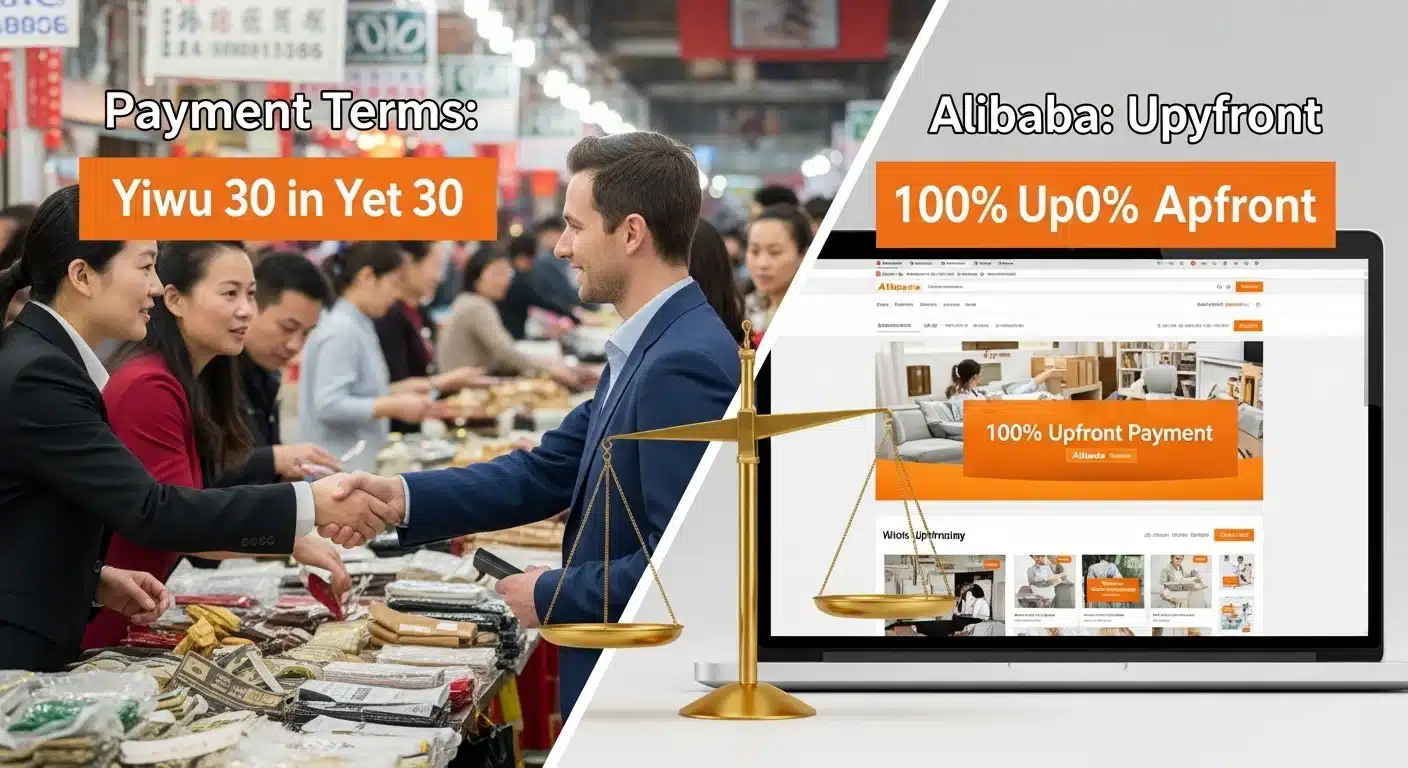
Legitimate Yiwu export agents never use PayPal or Western Union. If a supplier requests payment to a personal name, you are dealing with a scammer, not a factory.
The Reality of Professional B2B Payments
We handle procurement for global brands, and our accounting department never touches PayPal or Western Union. These platforms are designed for consumer retail or informal remittances, not international trade. Legitimate Yiwu export agents rely on formal banking channels because B2B transactions require strict audit trails for customs clearance and corporate tax compliance.
Standard protocol dictates a 30% deposit paid via SWIFT T/T or Yiwu Pay, with the remaining 70% released only after a risk-free inspection. Consumer payment platforms offer zero mechanism for structured milestone payments tied to a Bill of Lading. When a supplier aggressively pushes for PayPal, they are deliberately trying to operate outside the monitored financial system to avoid accountability.
The Personal Name Red Flag
This is the single most reliable scam indicator in the Yiwu wholesale market. A legitimate Chinese factory or trading company maintains a corporate bank account tied directly to their registered business license. When you execute a wire transfer, the payee name must exactly match the legal entity name on that license.
Scammers exploit PayPal and Western Union specifically because both platforms allow instant transfers to untraceable personal accounts. If you receive a Proforma Invoice asking you to send funds to an individual’s name via Western Union, stop all communication immediately. That capital cannot be recovered, and there is no registered company to hold liable for breach of contract.
We advise all novice buyers to reject any payment request that does not provide a corporate bank receipt stamped with the official company seal. Verifying the payee name against the Chinese business license is non-negotiable for avoiding payment scams in Yiwu, China.
Hidden Fees in Cross-Border Wire Transfers
SWIFT transfers leak capital through unannounced correspondent bank deductions. Switching your transfer instruction from ‘OUR’ to ‘SHA’ forces transparency and keeps costs predictable.
Where Your Wire Transfer Money Actually Goes
When you send a SWIFT transfer to a Yiwu supplier, the money does not travel in a straight line. It hops through one to three correspondent banks before landing in the Chinese receiving bank. Each hop extracts a fee, and your local bank often cannot predict the exact total upfront.
We routinely see novice buyers budget for a flat $25 sending fee, only to have the supplier complain that the received amount is short. Standard SWIFT T/T transfers take 2-5 business days and typically incur $20-$60 in intermediary bank fees alone. The receiving bank in China will also deduct a flat processing fee upon settlement.
- Sending bank fee: A flat outbound charge initiated by your bank, usually $20 to $40.
- Intermediary bank fees: Deducted in transit by correspondent banks, ranging from $15 to $50 total.
- Receiving bank fee: Deducted by the supplier’s local Chinese bank before crediting their account, typically $10 to $15.
This fee leakage directly causes payment disputes. The supplier demands the full invoice amount, but you technically sent it. The missing funds are sitting in correspondent bank accounts overseas, and recovering them requires paperwork that costs more than the missing amount.
The Fix: Negotiating SHA Terms Instead of OUR
The root of this friction is almost always the transfer instruction code selected on your bank’s portal. If your bank default is set to ‘OUR’, you are instructing the network to ensure the supplier receives the exact full amount, meaning you absorb all hidden intermediary deductions. If correspondent banks take $50, you pay $50 extra on top of your sending fee.
We advise all our clients to explicitly change this instruction to ‘SHA’ (Shared). Under SHA terms, you pay only your originating bank fee, and the supplier is responsible for all intermediary and receiving bank deductions. This shifts the administrative burden to the party best equipped to calculate local clearing costs.
Most legitimate Yiwu factories already understand and expect SHA terms for international orders. If a supplier aggressively refuses SHA and insists on ‘OUR’ for a standard 30% deposit transaction, treat it as a minor red flag. It usually indicates they are trying to extract a few extra dollars rather than acting as a professional export entity.
For buyers who want to bypass this SWIFT architecture entirely, Yiwu Pay provides an alternative infrastructure. It partners with 400+ global banks across 16 major currencies for instant RMB settlement, cutting out the correspondent bank fee chain completely.
Payment Terms by Order Volume
In Yiwu, your payment structure must scale with order volume. Tying methods to exact dollar tiers is how professional agents prevent deposit fraud and keep transfer costs under 3%.
Under $1,000: 100% Prepaid or Escrow
For trial orders or low MOQ purchases around 100 units, Yiwu suppliers generally will not open a production line without full payment upfront. We advise handling these smaller transactions through Escrow or Yiwu Pay rather than standard SWIFT, which incurs $20-$60 in intermediary bank fees that disproportionately inflate costs on a $500 order.
Escrow funds are only released to the factory after our risk-free inspection confirms the goods match your specifications. This eliminates the primary fear for novice buyers: paying in full and receiving defective inventory. Never use Western Union or PayPal sent to a personal name for these orders, as this remains the top red flag for unregistered Yiwu scammers.
$1,000-$10,000: 30/70 T/T
This is the standard threshold where legitimate Yiwu export factories operate. The structure requires a 30% deposit via SWIFT T/T to initiate production, with the remaining 70% paid before shipment. Standard SWIFT transfers take 2-5 business days to clear.
At this tier, we strictly verify that the payee name on the supplier’s invoice exactly matches their registered Chinese business license. Hacked invoices—where a scammer alters the bank account number on a legitimate-looking proforma invoice—are a common vector at this volume. We advise always calling the factory’s verified contact to verbally confirm the receiving bank details before initiating any wire transfer.
$10,000+: 30% Deposit, 70% Against Bill of Lading Copy
For substantial bulk orders, the 30% deposit rule remains the industry standard, but the balance payment shifts to a much safer trigger point. Instead of paying the 70% balance blindly before shipment, the supplier receives the final payment only after they provide a copy of the Bill of Lading (B/L).
The B/L copy proves the factory has physically handed your cargo over to the shipping line. If they fail to deliver the goods, they do not get the final 70%. For buyers managing larger capital allocations, we often route these payments through Yiwu Pay, which supports 16 major currencies and partners with 400+ global banks for instant RMB settlement. This bypasses traditional SWIFT bottlenecks entirely, allowing you to pay in USD or EUR while the supplier instantly receives RMB without the 2-5 day currency float delay.
Regardless of the tier, our agents never recommend the unofficial cash exchanges behind Futian market that some competitors suggest. Exchanging thousands of dollars with unlicensed individuals carrying bags of cash carries severe counterfeit risk and provides zero audit trail for your accounting or compliance teams.
Conclusion
Wire the standard 30% deposit, but only to a corporate account matching the supplier’s Chinese business license. Unofficial cash exchanges behind Futian market will get you counterfeit bills and zero audit trails. If they ask for Western Union to a personal name, walk away immediately.
Ask your supplier for a proforma invoice and verify the receiving bank’s payee name against their official export license. Send a test wire of $100 first. This confirms the exact routing and catches hidden intermediary fees before you risk your real deposit.
Questions fréquemment posées
How to pay a China supplier?
The safest and most standard method to pay a China supplier is via Telegraphic Transfer (T/T) to a verified corporate bank account. Typically, you will remit a 30% deposit before production and the remaining 70% balance after a risk-free inspection and before shipment. As your trusted eyes in the Yiwu market, we ensure all supplier bank details match their official business licenses to eliminate fraud. This structured approach protects your capital while securing local factory prices for your global brand.
How to pay a Yiwu merchant?
Paying a merchant in the bustling Yiwu market requires navigating both traditional banking and modern digital ecosystems. For smaller stall purchases, many merchants accept digital wallets, but for significant B2B orders, bank transfers remain the gold standard. We facilitate this process by collecting your funds into our secure corporate account and distributing payments to various merchants only after our rigorous quality checks. This centralized payment strategy guarantees Western quality standards without the hassle of managing multiple cross-border transactions.
Best payment method to avoid scams?
The absolute best defense against sourcing scams is utilizing a third-party procurement agency that offers an escrow-style payment structure. Instead of sending money directly to an unverified factory, you pay into a regulated, transparent corporate account that only releases funds upon successful pre-shipment inspection. Because we connect global brands with strictly vetted Yiwu suppliers, your capital is never at risk during the production phase. This risk-free inspection and payment model ensures you maintain total financial control until the goods meet your exact specifications.
How do foreigners pay in China?
Foreigners typically make B2B payments to China through international wire transfers from their local business bank accounts. While consumer travel relies heavily on mobile payment apps, international trade requires formal banking channels to clear customs and comply with export tax regulations. Our team streamlines this by providing precise invoicing, guiding you through SWIFT transfers, and handling all currency conversions smoothly. By acting as your local proxy, we eliminate the banking friction foreigners usually face when sourcing directly from Chinese factories.
Best payment app for foreigners?
While Alipay and WeChat Pay dominate consumer retail in China, they are not suitable or legal for formal B2B cross-border trade. Foreigners often mistakenly try to use these apps for wholesale orders, which can trigger account freezes due to strict foreign exchange controls. For legitimate business sourcing with low MOQs, international wire transfers processed through a verified agency like ours remain the only compliant method. We bridge this gap by handling all local digital and bank transactions on your behalf, ensuring your global DDP shipping runs smoothly without regulatory headaches.