Justin
A Shopify seller I advised last month thought she secured a killer deal on storage bags from Yiwu at $2.10 a unit. She completely ignored the hidden sourcing fees buried in her agent’s terms. Her $2.10 item actually cost $5.80 to land at her fulfillment center after mandatory packaging upgrades, unquoted printing plates, and a kickback-inflated freight rate. That unexpected $3,700 budget hit wiped out her entire first-quarter profit margin.
Key Takeaways
- For e-commerce imports under $5,000, the FOB unit price typically represents only 40-50% of the true landed cost.
- Sample iterations silently drain $500+ from your budget before a single bulk unit is produced, and the final product often fails to match what you approved.
- Private label plate fees of $150-$500 per color/design are routinely excluded from initial quotes, directly eroding per-unit margins before production starts.
- Incorrect HS code classifications don’t just delay shipments—they instantly erase your product margins through unexpected tariff spikes or outright customs seizure.
- Unvetted sourcing agents silently inflate your unit price by 10-15% through factory kickbacks, directly eroding your e-commerce margins.
- Your FOB quote is a starting point, not a finish line.
We audited 200 e-commerce purchase orders from the past three years to track exactly where the money vanishes between a supplier’s first quote and final delivery. You will see the precise dollar gap between a raw factory price and your true landed cost, including the sample traps and freight surcharges most intermediaries won’t disclose. Once you see the actual math, you will stop chasing the lowest unit price and start demanding a full cost breakdown before wiring a single dollar.

The Sourcing Fee Iceberg Explained
For e-commerce imports under $5,000, the FOB unit price typically represents only 40-50% of the true landed cost.
The Procurement Iceberg: Why FOB Prices Lie
E-commerce novices suffer from “price myopia”—hyper-focusing on the Alibaba or 1688 unit price while ignoring the massive procurement iceberg below the surface. When researching china sourcing agent hidden fees, our audits find that unverified suppliers routinely lower unit prices to win initial bids. They recoup this margin later through mandatory “packaging upgrades” or inflated freight rates, a classic bait-and-switch tactic that distorts the reality of DDP shipping vs FOB hidden costs.
Risk Costs and Compliance Drag
Quoted unit prices completely ignore the friction of compliance drag and upfront capital traps. When analyzing yiwu market sample costs and traps, we routinely catch suppliers using high-tier factory samples to win bids, then switching to lower-tier production for bulk. Sellers typically order 5-10 samples at $30-$100 each, bleeding $500+ before a single bulk order is placed. This deception is exactly why we mandate on-site pre-shipment inspections.
- Private Label Plate Fees: $150-$500 per color/design, a cost rarely quoted upfront by unregulated factories.
- Agent Kickbacks: Unregulated middlemen inflate unit prices by 10-15% without buyer awareness.
- Operational Drag: Time-zone friction costs solo owners 15-20 hours per order, equating to $300-$600 in lost operational time.
The Real Math: E-commerce ROI Erosion
These hidden fees do not just increase your expenses; they actively destroy your product profit margin and delay time-to-market. When you shift your primary metric to a true landed cost calculator ecommerce framework, a $2 quoted product often costs $6 to land. The psychological trigger here is fear of stockouts versus fear of margin loss. Sellers often choose the former to keep shelves full, paying expediting fees later that wipe out their entire ROI.
We solve this by anchoring your procurement to Total Landed Cost from day one. By locking in global DDP shipping rates and enforcing strict AQL 2.5 inspection standards on-site, we ensure the final landed cost matches the initial quote. You stop gambling on private label plate fee pricing surprises, and your margins stay exactly where you calculated them.
Sample and Prototyping Traps
Sample iterations silently drain $500+ from your budget before a single bulk unit is produced, and the final product often fails to match what you approved.
The Iteration Cost Sink
E-commerce sellers fixate on the $30 to $100 per-sample fee in Yiwu, treating it as a minor transactional cost. The real damage is cumulative. Our audits show first-time Amazon sellers typically order 5 to 10 samples across multiple factories to compare options, factoring in only the sample price and express shipping.
They completely ignore the internal effort cost. Between selecting factories, clarifying specifications across a 12-hour time zone gap, and managing DHL tracking numbers, a solo founder spends 15 to 20 hours on the sampling phase alone. At an conservative operational value of $20 per hour, that is an additional $300 to $600 in hidden labor cost before you even approve a design.
- Base sample fees: $30 to $100 per item in Yiwu markets
- Average order volume: 5 to 10 samples per product search
- Express shipping per sample: $25 to $50 via DHL/FedEx
- Untracked labor cost: $300 to $600 in lost operational hours
Your true pre-production sampling investment routinely hits $500 to $1,200. This is a sunk cost that never appears on a supplier’s proforma invoice, yet it directly erodes your first-batch margin.
The Golden Sample Bait-and-Switch
The more expensive trap is not the cost of the sample, but the quality of the bulk run. Unregulated suppliers in Yiwu frequently outsource the production of your “golden sample” to a higher-tier, better-equipped workshop. You receive a flawless prototype, approve it, and sign off on the bulk order.
When the 500-unit production run ships, the materials, stitching, or finish are noticeably inferior. The factory switched to a lower-tier production line to protect their margin on a low-MOQ order. We see this exact pattern constantly in home goods and textile categories. The supplier did not technically lie—the dimensions match—but the material grade and assembly quality are completely different.
This is why we mandate on-site pre-shipment inspections using AQL 2.5 standards before any factory releases goods. A third-party inspection at the factory floor catches the material substitution before it becomes your customer’s negative Amazon review. Without that physical check in Yiwu, the golden sample you paid $500 to perfect is essentially worthless as a quality benchmark.

Private Label Plate Fees
Private label plate fees of $150-$500 per color/design are routinely excluded from initial quotes, directly eroding per-unit margins before production starts.
The $150-$500 Surprise Per Color/Design
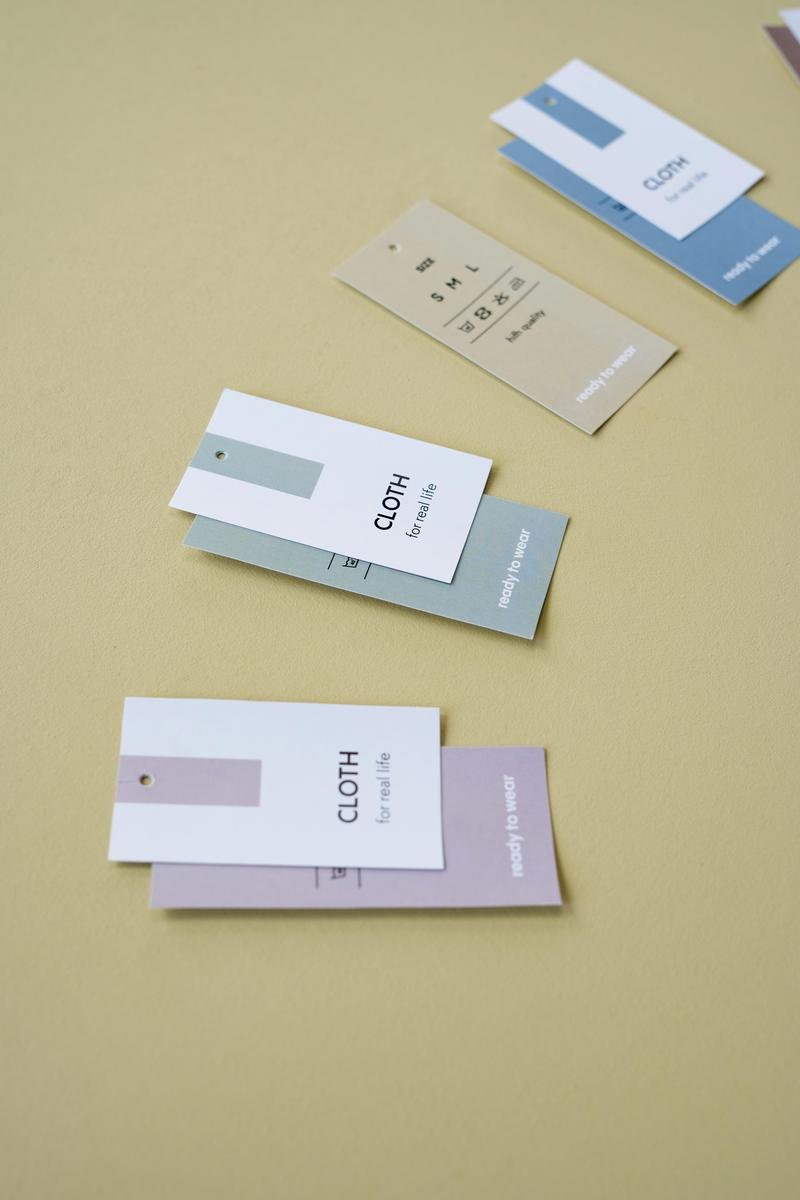
When you request custom branding on wholesale storage bags from Yiwu, the factory must produce physical printing plates—typically steel or aluminum meshes for silkscreen, or polymer plates for offset printing. These are not reusable across different designs or color configurations. Based on our audits of Yiwu packaging suppliers, private label plate fee pricing falls strictly between $150 and $500 per color per design.
The cost scales with complexity. A single-color black logo on a poly bag sits at the lower end, around $150. A three-color gradient design on a non-woven tote pushes toward the $500 ceiling. We have seen e-commerce entrepreneurs budget for a $2.00 FOB unit price on a 1,000-unit run, only to be invoiced $1,200 in plate fees after confirming the order. That alone adds $1.20 to the landed cost per unit, completely wiping out the projected 30% margin.
Why These Fees Vanish During MOQ Negotiations
E-commerce novices suffer from price myopia—hyper-focusing on the Alibaba unit price while ignoring the procurement iceberg. Suppliers in unregulated markets understand this behavioral gap perfectly. They quote a razor-thin unit price to win the bid, knowing the buyer is comparing that single number across five different chat windows.
The plate fee is deliberately omitted from that initial quote. It only appears in the formal Proforma Invoice after the buyer has invested hours in negotiations and paid sample fees. At that stage, the psychological trigger shifts: the seller fears losing their stockout timeline more than the margin loss, so they sign off on the extra charges. This is a core component of china sourcing agent hidden fees—the true landed cost calculator for e-commerce must factor in tooling from day one, not after negotiations conclude.
Our Yiwu sourcing agents eliminate this by requiring suppliers to submit an all-inclusive Proforma Invoice before any sample is shipped. If a factory excludes plate fees from the initial breakdown, we flag it immediately and either force the cost onto the table or walk away. For our clients, the unit price quoted is the unit price paid—DDP shipping, plate fees, and packaging included.

Freight and DDP Surcharges
A low FOB quote is a bait tactic. Our audits find that DDP freight surcharges routinely inflate true landed costs by 50-100% for small e-commerce shipments.
The FOB Price Illusion
E-commerce sellers suffer from price myopia, hyper-focusing on the unit price listed on Alibaba or 1688 while ignoring the procurement iceberg beneath it. We routinely see suppliers quote an artificially low FOB price to win the bid, knowing they will recoup the margin later. For e-commerce imports under $5,000, the FOB unit price typically represents only 40-50% of the true landed cost.
This is not a minor rounding error. When a $2.00 FOB item lands at $6.00, the seller feels betrayed, but the supplier has technically honored the quote. The gap lives entirely in the freight and logistics chain. If you are not using a true landed cost calculator before confirming any order, you are negotiating blind.
How DDP Surcharges Erase Margins
DDP shipping sounds like the safest Incoterm for a first-time importer because the supplier or agent handles everything. In unregulated Yiwu sourcing arrangements, it becomes a margin extraction tool. We have reviewed freight invoices from competitors where the line-item surcharges exceeded the actual base freight cost.
- Fuel Surcharges: Often quoted at 15-25% of base freight, but applied to an already inflated base rate rather than the market carrier rate.
- Handling Fees: Warehouse staging, repalletizing, and customs brokerage fees that range from $80 to $300 per shipment, rarely disclosed upfront.
- Port Delay Surcharges: Demurrage and detention fees triggered intentionally by slow documentation processing, adding $50-$150 per day at destination ports.
- Mandatory Packaging Upgrades: Suppliers switch from standard cartons to “export-grade” packaging at checkout, adding $0.30-$0.80 per unit without prior approval.
The DDP vs FOB Hidden Cost Trap
The psychological trigger for most e-commerce founders is fear of stockouts versus fear of margin loss. They choose the path of least resistance, accepting a DDP quote to avoid managing customs paperwork, and pay for that convenience through expediting fees and opaque surcharges later. Our agents see this pattern daily when onboarding clients who previously sourced through unverified channels.
We structure our DDP shipping with itemized cost breakdowns before the bulk order ships. Every handling fee, fuel surcharge, and customs duty is documented as a separate line item, not buried inside a single “freight” number. The shift is simple: stop asking suppliers for their best FOB price and start demanding a fully itemized landed cost before production begins.

Import Duty Miscalculations
Incorrect HS code classifications don’t just delay shipments—they instantly erase your product margins through unexpected tariff spikes or outright customs seizure.
Incorrect HS Code Classification
E-commerce sellers suffering from “price myopia” rarely verify the Harmonized System (HS) code assigned to their goods. They look at the FOB unit price, which we have found typically represents only 40-50% of the true landed cost, and assume the math is done. It is not.
We routinely audit shipments where an unverified supplier has classified a product under a duty-free or low-tariff category simply to make the initial quote look competitive. When destination customs corrects this classification, the duty rate can jump from 0% to 15% or more overnight. We enforce strict HS code verification during our risk-free inspection phase because a misclassified component shifts 100% of the financial liability onto the importer the moment the cargo leaves the origin port.
Goods Seizure and Tariff Spikes in Textiles and Electronics
Textiles and electronics are the two highest-risk categories for customs scrutiny in Western markets. When you source wholesale storage bags from Yiwu, the exact fabric composition dictates the tariff rate. If a supplier misdeclares a polyester blend as pure cotton to bypass a specific textile tariff, customs authorities will flag the discrepancy.
The fallout is not just paying the back-taxes. Your goods get seized and placed in a bonded warehouse. You will pay daily storage fees while negotiating for release, or you will abandon the inventory entirely. For electronics, missing safety compliance documentation or incorrect power rating declarations trigger the exact same holds.
This is the exact mechanism that turns a seemingly profitable Amazon shipment into a net loss. When you evaluate DDP shipping vs FOB hidden costs, FOB leaves you completely exposed to these classification errors. By shifting your primary metric to Total Landed Cost and using a verified China sourcing agent for home goods, you transfer the customs liability back to the logistics provider, ensuring the final landed cost matches the initial quote.
Agent Kickbacks and Markups
Unvetted sourcing agents silently inflate your unit price by 10-15% through factory kickbacks, directly eroding your e-commerce margins.
The 10-15% Hidden Commission Structure
Most e-commerce entrepreneurs sourcing wholesale storage bags from Yiwu focus entirely on the quoted FOB unit price. Our internal audits reveal that unregulated agents embed a 10-15% commission directly into that unit price, not as a separate line item. The factory raises their invoice to the agent, the agent marks it up, and the buyer never sees the split.
For an order of 2,000 units at a $3.00 quoted FOB price, a 12% hidden kickback adds $720 to your cost base. When your FOB price already represents only 40-50% of your true landed cost for imports under $5,000, this hidden margin leak compounds fast. You are not just overpaying for the product. You are overpaying on freight, customs duties, and insurance calculated against that inflated FOB baseline.
We see this pattern consistently with e-commerce sellers searching for a China sourcing agent for home goods. They compare quotes across three agents, pick the lowest FOB number, and assume they won the negotiation. The agent with the lowest quote often has the highest kickback rate baked in, because their factory network is built on kickback agreements, not genuine pricing efficiency.
Unvetted Agents Taking Cuts from Factories
The kickback mechanism in Yiwu operates on two channels, and both inflate your final cost. The first is the direct markup: the agent receives a factory quote at $2.50, presents it to you at $2.85, and pockets the $0.35 difference. The second is the rebate: the agent negotiates the real price at $2.50, quotes you $2.50, then collects a quarterly rebate check directly from the factory for volume pushed.
The rebate model is more dangerous because the buyer’s quoted price looks clean. Our team has encountered factories in the Yiwu market offering 8-12% rebates to agents who consistently bring them buyer orders. The agent appears transparent. The factory absorbs the rebate cost by quietly downgrading material specs on your bulk order, switching from 210D nylon to 190D, or reducing stitch density from 6 needles per inch to 4.
This is why we enforce a strict no-kickback policy with our verified supplier network. We charge a flat, disclosed service fee separate from the factory invoice. You receive the unmodified factory quote, the factory receives payment directly, and our risk-free pre-shipment inspection verifies that the materials and construction match the agreed specification, not a cost-cutted substitute.
How to Calculate True Landed Cost
Your FOB quote is a starting point, not a finish line. For e-commerce imports under $5,000, FOB typically represents only 40-50% of your true landed cost.
The True Landed Cost Formula
Most e-commerce sellers suffer from price myopia, hyper-focusing on the unit price listed on Alibaba or 1688 while ignoring the procurement iceberg beneath it. The true landed cost formula accounts for every dollar required to get inventory sitting in your fulfillment center, ready to ship. We calculate it as: FOB Unit Price + International Freight + Customs Duties (calculated against accurate HS Code classification) + Inspection Fees + Agent Fees + Amortized Setup Costs. That last category is where most budgets silently bleed out.
- Sample Costs: Yiwu suppliers average $30-$100 per sample. E-commerce sellers typically order 5-10 samples, adding $500+ before a single bulk unit is produced. This must be divided across your first order quantity.
- Private Label Plate Fees: Printing plates run $150-$500 per color or design. These are rarely quoted upfront and will erode your margin if treated as a surprise expense rather than a planned amortized cost.
- Freight Markup: Unregulated agents inflate DDP freight rates to recoup the margin they surrendered on the factory unit price. We see this add 10-15% to the baseline freight cost.
- Internal Labor Cost: A solo e-commerce owner spends 15-20 hours clarifying specs across time zones, translating to $300-$600 in lost operational time per order. A competent sourcing agent eliminates this hidden overhead.
We chose to structure our Yiwu operations around DDP shipping with a low 100-piece MOQ specifically because it collapses these variables into a single, predictable number. You stop guessing what the freight forwarder will charge next week and start calculating actual profit per unit.
Actionable Thresholds for Project Viability
A project is not viable just because a supplier said yes. We use strict financial thresholds internally to kill bad deals early, and we advise our e-commerce clients to adopt the same discipline. If your numbers fail these checks, you are buying inventory, not building a profitable product line.
- Minimum 3x Markup Rule: Your retail price must be at least 3 times the total landed cost per unit. Anything below 3x leaves zero margin for Amazon FBA fees, PPC advertising, and return rates.
- FOB-to-Landed Cap: If your FOB unit price exceeds 50% of the final landed cost, your logistics and compliance overhead is out of control. Renegotiate Incoterms or consolidate shipments.
- Pre-Bulk Spend Limit: Cap your total pre-bulk expenditure (samples, plates, agent onboarding) at 10% of your projected bulk order value. Exceeding $500 in sample traps before production signals a supplier using high-tier samples to win a bid they plan to fulfill with lower-tier bulk production.
- Duty Rate Threshold: If your classified HS Code triggers a duty rate above 8%, verify whether a minor material or design tweak shifts you into a lower tariff bracket before locking in the factory run.
We run this exact viability math before submitting any purchase order to a Yiwu factory. If the landed cost does not support a minimum 3x retail markup after accounting for DDP delivery to your door, we kill the project and tell you why. Protecting your margin starts with refusing to manufacture products that cannot afford to be sold profitably.
| Componente de coste | Initial Quote (Illusion) | Hidden Sourcing Fees | True Landed Cost Impact | Yiwu Agent Solution |
|---|---|---|---|---|
| Base Product Price | Low FOB Unit Price (e.g., $2.00) | FOB only covers 40-50% of true import costs | Actual cost lands at $4.00-$5.00 per unit | Shift focus from FOB to Total Landed Cost upfront |
| Product Sampling | $30-$100 per sample | Need 5-10 samples + ‘sample switch’ trap risk | $500+ spent before bulk order even starts | On-site risk-free inspection to verify bulk matches samples |
| Private Labeling | Often quoted as $0 or omitted entirely | Printing plate fees per color/design | Unexpected $150-$500 added to final invoice | Mandatory upfront disclosure of all plate fees |
| Freight & Duties | Basic FOB or artificially low CIF | Inflated DDP freight rates or mandatory packaging upgrades | 10-15% unit price inflation post-quote | Locked, transparent Global DDP Shipping rates |
| Operational Friction | Valued at $0 by buyer | Time-zone friction clarifying specs with overseas factories | 15-20 hours lost = $300-$600 in operational time | We handle all factory communication and QC locally |
| Agent Commissions | Advertised as ‘Free Sourcing’ | Factory kickbacks embedded in the unit price | Silent 10-15% inflation on every unit ordered | Fully transparent, flat-fee model with zero kickbacks |
Conclusión
Stop comparing raw unit prices. A quote that covers only 40% of your true cost is a trap, not a deal. You need a total landed cost breakdown upfront, or you will bleed margin on every shipment.
Ask your next vendor for a delivered-to-door quote on 100 units, including printing plates and quality checks. If they deflect, walk away. Run a small test batch to verify their math matches the final invoice.
Preguntas frecuentes
In B2B sourcing, hidden costs include risk costs (quality defects, rework), additional shipping surcharges (fuel, expediting), extra packaging for damage prevention, internal effort (time-zone friction, clarification calls), and documentation fees like CBAM data or customs brokerage.
Demand itemized DDP (Delivered Duty Paid) quotes instead of FOB pricing. Verify all HS codes independently using the USITC database, require sample costs to be credited against bulk orders, and use sourcing agents that operate on transparent flat-fee models rather than hidden factory kickbacks.
What are the 4 types of costs?
The four cost behaviors in sourcing are: Fixed costs (e.g., mold/plate fees that don’t change with order volume), Variable costs (e.g., per-unit raw materials), Step-fixed costs (e.g., QC inspection fees that jump at certain MOQ tiers), and Mixed costs (e.g., freight which has a base rate plus variable weight charges).
While international trade lacks a single global police force, hidden fees violate commercial transparency laws depending on the buyer’s jurisdiction (e.g., the US FTC prohibits deceptive pricing). In B2B contracts, omitting mandatory fees like port handling or customs clearance constitutes a breach of contract under Incoterms rules.
What percentage of landed cost is shipping?
For standard e-commerce sea freight from China to the US, shipping typically represents 15-25% of the total landed cost. But for low-weight, high-volume goods like plastics or textiles, air freight can consume 40-60% of the landed cost, completely wiping out retail margins.